





Related news: Three Clean Tech Predicdtions for the 2020s
Sales Growing for Zero Emissions Vehicles
A report finds widening markets for electric cars, buses and trucks despite the global pandemic.
April 20, 2021
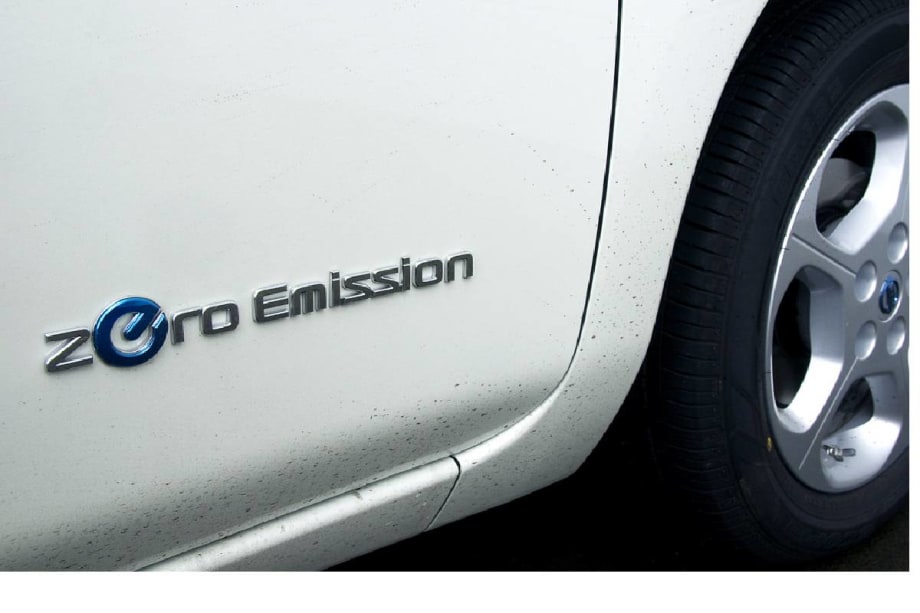
In the U.S., electric vehicle sales grew 4% while overall car sales decreased 15%.
Photo: Oregon Department of Transportation
3 min to read
U.S. and global markets for electric cars, freight trucks and busesgrew last year in spite of the pandemic – one of many signs of robust enthusiasm for zero-emission vehicles, according to a new report commissioned by Environmental Defense Fund. M.J. Bradley and Associates released the fourth update of its Electric Vehicle Market Status Report on April 20.
“Manufacturers, consumers, and major fleets are continuing to embrace zero-emission cars, freight trucks and buses, even in an intensely difficult year, said Peter Zalzal, EDF associate vice president of clean air strategies, in a press release. “Zero emitting vehicles are clearly the future of transportation. Today’s strong markets and rapid innovation, combined with protective standards for both cars and freight trucks and buses, will allow us to cut climate and health-harming pollution, create new jobs, and save American families money.”
EDF began commissioning the reports in May 2019 to track the current status and projected growth of the electric vehicle industry. The latest update finds that despite the pandemic, sales of electric vehicles grew from 2019 to 2020 in many places around the world while car sales shrank overall:
In the U.S., electric vehicle sales grew 4% while overall car sales decreased 15%
In Europe, electric vehicle sales increased 135% while overall car sales decreased 24%
Overall, global electric vehicle sales increased 46%
Other key developments for zero-emission vehicle markets since the last update in January include:
President Biden’s newly-released American Jobs Plan calls on Congress to invest $621 billion in transportation infrastructure and resilience, including a $174 billion investment to “win the EV market.”
Virginia became the 13th state and the first in the South to adopt California’s low-emissions vehicle and zero-emissions vehicle standards.
Ford announced it would commit $22 billion to electrification – almost twice its previous pledge – and said its entire European passenger vehicle line would be electric or hybrid in five years, by mid-2026.
General Motors set a goal to eliminate tailpipe emissions from new cars by 2035. GM also announced that Chevy will produce an electric Silverado pickup at its Detroit plant.
Volvo announced it would be a fully electric car company by 2030, and would phase out any car in its global portfolio with an internal combustion engine, including hybrids.
LG Energy Solution announced it will invest more than $4.5 billion by the end of 2025 to expand its battery production in the U.S. That could create as many as 10,000 new jobs.
The Montgomery County Public School district in Maryland – one of the largest in the country, with 160,000 students – committed to electrify its 1,400 school buses.
FedEx announced that its entire parcel pickup and delivery fleet will be zero–emission electric vehicles by 2040.
You can read the full report here.
Originally posted on Charged Fleet
More Green Fleet
Sponsored•October 1, 2026
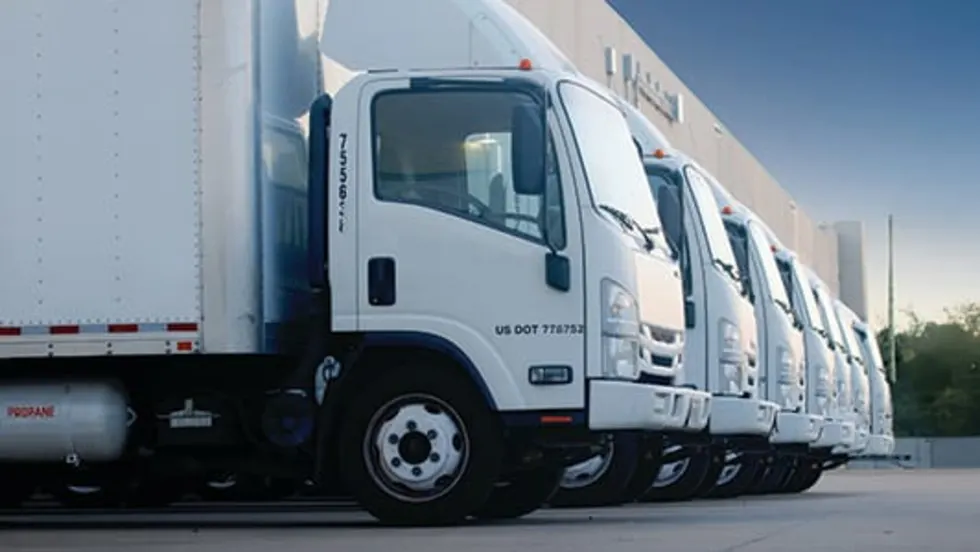
New Propane Autogas Program Offers Fleet Compensation
Qualified commercial fleets can receive $7,500 per eligible propane autogas vehicle and up to $10,000 for new refueling site prep. Learn how the program works and see whether your fleet qualifies.
Read More →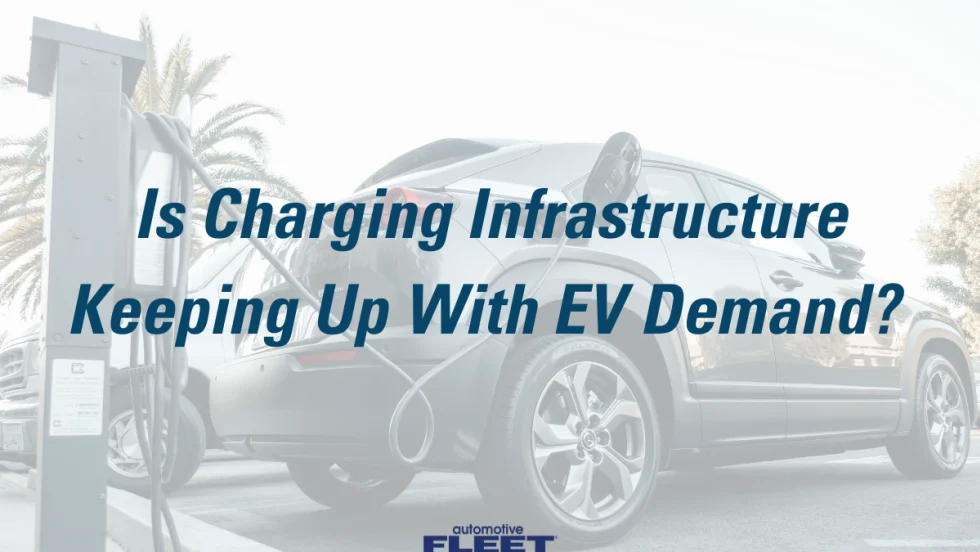
EV Charging Use Is Outpacing Infrastructure Growth
ChargePoint’s 2026 Charging Forward Report points to rising charger use, higher-powered charging, commercial vehicle electrification, and energy-management technology. Here’s what fleets should know.
Read More →
Merchants Fleet Reports 290M EV Miles as Fleets Navigate Changing Electrification Market
From millions in operating savings to hundreds of millions of EV miles, Merchants Fleet’s latest report reveals what’s working and what’s changing in fleet electrification.
Read More →
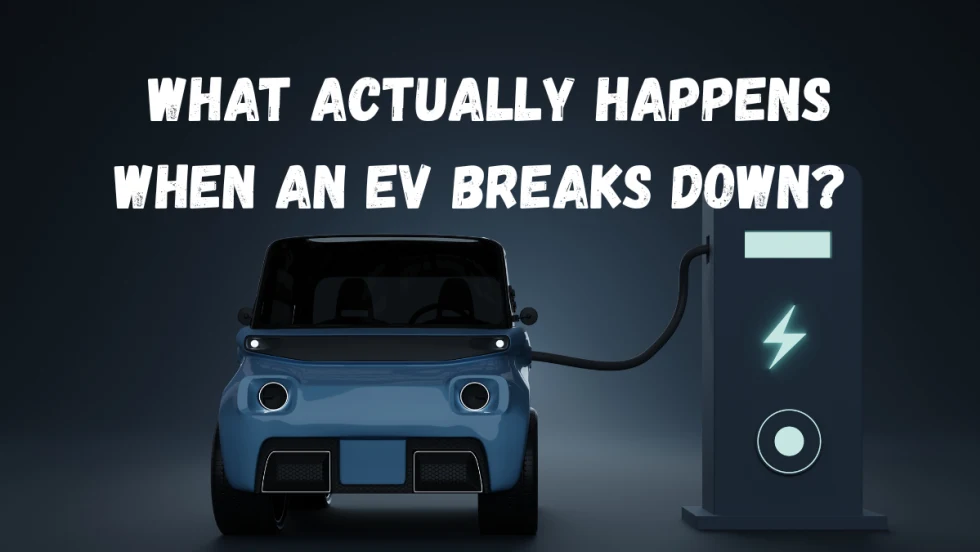
The EV Breakdown Nobody's Talking About: Why Most Electric Vehicle Roadside Calls Aren't Mechanical Failures
Here's why EV breakdowns are widely misunderstood.
Read More →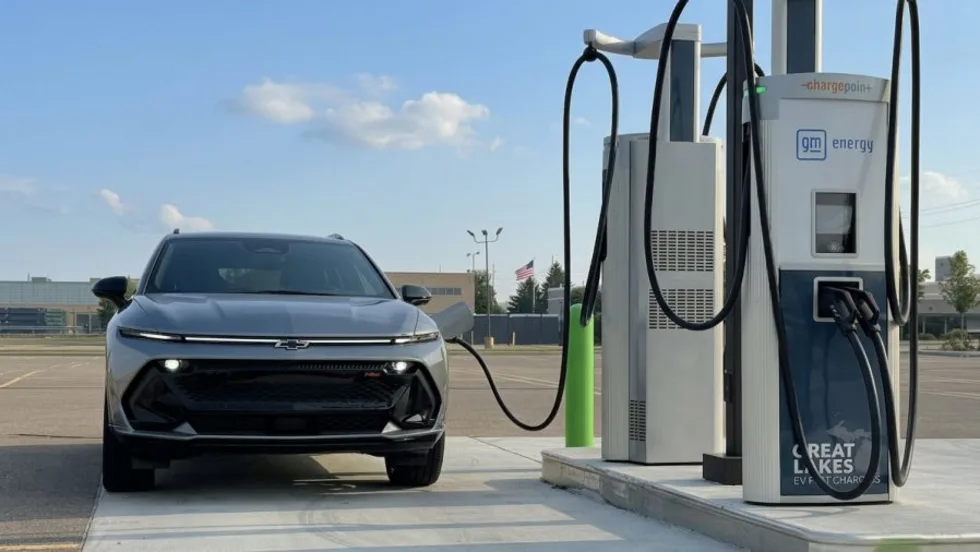
ChargePoint Now Available in Energy Pass
ChargePoint and additional planned charging network integrations were added to GM's Energy Pass.
Read More →

First Look: Slate Auto's Electric Fleet Pickup
Could an affordable, modular EV pickup make electrification more practical for fleets?
Read More →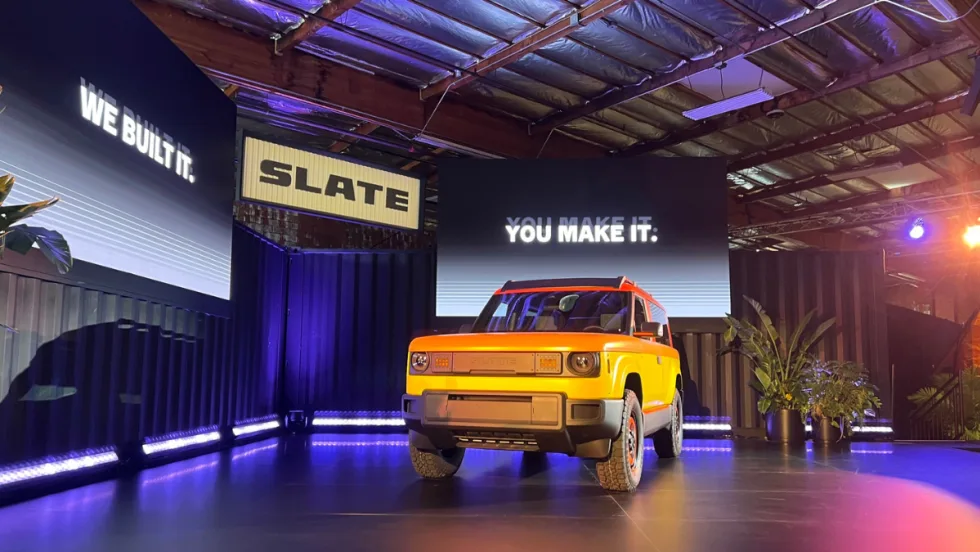
Slate Debuts Colorful, Unique EV Models
A recent media and client event, studded with electric vehicles dressed up on platforms, planted a new position for the manufacturer in the wider EV market. Fleets will find cost-saving advantages.
Read More →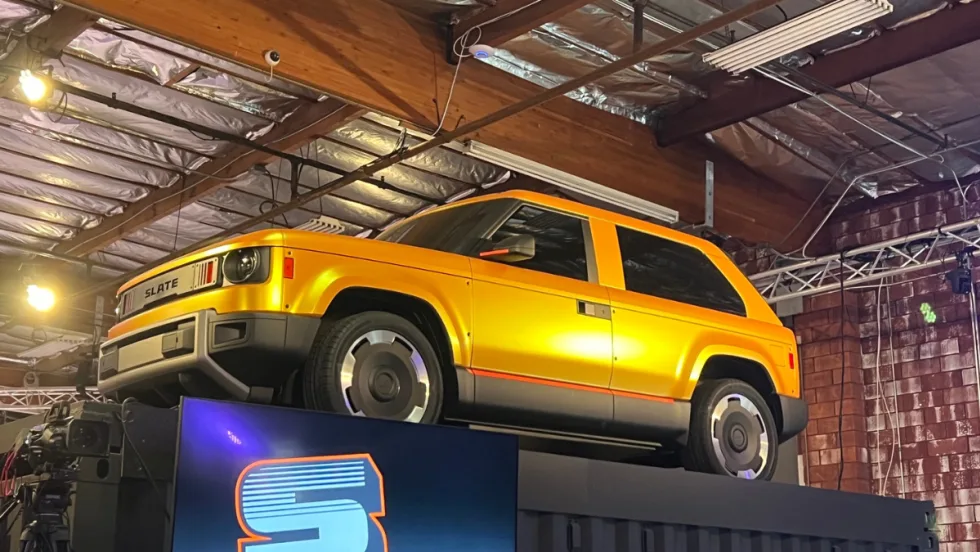
Slate Electric SUV, Pickup Switchable Model Aims For Light-Duty Fleets
Everything about this EV is counterintuitive and understated, making it stand out from the crowd.
Read More →
Inspiration Mobility Acquires Key Electrada Assets
Inspiration Mobility Group has acquired select assets of Electrada, adding the fleet electrification provider's team, technology, and charging infrastructure development capabilities to its energy management business.
Read More →