




Related article: Latest Trends in Fleet Ordering and Remarketing
How to Put Ad Dollars to Work Using AI
A proper, artificial intelligence-driven digital advertising strategy can put advertising dollars to work with precision, accuracy, and results.
by Neal Gann, LotLinx
April 7, 2021
Dealers now can dial in digital ads, presenting the right car to the right customer on whichever channel is the most profitable.
Image: Bobit Business Media file
3 min to read
The global pandemic may leave lasting changes in societal behavior well beyond replacing the handshake with the fist bump. Indications suggest a tipping point in digital advertising that will change the way companies large and small, including car dealerships, approach their ad spend.
Channel marketing may be dying, not because the channels are bad, but because the overlapping spend is inefficient. Dealers now can dial in digital ads, presenting the right car to the right customer on whichever channel is the most profitable.
Such discipline in advertising strategy has never been more important. Overall advertising spending was down a sharp 7% in the U.S. in 2020, the first decline in 11 years, according to a report by PQ Media, a firm that analyzes global media buying trends. However, “consumer spending” on advertising was up nearly 6%. This accounts for less in traditional ad buys, in places like TV and Out-of-Home, replaced by higher volume of online traffic consumption of programmatic ad placements.
With such an increase in online shopping and general web surfing, dealers should consider reviewing their strategies. Due to the high volume of online shopping traffic, serving the right content to the right viewer at the right time is more critical than ever. Media buyers today can isolate ad target demographics in greater detail. This concept is mostly formulaic and relatively easy to execute for retail department stores stocked with thousands of identical products. But for the car dealership stocked with hundreds of unique, high-dollar products, the stakes are much higher.
The traditional digital audience is still too broad and ad spending is inefficient. Social media platform algorithms, for example, default to high volumes, meaning if something grabs a lot of attention, the system steers more eyeballs toward that post. So if a dealer is advertising on a social site, the viewer of the site will see the hottest car on the lot, the one that would have sold virtually on its own.
Meanwhile, an aged inventory unit that needs some advertising continues to be lost and often is discounted until it moves. Fully 80% of a dealership’s ad budget goes to just 20% of its inventory, Furthermore, 40% of a dealership’s inventory is never viewed during an average week. Since we know 85% of vehicles are viewed just before they sell, we know we can help a dealer move more inventory by getting views on more inventory.
The new approach is to combine data, including dealer inventories, market trends, and shopper insights; and connect specific buyers with specific VINs across the digital landscape. By using VIN-specific advertising, a dealer need not increase the overall spend or resort to deep discounts to move aged inventory. They can direct their existing advertising dollars to work for the VINs that need the support or have the greatest opportunity to hold more margin. We use AI to deliver buyer demand directly to dealership inventory, thus boosting profitability.
While broadcast TV, radio, OOH, and “shotgun” advertising are dipping, it’s not enough to simply move more budget to digital advertising. Digital has evolved and has its own inherent challenges to being seen by the right customers. Rather than simply reducing ad spend out of frustration with poor results or giving in to discounting vehicles to move inventory, there are now opportunities and the tools to leverage market data, refocusing a dealership’s advertising plan at the VIN level.
A proper, AI-driven digital advertising strategy can put advertising dollars to work with precision, accuracy, and results.
Neal Gann is the President of LotLinx (www.lotlinx.com)
Originally posted on Vehicle Remarketing
Subscribe to Our Newsletter
More Operations

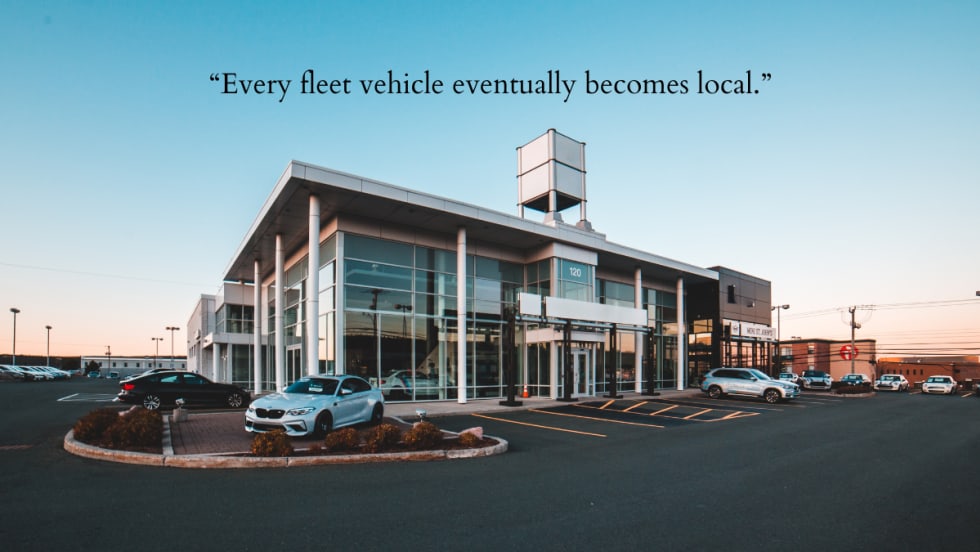
Your Local Dealer Knows More Than You Think
Your local dealer can provide an information advantage that extends well beyond courtesy deliveries.
Read More →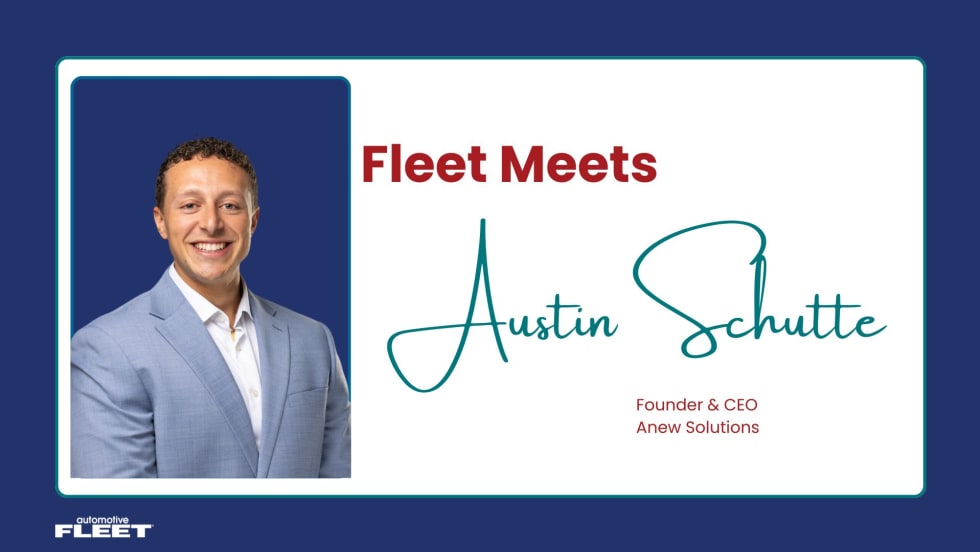
Fleet Meets: Austin Schutte
Here are some industry insights, personal touches, and words of advice from the CEO and Founder of Anew Solutions.
Read More →


Soap Box Derby Challenge: What’s Powering Team Brown
The car is coming together, the students are solving real build problems, and the fleet industry is helping push Team Brown toward the starting line.
Read More →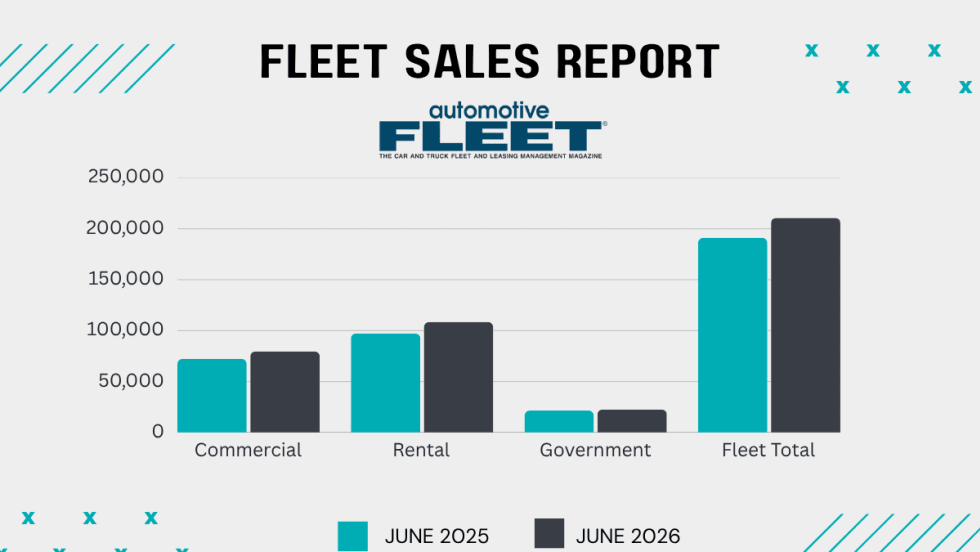
Commercial Fleet Sales Contribute To June, YTD Gains
The fleet sector has boosted its vehicle purchases at a reliable pace in the first half of this year compared with 1H 2025.
Read More →
What Fleet Managers Really Want From Vendors
From customer service frustrations and technology breakdowns to RFQs, change management, and the growing impact of turnover across the industry, this conversation pulls back the curtain on the real operational challenges fleet managers are navigating every day.
Read More →
Fleet Safety Masterclass: Industry Leaders on Storytelling, Strategy & Innovation
In this special masterclass episode, industry leaders break down what it really takes to build safer fleets in today’s increasingly distracted and data-driven world.
Read More →
Integrating Legacy Fleet Systems and Historical Data
In this episode, we bring together fleet and technology leaders to unpack the realities of data integration, system migrations, and the evolving role of AI in fleet management.
Read More →
From Resistance to Results: Change Management Strategies for Fleets
From new technologies and safety programs to evolving regulations, fleets are under constant pressure to adapt. But as Dr. Betz explains, success isn’t about the system you implement—it’s about whether your people actually use it.
Read More →
Where We're Headed: A Practical Look at AI in Fleet
Discover how AI is actually being deployed in fleets, not just marketed, including practical use cases and emerging risks.
Read More →