


 MENU
MENU SEARCHMENUSEARCH
A growing number of investors, state officials, and environmental groups are lobbying the U.S. Congress to mandate climate change disclosures in Securities and Exchange Commission (SEC) filings. A recent SEC interpretive release caught the attention of the corporate fleet community, especially in the wake of a record number of global warming resolutions filed with 58 U.S. companies during the 2009 proxy season. Will fleet managers have to deal with carbon disclosure in the not-too-distant future
Read More →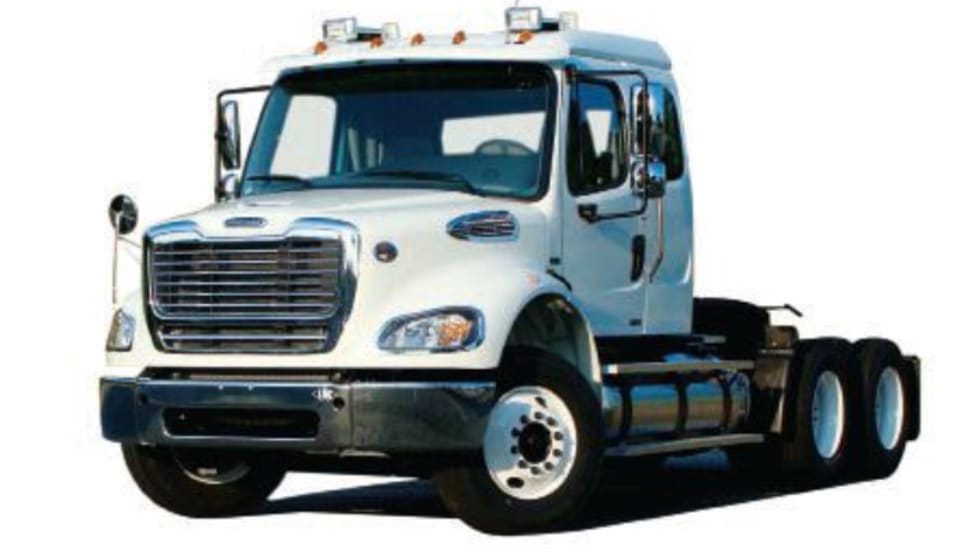
Portland, Ore.-based Freightliner introduces the Business Class M2 112 NG, its first natural gas-powered truck. 2010 EPA emissions-compliant, the truck is targeted for natural gas utilities, port operations, and municipalities.
Read More →A record number of resolutions were filed during the 2009 proxy season by investor groups to get companies to voluntarily disclose data about their "carbon footprints," which includes the greenhouse gas (GHG) emissions caused directly and indirectly by their operations. These investors argue companies that disclose and mitigate GHG emissions will be rewarded with higher valuations and a lower cost of capital. At many companies, fleet represents a sizeable percent of their carbon footprint.
Read More →
The Birmingham, Ala.-based insurance company has taken measures to reduce greenhouse gas emissions, but also has purchased offsets from a dairy farm to reduce methane emissions.
Read More →
Metrics to measure fleet environmental progress must go beyond simply totaling the number of hybrid and alt-fuel vehicles. A new generation of metrics will track fleet greenhouse gas (GHG) reductions.
Read More →When you read a newspaper or website, you’re finding a lot of coverage of battery-powered cars, which for now are the heart and soul of the green car movement. Sometimes it gets a bit confusing for readers to sift through the acronyms. Here’s a simple guide to breaking electrics into three categories.
Read More →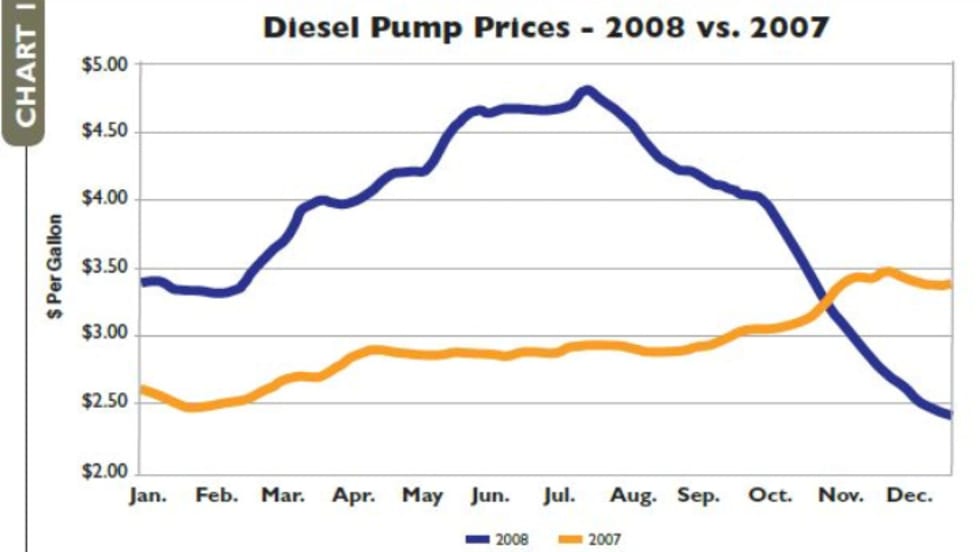
The biggest factor behind the spike in medium-duty operating costs was the increase in diesel prices, which jumped 32 percent from the then-historical high in 2007. Other factors included increased labor rates and higher taxes.
Read More →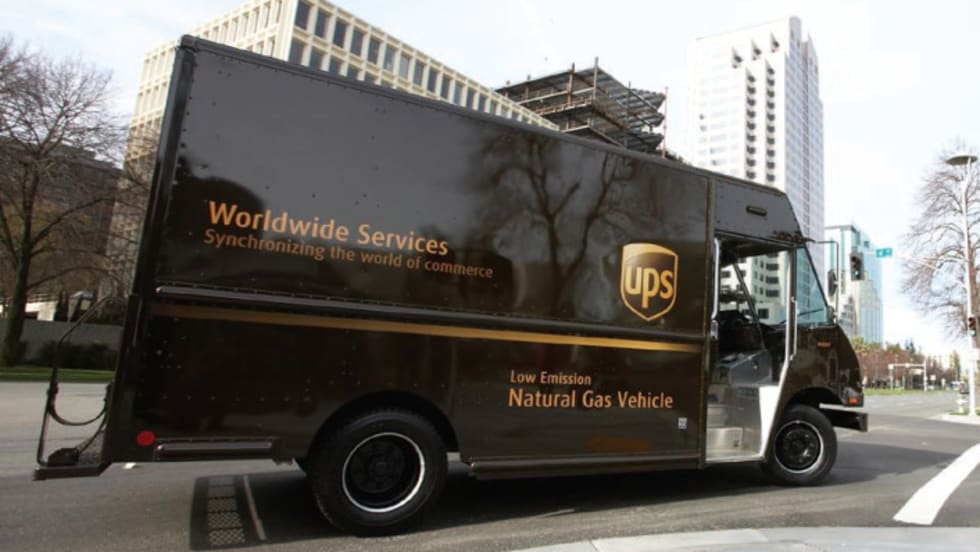
The company’s new compressed natural gas trucks are expected to yield a 20-percent emissions reduction over the cleanest diesel engines available in the market today.
Read More →Mercedes-Benz offers German quality and practicality with its R320, a clean-diesel, clean-emissions model fit for chauffeured fleets.
Read More →How a business handles its effects on the environment is becoming just as important as cost, quality, and service.
Read More →