




Freightliner M2 112 Goes All-Natural
Portland, Ore.-based Freightliner introduces the Business Class M2 112 NG, its first natural gas-powered truck. 2010 EPA emissions-compliant, the truck is targeted for natural gas utilities, port operations, and municipalities.

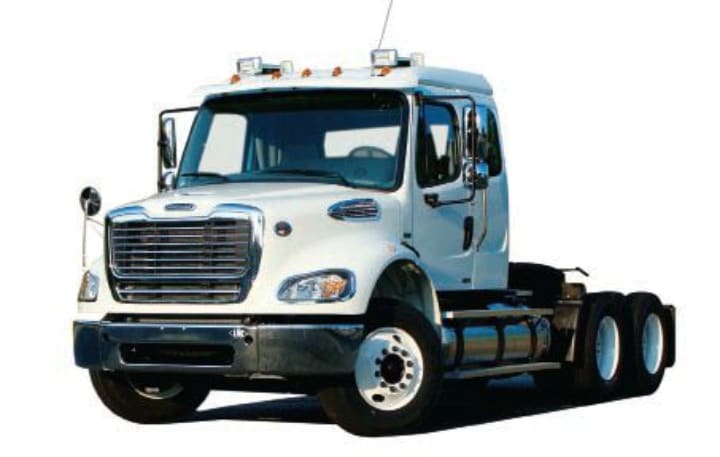
Business Class M2 112
Photo: Freightliner
Studies show an estimated $6,000 can be saved in annual fuel and operating costs per truck with the use of natural gas technology. Freightliner Trucks now offers that option with the new Business Class M2 112 NG chassis, the truckmaker's first natural gas-powered truck.
"The M2 112 is a versatile and hard-working truck, and adding a natural gas option only enhances its efficiency," said Melissa Clausen, director of product marketing for Freightliner Trucks.
Forty of the OEM factory-built M2 112 NG vehicles are currently deployed at the ports of Long Beach and Los Angeles, said Freightliner Western Region Vocational Manager Robert Carrick. The truck is targeted at port operations, natural gas utilities, and municipalities.
EGR Engine Cuts NOx
To reduce emissions, the M2 112 NG, which is mated to an Allison 3000 HS automatic transmission, features the ISL G engine, supplied by Cummins Westport. The 8.9L stoichiometric cooled-exhaust gas recirculation (EGR) engine lowers nitrogen oxide emissions by 85 percent.
Already meeting 2010 EPA standards, no further technology or aftertreatment is required.
The ISL G, available in ratings up to 320 hp, features a maintenance-free exhaust system with a three-way catalyst. Additionally, Freightliner has designed easy access to the engine. Commonly inspected components are placed within easy technician reach; see-through tanks reduce inspection time, and a removable floor section allows transmission access for hassle-free service.
Aluminum Cab Standard
Featuring a 2,500-square-inch windshield and up to a 55-degree wheel cut, the M2 112 NG provides excellent visibility and maneuverability, according to Freightliner. With frames of up to 3.7 million resisting bending moment (RBM) and 1,200 square-inch radiators, the truck features a lightweight aluminum cab and doors that maximize payload and resist corrosion. The standard aluminum fuel tanks resist rust.
The natural gas-powered medium-duty work truck, available as a truck or tractor with end-of-frame connectors, offers a GVWR from 33,000 lbs to 80,000 lbs. and optional 20,000-lb. capacity front axles and suspensions.
Additionally, customers have the option of spring or air suspension - including TufTrac and AirLiner rear suspensions rated up to 52,000 lbs.
The M2 112 NG model's efficiently designed dashboard features easy-to- read LED backlit gauges with easy-to-reach controls.
An improved blend-air heating and air-conditioning system now comes standard with the vehicle. According to Freightliner, the system fine-tunes temperature control, while three levels of insulation provide extra protection against noise and climate extremes.
Purchasers of the M2 112 NG are under a complete warranty of the vehicle, including the fuel tanks and plumbing.
'Complete' Lineup Planned
"By the end of 2010, Freightliner will have a complete Cummins Westport-powered lineup with configuration options for more than 90-percent of trucks in North America," said Roe East, president of Cummins Westport.
Additionally, Freightliner also offers a compressed natural gas (CNG) version of the M2 112, CNG single axle tractor, 4x2 and 6x2 truck, and vocational configurations.
"The sooner we start developing an infrastructure around the country to use the abundant supplies of natural gas that we have, the better off we all are," said Carrick.
Originally posted on Work Truck Online
More Vehicle Research

EV Realty Names Henrik Holland President as Charging Platform Expands
The former Prologis Mobility and Shell executive will help expand EV Realty’s truck charging business and move its power-first infrastructure model into autonomous vehicle depots and other fleet sectors.
Read More →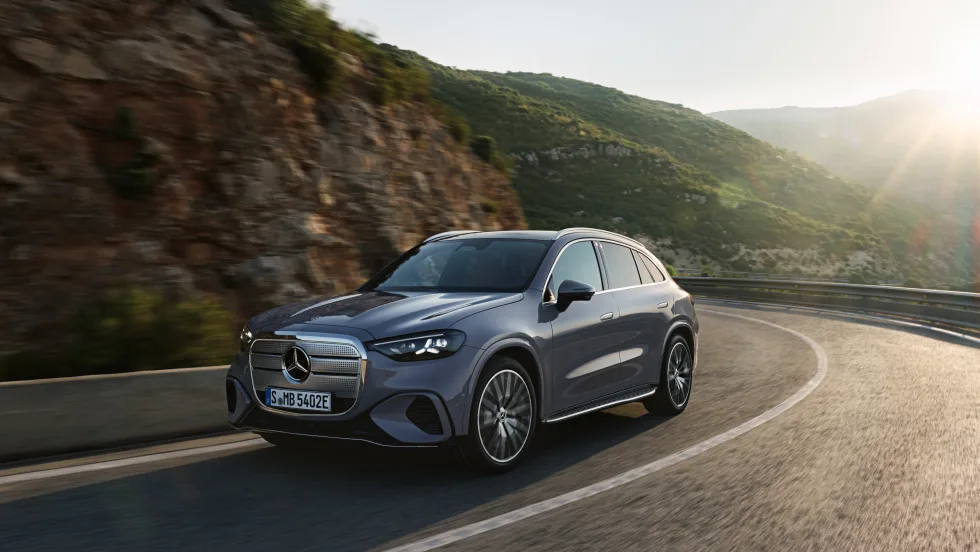
Mercedes-Benz Introduces Electric GLC With Up to 350 Miles of Range
The GLC 400 4MATIC Electric features an 800-volt architecture, 330-kW DC fast charging and a 94-kWh battery, along with Mercedes-Benz's new MB.OS operating system.
Read More →
Fleet Has a Talent Pipeline Problem, not a Talent Problem
Where will the next generation of fleet leaders come from, and what does the industry need to do differently to find them?
Read More →
Fleet Hacks: What Are You Still Doing Manually?
From daily recaps to repeatable workflows, fleet professionals share how AI can cut through busywork while keeping human judgment at the center.
Read More →
How One Fleet Manager Put a New Spin on Safety Training
Joe Lewis turned a pre-trip inspection lesson into an AI-assisted song, then four safety albums. The experiment also revealed why human oversight matters when AI enters driver training.
Read More →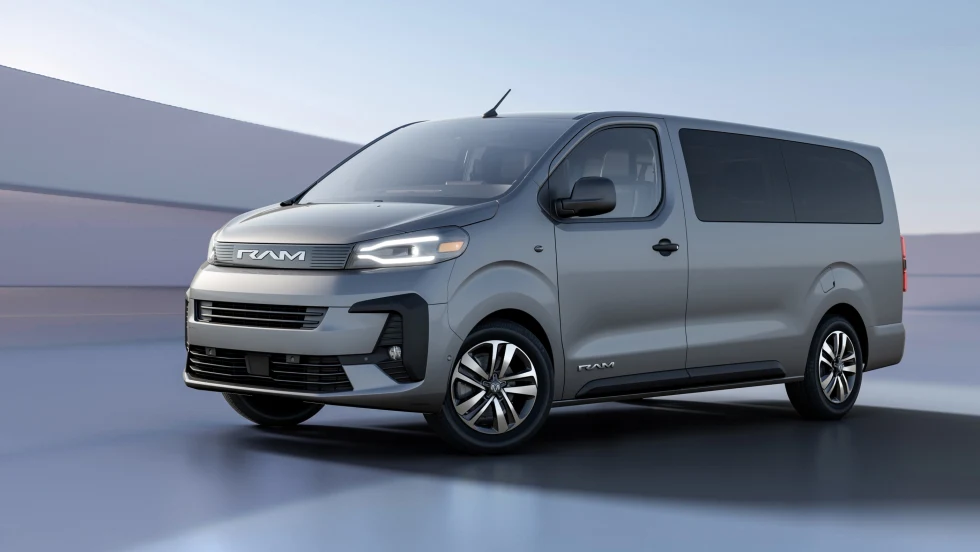
2027 Ram ProMaster City Starts Under $40K
Ram is returning to the smaller commercial van market with a new ProMaster City aimed at delivery, service, trade, and passenger applications. Starting at $39,995 with destination, the 2027 van offers up to 2,000 pounds of towing capacity, more than 2,000 pounds of payload, and multiple cargo and passenger configurations.
Read More →
New Tariff Threats & a Leadership Change at Wheels | AF News Recap
A new tariff threat is creating more uncertainty for fleet ordering, Wheels has named a new president, and we’re asking whether certification is really worth the investment.
Read More →
Certification: What’s in It for the Fleet Manager?
From smarter fleet decisions to stronger career credibility, certification can give fleet managers knowledge they may never gain inside a single operation.
Read More →
Wheels Names Matthew Cole President
Cole brings more than 30 years of automotive and technology experience to the fleet management company, including leadership roles at Aptiv, Visteon and Johnson Controls.
Read More →
AI is changing what fleet managers can build & 849,000 vehicles recalled | AF News Recap
Fleet managers are learning how to build their own AI-powered tools, Stellantis is recalling nearly 849,000 vehicles, and this year’s Fleet Manager of the Year finalists have been revealed. Additionally, we’re examining how to identify repairs that warrant a second look. Here’s what you need to know this week.
Read More →