




Shareholder Pressure for Carbon Disclosure Puts Corporate Fleets in the Cross Hairs
A record number of resolutions were filed during the 2009 proxy season by investor groups to get companies to voluntarily disclose data about their "carbon footprints," which includes the greenhouse gas (GHG) emissions caused directly and indirectly by their operations. These investors argue companies that disclose and mitigate GHG emissions will be rewarded with higher valuations and a lower cost of capital. At many companies, fleet represents a sizeable percent of their carbon footprint.

By Mike Antich
A record number of global warming resolutions were filed with 58 U.S. companies during the 2009 proxy season that occurs prior to annual shareholder meetings. These resolutions are part of a growing, organized effort by investor groups to get companies to voluntarily disclose data about their "carbon footprints," which typically includes the total set of greenhouse gas (GHG) emissions caused directly and indirectly by their operations. These investors are concerned future government GHG regulations will have a significant financial impact on corporations. They furthermore argue companies that disclose and mitigate GHG emissions will be rewarded with higher valuations and a lower cost of capital.
One example of this investor trend occurred earlier this year when Hertz committed to report to investors efforts to improve the fuel economy of its 500,000-vehicle global rental fleet and provide sustainability reporting. A similar, but unsuccessful effort, was made last June at the Avis Budget Group annual stockholder meeting to require the company to develop a reporting structure as to how it would reduce emissions by its rental vehicle fleet.
A leading proponent of corporate sustainability disclosure is Ceres, a national network of investors, environmental organizations, and public interest groups. Its mission is to integrate sustainability requirements into capital markets. Ceres President Mindy Lubber has been quoted as stating, "climate change is a bottom-line issue and investors have a right to know which companies are best positioned for the emerging clean energy global economy."
Of 575 companies surveyed by Gartner in the U.S. and 10 other countries, almost 19 percent have implemented a formalized carbon reporting structure. At many of these companies, fleet represents a sizeable percent of their carbon footprints and green fleet initiatives present for them a significant opportunity to demonstrate carbon reduction accountability. One example is Abbott, which in 2007 determined how many tons of carbon dioxide was emitted by its fleet to establish a GHG baseline. At that time, 11 percent of Abbott's emissions were generated by its 6,500-vehicle fleet. Abbott's fleet emission reductions support a corporate goal to reduce operational GHG to 10-percent below its 2004 levels by 2010. Similarly, other companies have also established fleet emission baselines, such as USG, sanofi-aventis, U.S. Foodservice, and Novartis. Among utilities, American Electric Power tracks carbon emissions generated by its vehicle fleets as part of a sophisticated system to track carbon and other emissions produced by its power plants.
In some instances, fleet is discovered to be less a factor than anticipated in GHG emissions. For instance, Coca-Cola has begun to voluntarily include "climate risk factors" in its annual 10-K report filed with the Securities & Exchange Commission (SEC). Coca-Cola, which pledged to eliminate 2 million tons of CO2 emissions from its global manufacturing operations by 2015, expected most emissions to be generated by its truck fleet and manufacturing operations. Instead, Coca-Cola discovered the largest contributor of GHG emissions was from its 9 million coolers and vending machines, which generate 15 million metric tons of emissions annually. This dwarfs the 3 million metric tons emitted by its entire diesel truck delivery fleet.
Proposal to Mandate Carbon Disclosure in SEC Filings
A growing number of investors, state officials, and environmental groups are lobbying the U.S. Congress to mandate climate change disclosures in SEC filings. Presently, the SEC doesn't require companies to disclose financial risks related to GHG emissions.
On June 12, 41 investors sent a letter to Mary Schapiro, SEC chairwoman, urging her to take steps to require disclosure of "climate change-related risks" in securities filings. The letter's signatories, representing $1.4 trillion in assets under management, included treasurers, comptrollers, controllers, asset managers, and institutional investors such as the California Public Employees' Retirement System (CalPERS); the American Federation of State, County, and Municipal Employees (AFSCME); and the New York City Employee Retirement System (NYCERS).
Other federal legislation on the horizon would institutionalize carbon footprint disclosure. For instance, the American Clean Energy and Security Act (also known as Waxman-Markey) was passed by the U.S. House of Representatives on June 26, but is yet to be passed by the U.S. Senate. The bill would mandate a nearly 20-percent carbon emission reduction by 2020. The bill also creates a cap-and-trade system for carbon emissions. In many energy and resource industries, the EPA requires new carbon emissions disclosures for 2010 to be reported in 2011.
As corporations deliberate about voluntary GHG disclosures, there are concerns about potential legal liabilities. As a precaution, these companies are considering specialized directors' and officers' (D&O) liability insurance coverage to protect senior management from potential lawsuits. One thing is clear, however. When corporations begin investigating D&O insurance, it validates (at least in my mind) that corporate disclosure of GHG is a real and growing trend.
Let me know what you think.
mike.antich@bobit.com
More Blog Posts

Fleets Want Trust Restored with Suppliers
During this period of ongoing supply constraints, the trust that fleet managers had with OEMs, upfitters, and dealers has been strained. Fleet managers say they have had too many experiences over the past three years coping with erroneous information, adjusting to multiple price increases, and feeling betrayed by inadequate transparency from suppliers.
Read More →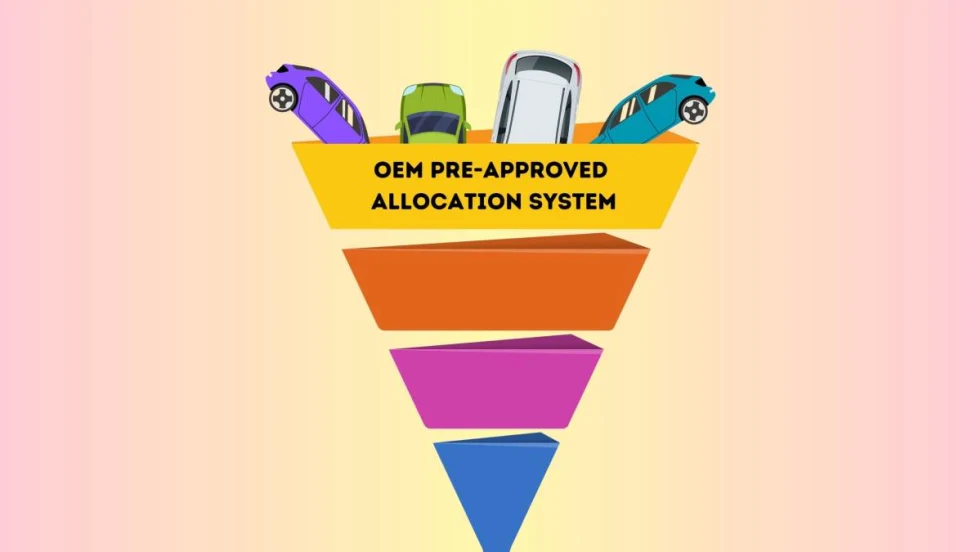
Scheduled Replacement Cycles Are Becoming a Distant Memory
The ongoing difficulty in sourcing replacement vehicles is forcing companies to extend the service lives of vehicles that are unable to be replaced, which, inevitably, increases unscheduled maintenance expenses.
Read More →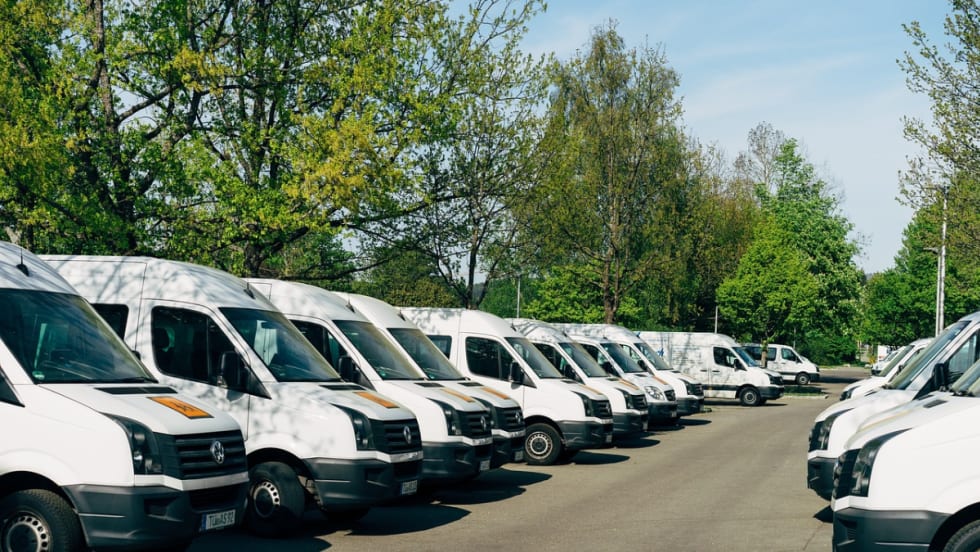
Fleet Simplification is the Antidote to Asset Variability
Fleet simplification identifies asset functions to uncover commonality among the equipment and assets. Simplification increases operational efficiency as end-users become accustomed to the controls, displays, and operation of less diverse units.
Read More →
The Dangers of Static Fleet Policies
A fleet policy is a living document, flexible enough to adapt to evolving business priorities, developing industry trends, and changing industry best practices and standards.
Read More →
Short-Term vs. Long-Term Cost Reductions
Corporate procurement staff are often driven by short-term, immediate cost reductions. However, a longer perspective to soft cost savings is critical because fixating on short-term results will hurt a company in the long run.
Read More →
Uptick in Unscheduled Maintenance Increasing Vehicle Downtime
Fleet data analysis can identify recurring downtime issues. It’s important to determine the root causes of downtime so procedures can be developed to minimize such problems.
Read More →
Eliminate Needless Curb Weight to Maximize ICE & EV Efficiencies
Vehicle weight relates directly to fuel economy. In today’s era of electrification, there is also a direct correlation between vehicle weight and battery range.
Read More →
Tech Dependence Risks Dumbing Down Fleet Manager Expertise
The line between creative thinking and problem solving and doing what the data indicates is thin. To lead in fleet management, you need to balance understanding the fundamentals and embracing what smart technology offers.
Read More →
Leverage the Synergy of Safe Driving to Achieve Sustainability and Cost Goals
Safe driving, emission reductions, and cost containment can all be achieved at the same time.
Read More →
The Playbook for Fleet Manager Success
There are many paths to success — most of them involve being flexible, open-minded, and willing to learn.
Read More →