




Master the Basics of Alt Fuel Vehicles
When you read a newspaper or website, you’re finding a lot of coverage of battery-powered cars, which for now are the heart and soul of the green car movement. Sometimes it gets a bit confusing for readers to sift through the acronyms. Here’s a simple guide to breaking electrics into three categories.
LONG BEACH, Calif. — Most of the battery-powered cars on the road today are gas-electric hybrids, usually just called hybrids (think Prius). These are officially called HEVs — hybrid electric vehicles. Toyota has sold more than a million of them in the U.S. so far, and is competing with Honda to dominate the global hybrid market.
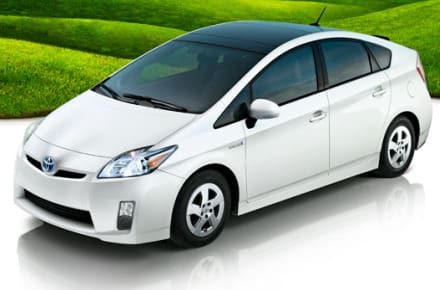
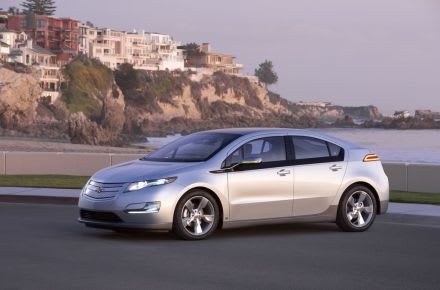
The electrics getting the most attention this year are plug-ins. The up and coming plug-in hybrid electric vehicles (PHEVs) are being pushed forward by the Obama administration, by General Motors through the upcoming Chevy Volt, and are the focus of at least two industry conferences this year (one of them, Plug-in 2009, is coming up in August at the Long Beach Convention Center).
Plug-ins, like HEVs, have onboard internal combustion engines that charge batteries or otherwise provide electricity to electric motors. What makes a PHEV different from an HEV is its ability to charge the batteries by plugging the vehicle into grid-provided electricity. This can mean plugging into electricity outlets at your house, work, parking lot, fuel station, etc. PHEVs have the capacity to be even more fuel efficient than an HEV.
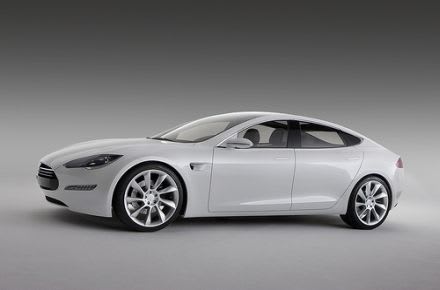
And finally there's the EV, electric vehicle, sometimes called a BEV, or battery electric vehicle. An EV must be plugged in to obtain energy to drive the vehicle and has a range limited by the battery pack. The historic reference point always goes back to GM's EV1, which started and failed in the late 1990s. Today, there are several specialty OEMs making electrics (think Tesla, Miles Electric Vehicles, and ZAP Electric Cars).
So that's it. It's good to have these categories simplified. There's a lot of content focused these days on electric cars, and it appears to becoming the foundation of green cars in the world. There are others to keep your eyes on - vehicles powered by biofuels/flex fuels, compressed natural gas, propane, and hydrogen fuel cells, in particular. But hybrids, plug-ins, and pure electrics are the focal point right now.
Jon LeSage is chief creative officer of LeSage Communications, based in Long Beach, Calif., and provides research and editorial content on green cars and transportation trends. He can be reached at jon@lesagecommunications.com.
Originally posted on Charged Fleet
More Global Fleet

Holman Takes Full Ownership of ARIZA in Mexico
Holman is bringing its Mexican fleet management operation fully under its own brand after more than 30 years as a joint venture. The change gives multinational fleet customers a single Holman operation across the U.S., Canada, and Mexico.
Read More →
Proven Ways to Reduce Work Truck Downtime
The age-old problem of downtime will always be a reality, but with new strategies at hand, fleets have more ways to keep trucks on the road longer.
Read More →
The Top 300 Commercial Fleets
The Top 300 Commercial Fleets: See the List
Read More →

Cameras, Safety and Insurance: From Reactive Claims to Real-Time Prevention (Part 2 of 2)
Part Two: Commercial auto remains one of the most challenging and costly lines of coverage for fleet operators and insurers alike. Continue learning more about how to effectively address these issues from Onur Aksan, Enterprise Business Development Executive, Geotab
Read More →
Cameras, Safety and Insurance: From Reactive Claims to Real-time Prevention
Commercial auto remains one of the most challenging and costly lines of coverage for fleet operators and insurers alike. Learn more about how to effectively address these issues from Onur Aksan, Enterprise Business Development Executive, Geotab.
Read More →
Fleet Costs Are Rising: Here’s How Leaders Are Responding
Fleet leaders are under pressure to reduce costs, adapt to economic uncertainty, and make smarter decisions. See how peers across North America are responding with real data, proven strategies, and forward-looking insights. Download the 2026 Market Pulse Report to benchmark your strategy and uncover where you can gain an edge.
Read More →
Enterprise Fleet Management Surpasses 900,000 Vehicles in U.S. & Canada
Enterprise Mobility connects with mobility solutions around the globe
Read More →
Automotive Fleet's Guide to Fleet Electrification
Unlock the secrets to a successful transition to electric fleets with Automotive Fleet's comprehensive Fleet Electrification Guide!
Read More →
Sumitomo Rubber Industries to Acquire Viaduct
Viaduct will join Sumitomo as an independent subsidiary. Partnership strengthens global reach and accelerates AI-driven innovation for fleets and manufacturing.
Read More →