


 MENU
MENU SEARCHMENUSEARCH
RIVERSIDE, CA -- Researchers at the University of California, Riverside along with their research partners have received a $1.2 million grant from the Department of Energy to study and evaluate technologies that provide feedback to drivers so they can cut harmful emissions and reduce fuel use by up to 30 percent.
Read More →WASHINGTON -- U.S. Energy Secretary Steven Chu on Aug. 10 announced more than $175 million in grants over the next three to five years to accelerate development and deployment of advanced vehicle technologies.
Read More →WASHINGTON -- President Barack Obama announced an agreement with 13 automakers to increase the corporate average fuel economy (CAFE) standard to 54.5 miles per gallon for cars and light-duty trucks by model-year 2025.
Read More →If you want to green your fleet by reducing emissions, you need to decrease fuel consumption. Up to 30 percent of a vehicle's fuel efficiency is impacted by driver behavior. The way an employee drives make a big difference in the volume of greenhouse gas (GHG) emissions emitted by a company vehicle. Every unnecessary gallon of diesel burned creates 22.1 lbs. of CO2. The quickest way to reduce fuel consumption is to modify employee driving behavior.
Read More →MAYFIELD, OH - The Progressive Corp. has been able to make its company fleet "greener" by replacing its larger, gas-consuming vehicles with four-cylinder models.
Read More →EDEN PRAIRIE, MN -- GE Capital Fleet Services has launched a new interactive eco website that’s dedicated to alternative-fuel vehicles and services.
Read More →SAN FRANCISCO – Ford researchers are harnessing the power of cloud computing, analytics and Google innovation to identify technologies that could make tomorrow’s vehicles smart enough to independently change how they perform to deliver optimal fuel efficiency.
Read More →ROCHESTER, NY - General Motors announced April 12 it will invest $100 million to purchase tooling and equipment to make future automotive components at its GM Components Holdings (GMCH) Rochester Operations.
Read More →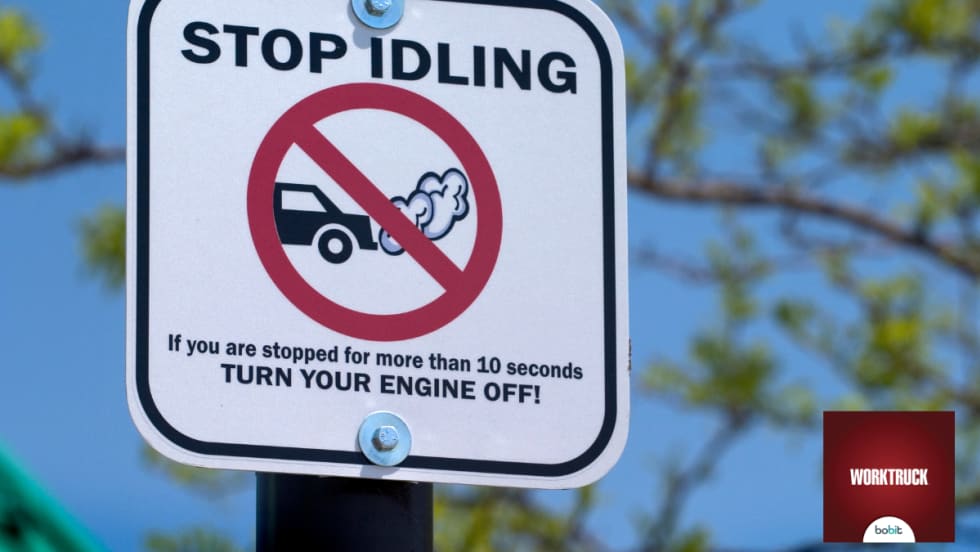
Automatically controlling idling with engine idle limiters can help produce fuel economy savings, lower maintenance costs, and diminish a fleet’s carbon footprint.
Read More →
In many cases, replacing an old fleet vehicle engine with a rebuilt or remanufactured engine is more cost-effective than buying a new car or truck.
Read More →