




Zonar Releases Fuel-Based GPS Tracking Technology
SEATTLE, WA - Zonar, provider of electronic fleet inspection, tracking, and operations systems, announced the availability of a new patent-pending technology that adds fuel as a fifth dimension to the firm's HD-GPS reporting.
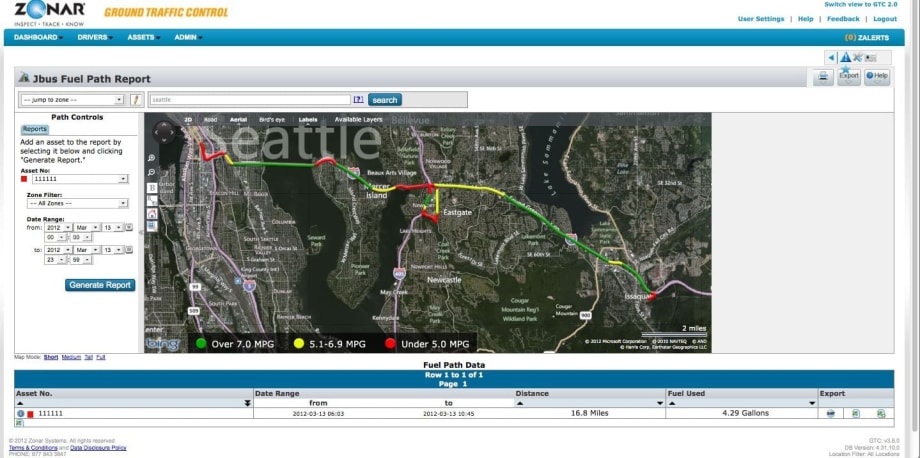
Screencapture via Zonar.
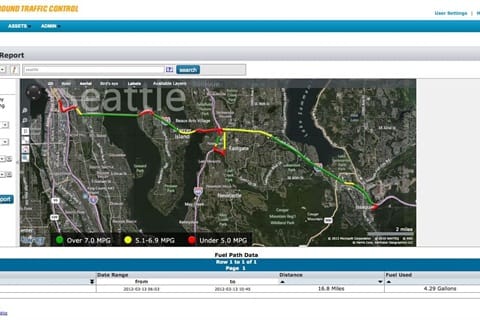
Screencapture via Zonar.
SEATTLE, WA - Zonar, provider of electronic fleet inspection, tracking, and operations systems, announced the availability of a new patent-pending technology that adds fuel as a fifth dimension to the firm's HD-GPS reporting.
Utilized by private and public fleets, Zonar's vehicle telematics platforms have always utilized four-dimensional -- latitude, longitude, time, and odometer -- GPS reporting. This methodology offers users the highest value at a very competitive cost because it ensures data is captured and transmitted only when it needs to be, not just based upon an established time cycle. Now, with the addition of fuel as the fifth dimension, Zonar's telematics platforms will not only determine sample rates based on geographical data, but also fuel consumption.
"Our unique sampling methodology accounts for route and driving changes. For example, if a vehicle is driving in the city with frequent stops and turns, the computer samples much more frequently than if the vehicle is running down a long straight highway," said Mike McQuade, Zonar's chief technical officer.
Employing Zonar's patent-pending technology, fleets will now be able to easily identify, with tremendous detail, the routes and lanes over which their vehicles are most and least fuel efficient. The GPS sampling density increases when fuel consumption increases or "spikes" and relaxes when fuel consumption decreases or is relatively static.
"Fuel is the number one variable cost for fleets. Incremental decreases in fuel consumption can greatly impact the bottom line," added McQuade. "With our telematics platforms, fleets improve their ability to measure fuel consumption and that information is coupled with a litany of other essential data elements including speed, vehicle health, and load to name a few."
In addition to five-dimensional data sampling, Zonar's telematics platforms transmit engine fault codes and verified electronic vehicle inspection data in real-time. This information alerts maintenance personnel to potential service events and provides the ability to remotely diagnose vehicles in the case of a malfunction.
Also captured and transmitted in real-time is a robust set of driver performance metrics including, but not limited to accelerating too quickly, hard braking, excessive idling, anti-lock brake system (ABS) activation, and roll stability control (RSC) activation. All of the data captured is available instantly through Zonar's secure, Web-based Ground Traffic Control (GTC) fleet management portal. GTC not only presents the data via dashboards and traditional reporting, but also employs push technology to send alerts via text message, email, and screen pops to notify the proper personnel when a vehicle or driver is performing outside acceptable parameters.
More Fuel
Fuel Prices Surge in September | September Fuel Update
September brought major fuel price swings, including diesel crossing $6 a gallon. Here’s how gas and diesel prices changed throughout the month, and where they stood heading into October.
Read More →
Turning Fleet Payment Data into Executive Insights
Ramel Lindsay of U.S. Bank Voyager discusses how fleets can transform payment and transaction data into actionable intelligence to reduce costs, improve oversight, and support executive decision-making.
Read More →
Why the IRS Raised Its Mileage Rate in the Middle of 2026
Fuel-price volatility drove the rare increase to 76 cents per mile, the fifth midyear adjustment since 2000.
Read More →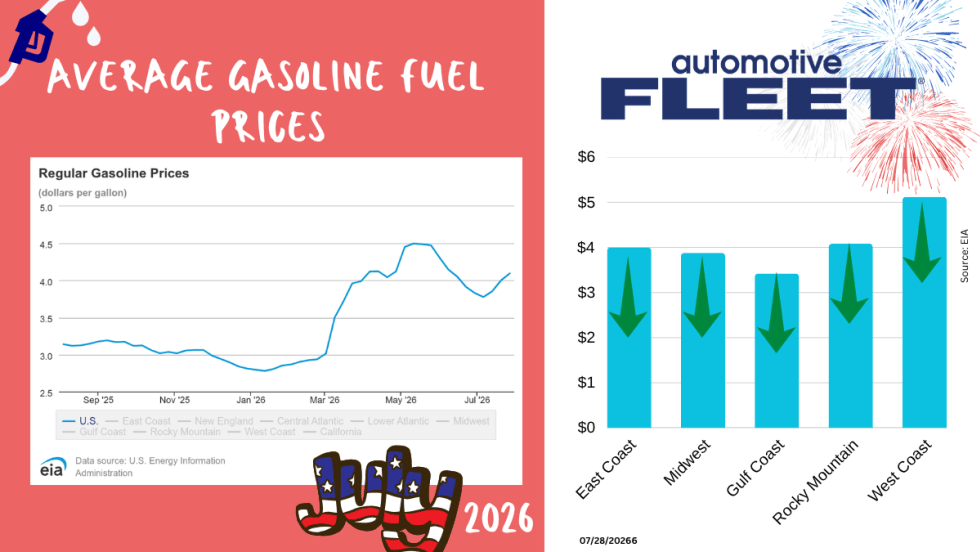
July Fuel Update: Prices Keep Rising in Light of More Conflict
Gas prices continue to rise as more and more conflicts do, too.
Read More →
Bob Adamsky on Fuel Volatility: "Don't Panic, Have a Plan."
When it comes to up and down fuel prices, Adamsky has a message for fleets: “Don’t panic.”
Read More →
How Fleets Can Gain Control of Non-Fuel Spend
Fuel often gets the spotlight, but non-fuel expenses can have a major impact on fleet costs. Ramel Lindsay of U.S. Bank Voyager discusses how fleets can gain better visibility and control over these often-overlooked expenditures.
Read More →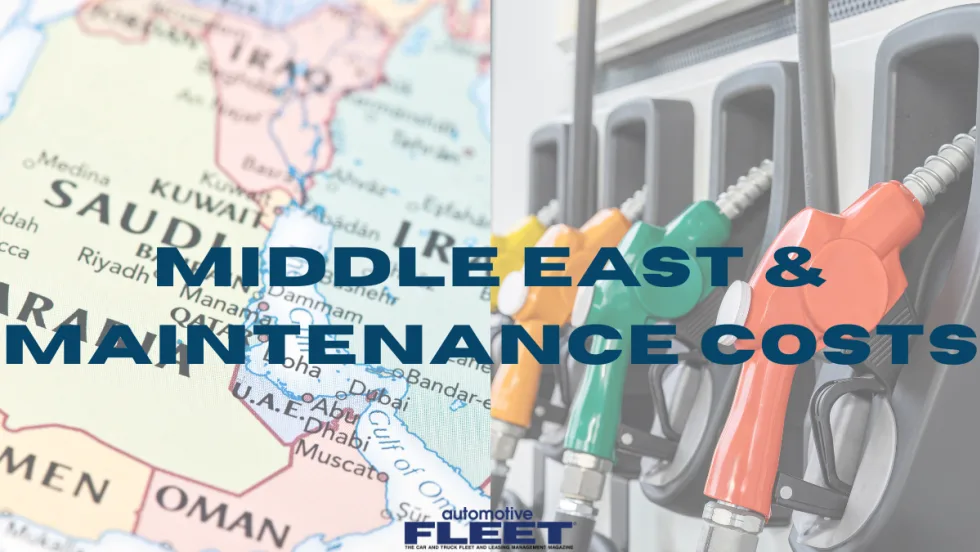
Fuel is Just the Start: How Middle East Tensions are Driving Up Fleet Maintenance Costs
The Middle East conflict is doing more than pushing up fuel prices. It’s also raising the cost of key maintenance products your fleet depends on, from motor oil to tires to windshield wipers. Here’s what you need to know about this budget-busting situation.
Read More →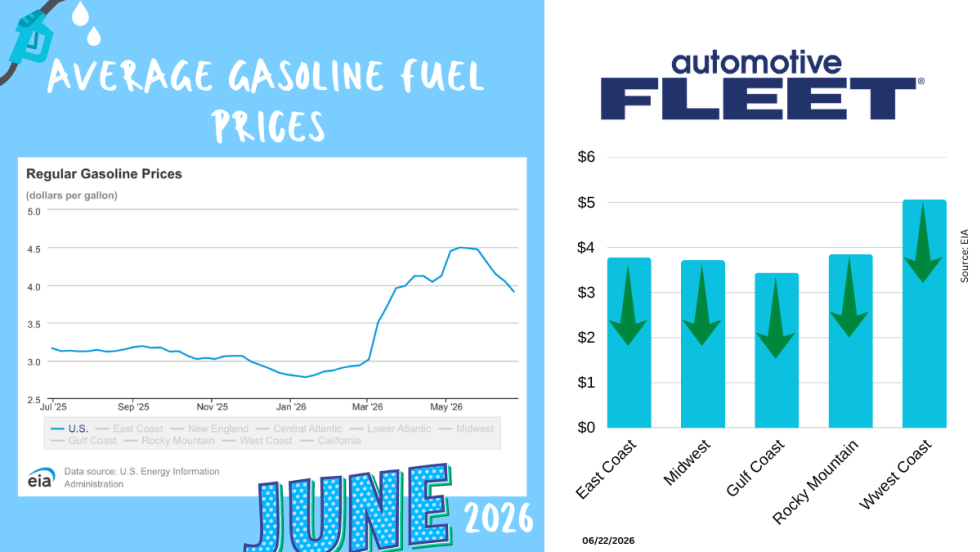
June Fuel Update: Prices Fall Below $4
Drivers are finally getting some relief at the pump. The national average gas price has dropped below $4 a gallon for the first time in months, with prices falling in 47 states as oil markets react to developments in U.S.-Iran negotiations.
Read More →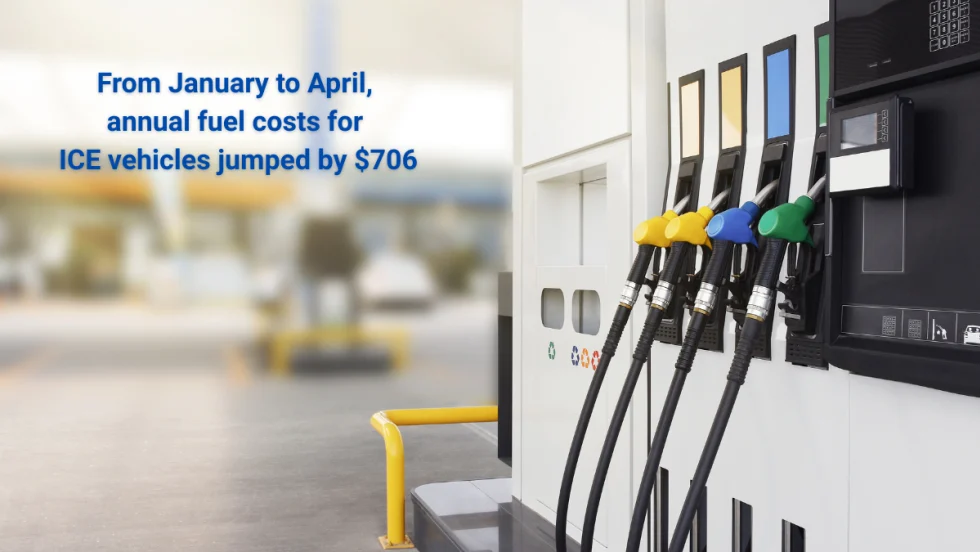
Study: How 2026's Gas Price Hikes Affect Different Vehicle Types
New data from iSeeCars reveals how rising fuel costs have affected different vehicle segments as gasoline prices climbed nearly 46% over the past four months.
Read More →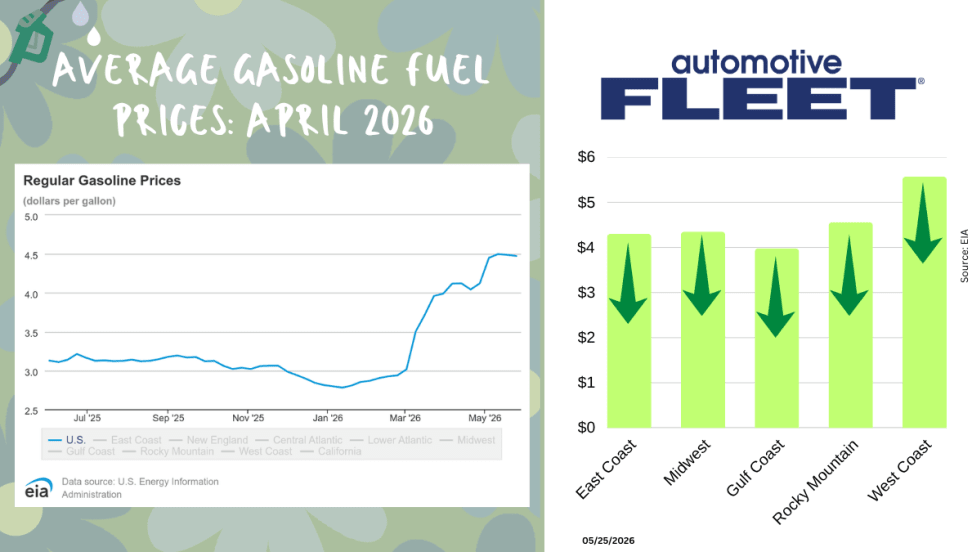
May Fuel Update: All Regions Experience Declines
Gas prices are finally easing in much of the country, but experts warn global tensions could quickly reverse the trend as the national average remains well above last month’s levels.
Read More →