




Washington State Considers Bolstering Role of Biofuel
OLYMPIA, Wash. --- Washington state legislators are considering bills proposing loans and tax breaks to the alternative-fuel industry and requiring oil companies to include Washington-produced vegetable fuels in their products, according to a report in the Seattle Post Intelligencer Reporter.
OLYMPIA, Wash. --- Washington state legislators are considering bills proposing loans and tax breaks to the alternative-fuel industry and requiring oil companies to include Washington-produced vegetable fuels to their products, according to a report in the Seattle Post Intelligencer Reporter. One bill (HB2393) features an emergency clause to let farmers know whether the refining capacity for fuel crops will be in place if they plant seeds this spring. The bill is part of the House Democrats’ Energy Freedom Loan Account, the newspaper said. Legislators backing these efforts have said their approach has three main components: incentives, infrastructure investment and renewable fuel standards. The latter component figures to stir the most debate. One bill (HB2666) proposes that all diesel sold in the state has at least 2 percent biodiesel and that regular gasoline contains 10 percent ethanol. But Rep. Janea Holmquist (R-Moses Lake) told the newspaper that the state would need to provide about 10 million gallons of biodiesel annually to make the mandate feasible. Some legislators, however, have argued against imposing such mandates. Meanwhile, Washington’s Snohomish County has switched part of its vehicle fleet to biodiesel, according to a report in the Seattle Times. About 275 of the county’s 1,500 vehicles have made the switch as part of a one-year pilot project. As a result, about 16,000 to 20,000 gallons of traditional diesel have been replaced with biodiesel each month. The biodiesel consists of about 20 percent pressed oils from mustard and rapeseed and 80 percent low-sulfur diesel. Petrocard, a commercial fuel supplier, provides the biodiesel to the county.
More Fuel
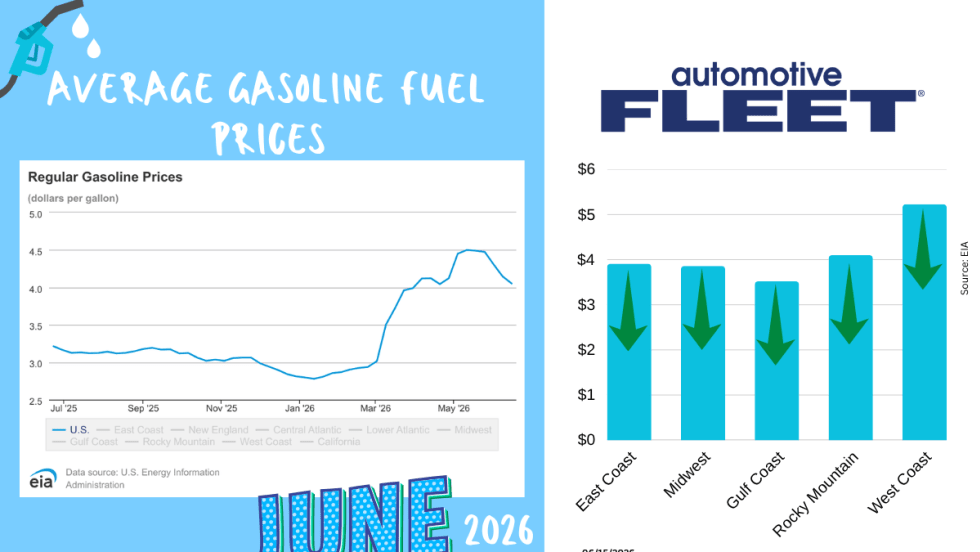
June Fuel Update: Prices Fall Below $4
Drivers are finally getting some relief at the pump. The national average gas price has dropped below $4 a gallon for the first time in months, with prices falling in 47 states as oil markets react to developments in U.S.-Iran negotiations.
Read More →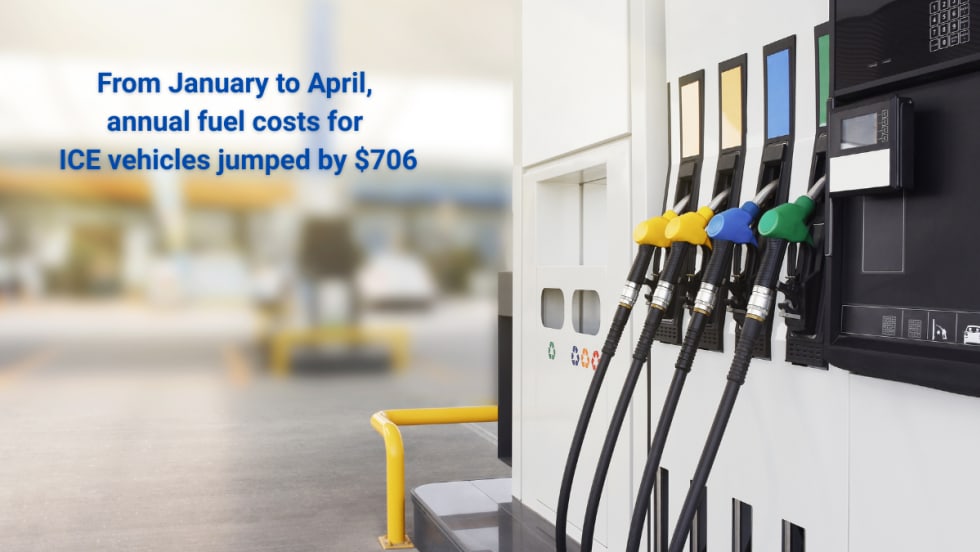
Study: How 2026's Gas Price Hikes Affect Different Vehicle Types
New data from iSeeCars reveals how rising fuel costs have affected different vehicle segments as gasoline prices climbed nearly 46% over the past four months.
Read More →
Are You Tracking Your Fleet's True Total Cost of Ownership?
Bobit Business Media surveyed 190 fleet professionals and found that while most fleets are tracking costs, fragmented systems and data gaps are keeping true TCO visibility out of reach. With rising pressure to control spend in an increasingly volatile environment, the gap between what fleets think they know and what the data actually shows is wider than you might expect. See how your peers are managing costs today and where the industry still has room to improve.
Read More →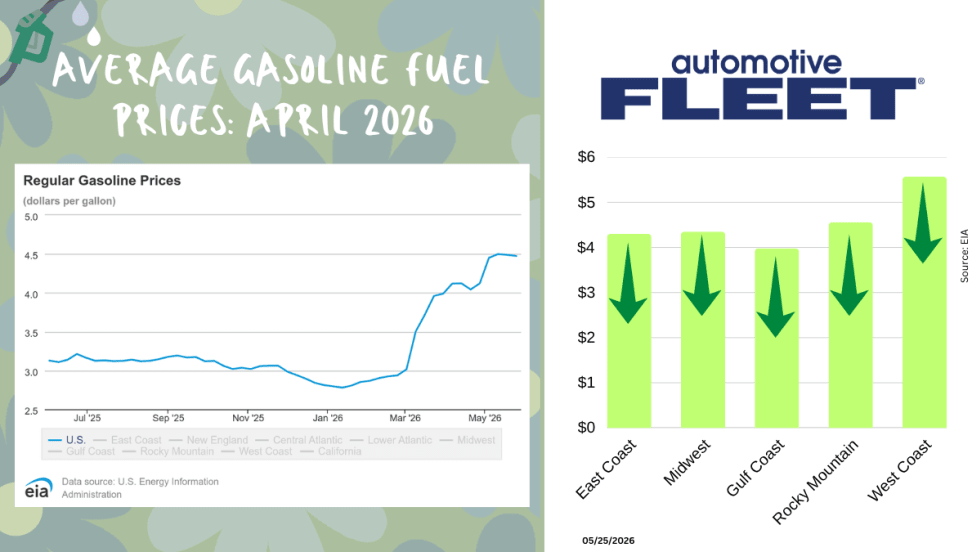
May Fuel Update: All Regions Experience Declines
Gas prices are finally easing in much of the country, but experts warn global tensions could quickly reverse the trend as the national average remains well above last month’s levels.
Read More →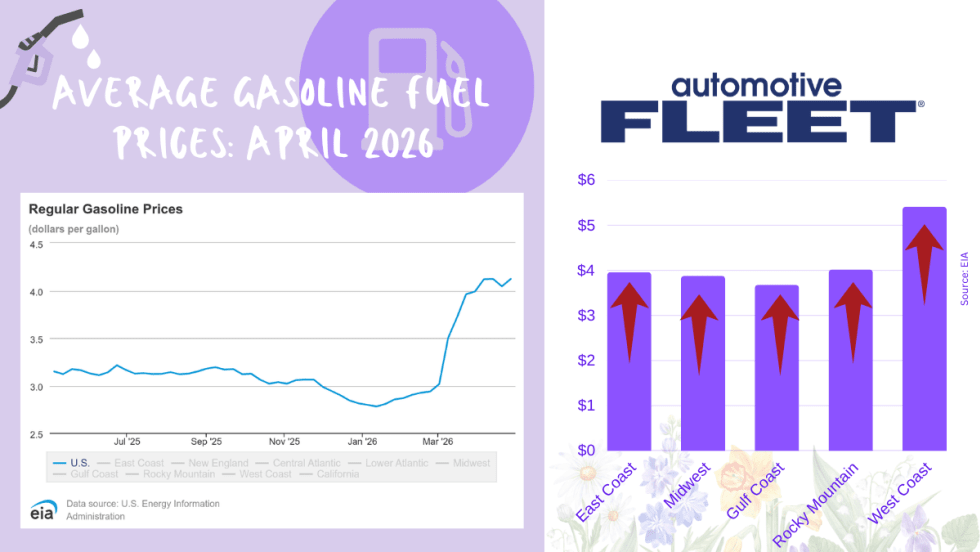
April Fuel Update: Prices Climb Above $4 as Spring Surge Accelerates
National average jumps to $4.04 per gallon, up sharply from last year, with West Coast prices topping $5 and further increases expected amid rising oil tensions.
Read More →
Tips from Fleet Managers on Saving Fuel Costs
Fleet leaders share practical strategies to reduce fuel spend through smarter policy, routing, and driver guidance.
Read More →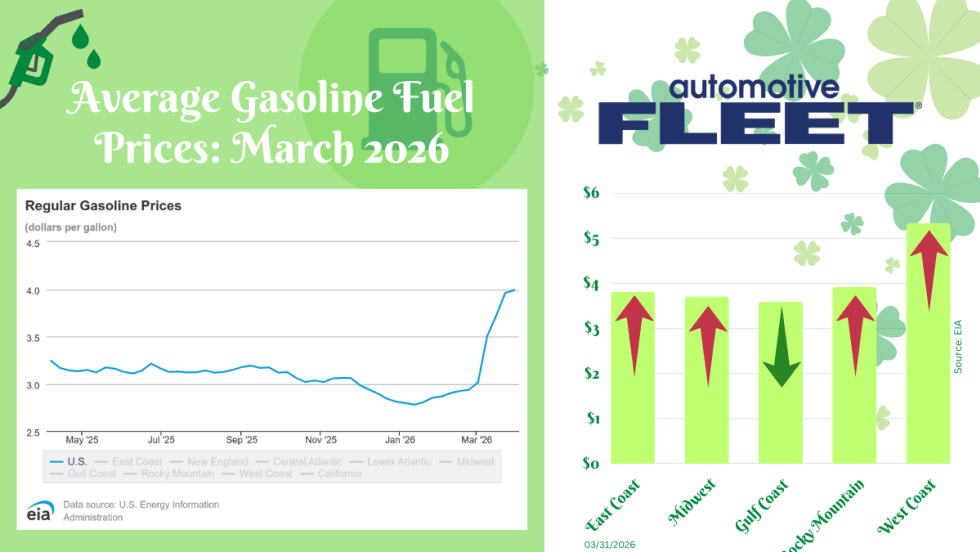
March Fuel Update: Prices Settle With a $4 Average
Fuel prices significantly slowed this week, but a $4 national average is still expected.
Read More →
Bob Adamsky on Fuel Volatility: “Don’t Panic — Have a Plan”
With oil prices rising again, AWP Safety’s fleet manager shares how to respond to rising fuel costs and how the right strategy can turn fuel spikes into cost-saving opportunities.
Read More →
Oil Market Turbulence Is Complicating Fleet Cost Planning
Rapid swings in crude oil prices driven by the conflict in the Middle East could create longer-term cost pressures for fleets, affecting fuel prices, supply chains, and vehicle strategy, says NTEA’s Andrew Wrobel.
Read More →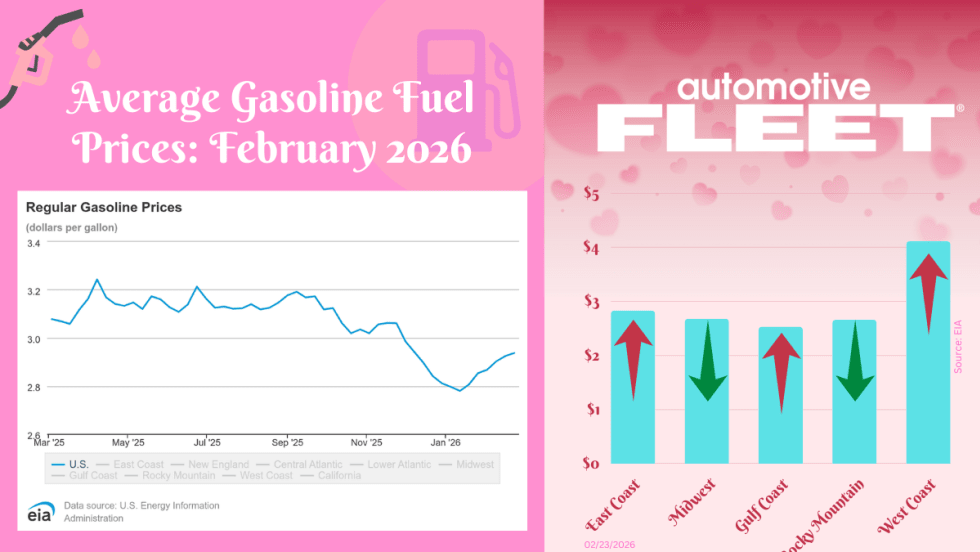
February Fuel Update: Prices Inch Higher for Third Week in a Row
The final February fuel update reveals prices continuing to inch higher for the third week in a row.
Read More →