




Volvo Trucks Introduces Fuel Efficiency Initiative
GREENSBORO, NC --- Volvo Trucks North America has unveiled its Fuelwatch initiative to help fleet managers and truck operators improve fuel economy.
GREENSBORO, NC --- Volvo Trucks North America has unveiled its Fuelwatch initiative to help fleet managers and truck operators improve fuel economy.
Fuelwatch is a comprehensive approach to get the most out of each gallon of fuel, encompassing vehicle spec’ing, maintenance, performance monitoring and driver behavior, the company said. Volvo introduced Fuelwatch at the Great American Trucking Show in Dallas.
A major element of Fuelwatch will be driver training. Beginning in early 2009, Volvo will have driver trainers in each of its five sales regions to work directly with fleets and their drivers to teach how to increase fuel economy.
"Based on Volvo's experience, customers who fully utilize the Fuelwatch tools and techniques can significantly lower their operating costs by addressing the critical areas that affect fuel economy," said Scott Kress, Volvo senior vice president for sales and marketing.
The Fuelwatch initiative has four major elements:
• Correct specifications. Before the truck is even built, its components and design are precisely matched to its intended application. Customers work with their Volvo Truck dealer and Volvo's Predictor software tool to select the most fuel-efficient spec for the job, taking into consideration terrain, desired cruising speed, vehicle loading, application and other factors. The goal is to ensure the right combination of all drivetrain components, including gear and axle ratios, transmission and engine ratings to ensure optimal fuel economy, performance and productivity. Volvo's truck ordering system also helps select the most aerodynamic configuration for the truck.
• Maintaining for fuel savings. Without proper maintenance, wear and tear on the truck, over time, drags down fuel economy and raises costs. Fuelwatch helps Volvo customers keep up with scheduled preventive maintenance, which is critical. Lack of proper attention to wheel alignment as well as fuel and cooling systems can each reduce fuel efficiency up to 3 percent, while air system losses can result in a 4 percent hit. Tire pressure sensors and the ability to reprogram engine power ratings to match a change in application also contribute to better fuel economy.
• Monitoring performance. Volvo Link and Sentry allow fleet managers to monitor critical functions of the truck so they can identify and make adjustments to enhance fuel economy. Volvo Link also provides access to services for optimizing operations, such as fuel tax reporting, vehicle location tracking and route planning. And all customers gain uptime support through Sentry's access to Volvo Action Service, a 24/7 roadside assistance program. Volvo Link, with two years of Sentry service, is standard on all new Volvo trucks.
• Driver development. Nothing has a greater impact on fuel economy than the driver. In addition to the forthcoming driver training, Volvo offers drivers many aids. As an integrated manufacturer of powertrains and trucks, Volvo can provide sophisticated assistance to drivers in a straightforward way. In fact, Volvo's Performance Guide is a ride-along "coach" that tells the driver how to operate the engine for maximum fuel economy. Performance Guide is visible in the driver instrument display and uses icons to guide the driver on correct RPM, acceleration and staying in the engine's "sweet spot." This can be combined with Volvo's Performance Bonus to provide the driver with incentives for maximizing time in the sweet spot.
"We think the days of inexpensive fuel are over, and the trucking industry must adapt to this new reality," said Kress. "Fuelwatch is not a switch that fleets can throw or a part they can bolt on a truck. This is a partnership between Volvo, our customers and our dealers involving a comprehensive approach to improving fuel economy tailored to the individual customer. We're confident the Fuelwatch process will play an important role in their success."
More Fuel

Turning Fleet Payment Data into Executive Insights
Ramel Lindsay of U.S. Bank Voyager discusses how fleets can transform payment and transaction data into actionable intelligence to reduce costs, improve oversight, and support executive decision-making.
Read More →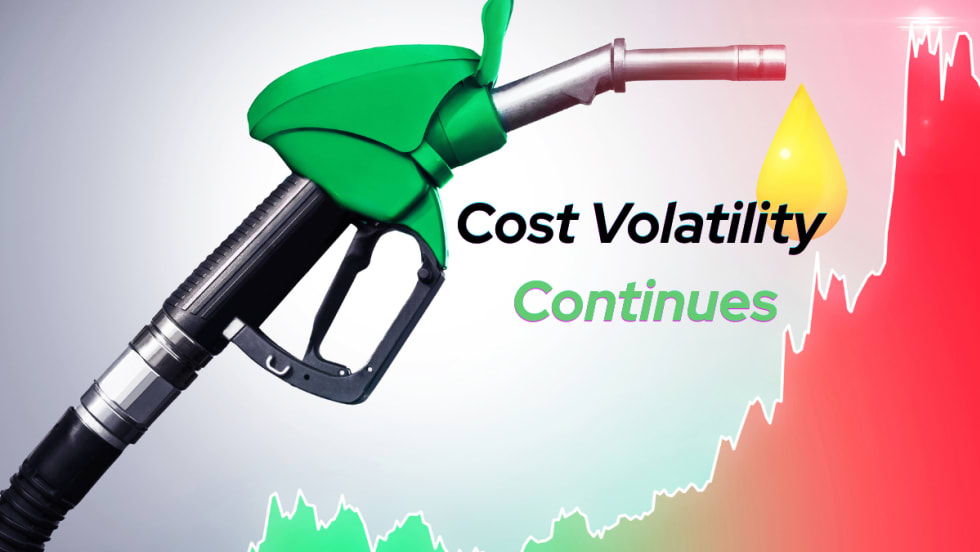
Why the IRS Raised Its Mileage Rate in the Middle of 2026
Fuel-price volatility drove the rare increase to 76 cents per mile, the fifth midyear adjustment since 2000.
Read More →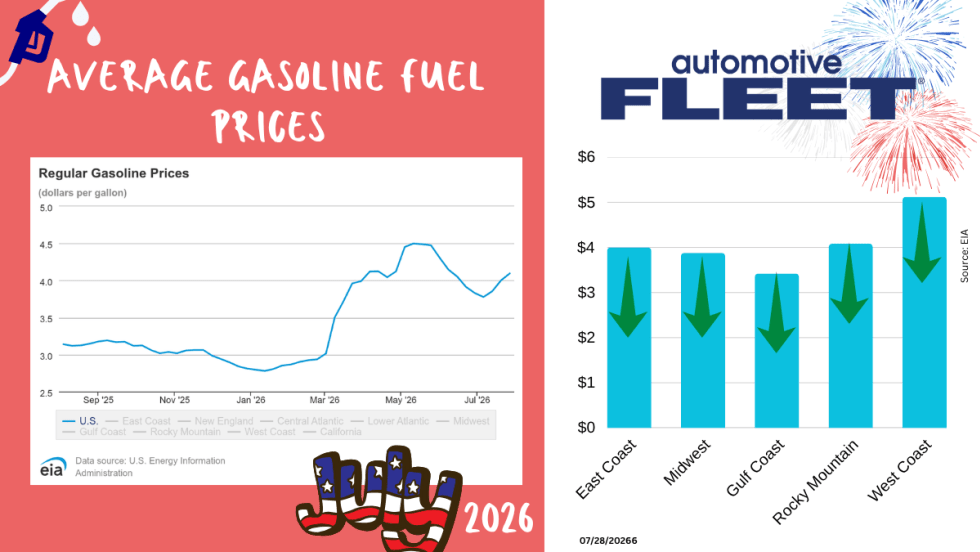
July Fuel Update: Prices Keep Rising in Light of More Conflict
Gas prices continue to rise as more and more conflicts do, too.
Read More →
Bob Adamsky on Fuel Volatility: "Don't Panic, Have a Plan."
When it comes to up and down fuel prices, Adamsky has a message for fleets: “Don’t panic.”
Read More →
How Fleets Can Gain Control of Non-Fuel Spend
Fuel often gets the spotlight, but non-fuel expenses can have a major impact on fleet costs. Ramel Lindsay of U.S. Bank Voyager discusses how fleets can gain better visibility and control over these often-overlooked expenditures.
Read More →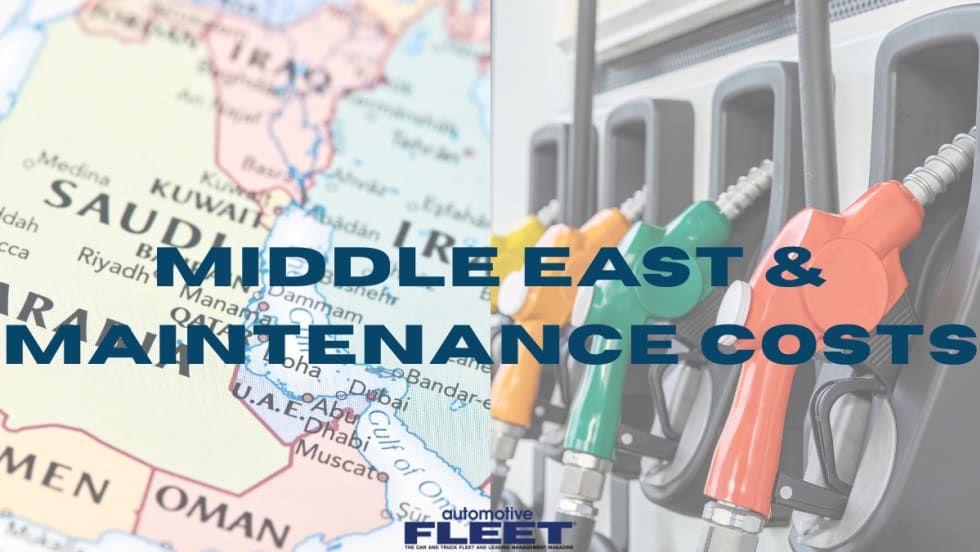
Fuel is Just the Start: How Middle East Tensions are Driving Up Fleet Maintenance Costs
The Middle East conflict is doing more than pushing up fuel prices. It’s also raising the cost of key maintenance products your fleet depends on, from motor oil to tires to windshield wipers. Here’s what you need to know about this budget-busting situation.
Read More →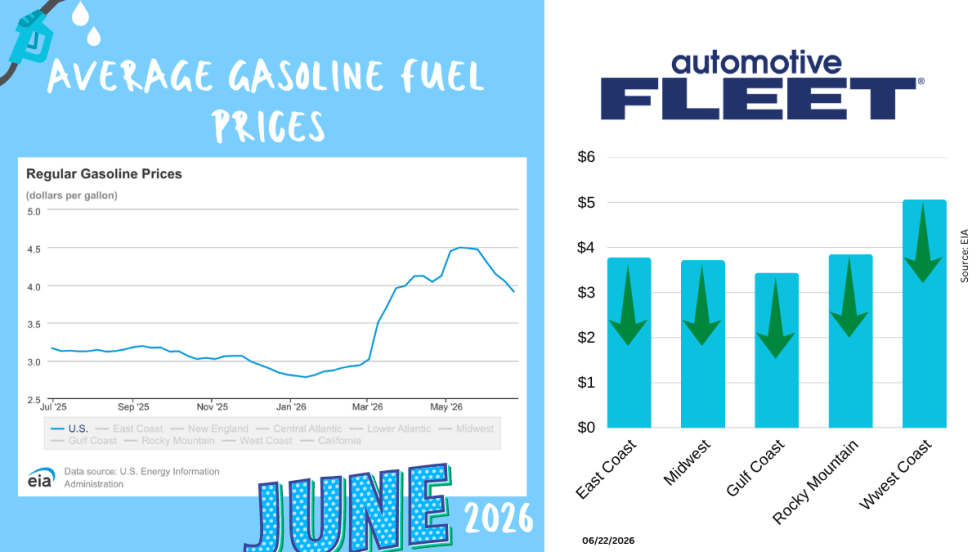
June Fuel Update: Prices Fall Below $4
Drivers are finally getting some relief at the pump. The national average gas price has dropped below $4 a gallon for the first time in months, with prices falling in 47 states as oil markets react to developments in U.S.-Iran negotiations.
Read More →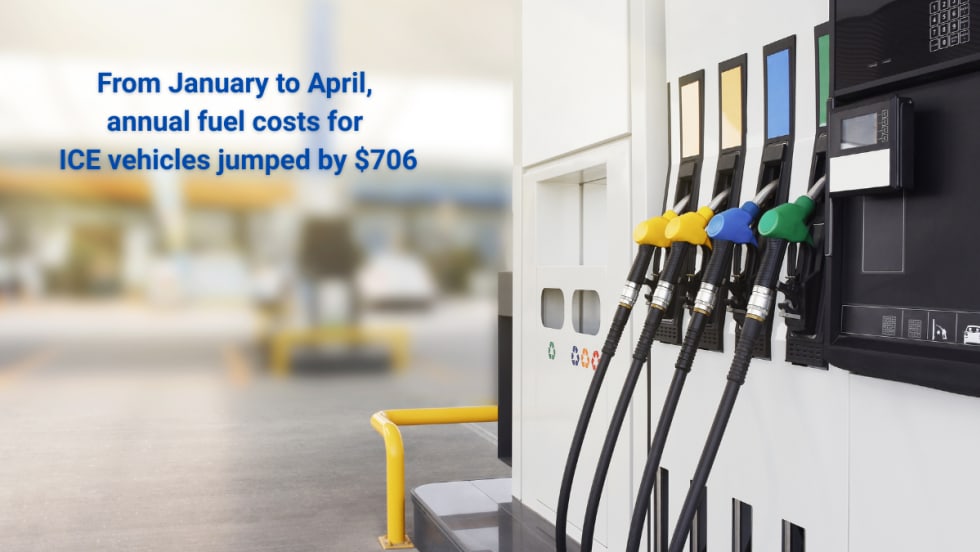
Study: How 2026's Gas Price Hikes Affect Different Vehicle Types
New data from iSeeCars reveals how rising fuel costs have affected different vehicle segments as gasoline prices climbed nearly 46% over the past four months.
Read More →
Are You Tracking Your Fleet's True Total Cost of Ownership?
Bobit Business Media surveyed 190 fleet professionals and found that while most fleets are tracking costs, fragmented systems and data gaps are keeping true TCO visibility out of reach. With rising pressure to control spend in an increasingly volatile environment, the gap between what fleets think they know and what the data actually shows is wider than you might expect. See how your peers are managing costs today and where the industry still has room to improve.
Read More →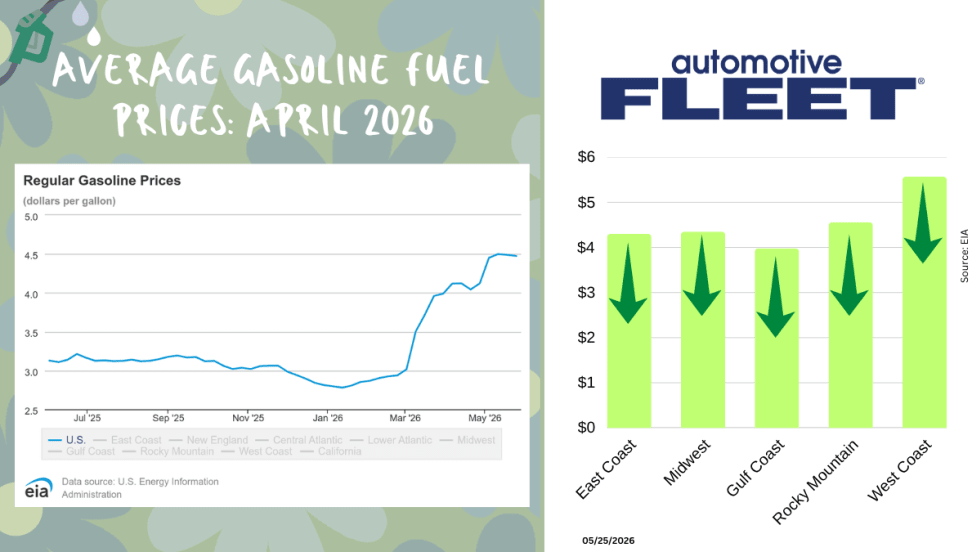
May Fuel Update: All Regions Experience Declines
Gas prices are finally easing in much of the country, but experts warn global tensions could quickly reverse the trend as the national average remains well above last month’s levels.
Read More →