




Volvo Trucks' Hybrid Technology Used for Trash Collection in Sweden
GOTHENBURG, Sweden --- Volvo Trucks is taking a major step toward commercialization of its hybrid technology for heavy vehicles by launching two hybrid garbage trucks that will be tested in Sweden by trash-collection firms Renova and Ragn-Sells.
GOTHENBURG, Sweden --- Volvo Trucks is taking a major step toward commercialization of its hybrid technology for heavy vehicles by launching two hybrid garbage trucks that will be tested in Sweden by trash-collection firms Renova and Ragn-Sells.
"This test phase is the last stage in the evaluation of our hybrid solution ahead of production launch," said Staffan Jufors, president and CEO of the Volvo Truck Corp. "Since we presented our first concept vehicle in 2006, we have seen considerably heightened market interest in this technology."
Commercial production of the hybrid trucks is set for 2009. Volvo's hybrid solution combines a diesel engine with an electric motor. The electric motor is used for moving off from standstill and for acceleration up to 20 km/h. At higher speeds, the diesel engine is activated. When the truck stops, the diesel engine automatically switches off, thus avoiding unnecessary idling.
The batteries are recharged using the power generated during braking, making this system highly suitable for operating cycles involving repeated stops and starts, such as trash-collection duties. The hybrid garbage trucks are expected to use up to 20 percent less fuel and thus cut carbon dioxide emissions by a corresponding amount, Volvo said.
One of the trucks is also equipped with an extra battery pack that drives the trash compactor, and this is charged via the main electrical system when the truck is parked overnight. The truck's total reduction in carbon dioxide emissions is expected to be as much as 30 percent.
Electric power has the added advantage of being entirely exhaust-free and emitting low noise, important considerations for garbage-collection vehicles that often operate in urban areas early in the morning.
"Hybrid technology will play a major role in the future as the climate issue and oil dependency come into ever-sharper focus," said Mats Franzen, engine manager of product strategy and planning at Volvo Trucks. "No matter which fuels dominate in the future, their supply will be limited. Technology that leads to lower fuel consumption will be of immense interest to our customers, irrespective of the type of haulage operation with which they work."
For distribution trucks, fuel consumption may be able to be cut by 20 to 30 percent, Franzen said. In long-haul operations, the percentage reduction will not be as great but since these trucks cover long distances, the total fuel saving will nonetheless be considerable.
More Fuel

Turning Fleet Payment Data into Executive Insights
Ramel Lindsay of U.S. Bank Voyager discusses how fleets can transform payment and transaction data into actionable intelligence to reduce costs, improve oversight, and support executive decision-making.
Read More →
Why the IRS Raised Its Mileage Rate in the Middle of 2026
Fuel-price volatility drove the rare increase to 76 cents per mile, the fifth midyear adjustment since 2000.
Read More →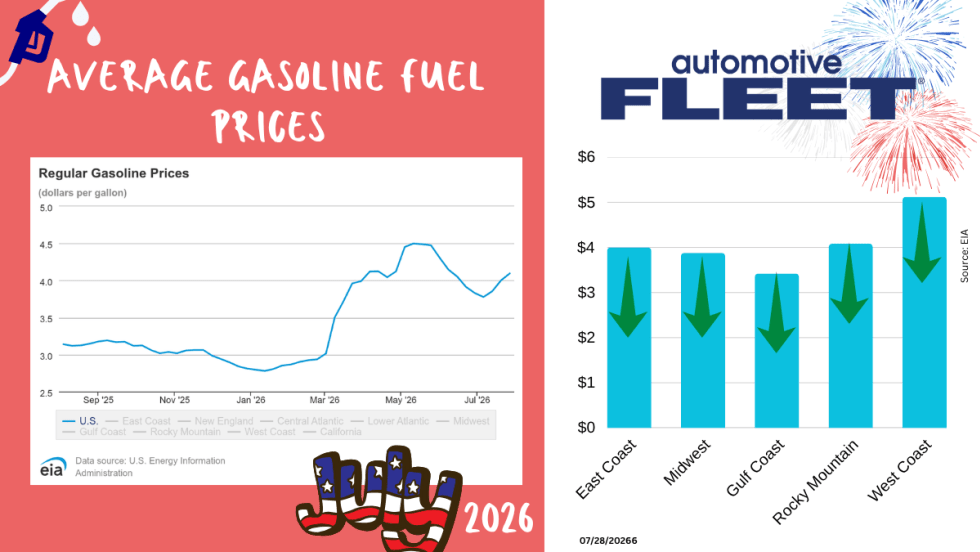
July Fuel Update: Prices Keep Rising in Light of More Conflict
Gas prices continue to rise as more and more conflicts do, too.
Read More →
Bob Adamsky on Fuel Volatility: "Don't Panic, Have a Plan."
When it comes to up and down fuel prices, Adamsky has a message for fleets: “Don’t panic.”
Read More →
How Fleets Can Gain Control of Non-Fuel Spend
Fuel often gets the spotlight, but non-fuel expenses can have a major impact on fleet costs. Ramel Lindsay of U.S. Bank Voyager discusses how fleets can gain better visibility and control over these often-overlooked expenditures.
Read More →
Fuel is Just the Start: How Middle East Tensions are Driving Up Fleet Maintenance Costs
The Middle East conflict is doing more than pushing up fuel prices. It’s also raising the cost of key maintenance products your fleet depends on, from motor oil to tires to windshield wipers. Here’s what you need to know about this budget-busting situation.
Read More →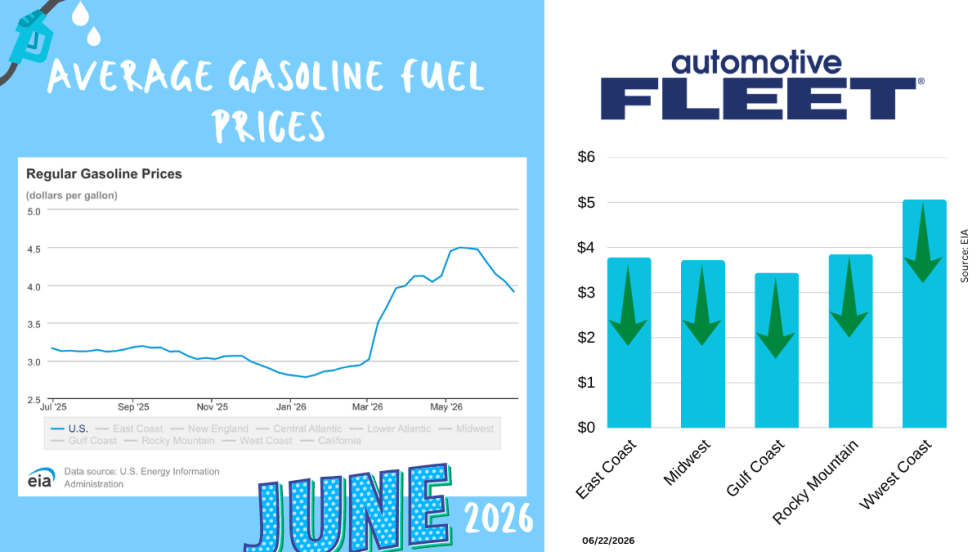
June Fuel Update: Prices Fall Below $4
Drivers are finally getting some relief at the pump. The national average gas price has dropped below $4 a gallon for the first time in months, with prices falling in 47 states as oil markets react to developments in U.S.-Iran negotiations.
Read More →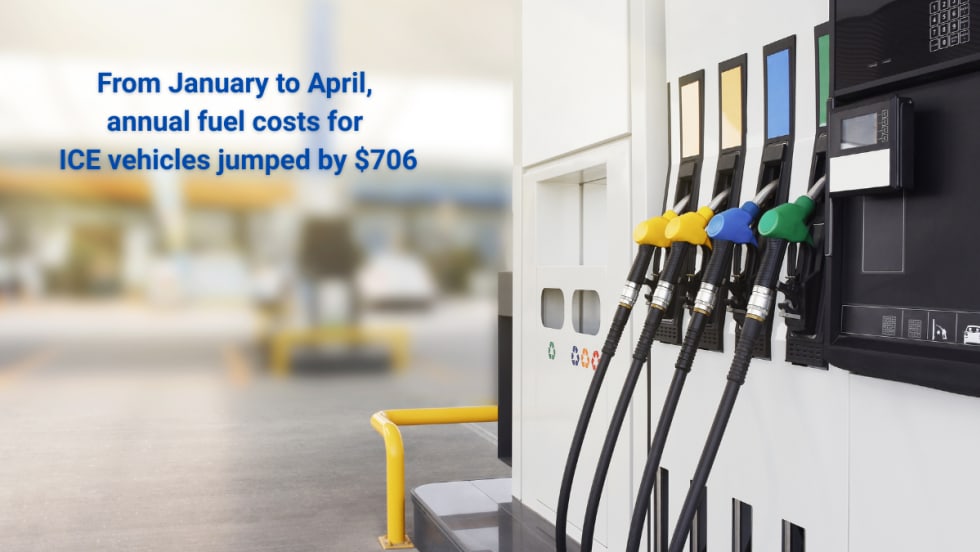
Study: How 2026's Gas Price Hikes Affect Different Vehicle Types
New data from iSeeCars reveals how rising fuel costs have affected different vehicle segments as gasoline prices climbed nearly 46% over the past four months.
Read More →
Are You Tracking Your Fleet's True Total Cost of Ownership?
Bobit Business Media surveyed 190 fleet professionals and found that while most fleets are tracking costs, fragmented systems and data gaps are keeping true TCO visibility out of reach. With rising pressure to control spend in an increasingly volatile environment, the gap between what fleets think they know and what the data actually shows is wider than you might expect. See how your peers are managing costs today and where the industry still has room to improve.
Read More →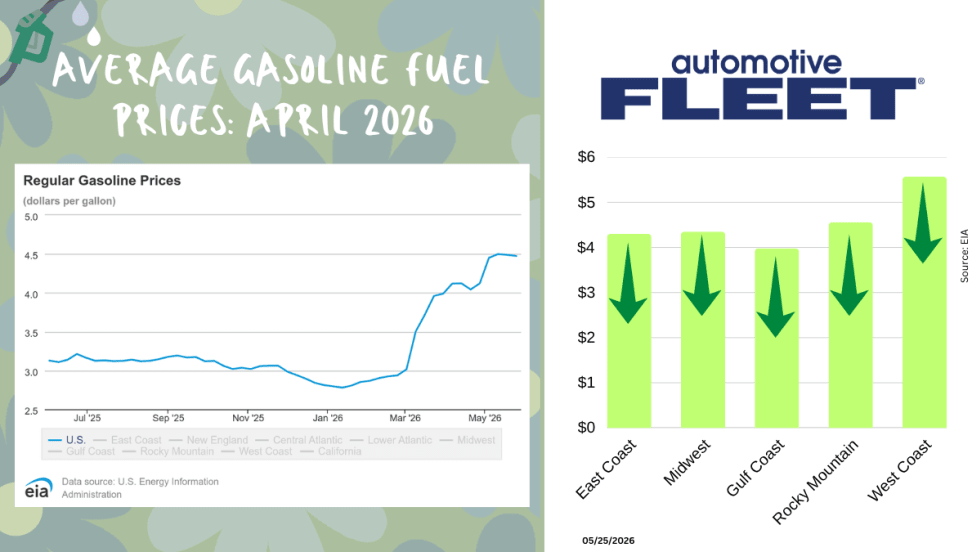
May Fuel Update: All Regions Experience Declines
Gas prices are finally easing in much of the country, but experts warn global tensions could quickly reverse the trend as the national average remains well above last month’s levels.
Read More →