




Related: Verizon Connect Combines Three Mobile Workforce Solutions
Verizon Connect Launches Field Service Product
Mobile workforce solutions provider Verizon Connect announced the launch of Workforce, a new feature set designed specifically for the needs of fleet managers and fleet-based business owners. Workforce will make its industry debut at the Work Truck Show, which is being held this week in Indianapolis.
by Staff
March 7, 2018
Photo courtesy of Verizon Connect.
2 min to read
Mobile workforce solutions provider Verizon Connect announced the launch of Workforce, a field service product designed specifically for the needs of fleet managers and fleet-based business owners. Workforce will make its industry debut at the Work Truck Show, which is being held this week in Indianapolis.
Verizon Connect is a new entity that unifies the Verizon Telematics, Fleetmatics, and Telogis brands. With Workforce, the company offers four critical features — intelligent dispatch, commercial navigation, customer ETAs, and strategic planning — on a single, platform, said Shaz Shaukat, Verizon Connect's product management leader and innovator.
"We initially offered each of these features as individual solutions," Shaukat said. "Put together, under one platform, Workforce is a great value for our customers."
The four key components of Workforce include:
Intelligent dispatch: This feature enhances dispatch by including such factors as the driver's skillsets, licenses, and security clearances, as well as vehicular capacity. Taking these criteria into consideration should help fleet managers avoid onsite delays, reducing dispatch times and minimizing the need for follow-up visits.
Commercial navigation: Consumer-grade navigation systems can get drivers from Point A to Point B, but they don't take into account the limitations placed on commercial trucks. Workforce's commercial navigation feature can help drivers avoid restricted roads, low bridges, and truck-specific speed limits. It can also ensure they access each job site from the correct entrance.
Customer ETAs: This feature was designed to allow fleets to keep their customers apprised of each driver's estimated time of arrival, enhancing the customer experience and reducing the need for "check-in" phone calls. Customers can be updated via text or the fleet's customer-facing web portal or mobile app.
Strategic planning: Growing businesses need strategic planning to properly plan for expansions and acquisitions. This feature helps fleets create and compare "what-if" scenarios, adding a new layer of insight to such decisions as locations, resource allocation, and revised service-level agreements.
Workforce is available in three plans designed for applications ranging from simple to enterprise-level, according to the provider.
More Telematics
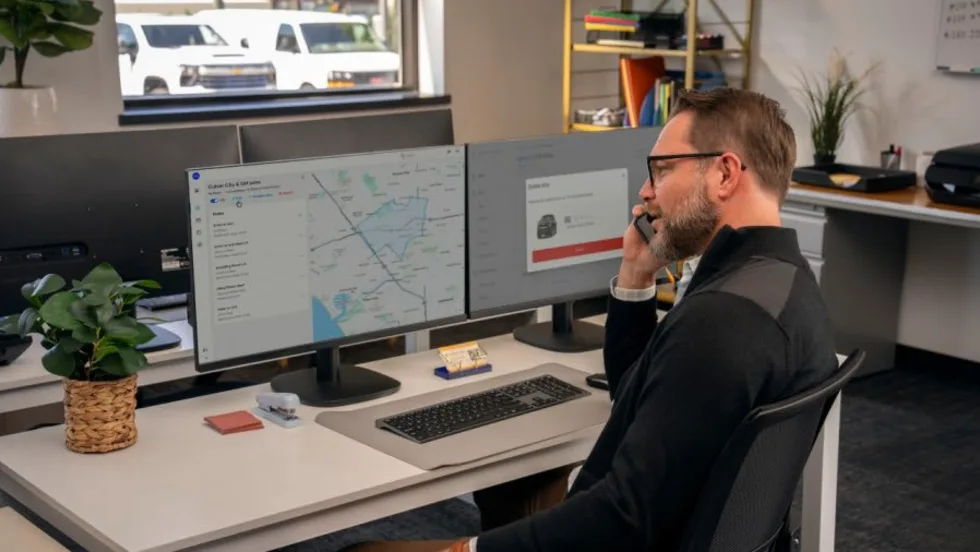
GM Launches OnStar Fleet Intelligence Platform With AI Assistant
The new platform brings vehicle data, order tracking, connected services and fleet analytics into one system, with an AI assistant that can answer fleet questions using natural-language prompts.
Read More →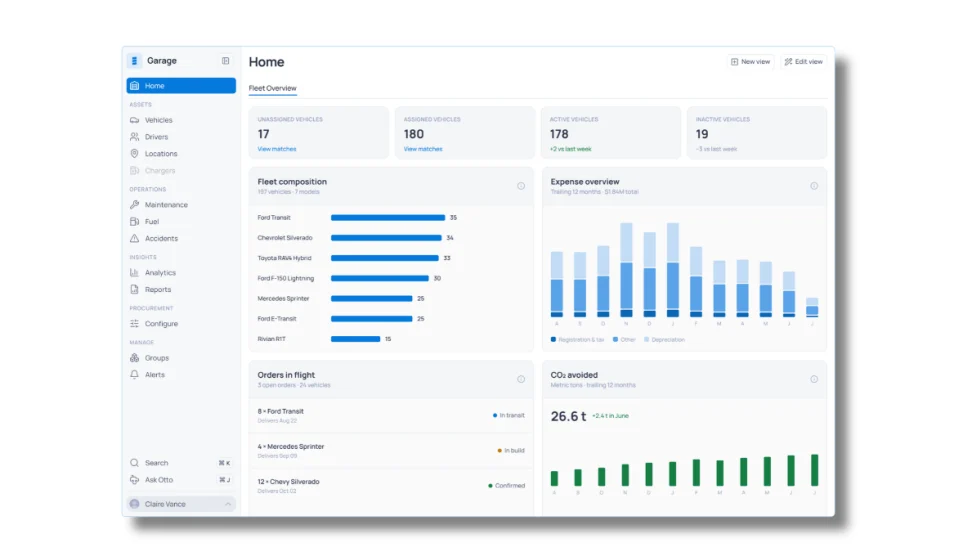
Inspiration Fleet Introduces Garage 2.0 Fleet Intelligence Platform
Fleet managers increasingly have access to data from vehicles, telematics, fuel, charging, and other systems, but those sources don't always communicate with one another. Inspiration Fleet's Garage 2.0 platform brings that information together while letting fleets keep working with different technology and service providers.
Read More →
Inside Inspiration Fleet’s New Platform for Connecting Fleet Data
Inspiration Fleet CTO Chris Getner explains how the new Garage 2.0 platform is designed to connect disparate fleet data and what that could mean for fleet managers in practice.
Read More →
Sponsored•October 1, 2026
Fleet Manager’s Ultimate Playbook: Navigating the New Standard in OEM Connectivity
Rising operating costs, driver safety concerns, and unplanned downtime are putting unprecedented pressure on modern fleets. Discover how fleet managers use embedded OEM connectivity and real-time vehicle data to cut TCO, prevent downtime, and protect drivers without aftermarket telematics hardware.
Read More →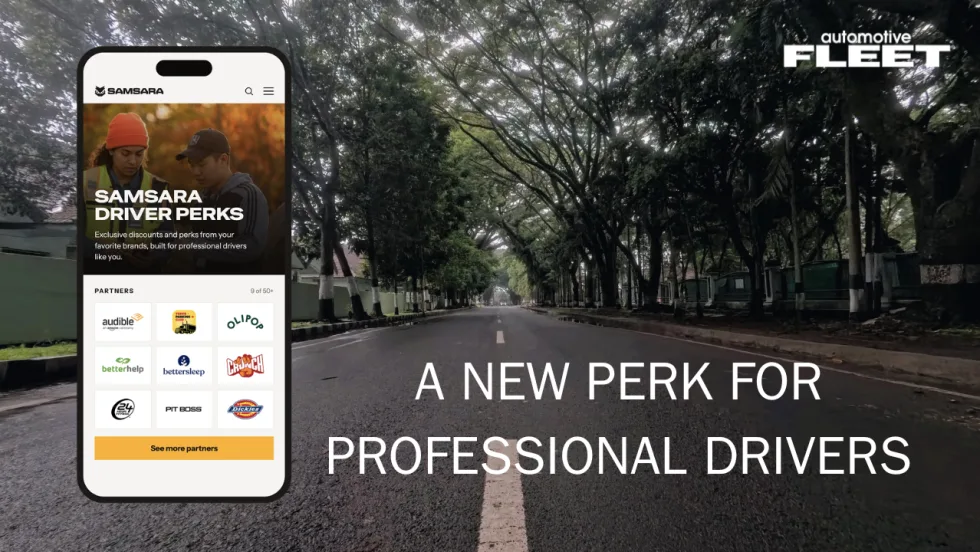
Samsara Driver Perks Adds New Benefit for Corporate Fleet Drivers
The rewards program gives eligible professional drivers access to discounts from more than 50 brands while giving fleets another way to support recruitment, retention, and the driver experience.
Read More →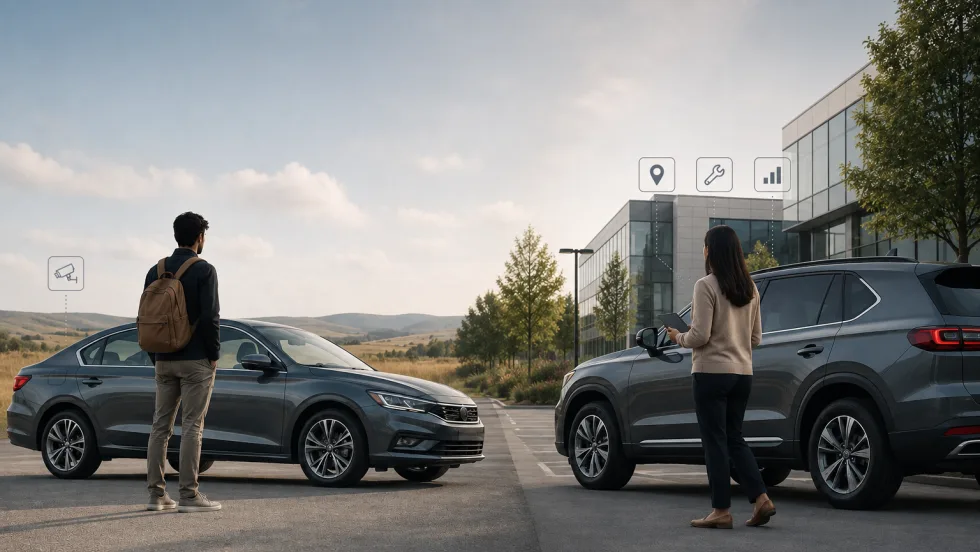
Inside the Church of Jesus Christ of Latter-day Saints’ Two-Track Telematics Strategy
With 20,000 vehicles and two fundamentally different driver populations, the Church faced a fleet management problem that a single telematics program couldn't solve. How it responded offers a replicable framework for any fleet where one size doesn't fit every driver.
Read More →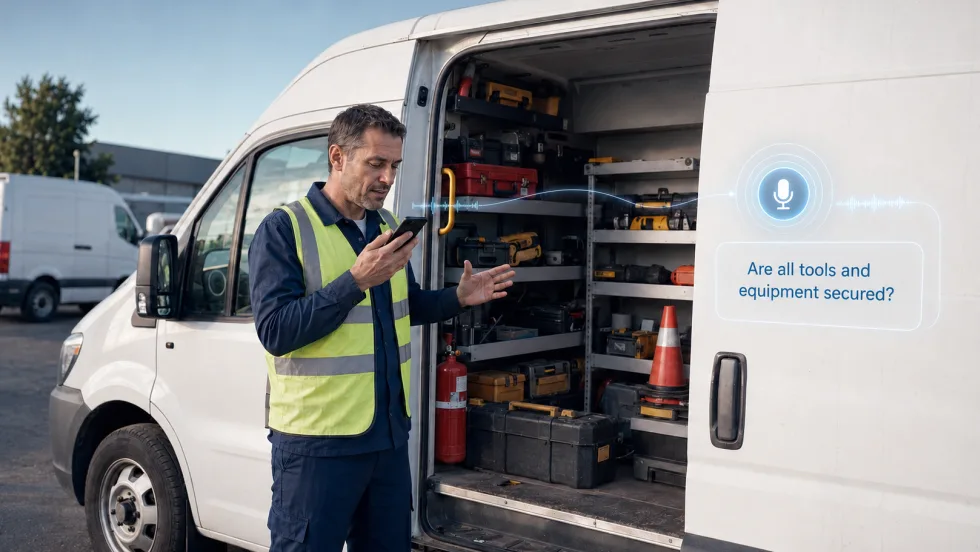
How Conversational AI Can Make Fleet Tasks Easier for Drivers
While most generative AI tools help fleet managers interpret data at their desks, Connex2X is applying voice interaction to tasks behind the wheel.
Read More →
Why Fleets Are Creating Dedicated Fleet Analyst Positions
Are fleet analyst positions the new norm? Listen here to find out.
Read More →
Teletrac Navman Begins Next Chapter as Standalone Private Company
What's new with Teletrac Navman and its new owner?
Read More →
Why Fleets Are Creating Dedicated Fleet Analyst Positions
Telematics, AI, EVs, and connected technologies are generating more fleet data than traditional teams can effectively manage. Reed Jackson explains why dedicated fleet analytics roles are emerging to turn that information into better operational decisions.
Read More →