




U.S. Companies Utilize Green Logistics Program to Reduce Emissions
OAKLAND, CA - With the soaring cost of fuel and transportation’s dramatic impact on the environment, companies have no choice but to look at logistics as a place to go green.
OAKLAND, CA - With the soaring cost of fuel and transportation’s dramatic impact on the environment, companies have no choice but to look at logistics as a place to go green, according to www.greenbiz.com.
Major U.S. companies, including retail giant Wal-Mart and SC Johnson are leading the trend to implement dramatic energy savings through their green logistics programs. In 2006 alone, Wal-Mart prevented 678,954 tons of carbon dioxide, 38 tons of nitrogen oxide and 1,539 tons of particulate matter from entering the atmosphere through a combination of efforts, such as the installation of Auxiliary Power Units (APUs) in diesel trucks to warm or cool the cabin on breaks.
Similarly, SC Johnson eliminated 1,882 tons of greenhouse gases, cut fuel usage by 168,000 gallons, and saved approximately $1.6 million in 2007 through its Truckload Utilization Project, which combines multiple customer orders and products in individual trucks for maximum efficiency.
Xerox’s is another company that is dramatically cutting fuel consumptions on its 55,000 vehicles. After surpassing its initial goal of cutting fuel consumption by 10 percent by 2005, Xerox now expects to achieve a 25 percent reduction by 2012. The company has succeeded by finding the right vehicle for each driver, buying fuel efficient vehicles, tracking mileage, and using GPS systems to send technicians to the closest client.
Xerox also bought 100 Toyota Priuses for technicians who do a lot of city driving, where the fuel economy is maximized to 45 miles per gallon. It’s also investing in E-85 compliant vehicles that can use the alternative fuel with a limited infrastructure.
Other companies making giant strides in reducing fuel consumption and CO2 emissions are Staples and Bison Transportation.
More Fuel

Turning Fleet Payment Data into Executive Insights
Ramel Lindsay of U.S. Bank Voyager discusses how fleets can transform payment and transaction data into actionable intelligence to reduce costs, improve oversight, and support executive decision-making.
Read More →
Why the IRS Raised Its Mileage Rate in the Middle of 2026
Fuel-price volatility drove the rare increase to 76 cents per mile, the fifth midyear adjustment since 2000.
Read More →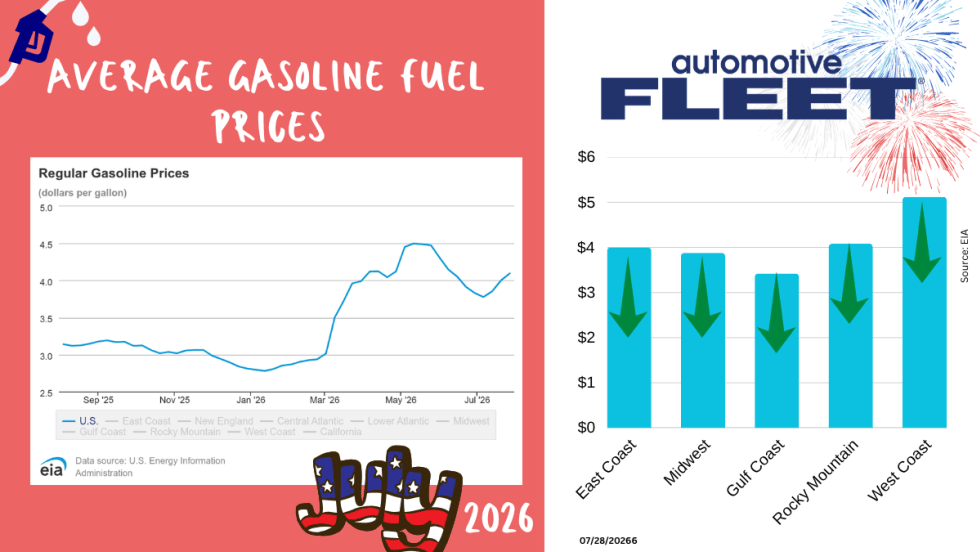
July Fuel Update: Prices Keep Rising in Light of More Conflict
Gas prices continue to rise as more and more conflicts do, too.
Read More →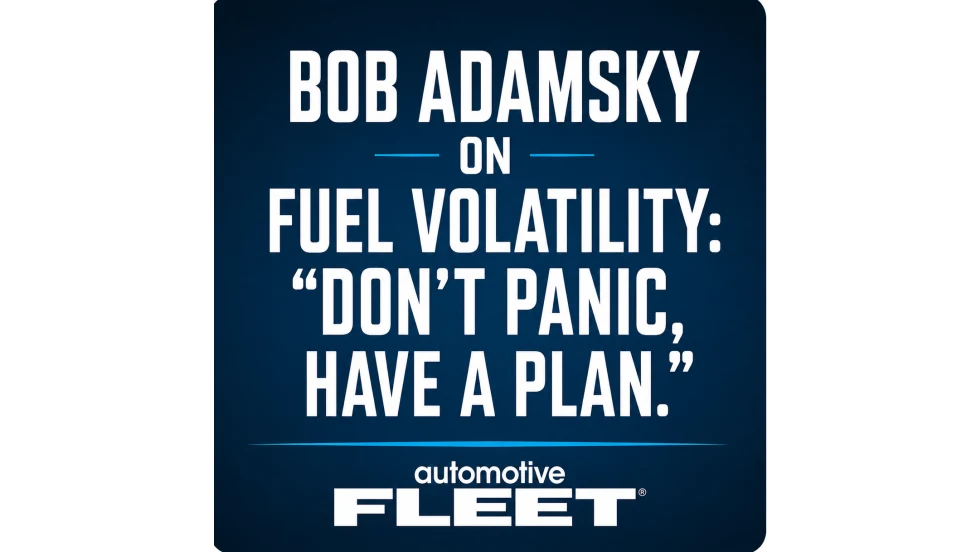
Bob Adamsky on Fuel Volatility: "Don't Panic, Have a Plan."
When it comes to up and down fuel prices, Adamsky has a message for fleets: “Don’t panic.”
Read More →
How Fleets Can Gain Control of Non-Fuel Spend
Fuel often gets the spotlight, but non-fuel expenses can have a major impact on fleet costs. Ramel Lindsay of U.S. Bank Voyager discusses how fleets can gain better visibility and control over these often-overlooked expenditures.
Read More →
Fuel is Just the Start: How Middle East Tensions are Driving Up Fleet Maintenance Costs
The Middle East conflict is doing more than pushing up fuel prices. It’s also raising the cost of key maintenance products your fleet depends on, from motor oil to tires to windshield wipers. Here’s what you need to know about this budget-busting situation.
Read More →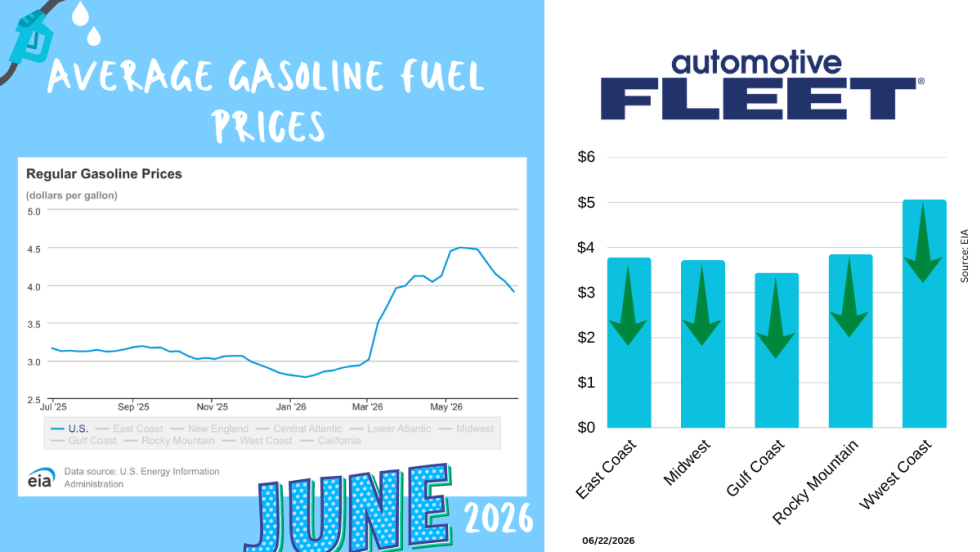
June Fuel Update: Prices Fall Below $4
Drivers are finally getting some relief at the pump. The national average gas price has dropped below $4 a gallon for the first time in months, with prices falling in 47 states as oil markets react to developments in U.S.-Iran negotiations.
Read More →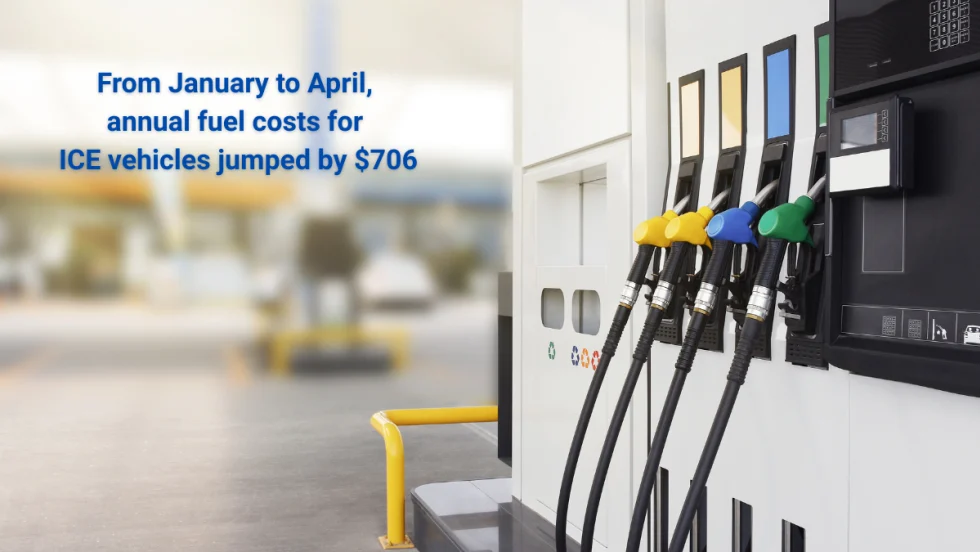
Study: How 2026's Gas Price Hikes Affect Different Vehicle Types
New data from iSeeCars reveals how rising fuel costs have affected different vehicle segments as gasoline prices climbed nearly 46% over the past four months.
Read More →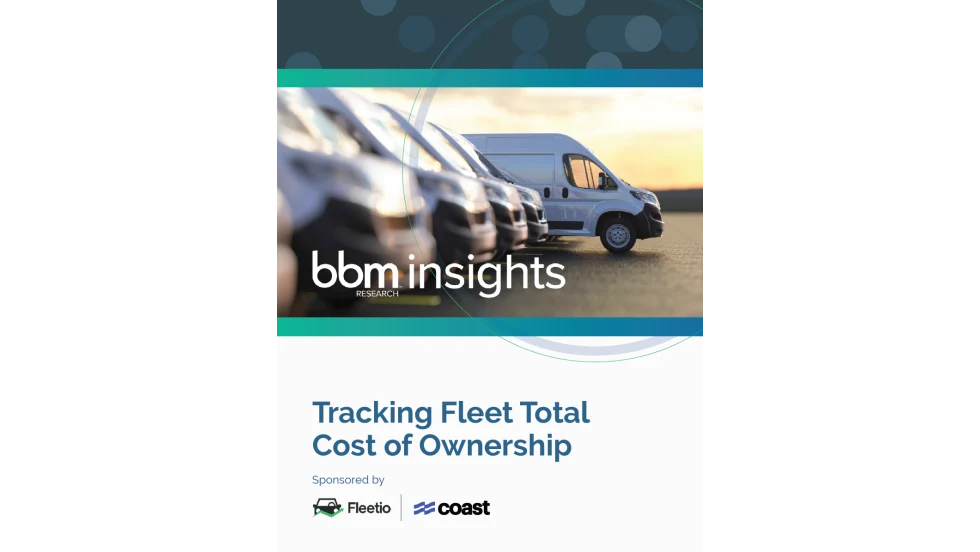
Are You Tracking Your Fleet's True Total Cost of Ownership?
Bobit Business Media surveyed 190 fleet professionals and found that while most fleets are tracking costs, fragmented systems and data gaps are keeping true TCO visibility out of reach. With rising pressure to control spend in an increasingly volatile environment, the gap between what fleets think they know and what the data actually shows is wider than you might expect. See how your peers are managing costs today and where the industry still has room to improve.
Read More →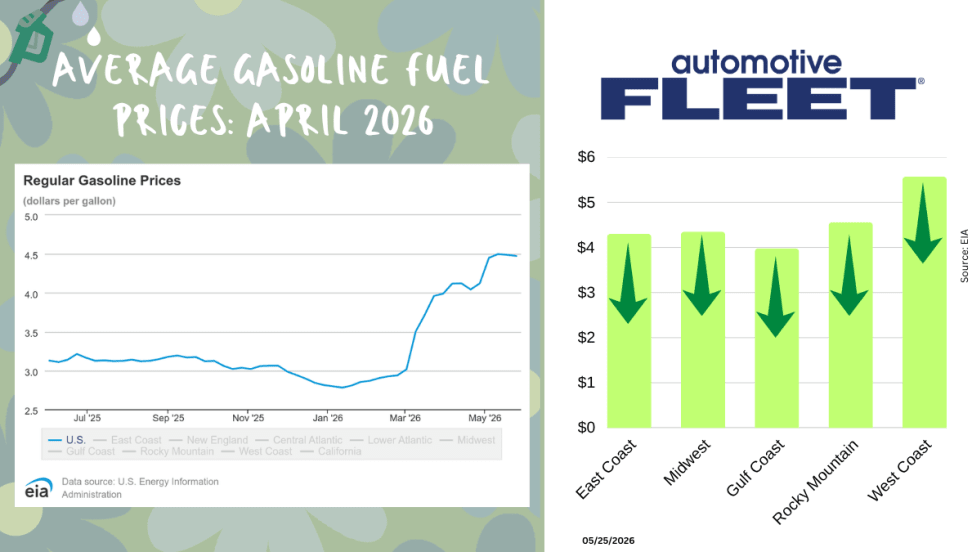
May Fuel Update: All Regions Experience Declines
Gas prices are finally easing in much of the country, but experts warn global tensions could quickly reverse the trend as the national average remains well above last month’s levels.
Read More →