




U.S. Bank Voyager Adds Woodford Oil Company to Channel Partner Program
HOUSTON - U.S. Bank Voyager Fleet Systems Inc. is expanding its Channel Partner Program in the Appalachian region of the United States with the addition of Woodford Oil Company.
HOUSTON- U.S. Bank Voyager Fleet Systems Inc., a provider of universal fleet fueling and maintenance cards, is expanding its Channel Partner Program in the Appalachian region of the United States with the addition of Elkins, West Virginia-based Woodford Oil Company.
As a Voyager Channel Partner, Woodford Oil will begin issuing co-branded fleet cards for its customers, allowing them to tap into Voyager's powerful acceptance network of more than 230,000 fuel and maintenance locations throughout the country. Additionally, the company can generate revenue based on monthly fuel volume purchased with the Voyager fleet card at domestic and remote locations; deepen the relationships with its existing customers; increase its business portfolio by offering new fleet-related services, including maintenance, roadside assistance and vehicle leasing; and target new business opportunities.
"Woodford was looking for a universal fleet card program that allowed our customers to make purchases at company-owned locations, but also at non-Woodford locations," said Todd Woodford, vice president and COO, Woodford Oil. "With a network of more than 230,000 acceptance location, becoming a Voyager Channel Partner seemed like a natural extension to our existing fueling business."
"Our Channel Partner Program is a win-win opportunity for both companies," said Jeffrey A. Rankin, senior sales and marketing officer, U.S. Bank Corporate Payment Systems. "It allows Voyager to reach new markets, and allows fuel distributors like Woodford Oil to increase their market presence and generate additional revenue by offering a fleet fueling and maintenance card to their customer base."
About Woodford Oil
Woodford Oil Company is a petroleum distributor with headquarters based in Elkins, West Virginia and regional offices in Ashland, Kentucky and Marlinton, West Virginia. The company specializes in commercial fleet fueling services; bulk fuel supply with major brands including Chevron, Texaco, Citgo, Exxon and Marathon; and comprehensive lubricant solutions for industrial, commercial and agricultural use. Woodford Oil has distribution across West Virginia, Kentucky, Ohio, Pennsylvania, Virginia, Maryland and North Carolina. For more information, visit www.woodfordoil.com.
About Voyager
U.S. Bank Voyager Fleet Systems Inc. is a leading provider of the universal fleet fueling and maintenance cards for over 1.6 million vehicles. Specifically designed to serve the needs of any size fleet, Voyager issues the Voyager Fleet Card, accepted at over 230,000 retail locations in all 50 states and provides comprehensive fleet management information services to commercial businesses and government agencies. To learn more, visit Voyager online at www.usbank.com/voyagerfleet.
About U.S. Bancorp
U.S. Bancorp, with $264 billion in assets, is the parent company of U.S. Bank, the 6th largest commercial bank in the United States. The company operates 2,847 banking offices and 5,183 ATMs in 24 states, and provides a comprehensive line of banking, brokerage, insurance, investment, mortgage, trust and payment services products to consumers, businesses and institutions. Visit U.S. Bancorp on the web at usbank.com.
More Fuel

Turning Fleet Payment Data into Executive Insights
Ramel Lindsay of U.S. Bank Voyager discusses how fleets can transform payment and transaction data into actionable intelligence to reduce costs, improve oversight, and support executive decision-making.
Read More →
Why the IRS Raised Its Mileage Rate in the Middle of 2026
Fuel-price volatility drove the rare increase to 76 cents per mile, the fifth midyear adjustment since 2000.
Read More →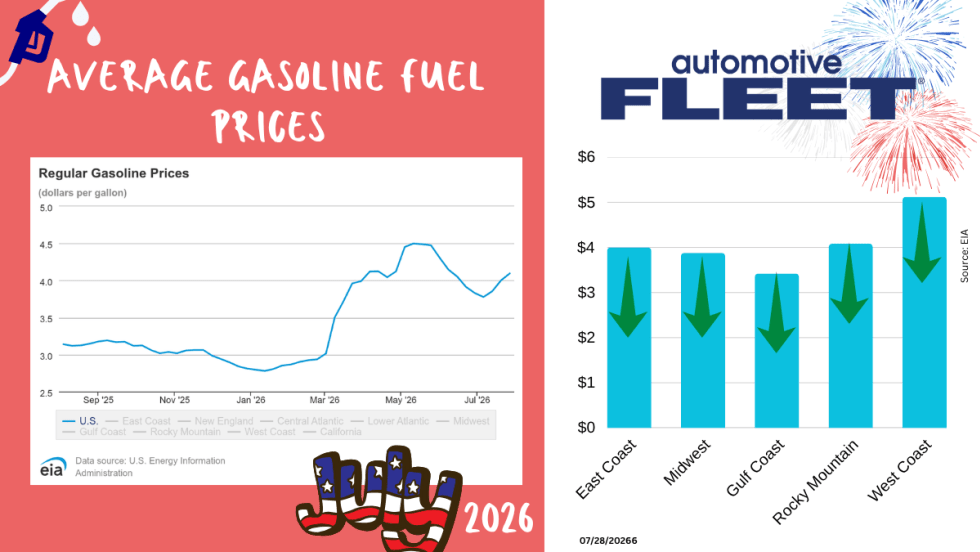
July Fuel Update: Prices Keep Rising in Light of More Conflict
Gas prices continue to rise as more and more conflicts do, too.
Read More →
Bob Adamsky on Fuel Volatility: "Don't Panic, Have a Plan."
When it comes to up and down fuel prices, Adamsky has a message for fleets: “Don’t panic.”
Read More →
How Fleets Can Gain Control of Non-Fuel Spend
Fuel often gets the spotlight, but non-fuel expenses can have a major impact on fleet costs. Ramel Lindsay of U.S. Bank Voyager discusses how fleets can gain better visibility and control over these often-overlooked expenditures.
Read More →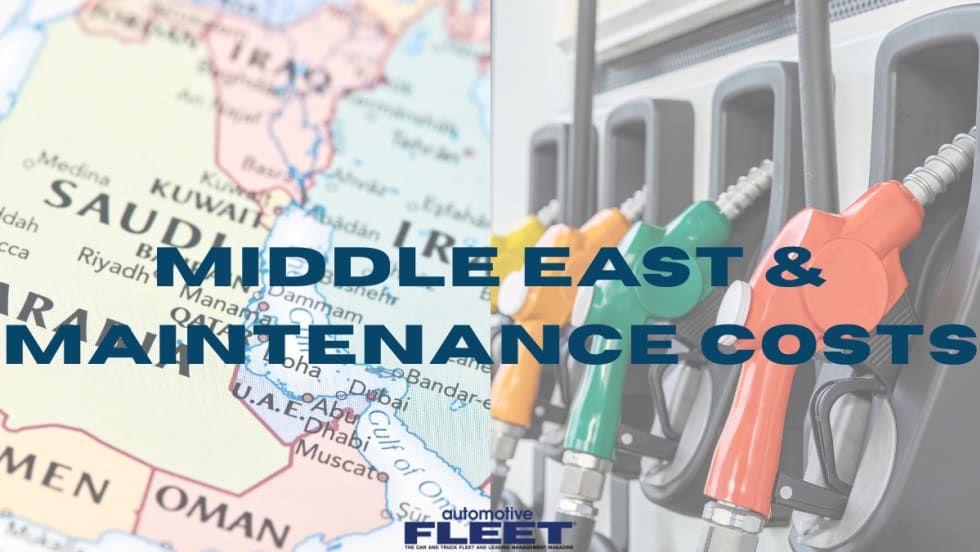
Fuel is Just the Start: How Middle East Tensions are Driving Up Fleet Maintenance Costs
The Middle East conflict is doing more than pushing up fuel prices. It’s also raising the cost of key maintenance products your fleet depends on, from motor oil to tires to windshield wipers. Here’s what you need to know about this budget-busting situation.
Read More →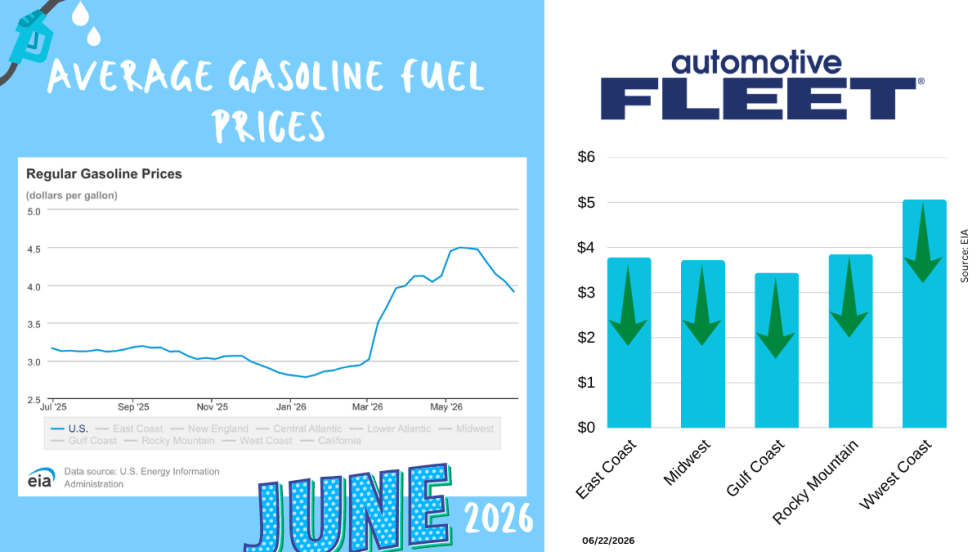
June Fuel Update: Prices Fall Below $4
Drivers are finally getting some relief at the pump. The national average gas price has dropped below $4 a gallon for the first time in months, with prices falling in 47 states as oil markets react to developments in U.S.-Iran negotiations.
Read More →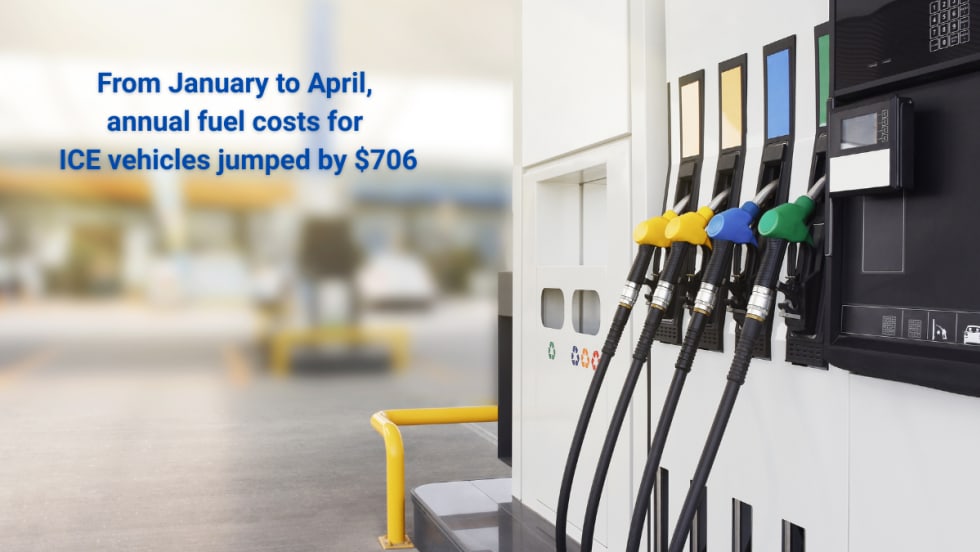
Study: How 2026's Gas Price Hikes Affect Different Vehicle Types
New data from iSeeCars reveals how rising fuel costs have affected different vehicle segments as gasoline prices climbed nearly 46% over the past four months.
Read More →
Are You Tracking Your Fleet's True Total Cost of Ownership?
Bobit Business Media surveyed 190 fleet professionals and found that while most fleets are tracking costs, fragmented systems and data gaps are keeping true TCO visibility out of reach. With rising pressure to control spend in an increasingly volatile environment, the gap between what fleets think they know and what the data actually shows is wider than you might expect. See how your peers are managing costs today and where the industry still has room to improve.
Read More →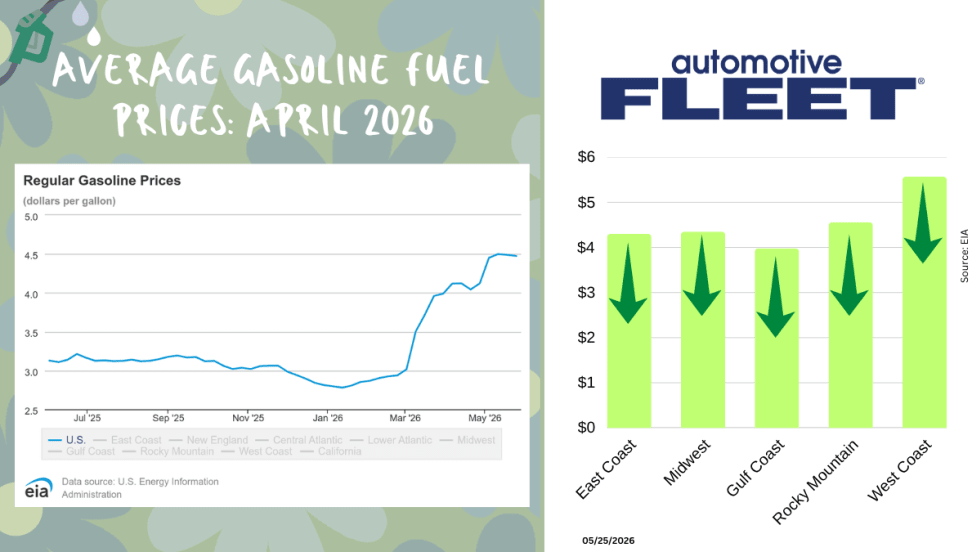
May Fuel Update: All Regions Experience Declines
Gas prices are finally easing in much of the country, but experts warn global tensions could quickly reverse the trend as the national average remains well above last month’s levels.
Read More →