




U.S. Bank Voyager Adds Rhoads Energy to Channel Partner Program
HOUSTON and LANCASTER, PA - Rhoads Energy will begin issuing co-branded fleet cards for customer use at locations in Lancaster and Dauphin counties and at any of the 230,000 Voyager fuel and maintenance acceptance locations throughout the U.S.
HOUSTON and LANCASTER, PA - U.S. Bank Voyager Fleet Systems Inc., a provider of universal fleet fueling and maintenance cards, is expanding its Voyager Channel Partner Program with the addition of Lancaster, Pa.-based Rhoads Energy Corporation.
The latest Voyager Channel Partner to date, Rhoads Energy will begin issuing co-branded fleet cards for its customers to use at its locations in Lancaster and Dauphin counties in Pennsylvania and at any of the 230,000 Voyager fuel and maintenance acceptance locations throughout the United States.
"This partnership with Voyager gives us the opportunity to offer our fleet customers a more comprehensive package of services," said Rhoads Energy President and CEO Michael DeBerdine, III. "They'll be able to purchase goods and services more easily, from a larger number of locations across Lancaster County and beyond. Additionally, we're excited about the program's potential to gain visibility and customer loyalty for Rhoads Energy."
Launched by Jerome H. Rhoads from the back of a rail car in 1917, Rhoads Energy now provides an array of product and service offerings that includes everything from heating oil to commercial fueling to heating and air conditioning equipment installation and natural gas. By becoming a Voyager Channel Partner, Rhoads Energy will offer its fleet customers an efficient and controlled way to purchase fuel and maintenance services across a vast network of locations.
The Voyager Channel Partner Program allows participants to generate revenue based on monthly fuel volume purchased with the co-branded Voyager fleet card at domestic and remote locations.
More Fuel
WEX Report: Fleet Fuel Costs Rise as Purchasing Volumes Hold Steady in 2026
New analysis of WEX customer transaction data highlights rising fuel expenses, differences in purchasing behavior, and opportunities for fleet managers to evaluate operating costs.

October Fuel Trends Show Diverging Gasoline and Diesel Prices
Get the latest fuel trends from October.
Fuel Prices Surge in September | September Fuel Update
September brought major fuel price swings, including diesel crossing $6 a gallon. Here’s how gas and diesel prices changed throughout the month, and where they stood heading into October.

Turning Fleet Payment Data into Executive Insights
Ramel Lindsay of U.S. Bank Voyager discusses how fleets can transform payment and transaction data into actionable intelligence to reduce costs, improve oversight, and support executive decision-making.

Why the IRS Raised Its Mileage Rate in the Middle of 2026
Fuel-price volatility drove the rare increase to 76 cents per mile, the fifth midyear adjustment since 2000.
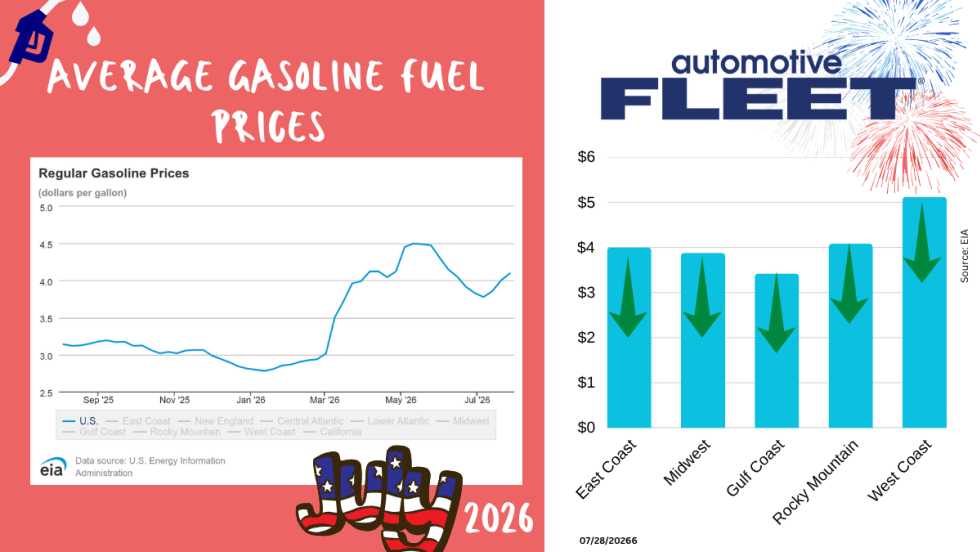
July Fuel Update: Prices Keep Rising in Light of More Conflict
Gas prices continue to rise as more and more conflicts do, too.

Bob Adamsky on Fuel Volatility: "Don't Panic, Have a Plan."
When it comes to up and down fuel prices, Adamsky has a message for fleets: “Don’t panic.”

How Fleets Can Gain Control of Non-Fuel Spend
Fuel often gets the spotlight, but non-fuel expenses can have a major impact on fleet costs. Ramel Lindsay of U.S. Bank Voyager discusses how fleets can gain better visibility and control over these often-overlooked expenditures.

Fuel is Just the Start: How Middle East Tensions are Driving Up Fleet Maintenance Costs
The Middle East conflict is doing more than pushing up fuel prices. It’s also raising the cost of key maintenance products your fleet depends on, from motor oil to tires to windshield wipers. Here’s what you need to know about this budget-busting situation.
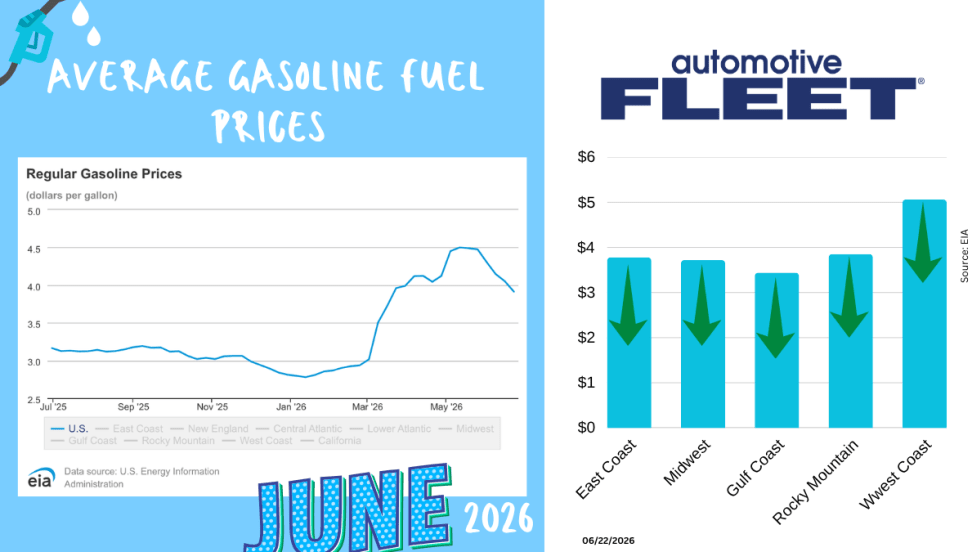
June Fuel Update: Prices Fall Below $4
Drivers are finally getting some relief at the pump. The national average gas price has dropped below $4 a gallon for the first time in months, with prices falling in 47 states as oil markets react to developments in U.S.-Iran negotiations.