




U.S. Bank Partners With FuelQuest to Offer Payment Terms for Wholesale Fuel Purchases
U.S. Bank has partnered with FuelQuest to offer a service called U.S. Bank Fuel Financing. The service w ill extend payment terms to buyers for wholesale fuel purchases.
U.S. Bank, the fifth-largest commercial bank in the United States, and FuelQuest Inc., the leading on-demand software and services company for the global downstream (refined products) energy industry, announced a strategic partnership that provides credit market relief to suppliers, marketers, distributors, retailers and commercial customers of fuel. Called U.S. Bank Fuel Financing, the service extends buyer payment terms and accelerates supplier payments for rack-based (wholesale) fuel purchases. Buyers gain additional cash flow and greater access to credit while suppliers reduce business risk and shorten days sales outstanding (DSO).
“Significant inefficiency exists in the procurement and payment processes of the downstream oil and gas industry,” said Ramel Lindsay, U.S. Bank fleet product manager. “Credit markets also remain tight, inhibiting growth and creating unnecessary costs for buyers and suppliers of fuel. With Fuel Financing, U.S. Bank addresses these issues by assuming payment risk and offering transacting parties more favorable terms that improve capital efficiency.”
With $355 billion in assets and strong banking experience in oil and gas markets, U.S. Bank is uniquely positioned to bring this innovative credit service to market. U.S. Bank Fuel Financing utilizes flexible financing options and FuelQuest’s invoice processing capabilities to give buyers:
• improved cash flow with payment terms extending past traditional Net 10
• maximized purchasing power across multiple sellers via a single line of credit
• increased business growth opportunities through greater access to credit
• lower financing costs through reduced letters of credit and deposits.
Suppliers who subscribe to the solution gain:
• increased sales via extended lines of credit
• lowered DSO and greater balance sheet stability with next-day payment terms
• reduced exposure to customer default and need for trade insurance programs
• decreased underwriting and collections costs.
Fuel Financing is currently available to select buyers and sellers. Organizations interested in adopting the service should contact U.S. Bank or FuelQuest to learn more.
"Buying and selling just became easier with U.S. Bank Fuel Financing,” said Matt Tormollen, president and CEO of FuelQuest. "Buyers improve cash flow, reduce fuel costs and gain access to additional credit while sellers accelerate speed of payment and dramatically reduce default risk. We are proud to team with a strong leader like U.S. Bank and help them solve a major pain point in the market today.”
More Fuel
Fuel Prices Surge in September | September Fuel Update
September brought major fuel price swings, including diesel crossing $6 a gallon. Here’s how gas and diesel prices changed throughout the month, and where they stood heading into October.
Read More →
Turning Fleet Payment Data into Executive Insights
Ramel Lindsay of U.S. Bank Voyager discusses how fleets can transform payment and transaction data into actionable intelligence to reduce costs, improve oversight, and support executive decision-making.
Read More →
Why the IRS Raised Its Mileage Rate in the Middle of 2026
Fuel-price volatility drove the rare increase to 76 cents per mile, the fifth midyear adjustment since 2000.
Read More →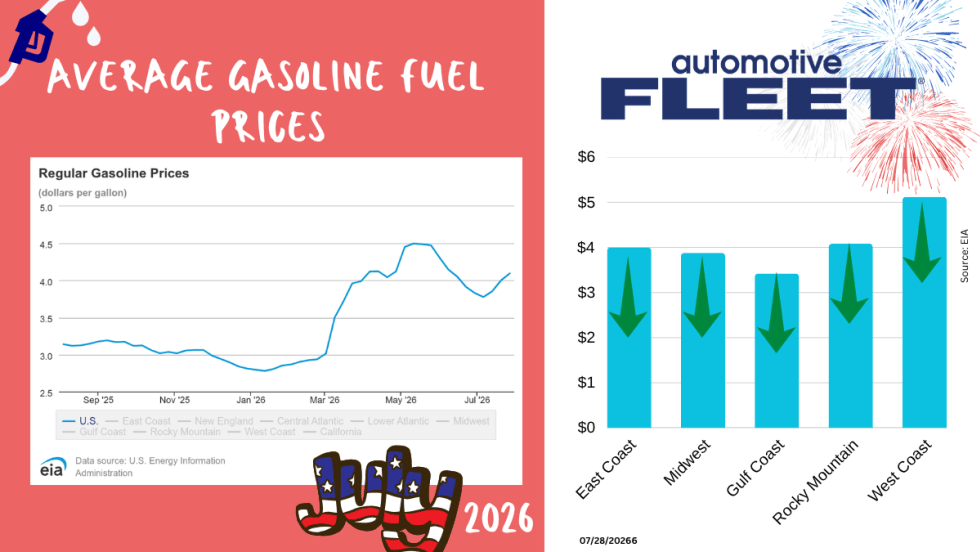
July Fuel Update: Prices Keep Rising in Light of More Conflict
Gas prices continue to rise as more and more conflicts do, too.
Read More →
Bob Adamsky on Fuel Volatility: "Don't Panic, Have a Plan."
When it comes to up and down fuel prices, Adamsky has a message for fleets: “Don’t panic.”
Read More →
How Fleets Can Gain Control of Non-Fuel Spend
Fuel often gets the spotlight, but non-fuel expenses can have a major impact on fleet costs. Ramel Lindsay of U.S. Bank Voyager discusses how fleets can gain better visibility and control over these often-overlooked expenditures.
Read More →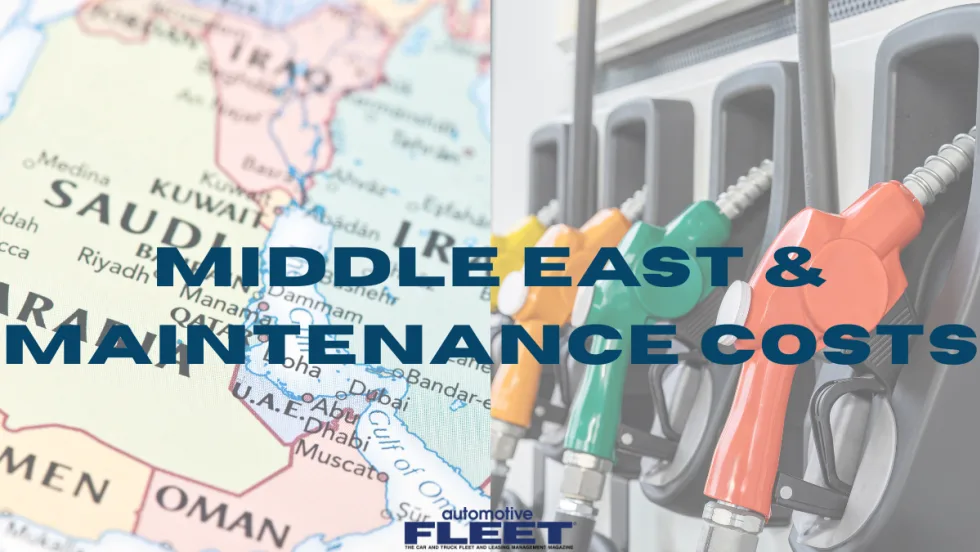
Fuel is Just the Start: How Middle East Tensions are Driving Up Fleet Maintenance Costs
The Middle East conflict is doing more than pushing up fuel prices. It’s also raising the cost of key maintenance products your fleet depends on, from motor oil to tires to windshield wipers. Here’s what you need to know about this budget-busting situation.
Read More →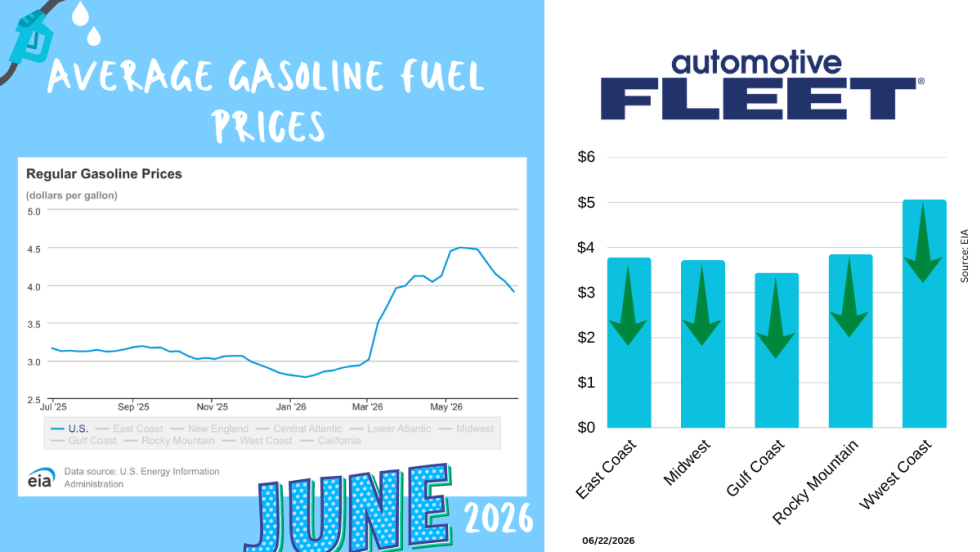
June Fuel Update: Prices Fall Below $4
Drivers are finally getting some relief at the pump. The national average gas price has dropped below $4 a gallon for the first time in months, with prices falling in 47 states as oil markets react to developments in U.S.-Iran negotiations.
Read More →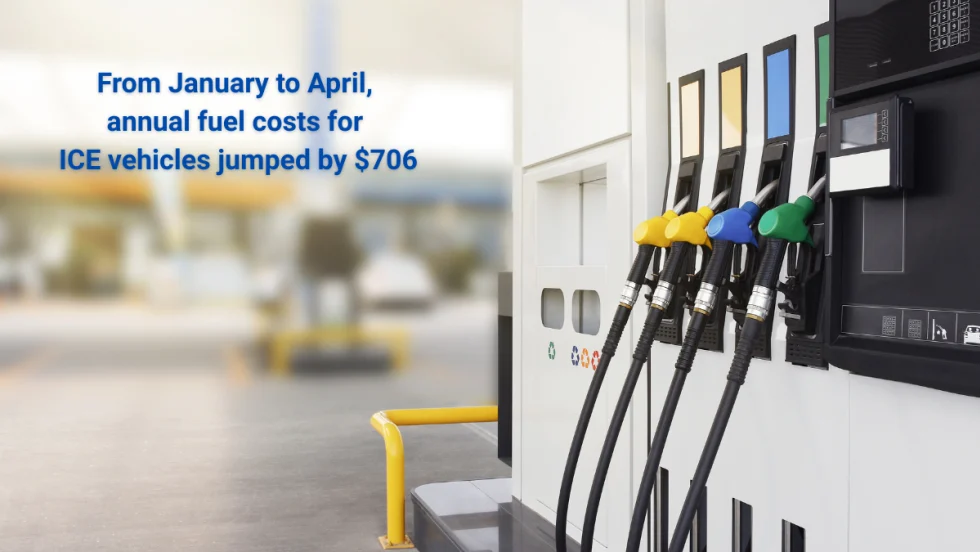
Study: How 2026's Gas Price Hikes Affect Different Vehicle Types
New data from iSeeCars reveals how rising fuel costs have affected different vehicle segments as gasoline prices climbed nearly 46% over the past four months.
Read More →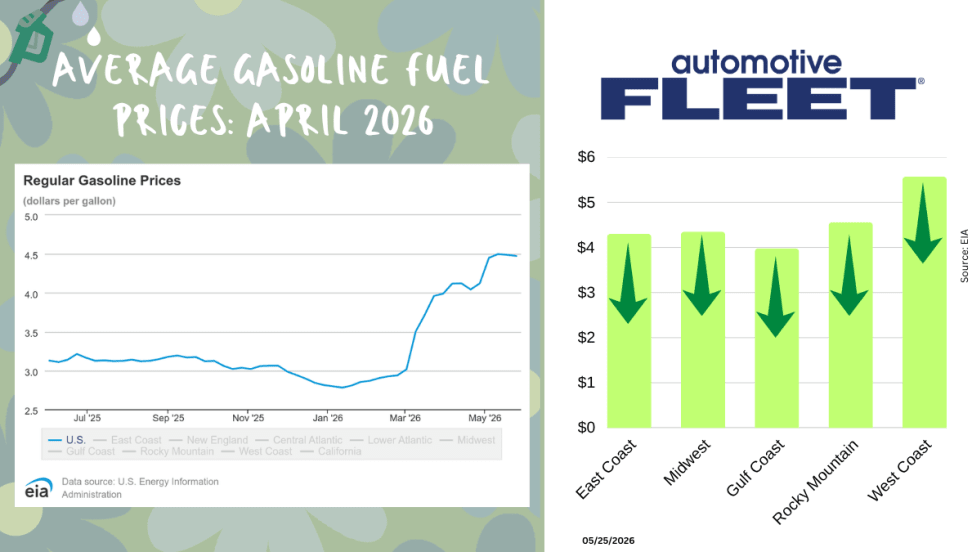
May Fuel Update: All Regions Experience Declines
Gas prices are finally easing in much of the country, but experts warn global tensions could quickly reverse the trend as the national average remains well above last month’s levels.
Read More →