




Trucking Group to Host Diesel Fuel Workshop in Va.
ARLINGTON, Va. --- The American Trucking Associations will host a fuel strategies workshop June 19 to help the trucking industry cope with skyrocketing fuel prices.
ARLINGTON, Va. --- The American Trucking Associations will host a fuel strategies workshop June 19 to help the trucking industry cope with skyrocketing fuel prices. The one-day seminar will be held at the Westin Arlington Gateway in Arlington, Va.
The workshop is designed to educate motor carriers about new technologies and operating practices that will help them conserve diesel fuel and implement cutting-edge diesel fuel purchasing strategies to reduce their fuel bill. Attendees will learn about ways to help conserve fuel, operate more efficiently and ultimately reduce their fuel bills, ATA said.
Featured speakers include:
• Guy Caruso, administrator of the Energy Information Administration, who will discuss EIA's energy outlook during a keynote luncheon address
• Sara Banaszak, senior economist for the American Petroleum Institute, who will discuss the economic and geopolitical factors influencing crude oil and diesel prices
• Steve Graham, vice president of Schneider National Inc., who will teach attendees advanced fuel purchasing strategies and discuss how to properly hedge diesel fuel purchases
• Allen Schaefer, president of Diesel Technology Forum; Ken Adams, vice president of Jevic Transportation Inc.; Ron Szapacs, maintenance specialist for Air Products & Chemicals Inc.; and Dan Umphress, managing director of maintenance solutions for FedEx Freight, who will participate in a panel discussion on how the right truck and engine specifications can reduce fuel consumption
• Braxton Vick, senior vice president of Southeastern Freight Lines Inc., who will present methods for reducing fuel costs by optimizing truck routes
• John Sullivan, director of service for Boydstun Metal Works Inc., who will present strategies to conserve fuel by reducing speed and idling time
• Richard Wood, president of Solus Solutions and Technologies LLC, who will discuss trailer specifications and aerodynamic packages that decrease fuel consumption
• Mark Clark, manager of Vehicle/GSE Engineering Worldwide for FedEx Express, who will speak about how using the correct tires can optimize fuel efficiency
• Kirk Altrichter, vice president of maintenance for Gordon Trucking Inc., who will present strategies for implementing driver incentive programs to conserve fuel for your fleet
• ATA First Vice Chairman Charles "Shorty" Whittington, president of Grammer Industries Inc., who will speak about the economics of biodiesel and whether alternative fuels could help reduce fleet fueling costs.
ATA’s workshop comes as the trucking industry is experiencing the highest prolonged fuel prices in history. For some motor carriers, fuel is beginning to surpass labor as their largest expense. ATA has called upon the Bush administration to address this crisis by immediately taking steps to increase diesel fuel supply.
ATA has urged the federal government to help alleviate trucking companies' hardships by doing the following:
• Stop filling and instead release oil from the Strategic Petroleum Reserve
• Establish a national diesel fuel standard
• Allow environmentally responsible exploration of oil-rich areas in the United States that are now off limits
• Allow environmentally responsible development of crude resources in oil shale and tar sands in Colorado, Utah and Wyoming
• Work with the 50 state attorneys general to combat any fuel price gouging that might occur
• Continue to fund EPA’s SmartWay Transport Partnership Program, which teaches and encourages fuel-saving strategies
• Streamline EPA's regulatory framework for reviewing and processing applications for additional refinery operations
• Require speed limiters set for 68 mph or lower on all new trucks
• Set a national maximum speed limit of 65 mph
• Suspend the collection of the 12 percent federal excise tax on motor carriers' purchase of auxiliary power units (APUs), which cut the consumption of fuels in idling truck engines
• Require states to grant a weight exemption for APUs and
• Close a federal loophole that provides a tax benefit for the exportation of biodiesel.
More Fuel

Bob Adamsky on Fuel Volatility: "Don't Panic, Have a Plan."
When it comes to up and down fuel prices, Adamsky has a message for fleets: “Don’t panic.”
Read More →
How Fleets Can Gain Control of Non-Fuel Spend
Fuel often gets the spotlight, but non-fuel expenses can have a major impact on fleet costs. Ramel Lindsay of U.S. Bank Voyager discusses how fleets can gain better visibility and control over these often-overlooked expenditures.
Read More →
Fuel is Just the Start: How Middle East Tensions are Driving Up Fleet Maintenance Costs
The Middle East conflict is doing more than pushing up fuel prices. It’s also raising the cost of key maintenance products your fleet depends on, from motor oil to tires to windshield wipers. Here’s what you need to know about this budget-busting situation.
Read More →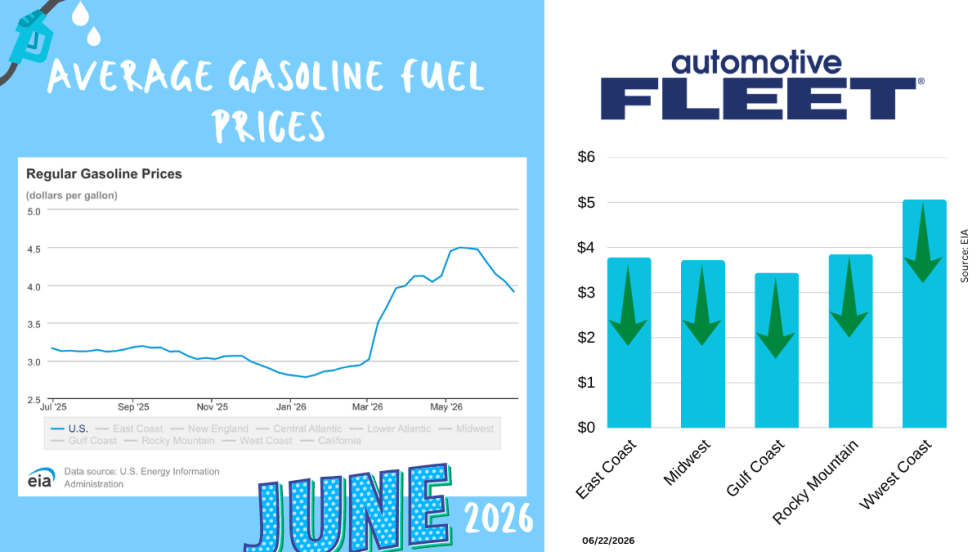
June Fuel Update: Prices Fall Below $4
Drivers are finally getting some relief at the pump. The national average gas price has dropped below $4 a gallon for the first time in months, with prices falling in 47 states as oil markets react to developments in U.S.-Iran negotiations.
Read More →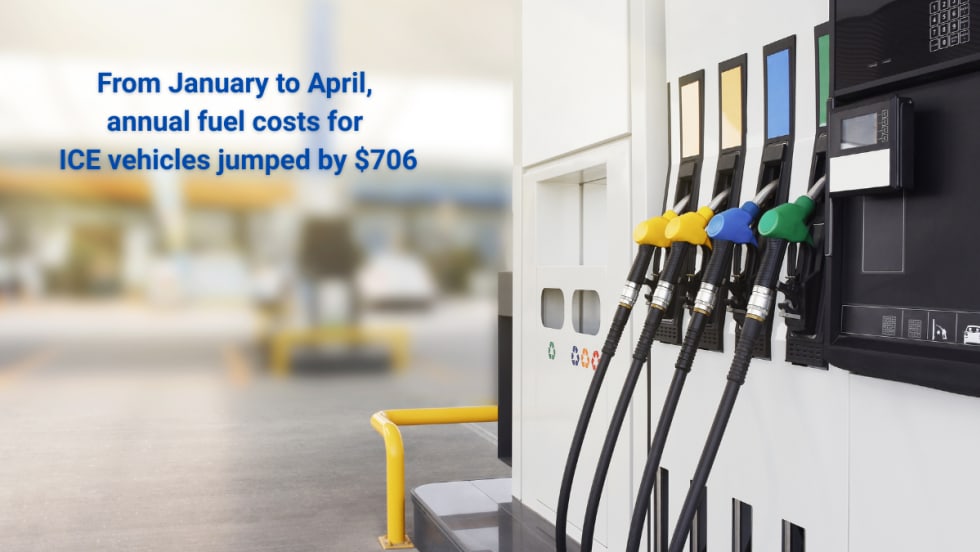
Study: How 2026's Gas Price Hikes Affect Different Vehicle Types
New data from iSeeCars reveals how rising fuel costs have affected different vehicle segments as gasoline prices climbed nearly 46% over the past four months.
Read More →
Are You Tracking Your Fleet's True Total Cost of Ownership?
Bobit Business Media surveyed 190 fleet professionals and found that while most fleets are tracking costs, fragmented systems and data gaps are keeping true TCO visibility out of reach. With rising pressure to control spend in an increasingly volatile environment, the gap between what fleets think they know and what the data actually shows is wider than you might expect. See how your peers are managing costs today and where the industry still has room to improve.
Read More →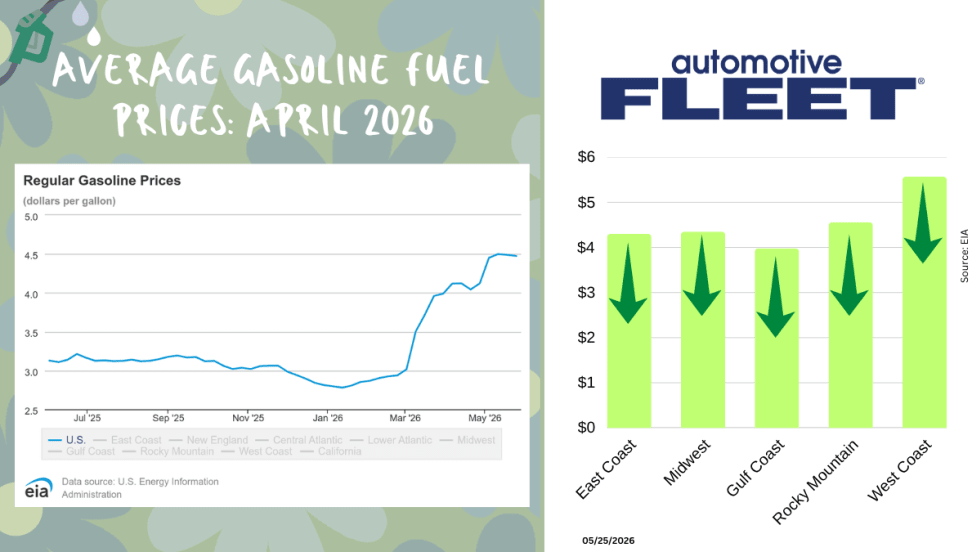
May Fuel Update: All Regions Experience Declines
Gas prices are finally easing in much of the country, but experts warn global tensions could quickly reverse the trend as the national average remains well above last month’s levels.
Read More →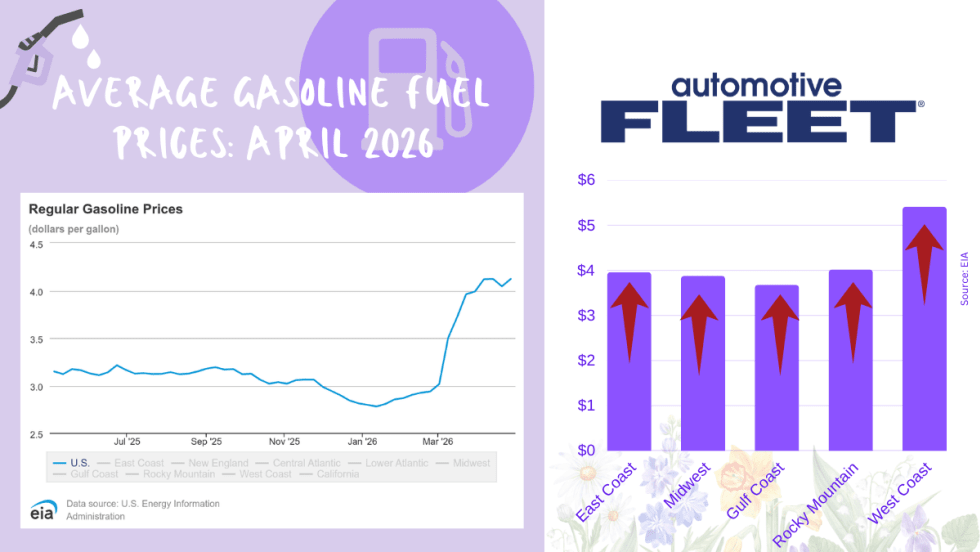
April Fuel Update: Prices Climb Above $4 as Spring Surge Accelerates
National average jumps to $4.04 per gallon, up sharply from last year, with West Coast prices topping $5 and further increases expected amid rising oil tensions.
Read More →
Tips from Fleet Managers on Saving Fuel Costs
Fleet leaders share practical strategies to reduce fuel spend through smarter policy, routing, and driver guidance.
Read More →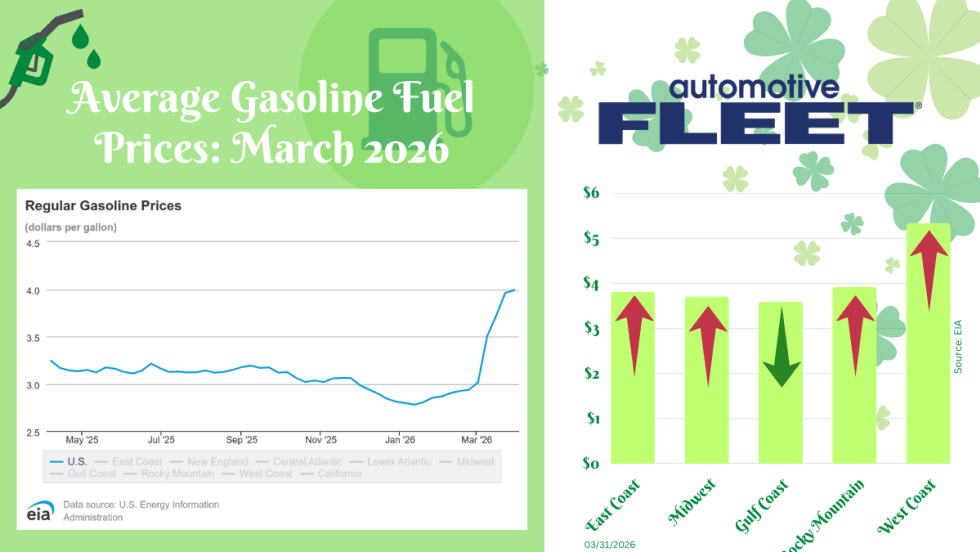
March Fuel Update: Prices Settle With a $4 Average
Fuel prices significantly slowed this week, but a $4 national average is still expected.
Read More →