





Navigating Sustainability: Pros & Cons of Clean Fleet Technologies
Toyota Unveils 3rd-Gen Fuel Cell System for Heavy-Duty and Commercial Vehicles
Learn how Toyota’s 3rd-gen fuel cell system boosts durability and cuts costs, expanding hydrogen power for commercial fleet use.
February 25, 2025
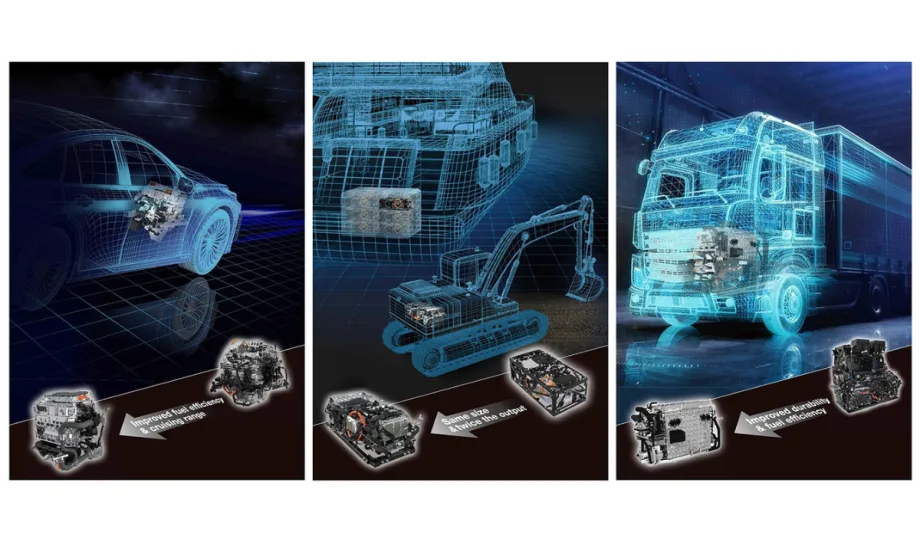
The 3rd Gen FC System is planned for introduction in markets mainly in Japan, Europe, North America, and China after 2026 at the earliest.
Source: Toyota
2 min to read
Toyota recently announced the development of a new fuel cell (FC) system, its third-generation fuel cell system (3rd Gen FC System), as part of its continued efforts toward achieving a hydrogen society.
The all-new 3rd Gen FC System is designed to meet the particular needs of the commercial sector with the same durability as conventional diesel-powered engines. Plus, the new system features significant improvements in performance, including fuel efficiency and a substantial reduction in costs compared to the prior version.
In addition to passenger vehicles, the 3rd Gen FC System will be expanded for use in heavy-duty commercial vehicles and is planned for introduction in markets mainly in Japan, Europe, North America, and China after 2026 at the earliest.
Toyota views hydrogen as an important fuel for carbon neutrality and is actively collaborating with partners across various industries. Toyota has been promoting various initiatives in the areas of “Create, Transport, Store, and Use” hydrogen in relation to its R&D activities.
To further accelerate the use cases and adoption of FC technology to achieve a hydrogen society, the automaker said in a statement that the continuous evolution of FC technology is necessary.
Main Features and Commercial Fleet Application
In 2014, Toyota launched the MIRAI fuel cell electric vehicle (FCEV), selling approximately 28,000 units across 30 countries and territories. Since 2019, Toyota has been supplying FC systems for other applications, such as buses, railroads, and stationary power generators, supplying more than 2,700 units to more than 100 customers globally.
The main features of the 3rd Gen FC System include:
1. Main Features
Improvement in durability up to 2x that of the prior generation, achieving durability comparable to diesel engines and maintenance-free design.
Improvement in fuel efficiency of 1.2x that of the preceding generation, allowing for a 20% more cruising range.
Significant cost reduction through innovations in cell design and manufacturing processes.
2. Expansion of Lineup
The 3rd Gen FC System can be installed in various commercial vehicles, passenger cars, and general-purpose applications, such as stationary generators, rail, and ships.
For passenger vehicles, the improved fuel efficiency provides a greater cruising range. The new FC system offers durability comparable to diesel engines and high power for heavy-duty commercial vehicles. In addition, by designing the system to be compact, it can be more easily integrated into various commercial vehicles.
In Japan, Toyota works with partners, particularly in Tokyo and Fukushima prefectures, to implement these systems in the commercial sector and help create a hydrogen society.
According to the company, the new 3rd-Gen FC System was developed based on customer feedback, insights from proof-of-concept, and demonstration tests over the past several years.
More Fuel
Fuel Prices Surge in September | September Fuel Update
September brought major fuel price swings, including diesel crossing $6 a gallon. Here’s how gas and diesel prices changed throughout the month, and where they stood heading into October.
Read More →
Turning Fleet Payment Data into Executive Insights
Ramel Lindsay of U.S. Bank Voyager discusses how fleets can transform payment and transaction data into actionable intelligence to reduce costs, improve oversight, and support executive decision-making.
Read More →
Why the IRS Raised Its Mileage Rate in the Middle of 2026
Fuel-price volatility drove the rare increase to 76 cents per mile, the fifth midyear adjustment since 2000.
Read More →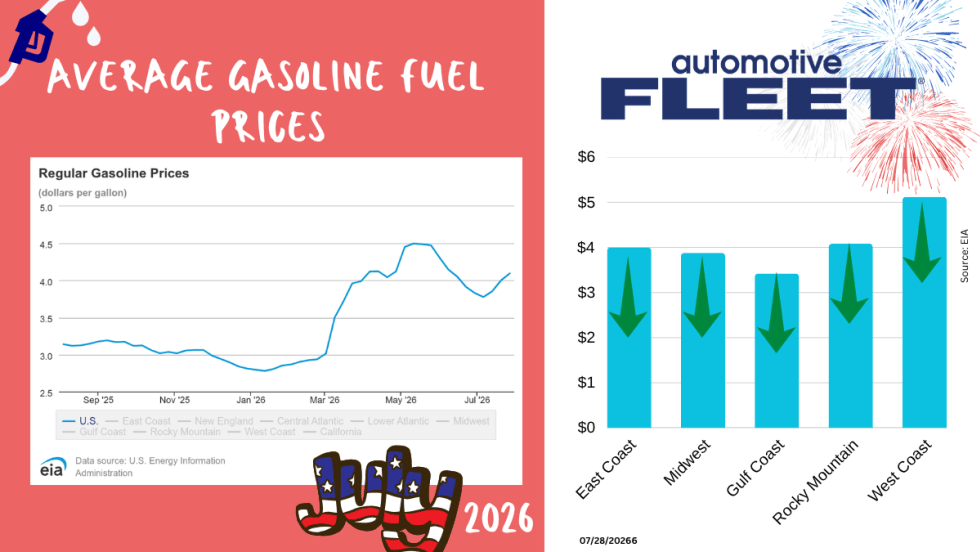
July Fuel Update: Prices Keep Rising in Light of More Conflict
Gas prices continue to rise as more and more conflicts do, too.
Read More →
Bob Adamsky on Fuel Volatility: "Don't Panic, Have a Plan."
When it comes to up and down fuel prices, Adamsky has a message for fleets: “Don’t panic.”
Read More →
How Fleets Can Gain Control of Non-Fuel Spend
Fuel often gets the spotlight, but non-fuel expenses can have a major impact on fleet costs. Ramel Lindsay of U.S. Bank Voyager discusses how fleets can gain better visibility and control over these often-overlooked expenditures.
Read More →
Fuel is Just the Start: How Middle East Tensions are Driving Up Fleet Maintenance Costs
The Middle East conflict is doing more than pushing up fuel prices. It’s also raising the cost of key maintenance products your fleet depends on, from motor oil to tires to windshield wipers. Here’s what you need to know about this budget-busting situation.
Read More →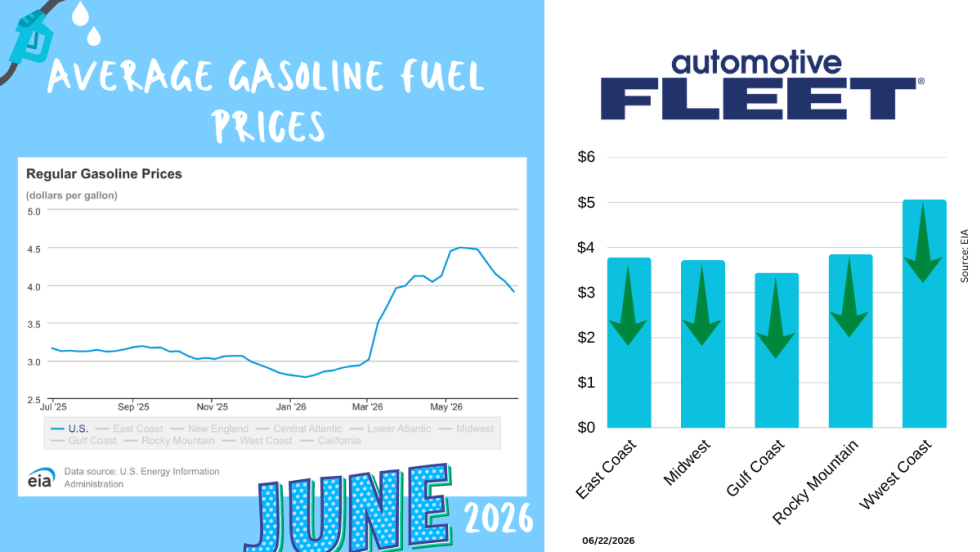
June Fuel Update: Prices Fall Below $4
Drivers are finally getting some relief at the pump. The national average gas price has dropped below $4 a gallon for the first time in months, with prices falling in 47 states as oil markets react to developments in U.S.-Iran negotiations.
Read More →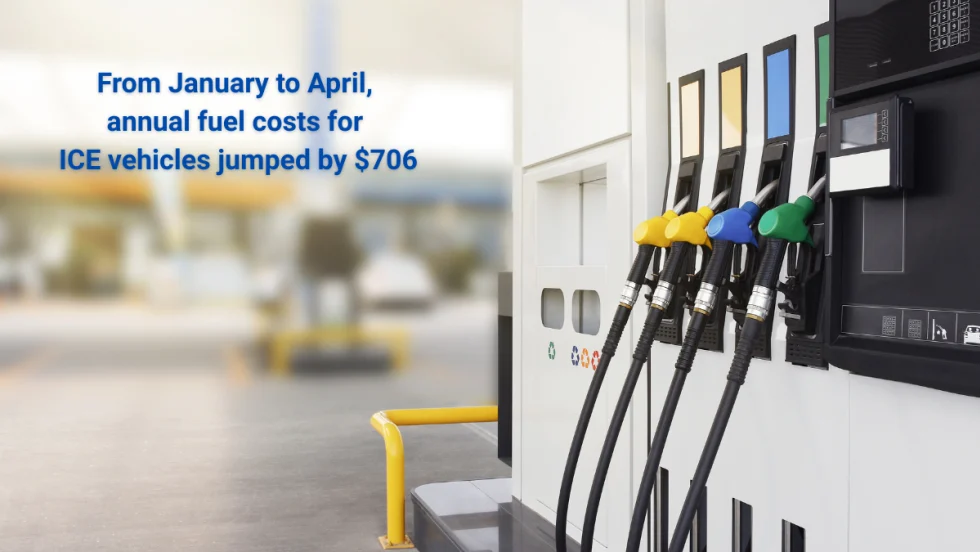
Study: How 2026's Gas Price Hikes Affect Different Vehicle Types
New data from iSeeCars reveals how rising fuel costs have affected different vehicle segments as gasoline prices climbed nearly 46% over the past four months.
Read More →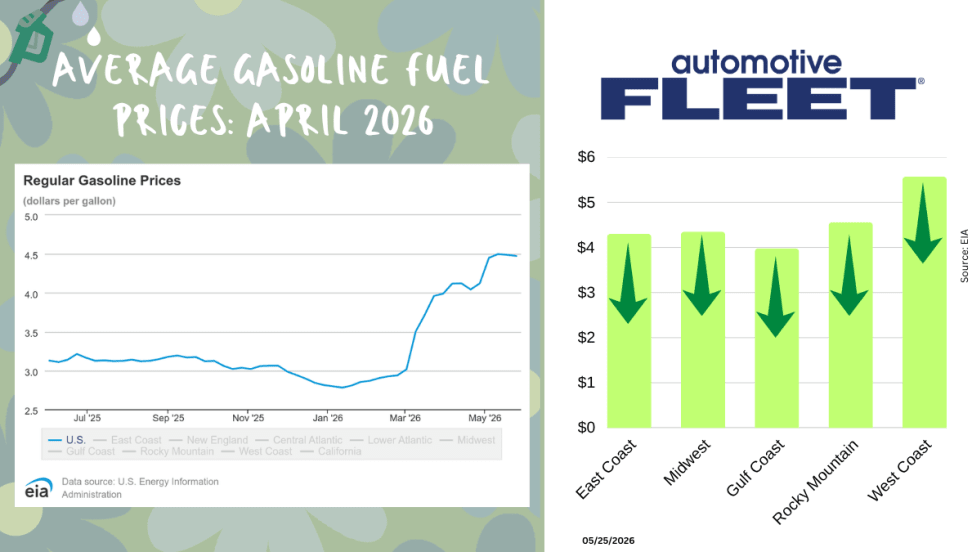
May Fuel Update: All Regions Experience Declines
Gas prices are finally easing in much of the country, but experts warn global tensions could quickly reverse the trend as the national average remains well above last month’s levels.
Read More →