





Miss This? Which Vehicles Deliver the Best Fleet Value? Vincentric’s 2025 Results Are In
Toyota Debuts New EV Model
Toyota has announced the all-new 2026 C-HR Battery Electric Vehicle (BEV), and it goes from 0-60 mph in just five seconds.
May 20, 2025
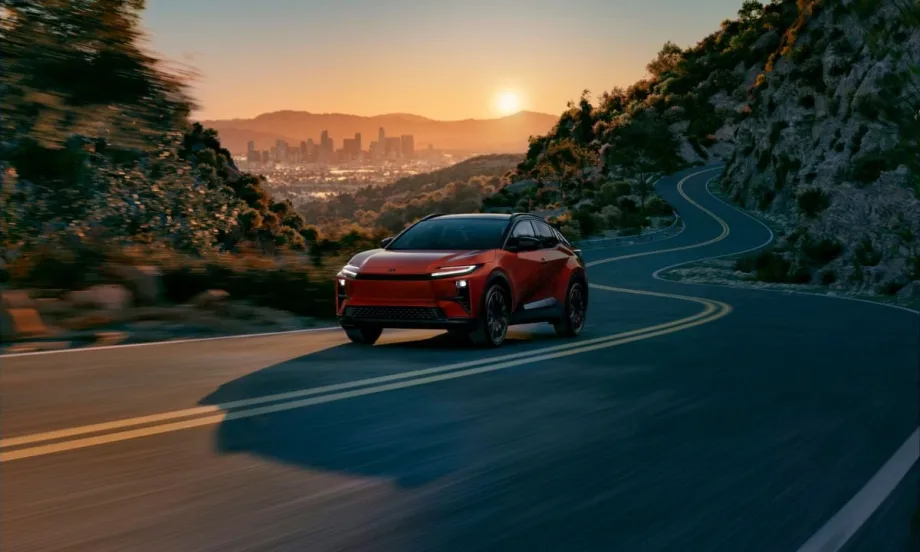
The 2026 Toyota C-HR BEV.
Photo: Toyota
4 min to read
Toyota has announced the all-new 2026 C-HR Battery Electric Vehicle (BEV), the 20th model in their electric lineup. The C-HR will come in two grades, SE and XSE, and is expected to arrive at dealerships nationwide in 2026.
The Toyota C-HR has a 338 hp combined system output, standard All-Wheel Drive, and a 0-60 mph time of about five seconds. It will be powered by a 74.7 kW lithium-ion battery with a manufacturer-estimated all-electric range of 290 miles (ranges and charging times will vary depending on weather and other factors).
The C-HR will have a North American Charging System (NACS), making it compatible with thousands of nationwide DC charging stations. It will also include Plug & Charge capabilities for charging on Level One and Level Two AC power sources.
Regenerative braking power capabilities will be standard, with the ability to activate or deactivate.
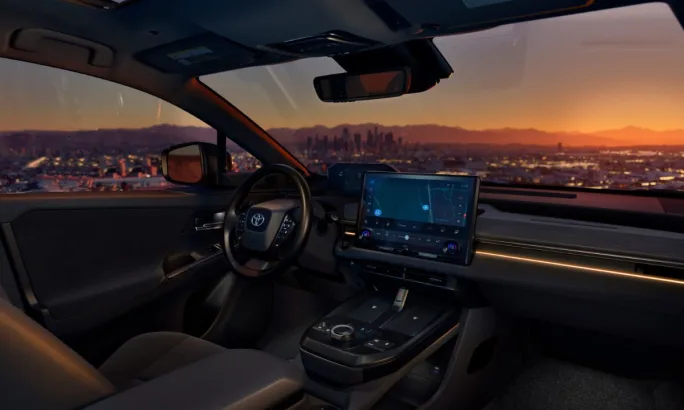
The C-HR BEV’s interior includes a 14-in. touchscreen display, a fully digital gauge cluster, and dual wireless charges in the center console.
Photo: Toyota
Multimedia and Technology: Remote Connect and On-board Wi-Fi
Standard interior features include a 14-in. touchscreen running the Toyota Audio Multimedia system, a fully digital gauge cluster, dual wireless chargers in the center console, and Toyota Safety Sense 3.0.
All Toyota C-HR models will have a six-speaker audio system. A JBL Premium Audio nine-speaker system with an eight-channel, 800-watt amplifier, and a nine-inch subwoofer option is also available.
The Toyota Audio Multimedia system allows Bluetooth phone connectivity with Apple CarPlay and Android Auto support.
It also comes with Wi-Fi Connect, which offers 4G connectivity for up to five devices via an AT&T hotspot.
The C-HR also comes with a five-year minimum trial subscription to both Safety Connectand Service Connect. These services include an Emergency Assistance Button, 24/7 Enhanced Roadside Assistance, and more.
Users can also stay connected to their C-HR with Remote Connect via the Toyota App. Remote Connect allows users to activate headlights, lock and unlock the rear hatch, check battery status, and more. A three-year trial of Remote Connect is included.
There are rear USB ports for wired charging, rear cabin air conditioning control, and a panoramic roof.
Battery Capacity and Charging
The 2026 Toyota C-HR BEVs’ electric motors are housed in the front and rear eAxles. It has a low center of gravity due to the underfloor-mounted battery pack. A cross-framing structure for enhanced vehicle stability also surrounds the battery pack.
The C-HR is compact and built on Toyota’s e-TNGA battery electric vehicle platform. It is 177.9 in. long, 73.6 in. wide, and 63.8 in. overall height.
The suspension has also been tuned specially for the C-HR, including the performance of the springs and dampers and the stiffness of the anti-roll bars.
The C-HR will recharge from 10% to 80% battery capacity in about 30 minutes, under ideal conditions. It will also have Plug & Charge capability, an industry standard that enables a secure electric vehicle charging experience across all public stations.
It will come with 18-inch and 20-inch wheel selections and two-tone paint options.
Fresh Features in Both Models
The 2026 C-HR BEV will be available in SE and XSE grades. Both options will include new colors, and the XSE will have a two-tone paint option.
SE features include:
Performance specifications:
Manufacturer estimated 290-mile all-electric driving range rating
338 hp
11-kW onboard AC charger
Dual-voltage A/C charging cable
NACS charging port
18-in. wheels with black alloy inserts
Power liftgate
Rain-sensing wipers
Low profile roof rails
Fabric/SofTex trimmed seating with eight-way power driver seat and six-way manual passenger seat
Heated front seats and steering wheel
14-in. touchscreen with Toyota Audio Multimedia system
Two front wireless Qi chargers
Three USB-Type C ports (one front, two rear)
Toyota Safety Sense 3.0
Front & Rear Parking Assist with Automatic Braking
Blind Spot Monitor
XSE adds to or replaces features with:
20-in. gun metal finished wheels
SofTex and synthetic suede-trimmed seats
Eight-way power passenger seat
Driver memory seat
Traffic Jam Assist (requires an active Drive Connect subscription or trial)
Lane Change Assist
Panoramic View Monitor
Toyota Safety Sense 3.0 Suite is Standard
Safety comes standard in the 2026 Toyota C-HR BEV Toyota Safety Sense 3.0 safety (TSS 3.0) suite that includes:
Pre-Collision System with Pedestrian Detection (PCS w/PD)
Full-Speed Range Dynamic Radar Cruise Control (DCRR)
Lane Departure Alert with Steering Assist (LDA w/SA)
Lane Tracing Assist (LTA)
Road Sign Assist (RSA)
Automatic High Beams (AHB)
Proactive Driving Assist (PDA)
Blind Spot Monitor with Rear Cross-Traffic Alert
Safe Exit Alert
Toyota’s Star Safety System also comes standard and includes:
Vehicle Stability Control (VSC)
Traction Control (TRAC)
Anti-lock Brake System (ABS)
Electronic Brake-force Distribution (EBD)
Brake Assist (BA)
Smart Stop Technology (SST)
Driver assistance features include:
Traffic Jam Assist
Lane Change Assist
Front Cross-Traffic Alert
Toyota also uses many measures to protect its battery cell technology. These measures include using a high-resistance coolant circulation system to prevent short circuits and redundant battery voltage monitoring to help maintain optimal battery temperature.
Factory Maintenance for 2 Years or 25k
Toyota’s 36-month/36,000-mile basic new-vehicle warranty applies to all components other than normal wear and maintenance items. Additional 60-month warranties cover the powertrain for 60,000 miles and corrosion with no mileage limitation. The Electric Vehicle Driving Components, including the traction battery, are covered for eight years or 100,000 miles, whichever comes first. Toyota dealers have complete details on the limited warranty.
The Toyota C-HR also comes with ToyotaCare, which covers normal factory-scheduled maintenance for two years or 25,000 miles, whichever comes first, and three years of Roadside Assistance, regardless of mileage.
More Vehicle Research
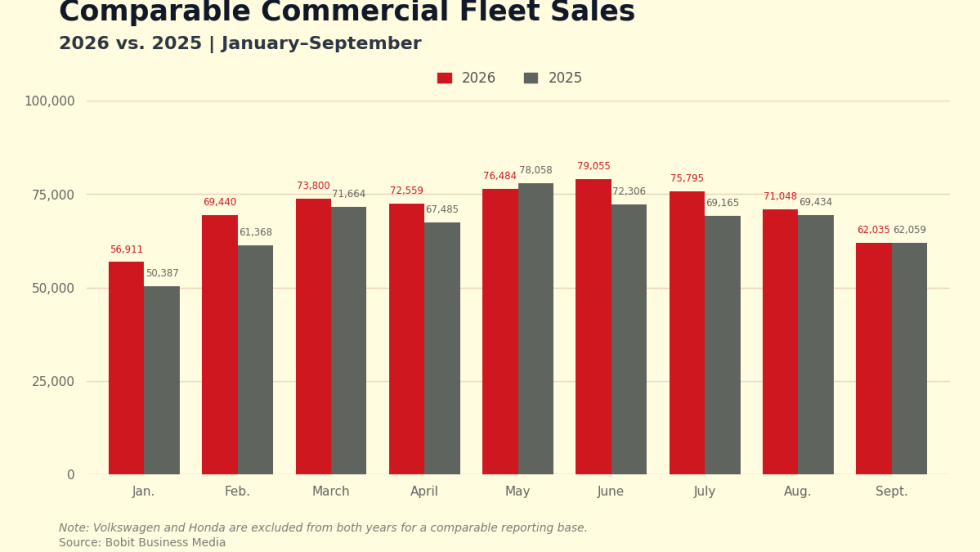
Commercial Fleet Sales Rise 5.8% Through September 2026
September commercial fleet sales were essentially unchanged from a year earlier, slowing year-to-date growth while keeping volume ahead of 2025.
Read More →
Hall of Fame Inductee: John Dmochowsky
The longtime Mondelēz International fleet executive joins the Automotive Fleet Hall of Fame.
Read More →
Hall of Fame Inductee: Lee Miller
After more than four decades at Boehringer Ingelheim, Lee Miller leaves a legacy built on fleet expertise.
Read More →
Hall of Fame Inductee: Mark F. Petersen
From managing fleets of thousands of vehicles to advancing safety and mentoring fellow professionals, Mark F. Petersen made his mark across both the corporate and supplier sides of fleet.
Read More →
When Charger Downtime Becomes a Fleet Availability Problem
As EV deployments move beyond pilot programs, charger reliability can directly affect vehicle readiness, driver productivity and route scheduling.
Read More →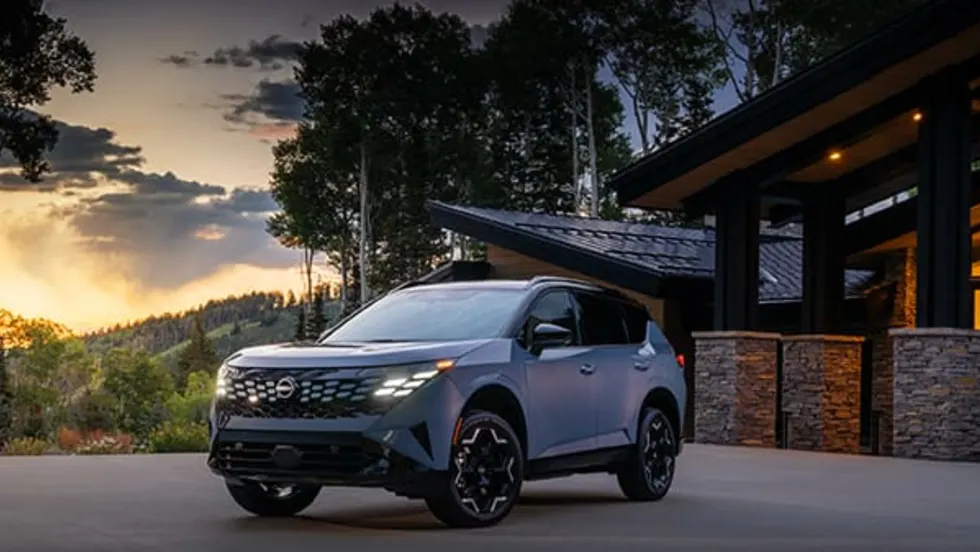
2027 Nissan Rogue Hybrid Adds e-POWER, Standard AWD
The new Rogue Hybrid uses Nissan’s e-POWER system with dual electric motors, offers an estimated 40 mpg and starts at $35,490.
Read More →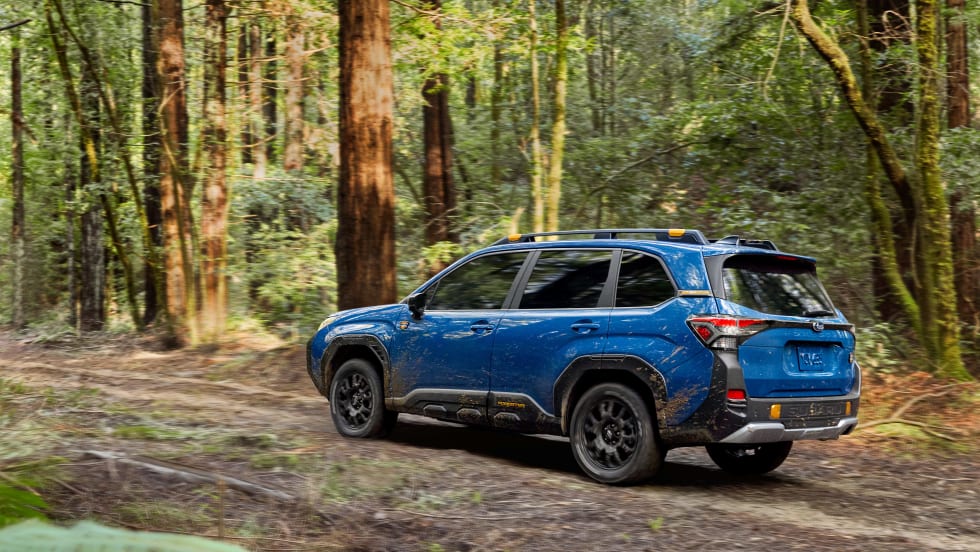
2027 Subaru Forester Adds First Wilderness Hybrid
The 2027 Forester lineup starts at $29,995 and adds a Wilderness Hybrid with 194 combined horsepower and 9.3 inches of ground clearance.
Read More →
EV Realty Names Henrik Holland President as Charging Platform Expands
The former Prologis Mobility and Shell executive will help expand EV Realty’s truck charging business and move its power-first infrastructure model into autonomous vehicle depots and other fleet sectors.
Read More →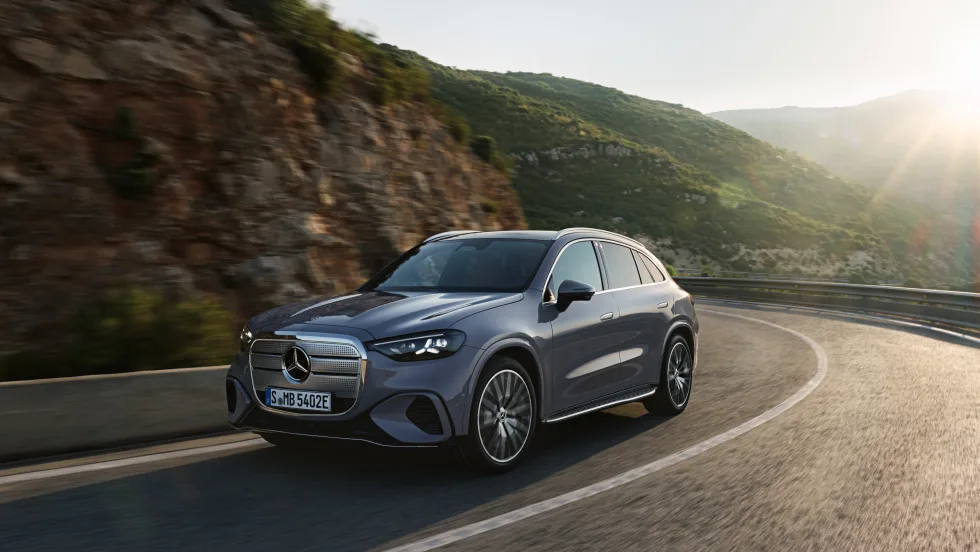
Mercedes-Benz Introduces Electric GLC With Up to 350 Miles of Range
The GLC 400 4MATIC Electric features an 800-volt architecture, 330-kW DC fast charging and a 94-kWh battery, along with Mercedes-Benz's new MB.OS operating system.
Read More →
Fleet Has a Talent Pipeline Problem, not a Talent Problem
Where will the next generation of fleet leaders come from, and what does the industry need to do differently to find them?
Read More →