




Thermo Fisher Fleet Transitioning to New Fuel-Efficient Sedans and SUVs
WALTHAM, MA - Thermo Fisher Scientific started downsizing from mid-size, six-cylinder SUVS to smaller, four-cylinder SUVS in 2009. In 2012, the company plans to evaluate new vehicles in the second quarter.
WALTHAM, MA – When new vehicles with the potential for solid fuel-economy gains come around, fleet managers are always interested in getting the right one onto a selector. Waltham, Mass.-based Thermo Fisher Scientific’s Global Sr. Category Leader for Fleet & Indirect Services, Rick Odell, C.P.M., told Automotive Fleet that his company will be evaluating new SUVs and sedans for use in the company’s fleet for Q3, 2012. In addition, he explained that in 2011 his group selected the Ford Edge for the selector used for a segment of the company’s fleet. Downsizing from mid-size, six-cylinder SUVS to smaller, four-cylinder SUVS began in 2009, according to Odell.
Odell said Thermo Fisher’s fleet currently has approximately 2,200 vehicles. He said 50 percent of the fleet consists of SUVs, 30 percent consists of sedans, and 20 percent consists of minivans. Out of that group of vehicles, Odell and his group were able to put a number of Edge models, specifically 2.0L Ecoboost-equipped versions, into the company’s fleet mix in 2011, thereby realizing both a drop in C02 emissions and fuel savings. That said, winter weather conditions in the northern part of the U.S. prevented Odell from replacing all the SUVs used in the fleet with the Edge.
“We weren’t able to put the FWD versions into the fleet across all regions of the country, in all states, and the 2.0L Ecoboost version is not available in AWD,” Odell said. “We were limited to just 100 vehicles.”
Odell expects to evaluate new small SUVs and mid-size sedans in the second quarter of 2012, and he said his group is planning to look at vehicles from Ford, Chrysler, and Subaru.
“We’re already in the middle of processing our spring orders, so we will evaluate the vehicles during Q2 and make our decision for Q3,” Odell said.
In the second quarter, Thermo Fisher’s drivers will first test-drive the vehicles, and then Odell will do a total-cost-of-ownership and business requirements analysis to determine the right sedan and SUV. He said the company will then choose vehicles from a single OEM for the two selectors.
By Greg Basich
More Fuel
Fuel Prices Surge in September | September Fuel Update
September brought major fuel price swings, including diesel crossing $6 a gallon. Here’s how gas and diesel prices changed throughout the month, and where they stood heading into October.
Read More →
Turning Fleet Payment Data into Executive Insights
Ramel Lindsay of U.S. Bank Voyager discusses how fleets can transform payment and transaction data into actionable intelligence to reduce costs, improve oversight, and support executive decision-making.
Read More →
Why the IRS Raised Its Mileage Rate in the Middle of 2026
Fuel-price volatility drove the rare increase to 76 cents per mile, the fifth midyear adjustment since 2000.
Read More →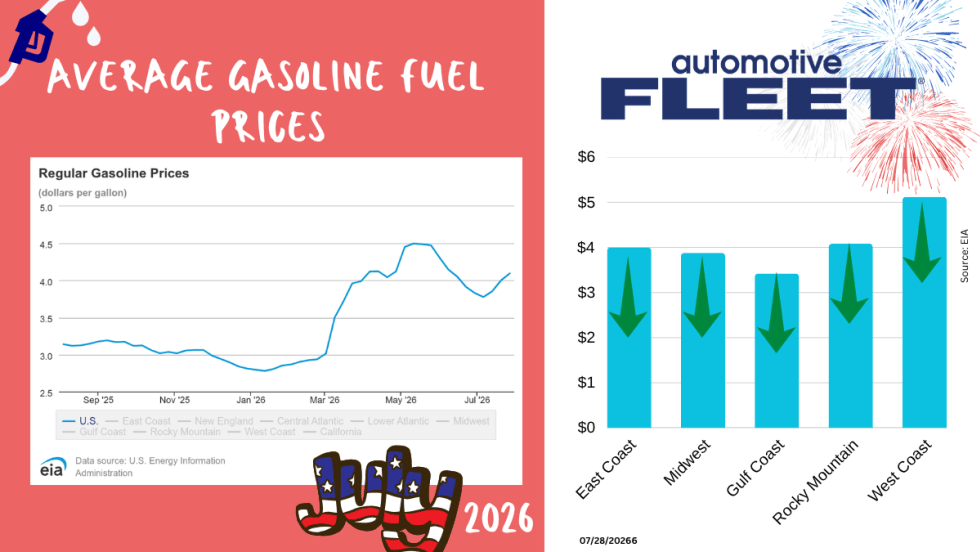
July Fuel Update: Prices Keep Rising in Light of More Conflict
Gas prices continue to rise as more and more conflicts do, too.
Read More →
Bob Adamsky on Fuel Volatility: "Don't Panic, Have a Plan."
When it comes to up and down fuel prices, Adamsky has a message for fleets: “Don’t panic.”
Read More →
How Fleets Can Gain Control of Non-Fuel Spend
Fuel often gets the spotlight, but non-fuel expenses can have a major impact on fleet costs. Ramel Lindsay of U.S. Bank Voyager discusses how fleets can gain better visibility and control over these often-overlooked expenditures.
Read More →
Fuel is Just the Start: How Middle East Tensions are Driving Up Fleet Maintenance Costs
The Middle East conflict is doing more than pushing up fuel prices. It’s also raising the cost of key maintenance products your fleet depends on, from motor oil to tires to windshield wipers. Here’s what you need to know about this budget-busting situation.
Read More →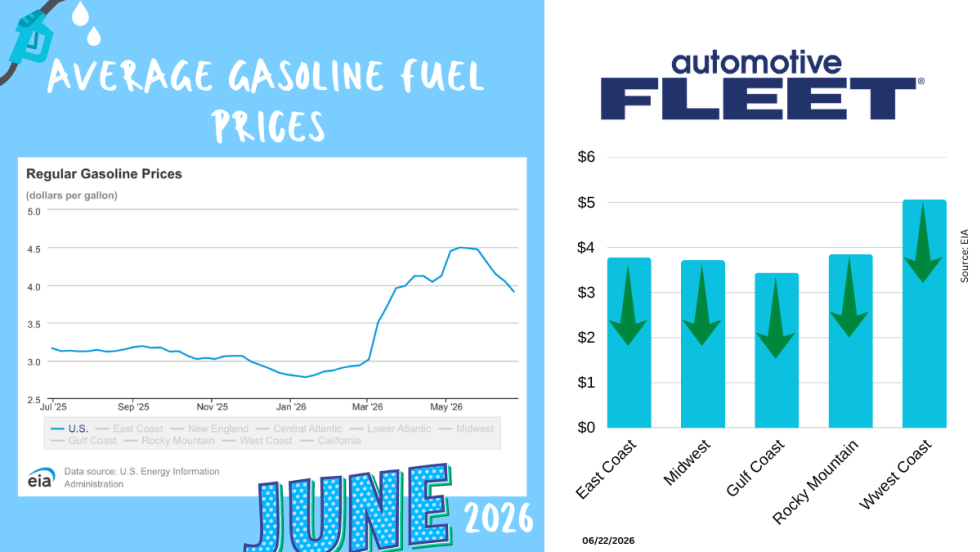
June Fuel Update: Prices Fall Below $4
Drivers are finally getting some relief at the pump. The national average gas price has dropped below $4 a gallon for the first time in months, with prices falling in 47 states as oil markets react to developments in U.S.-Iran negotiations.
Read More →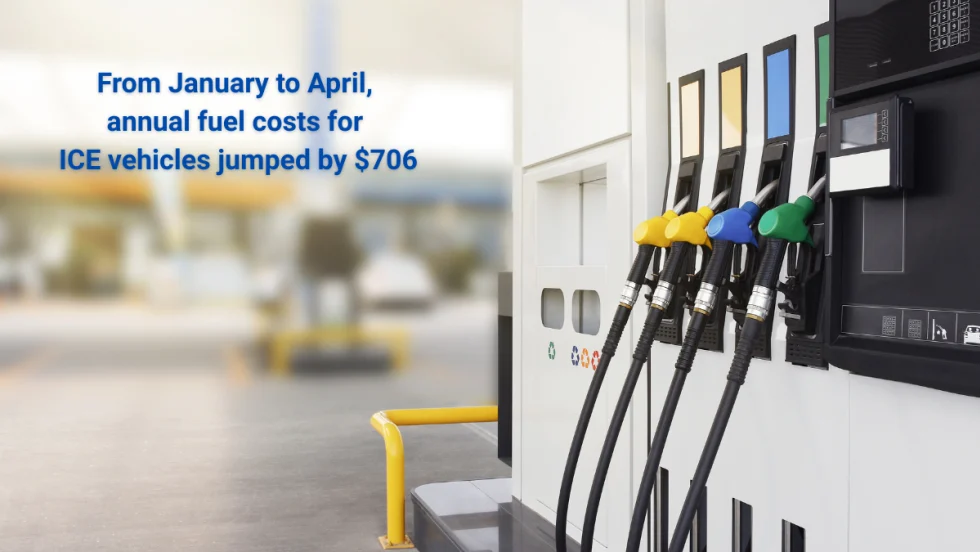
Study: How 2026's Gas Price Hikes Affect Different Vehicle Types
New data from iSeeCars reveals how rising fuel costs have affected different vehicle segments as gasoline prices climbed nearly 46% over the past four months.
Read More →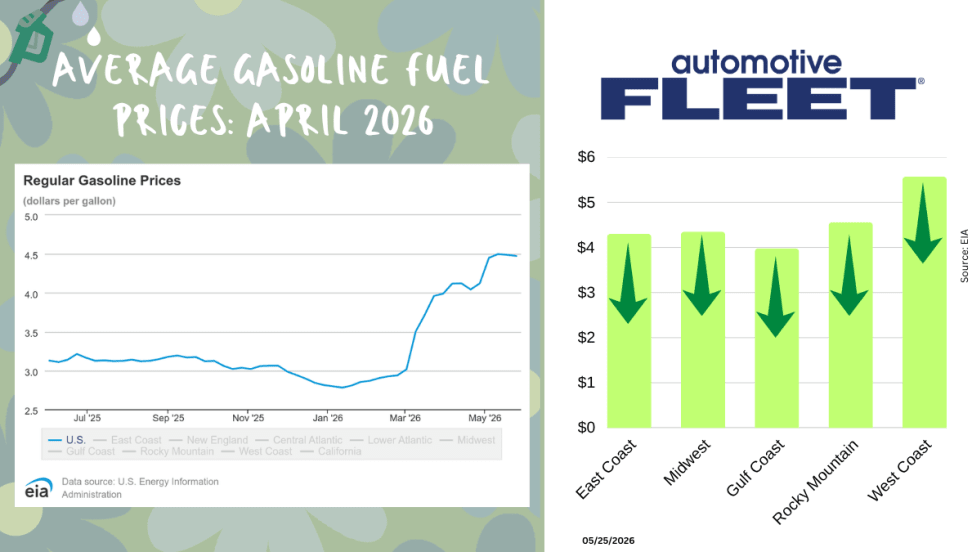
May Fuel Update: All Regions Experience Declines
Gas prices are finally easing in much of the country, but experts warn global tensions could quickly reverse the trend as the national average remains well above last month’s levels.
Read More →