




Telematics and ‘Green' Initiatives Surge in Private Truck Fleets
FORT LAUDERDALE, FL – America's private truck fleets are increasingly employing telematics to help drive down the cost of doing business, according to industry leaders responding to a survey commissioned by PHH FirstFleet. In addition, truck fleets are “going green” in order to implement environmentally sound practices.
FORT LAUDERDALE, FL – America’s private truck fleets are increasingly employing telematics to help drive down the cost of doing business, according to industry leaders responding to a survey commissioned by PHH FirstFleet. In addition, truck fleets are “going green” in order to implement environmentally sound practices. PHH FirstFleet’s survey of private truck fleets was conducted online and during the company’s recent Fleet Management Conference. The survey revealed that 60 percent of fleet managers said they are adopting the devices to track equipment status and driver activities. Seventy-nine percent said they were installing the technology in 75 to 100 percent of their fleet, with 42 percent reporting the main concern was to track delivery times. Thirty-nine percent of the respondents indicated they wanted to optimize routes and fuel management, and 38 percent thought their drivers would perform better and drive more responsibly if they knew they were being monitored. Equipment endurance (18 percent) and security (20 percent) were lower on the scale as motivation to install telematics. Implementation of telematics has been a positive experience for a vast majority of the fleet managers who are currently using this technology, with 83 percent saying that telematics helped improve performance and 68 percent saying that telematics became fundamental to the entire operation. Fifty-seven percent were pleased by the visible return on this financial investment. The survey posed a question about the reliability of ease of implementation of telematics devices, with 33 percent saying it was easy, 25 percent saying it was difficult, and 15 percent saying their drivers had technical problems operating them. Between 50 to 54 percent said they would probably install or expand a telematics program in their fleets this year, including the adoption of related policies and procedures on the data collected. The survey also said that ‘Going Green’ turned out to be popular at the fleet managers’ companies, with 65 percent reporting that some type of environmentally conscious initiative had been put in place. The majority use outside contractors to conduct recycling programs and handle waste products, but the investments have not been big and the programs remain very low-key, according to 59 percent of respondents. However, “green” initiatives are on the rise, with 67 percent reporting plans for additional investments this year. The topmost concerns for fleet managers included using data to improve fleet performance, escalating operating costs including fuel management, and the fast-shrinking pool of qualified truck drivers. The survey, with a 50-percent response rate, was commissioned by PHH FirstFleet and conducted by Starmark Market Intelligence. For a full summary of the PHH FirstFleet National Survey of Fleet Managers, visit www.phhfirstfleet.com.
More Fuel
Fuel Prices Surge in September | September Fuel Update
September brought major fuel price swings, including diesel crossing $6 a gallon. Here’s how gas and diesel prices changed throughout the month, and where they stood heading into October.
Read More →
Turning Fleet Payment Data into Executive Insights
Ramel Lindsay of U.S. Bank Voyager discusses how fleets can transform payment and transaction data into actionable intelligence to reduce costs, improve oversight, and support executive decision-making.
Read More →
Why the IRS Raised Its Mileage Rate in the Middle of 2026
Fuel-price volatility drove the rare increase to 76 cents per mile, the fifth midyear adjustment since 2000.
Read More →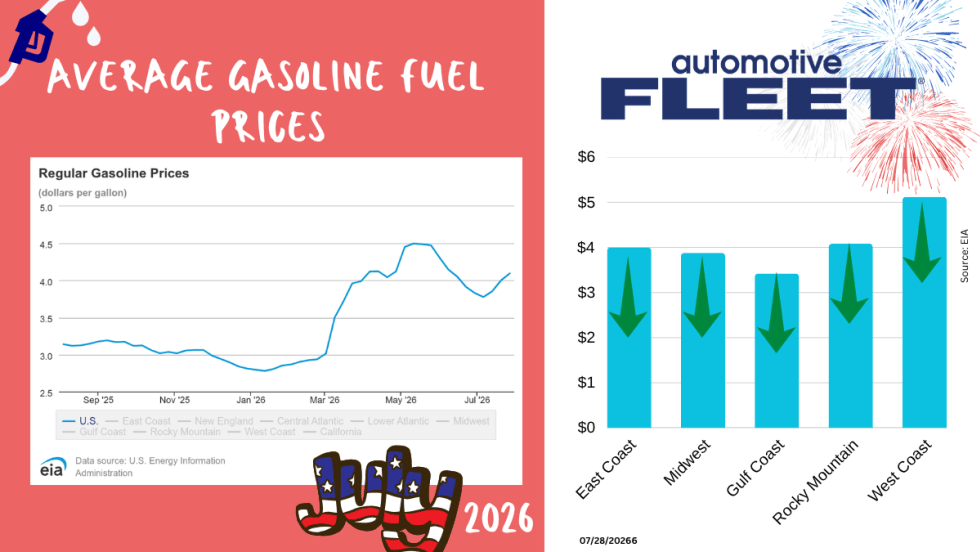
July Fuel Update: Prices Keep Rising in Light of More Conflict
Gas prices continue to rise as more and more conflicts do, too.
Read More →
Bob Adamsky on Fuel Volatility: "Don't Panic, Have a Plan."
When it comes to up and down fuel prices, Adamsky has a message for fleets: “Don’t panic.”
Read More →
How Fleets Can Gain Control of Non-Fuel Spend
Fuel often gets the spotlight, but non-fuel expenses can have a major impact on fleet costs. Ramel Lindsay of U.S. Bank Voyager discusses how fleets can gain better visibility and control over these often-overlooked expenditures.
Read More →
Fuel is Just the Start: How Middle East Tensions are Driving Up Fleet Maintenance Costs
The Middle East conflict is doing more than pushing up fuel prices. It’s also raising the cost of key maintenance products your fleet depends on, from motor oil to tires to windshield wipers. Here’s what you need to know about this budget-busting situation.
Read More →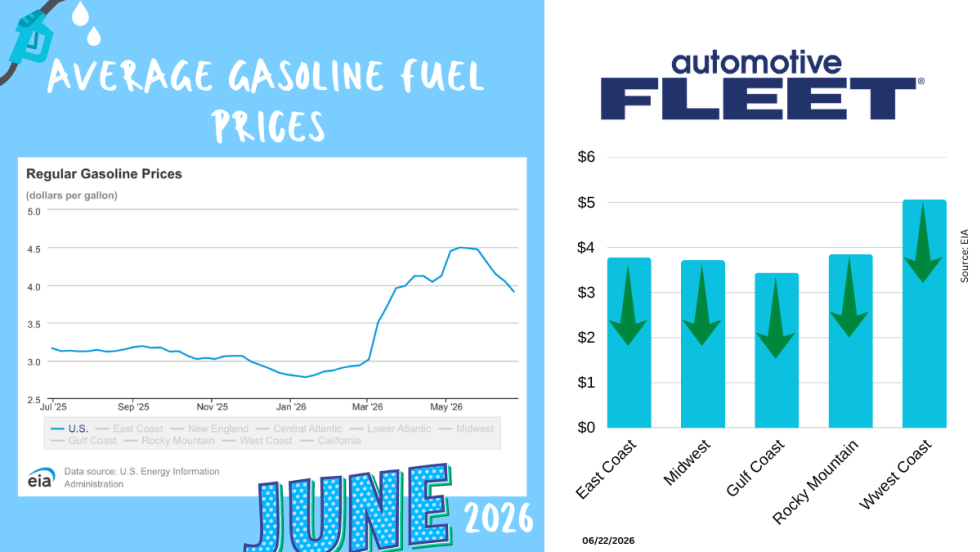
June Fuel Update: Prices Fall Below $4
Drivers are finally getting some relief at the pump. The national average gas price has dropped below $4 a gallon for the first time in months, with prices falling in 47 states as oil markets react to developments in U.S.-Iran negotiations.
Read More →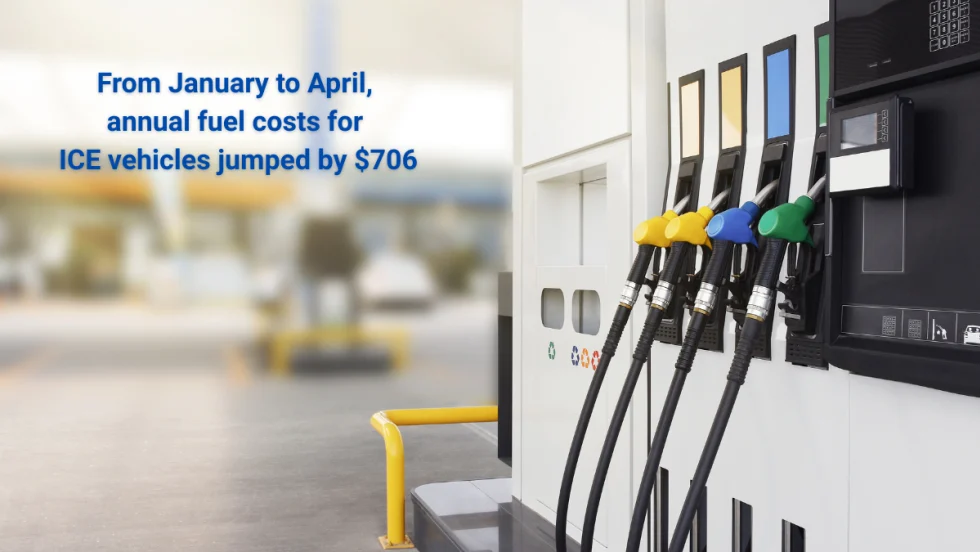
Study: How 2026's Gas Price Hikes Affect Different Vehicle Types
New data from iSeeCars reveals how rising fuel costs have affected different vehicle segments as gasoline prices climbed nearly 46% over the past four months.
Read More →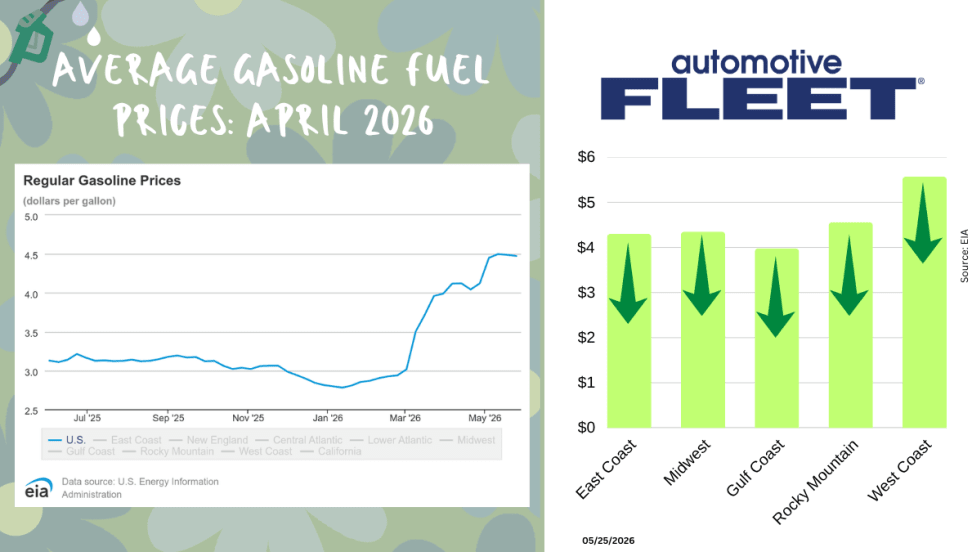
May Fuel Update: All Regions Experience Declines
Gas prices are finally easing in much of the country, but experts warn global tensions could quickly reverse the trend as the national average remains well above last month’s levels.
Read More →