





Learn More: How Recession, Inflation & Supply Chains Will Impact the 2023 Truck Market
Survey: Average Truck Age Exceeds Normal Cycle
NTEA’s latest Fleet Purchasing Outlook survey found that 69% of respondents reported the average age of their trucks is exceeding their normal replacement cycle, and 29% say the average age is increasing beyond 10 years.
February 24, 2023
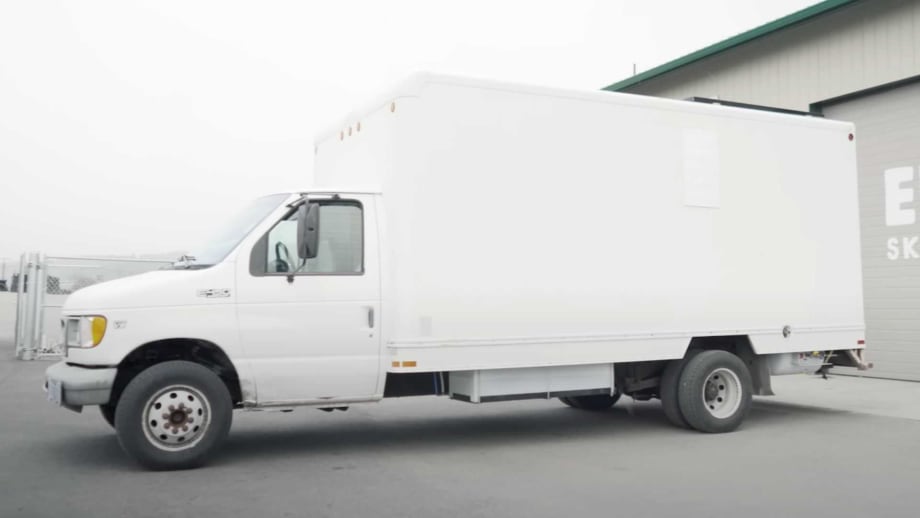
The average truck age is not the only aspect increasing, as 42% of the survey's participants said their fleet size is growing.
Photo: Ford
2 min to read
NTEA recently published its 11th annual Fleet Purchasing Outlook, with 69% of survey participants reporting the average age of their trucks is exceeding their normal replacement cycle.
According to the survey, 29% say the average age is increasing beyond 10 years.
“The latest survey responses indicate that fleet purchasing activity will focus on deferred replacement and growth,” said Chris Lyon, NTEA director of fleet relations. “These findings are consistent with expectations, as fleets continue to be challenged by the ability to obtain chassis.”
NTEA said it gathers feedback from fleet professionals to make commercial vehicle acquisition and specification decisions. Participants come from a wide range of fleet sizes, vehicle weight classes, and vocational truck applications across the U.S. and Canada.
Primary sectors featured in the analysis include government/municipal, construction, delivery, and utility/telecom application markets.
With current survey results combined with data from previous studies, the report delivers year-over-year comparisons for benchmarking purposes and insight into the fleet perspective to help organizations develop future business strategies.
Report findings showcase:
Average vehicle age and replacement cycles.
Projected change in fleet size.
Acquisition plans and funding.
Anticipated vehicle platform shifts.
Technology implementations.
Conventional and alternative fuels usage.
Formalized alternative fuel programs.
Commercial vehicle systems electrification.
Safety and automation options.
Commercial vehicle maintenance approaches.
Lead time considerations.
Fleet respondents report:
40% state their fleet size is remaining the same.
95% plan to make at least some acquisitions in 2023 (up 6% over 2022), and 58% plan to replace at least 5% of their total fleet in 2023.
42% say they would purchase a different brand due to longer lead times and lack of chassis availability.
79% are using drive and duty cycle data and 81% are using telematics.
91% are finding safety and automation options to meet their needs; tire pressure monitoring, collision avoidance, and lane departure warnings make the list of top items of importance to fleets.
62% intend to purchase advanced fuel vehicles in 2023.
77% perform in-house maintenance or a combination of in-house maintenance with support from an outside service provider.
More Operations

How Fleets Can Recruit and Train Veterans for Technician Roles
Here's how the technician shortage has affected uptime for fleets, and what to do about it.
Read More →
Avis Budget Group Deploys Neology Toll Management Technology Across Major Brands
Neology’s neoFleet platform will manage toll transactions and toll-authority operations for vehicles across Avis, Budget, Payless, Budget Truck and Zipcar.
Read More →
Fleet Personal-Use Charges Edge Higher in 2026
Nearly eight in 10 surveyed fleets allow personal use of company vehicles, while just over half of respondents report charging employees for the privilege.
Read More →
The Future of Fleet + What’s Changing Right Now | AF News Recap
Could developments overseas offer a preview of what’s coming for U.S. fleets? This week, we’re looking at the future of AI, autonomy, and electrification, plus Ford Pro’s new certified pre-owned program, smarter vehicle offboarding, and a new way for fleets to manage toll expenses.
Read More →
How to Handle Vehicle Offboarding
What do fleet managers need to do when a driver leaves?
Read More →
Sponsored•October 1, 2026
Fleet Manager’s Ultimate Playbook: Navigating the New Standard in OEM Connectivity
Rising operating costs, driver safety concerns, and unplanned downtime are putting unprecedented pressure on modern fleets. Discover how fleet managers use embedded OEM connectivity and real-time vehicle data to cut TCO, prevent downtime, and protect drivers without aftermarket telematics hardware.
Read More →
U.S. Bank Adds Verra Mobility Toll Management to Voyager Fleet Platform
The integration allows U.S. Bank Voyager fleet customers to manage toll payments and violations alongside fuel, EV charging and maintenance expenses.
Read More →
ADAS Prevents Crashes. But Repairs Cost More | AF News Recap
ADAS-equipped vehicles may crash less often, but they can cost more when they do. This week, we’re breaking down what that tradeoff means for fleets, plus Subaru’s first Forester Wilderness Hybrid, Nissan’s new e-POWER Rogue, and why Calstart has become Catalyst Mobility.
Read More →
Moventum Fleet Management Names Mark Iorillo Head of Sales
Iorillo brings nearly 20 years of fleet management and sales experience to the role, including previous positions at Element Fleet Management, CEI, Donlen and Ryder.
Read More →
Fleet Has a Talent Pipeline Problem. What Comes Next? | AF News Recap
Where will fleet’s next generation of leaders come from? This week, we’re looking at the industry’s talent pipeline, what certification can add to a fleet career, how to build an award-worthy track record, and the return of Automotive Fleet’s Personal Use Survey.
Read More →