





Miss This? Geotab Celebrates 25th Anniversary
Sumitomo Rubber Industries to Acquire Viaduct
Viaduct will join Sumitomo as an independent subsidiary. Partnership strengthens global reach and accelerates AI-driven innovation for fleets and manufacturing.
September 8, 2025

Viaduct joins with Sumitomo Rubber Industries in a working partnership to develop AI technology that identifies, solves, and predicts product failures.
Photo: Viaduct
2 min to read
Viaduct has announced that it will be acquired by Sumitomo Rubber Industries (SRI) and will operate as an independent subsidiary of the global tire and rubber manufacturer.
David Hallac will continue as CEO of Viaduct, ensuring continuity of leadership and focus. “Our mission remains the same: to deliver innovative, AI-powered solutions that help our customers improve quality, efficiency, and performance,” Hallac said.
Viaduct is a Silicon Valley–based AI and machine learning company that specializes in applying advanced data science to the automotive, fleet, and manufacturing sectors.
SRI, headquartered in Kobe, Japan, has been a valued Viaduct partner and customer since 2023. With more than $8.2 billion in revenue and a heritage dating back to 1909, SRI is known worldwide for its automotive tires, as well as golf and tennis balls, and a wide range of rubber-based products.
This acquisition deepens the collaboration between the two companies while expanding opportunities for customers globally, Viaduct said in a statement.
Why It Matters for Viaduct’s Customers
“For Viaduct’s customers, the acquisition signals both stability and growth,” Hallac said. “With the financial and strategic backing of SRI, Viaduct will accelerate investment in innovation, particularly around user experience and product development.”
Customers will also gain the benefit of SRI’s global distribution networks, brand credibility, and operational resources, which will help expand Viaduct’s reach into new markets, according to the statement.
At the same time, the partnership enhances SRI’s own value proposition by closing critical technology gaps and integrating Viaduct’s differentiated AI-driven solutions.
New App Coming
In the near term, customers should not expect any changes in service or support. “The Viaduct team remains in place and committed to its current priorities, while SRI’s global fleet solutions team will join to help accelerate growth initiatives,” Hallac said.
Looking further ahead, Viaduct will roll out a new version of its Early Issue Detection (EID) app at the end of the third quarter, continue building an end-to-end fleet solution that spans the entire vehicle lifecycle, and expand its portfolio of defect detection and efficiency tools to deliver even greater value to manufacturing and operational teams.
More Global Fleet

GeoFencing Adds to Your Truck Security Arsenal
Geofencing is a familiar fleet tool today, but its early adoption marked a major shift in vehicle tracking, route monitoring, and the debate over employee privacy.
Read More →
Holman Takes Full Ownership of ARIZA in Mexico
Holman is bringing its Mexican fleet management operation fully under its own brand after more than 30 years as a joint venture. The change gives multinational fleet customers a single Holman operation across the U.S., Canada, and Mexico.
Read More →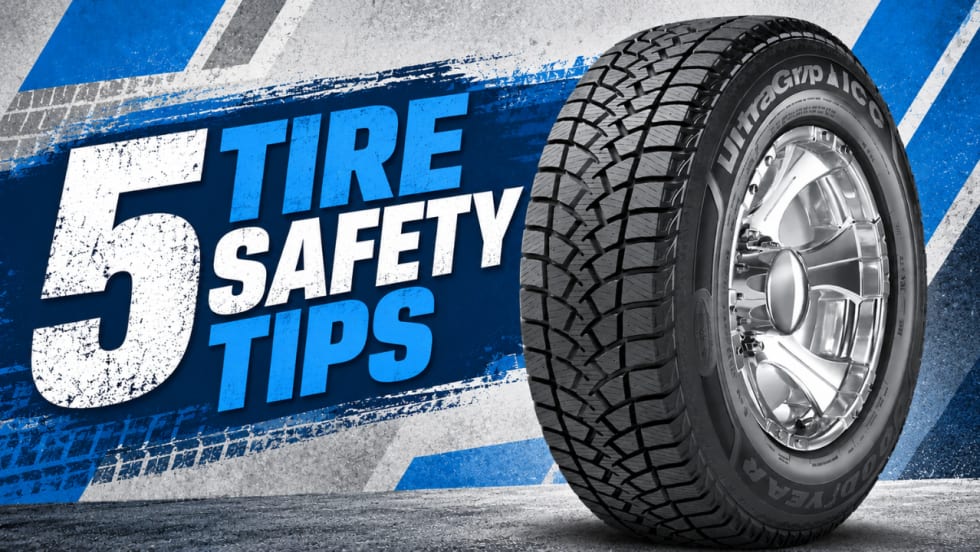
5 Tire Maintenance Tips to Help Prevent Work Truck Downtime
Regular tire checks can do more than extend tread life. These five maintenance practices can help work truck fleets catch problems early, reduce costs, and prevent downtime.
Read More →

Proven Ways to Reduce Work Truck Downtime
The age-old problem of downtime will always be a reality, but with new strategies at hand, fleets have more ways to keep trucks on the road longer.
Read More →


Cameras, Safety and Insurance: From Reactive Claims to Real-Time Prevention (Part 2 of 2)
Part Two: Commercial auto remains one of the most challenging and costly lines of coverage for fleet operators and insurers alike. Continue learning more about how to effectively address these issues from Onur Aksan, Enterprise Business Development Executive, Geotab
Read More →
Cameras, Safety and Insurance: From Reactive Claims to Real-time Prevention
Commercial auto remains one of the most challenging and costly lines of coverage for fleet operators and insurers alike. Learn more about how to effectively address these issues from Onur Aksan, Enterprise Business Development Executive, Geotab.
Read More →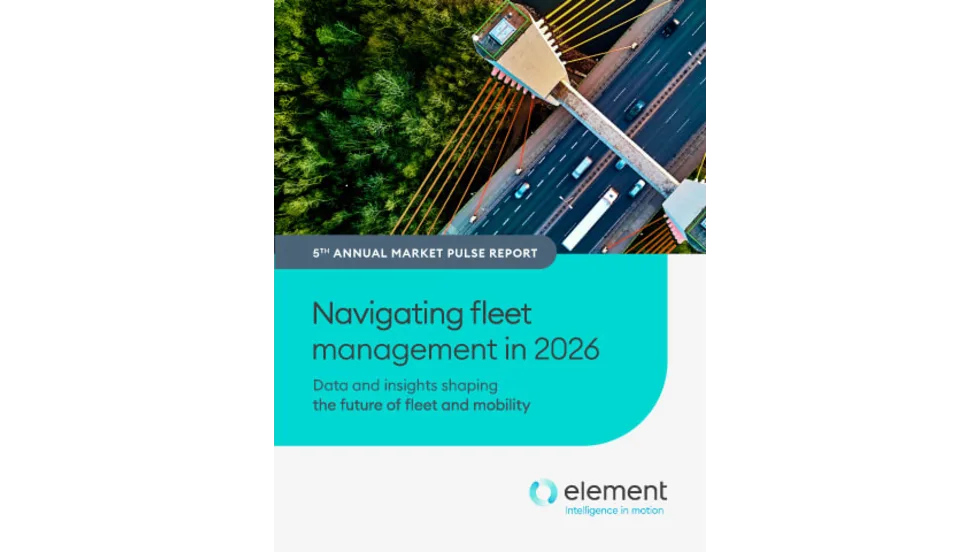
Fleet Costs Are Rising: Here’s How Leaders Are Responding
Fleet leaders are under pressure to reduce costs, adapt to economic uncertainty, and make smarter decisions. See how peers across North America are responding with real data, proven strategies, and forward-looking insights. Download the 2026 Market Pulse Report to benchmark your strategy and uncover where you can gain an edge.
Read More →
Enterprise Fleet Management Surpasses 900,000 Vehicles in U.S. & Canada
Enterprise Mobility connects with mobility solutions around the globe
Read More →