




SAP Labs U.S. Installs EV Charging Stations at Palo Alto Headquarters
PALO ALTO, CA - SAP showcased several installed ChargePoint stations along with new EVs, at the SAP Energy Efficiency Showcase held Dec. 9 at the SAP Labs U.S., Palo Alto campus.
PALO ALTO, CA - SAP, a leading provider of business software, has begun installation of 16 Coulomb ChargePoint networked electric vehicle (EV) charging stations at the Palo Alto headquarters of SAP Labs U.S. The largest installation of workplace-networked stations in the U.S., the 240 VAC Level II ChargePoint stations will be used by SAP fleet EVs and employees.
SAP showcased several installed ChargePoint stations along with new EVs, including the Silicon Valley Leadership Group's Toyota Prius Plug-in Hybrid (PEV), at the SAP Energy Efficiency Showcase held Dec. 9 at the SAP Labs U.S., Palo Alto campus.
"As a leader in Silicon Valley, we feel it's important to live the principles of sustainability, which are also core to our corporate strategy - both in serving our employee base and helping our customers," said Rami Branitzky, managing director of SAP Labs North America. "The introduction of Coulomb's ChargePoint stations and EVs at the SAP Labs Palo Alto campus is a further demonstration of our innovative culture and commitment to a sustainable workplace. We are proud to take this step forward, recognizing it will help us further lower our carbon emissions, deliver bottom-line savings, and encourage employee adoption of EVs. We also plan to offer to our employees free charging of EVs."
SAP Labs U.S. is working with the City of Palo Alto Utilities to power the charging stations via clean, 100-percent renewable energy.
Other workplace benefits provided to SAP by Coulomb's ChargePoint Network include the following:
Control access for employees: SAP can control who may access its charging stations (paid or free) to eliminate energy theft and to enhance safety.
Measuring performance of green initiatives: Tracking energy, greenhouse gas and fuel savings is necessary when measuring and demonstrating the success of corporate-sponsored green initiatives. ChargePoint stations provide the ability to track and report the benefits associated with EV charging. This data integrates with SAP sustainability solutions for visibility and reporting.
Cost-saving utility programs and incentives: Utility-grade meters and the ability to communicate with other smart grid systems enable demand response, time-of-use pricing, and other smart grid programs provided by SAP's local utility.
The ChargePoint networked EV charging stations are managed by the ChargePoint Network and provide EV drivers the ability to locate and navigate to charging stations from any smart phone and the ability to detect charging station availability from a smart phone or Google Maps. The ChargePoint Network also facilitates EV trip mapping, driver billing, 24/7 driver assistance, and greenhouse gas and energy savings (kWh) measurement.
The charging stations have dual outputs that deliver energy simultaneously: a 7.2 kW output delivering Level II (208/240 VAC @ 30 A) charging via the standard SAE J1772 connector and fixed 18-foot cable, and a 2 kW output delivering Level I (120 VAC @ 16 A) charging via a standard NEMA 5-20 receptacle protected behind a locking door.
The SAP Energy Efficiency Showcase event will bring together a select group of organizations, including Coulomb Technologies, to share experiences and expertise in executing a business case for sustainability.
More Fuel
Fuel Prices Surge in September | September Fuel Update
September brought major fuel price swings, including diesel crossing $6 a gallon. Here’s how gas and diesel prices changed throughout the month, and where they stood heading into October.
Read More →
Turning Fleet Payment Data into Executive Insights
Ramel Lindsay of U.S. Bank Voyager discusses how fleets can transform payment and transaction data into actionable intelligence to reduce costs, improve oversight, and support executive decision-making.
Read More →
Why the IRS Raised Its Mileage Rate in the Middle of 2026
Fuel-price volatility drove the rare increase to 76 cents per mile, the fifth midyear adjustment since 2000.
Read More →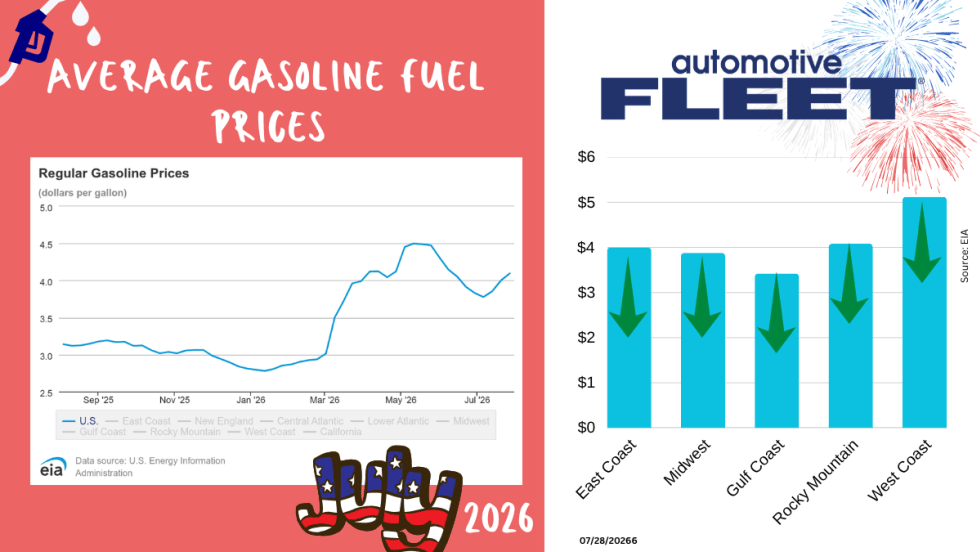
July Fuel Update: Prices Keep Rising in Light of More Conflict
Gas prices continue to rise as more and more conflicts do, too.
Read More →
Bob Adamsky on Fuel Volatility: "Don't Panic, Have a Plan."
When it comes to up and down fuel prices, Adamsky has a message for fleets: “Don’t panic.”
Read More →
How Fleets Can Gain Control of Non-Fuel Spend
Fuel often gets the spotlight, but non-fuel expenses can have a major impact on fleet costs. Ramel Lindsay of U.S. Bank Voyager discusses how fleets can gain better visibility and control over these often-overlooked expenditures.
Read More →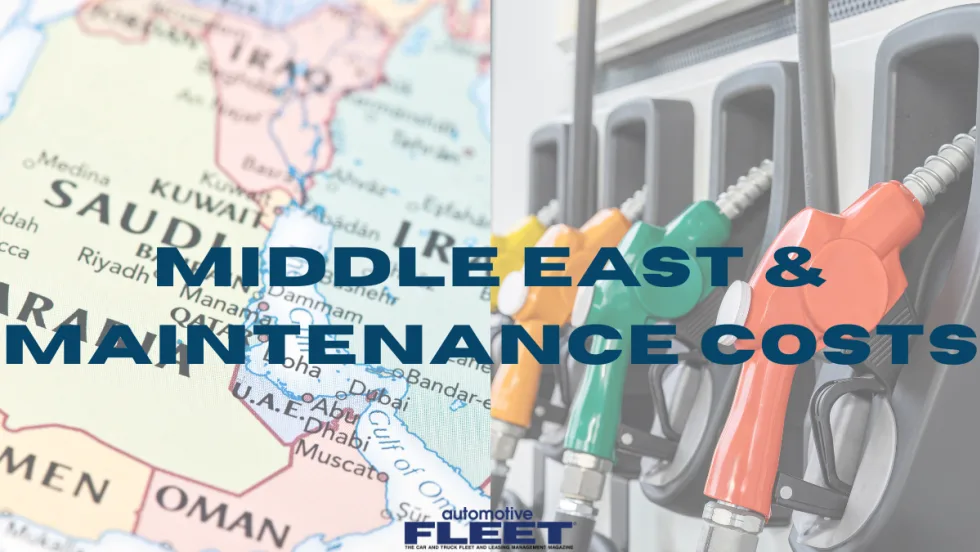
Fuel is Just the Start: How Middle East Tensions are Driving Up Fleet Maintenance Costs
The Middle East conflict is doing more than pushing up fuel prices. It’s also raising the cost of key maintenance products your fleet depends on, from motor oil to tires to windshield wipers. Here’s what you need to know about this budget-busting situation.
Read More →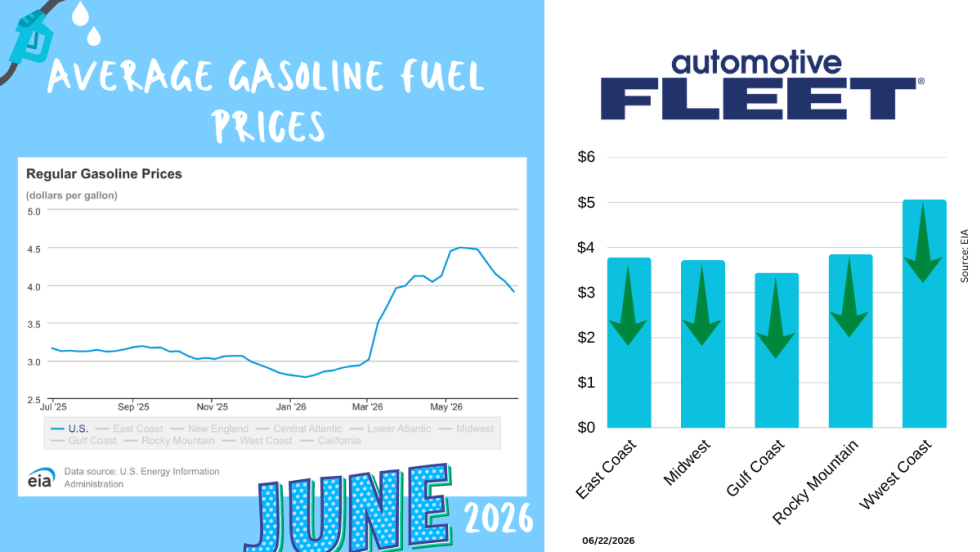
June Fuel Update: Prices Fall Below $4
Drivers are finally getting some relief at the pump. The national average gas price has dropped below $4 a gallon for the first time in months, with prices falling in 47 states as oil markets react to developments in U.S.-Iran negotiations.
Read More →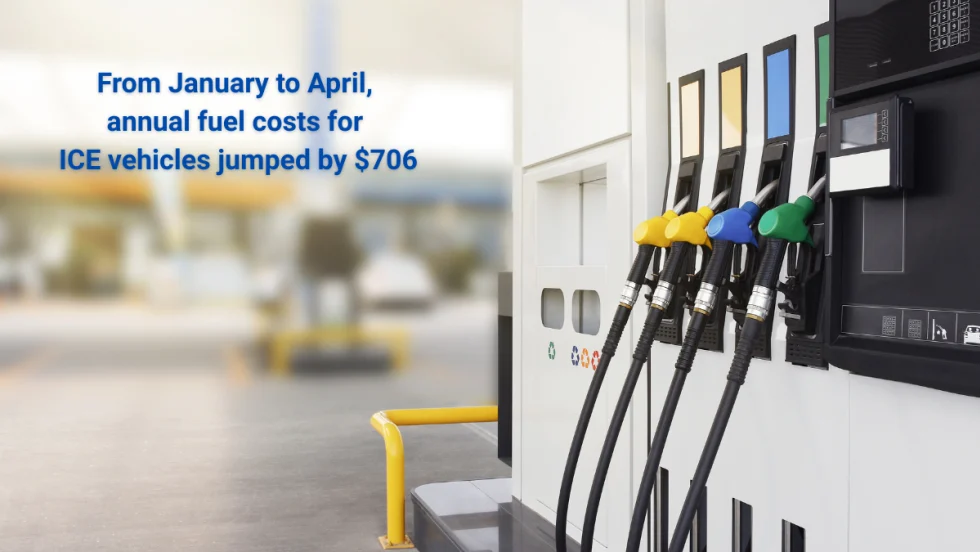
Study: How 2026's Gas Price Hikes Affect Different Vehicle Types
New data from iSeeCars reveals how rising fuel costs have affected different vehicle segments as gasoline prices climbed nearly 46% over the past four months.
Read More →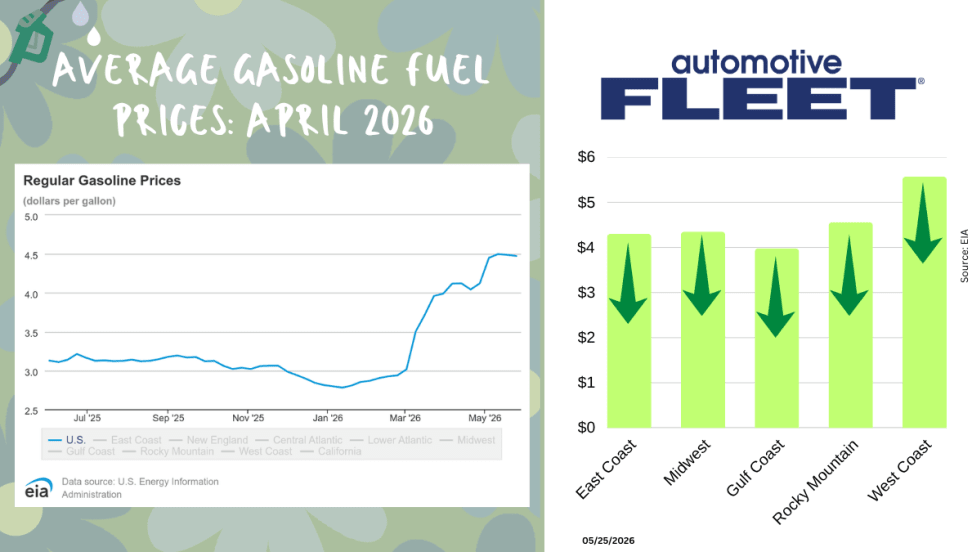
May Fuel Update: All Regions Experience Declines
Gas prices are finally easing in much of the country, but experts warn global tensions could quickly reverse the trend as the national average remains well above last month’s levels.
Read More →