




San Francisco Bolsters Incentives for Alt-Fuel Taxis
SAN FRANCISCO, Calif. --- San Francisco Mayor Gavin Newsom this month joined environmental leaders to announce a new package of financial incentives to boost the number of compressed natural gas (CNG) and hybrid taxis serving San Francisco.
SAN FRANCISCO, Calif. --- San Francisco Mayor Gavin Newsom this month joined environmental leaders to announce a new package of financial incentives to boost the number of compressed natural gas (CNG) and hybrid taxis serving San Francisco. Natural gas vehicles reduce carbon dioxide emissions by 30% and cost much less than gasoline-powered vehicles to operate, directly benefiting both the environment and taxi drivers responsible for the costs of fuel. Hybrid vehicles provide equal benefit, reducing air pollution, fuel consumption and driver expenses. Clean Energy will provide incentives of approximately $16,000 per CNG taxi. CAST, an alliance of groups dedicated to reducing urban pollution, asthma and U.S. dependence on oil, will provide resources aimed at increasing the number of hybrid taxis. Speaking of the new incentive package, Mayor Newsom said: “When government, private industry and the public work hand-in-hand to promote environment health, we can make real progress. The generous incentives and expertise offered by Clean Energy and CAST could very well double the number of clean-air taxis operating on the streets.” The city also offers benefits for clean-air taxis, including once-per-shift front-of-the-line privileges at SFO and waivers for airport trip fees. The San Francisco Taxicab Commission allows clean-air taxis one additional year of service, provided they pass mechanical inspections. Since 1999, when CNG vehicles first entered San Francisco ’s taxi fleet, SFO has administered clean-air grants to reduce the vehicle purchase price. The San Francisco taxi fleet currently contains 140 CNG vehicles and will soon have 30 hybrid vehicles out of a total fleet size of 1,381. According to local dealerships, special orders for CNG taxis are ramping up and they expect to exceed more than 100 additional vehicles within the next few months. About 800 CNG taxis are now in service in Los Angeles, Seattle, Phoenix, Oakland and San Francisco. Of the hybrid taxis, Jack Hidary, chairman of CAST, said: “Hybrid vehicles reduce air pollution, fuel consumption and driver expenses. Everybody wins with these taxis and we are committed to working with Mayor Newsom and the Taxi Commission so that San Francisco leads the way towards energy independence.” CAST has led the campaigns to increase the number of hybrid taxis in other cities, including New York and Chicago.
More Fuel
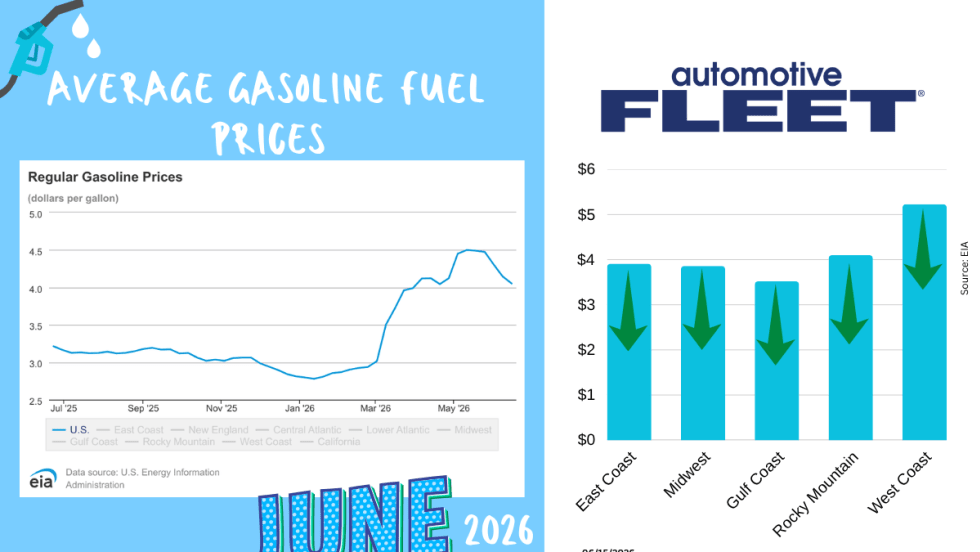
June Fuel Update: Prices Fall Below $4
Drivers are finally getting some relief at the pump. The national average gas price has dropped below $4 a gallon for the first time in months, with prices falling in 47 states as oil markets react to developments in U.S.-Iran negotiations.
Read More →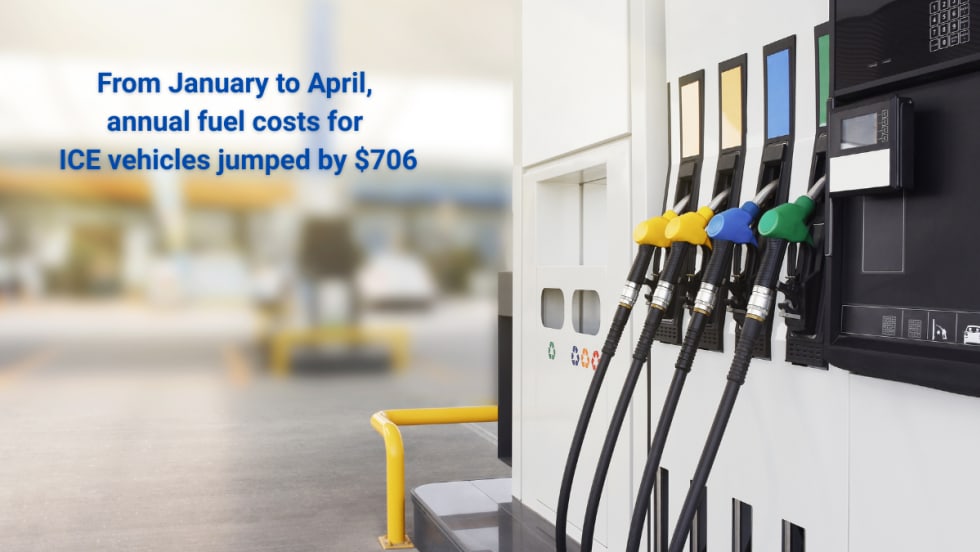
Study: How 2026's Gas Price Hikes Affect Different Vehicle Types
New data from iSeeCars reveals how rising fuel costs have affected different vehicle segments as gasoline prices climbed nearly 46% over the past four months.
Read More →
Are You Tracking Your Fleet's True Total Cost of Ownership?
Bobit Business Media surveyed 190 fleet professionals and found that while most fleets are tracking costs, fragmented systems and data gaps are keeping true TCO visibility out of reach. With rising pressure to control spend in an increasingly volatile environment, the gap between what fleets think they know and what the data actually shows is wider than you might expect. See how your peers are managing costs today and where the industry still has room to improve.
Read More →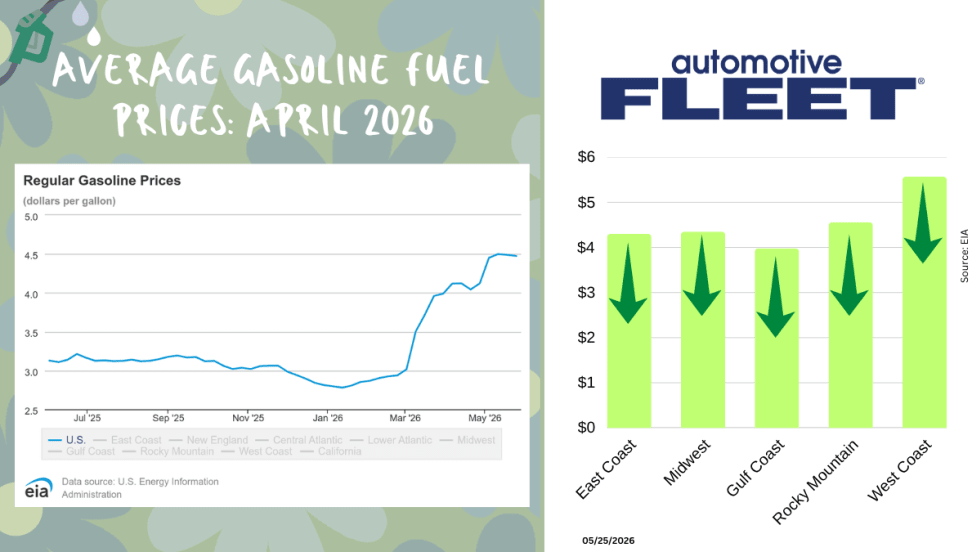
May Fuel Update: All Regions Experience Declines
Gas prices are finally easing in much of the country, but experts warn global tensions could quickly reverse the trend as the national average remains well above last month’s levels.
Read More →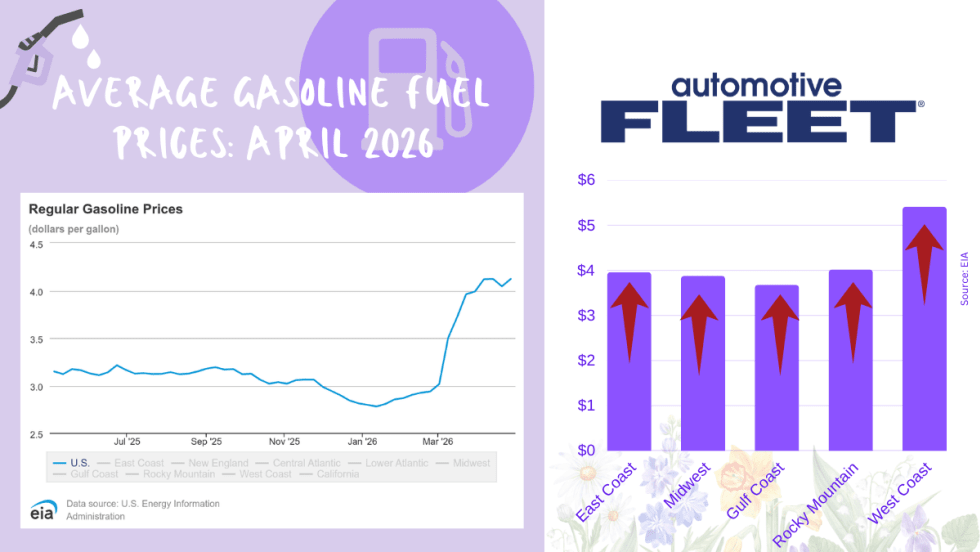
April Fuel Update: Prices Climb Above $4 as Spring Surge Accelerates
National average jumps to $4.04 per gallon, up sharply from last year, with West Coast prices topping $5 and further increases expected amid rising oil tensions.
Read More →
Tips from Fleet Managers on Saving Fuel Costs
Fleet leaders share practical strategies to reduce fuel spend through smarter policy, routing, and driver guidance.
Read More →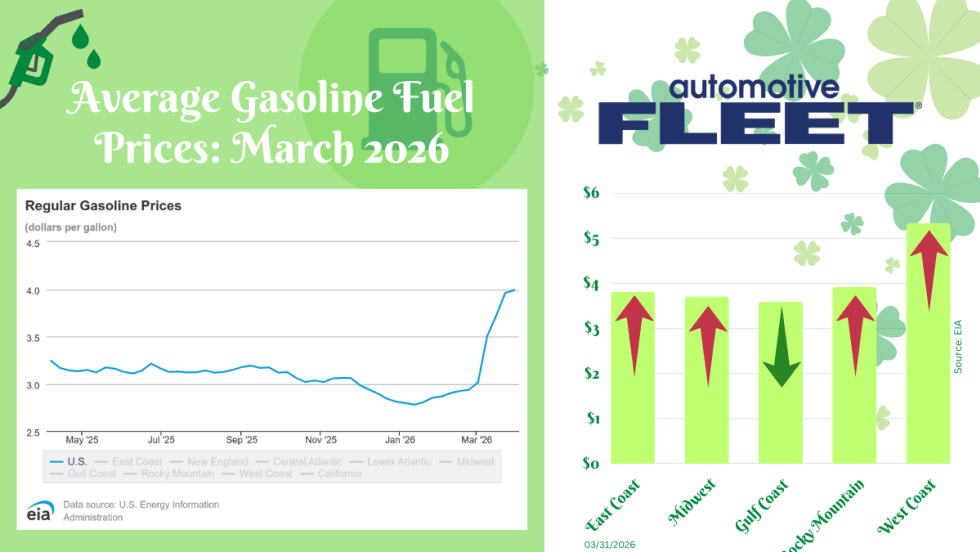
March Fuel Update: Prices Settle With a $4 Average
Fuel prices significantly slowed this week, but a $4 national average is still expected.
Read More →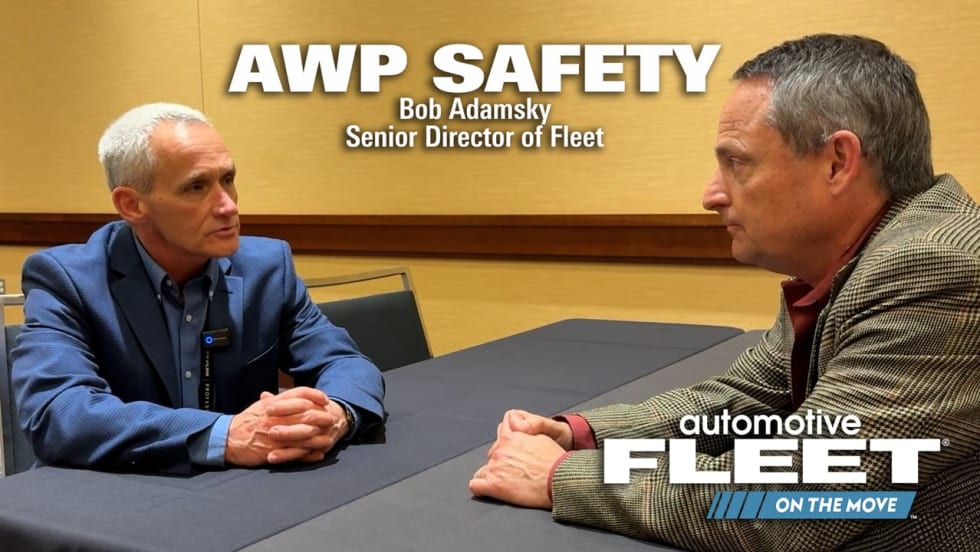
Bob Adamsky on Fuel Volatility: “Don’t Panic — Have a Plan”
With oil prices rising again, AWP Safety’s fleet manager shares how to respond to rising fuel costs and how the right strategy can turn fuel spikes into cost-saving opportunities.
Read More →
Oil Market Turbulence Is Complicating Fleet Cost Planning
Rapid swings in crude oil prices driven by the conflict in the Middle East could create longer-term cost pressures for fleets, affecting fuel prices, supply chains, and vehicle strategy, says NTEA’s Andrew Wrobel.
Read More →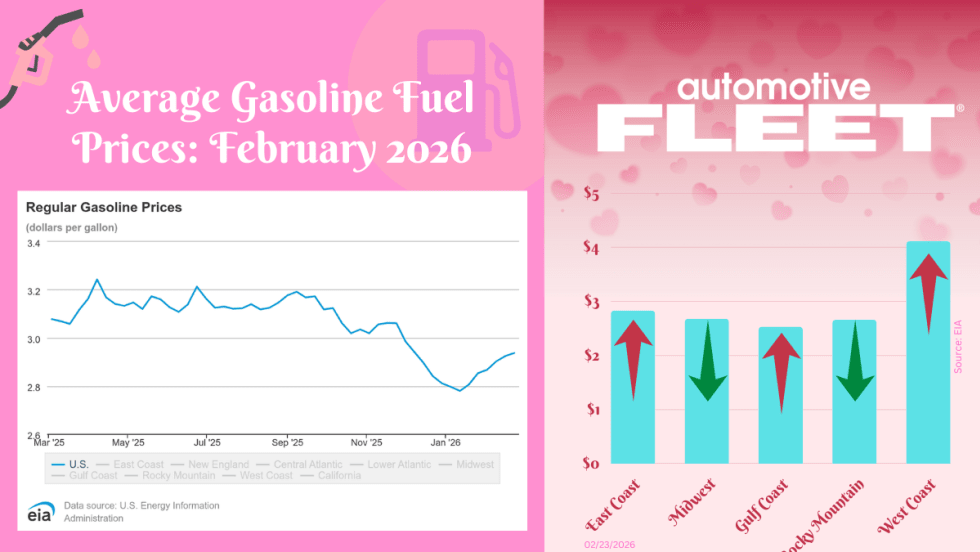
February Fuel Update: Prices Inch Higher for Third Week in a Row
The final February fuel update reveals prices continuing to inch higher for the third week in a row.
Read More →