





More Outlook: How Recession, Inflation & Supply Chains Will Impact the 2023 Truck Market
Report Ranks Top Supply Chain Challenges, Investment Growth
A new report by MHI and Deloitte found that hiring and retaining qualified workers (57%) and the talent shortage (56%) have been the top supply chain challenges.
March 28, 2023
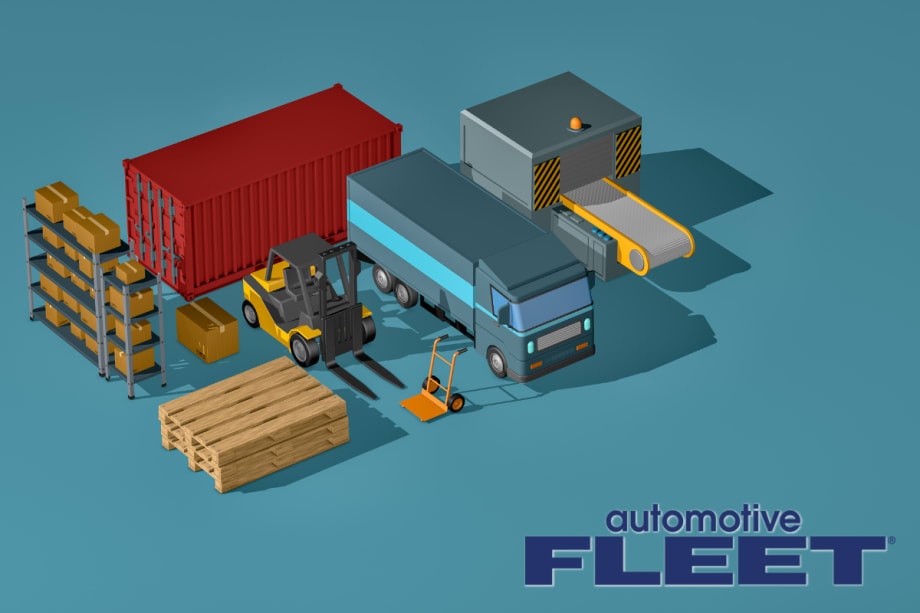
The worker shortage is prompting supply chain companies to invest in technologies that improve agility and efficiency and reduce the need for repetitive, manual labor.
Photo: Canva/Automotive Fleet
4 min to read
A new report released by MHI and Deloitte finds that 74% of supply chain leaders are increasing their supply chain technology and innovation investments – with 90% saying they are planning to spend over $1 million, an increase of 24% over last year. Thirty-six percent plan to spend over $10 million, up 19%.
This investment includes solutions for improved supply chain transparency and sustainability, according to the 2023 MHI Annual Industry Report, “The Responsible Supply Chain: Transparency, Sustainability, and the Case for Business.” The report’s findings are based on survey responses from over 2,000 manufacturing and supply chain industry leaders from a range of industries at the end of 2022.
The report provides new insights into trends and technologies that are transforming supply chains and the priorities of the people who run them.
As a result of these increased investments, adoption of the 11 categories of technology covered in the report is predicted to rise dramatically over the next five years: Inventory and Network Optimization (87%); Cloud Computing and Storage (86%); Sensors and Automatic Identification (84%); Advanced Analytics (82%); Wearable and Mobile Technology (80%); Robotics and Automation (78%); 3D Printing (75%); Artificial Intelligence (73%); Internet of Things (68%); Blockchain (68%); Driverless Vehicles and Drones (66%).
The 2023 report provides updates on the technologies that have the most potential to transform supply chains into more transparent, sustainable, and responsible operations.
“Responsible supply chains must react in real-time to changing conditions, this requires actionable data, automation, and automated decision-making,” said John Paxton, CEO of MHI, an international trade association that represents the supply chain industry. “Investments in automation and other digital solutions like IoT, advanced analytics, and AI not only arm your operations with speed, accuracy, and improved visibility. These solutions enable the real-time decision-making and transparency necessary for reporting and improving performance up and down the responsible supply chain.”
Hiring and retaining qualified workers (57%) and the talent shortage (56%) were the top supply chain challenges cited by survey respondents. However, this was followed closely by supply chain disruptions (54%), out-of-stock situations (52%), and customer demands (52%), according to the report.
The worker shortage is prompting companies to invest in technologies that not only improve agility and efficiency but also reduce the need for repetitive, manual labor. This could provide a new path to upskilling current employees and attracting new talent – creating a more modern workforce that can adapt and adjust to changes in the technology and market landscape.
Forty-one percent of respondents are reskilling/upskilling workers for emerging technologies, 34% are recruiting for skillsets for future needs, and 27% are working to create a culture of innovation, according to the report.
“Tech investment is only part of the equation,” said Paxton. “Having an innovative culture and the right people in place to implement innovation and to bring it all together to exceed your customer demands and expectations – whether they are fast delivery, personalization, low cost, delivery transparency, or sustainability goals.”
Company leaders understand that planning for digital supply chain investments now helps create a strategy to win the future. As a result, 49% of respondents are partnering with vendors to understand application/benefits and 31% of respondents are piloting new technologies, according to the report.
Supply chain companies are faced with pressure to become more environmentally responsible and sustainable. In fact, nearly half of the respondents (48%) say they face increased influences to adopt a more sustainable supply chain.
According to the survey, the top focus areas for sustainability are electrification (40%), natural resource management (29%), water usage (27%), and transition to renewables (27%).
With new data generated by supply chains, the ability to share that data securely and transparently has become a strategic priority. Scope footprinting, target setting, abatement, and disclosure for sustainability isn’t possible without collaboration up and down the supply chain and the availability of accurate and reportable data.
“As leaders, we must drive transparency and coordinate change across the end-to-end supply chain as we work collaboratively to reduce Scope 3 emissions and move toward the circular economy,” said Paxton. “Sustainability will become a key competitive advantage for in the future. Investments in sustainability and transparency help reduce risk exposure and build loyalty with customers and employees alike.”
The report includes a Climate Readiness Assessment to help companies evaluate their operations’ maturity across 5 modules of climate with a brief diagnostic, which can provide a snapshot of an organization’s climate maturity. Upon completion, the user is classified into one of six climate profiles.
“Supply chain companies embarking on their sustainability journey will need input from across their organization to support reporting,” said Wanda Johnson, specialist leader at Deloitte Consulting. “Embracing circularity, reducing environmental impacts, regenerating nature, and embedding equity should all be coded to their DNA and driven from the top down for them to be successful.”
Additionally, the report provides real-world case studies of digital supply chain technologies and recommendations for leaders for developing strategies to implement these innovations.
More Maintenance

Sponsored•October 1, 2026
Fleet Manager’s Ultimate Playbook: Navigating the New Standard in OEM Connectivity
Rising operating costs, driver safety concerns, and unplanned downtime are putting unprecedented pressure on modern fleets. Discover how fleet managers use embedded OEM connectivity and real-time vehicle data to cut TCO, prevent downtime, and protect drivers without aftermarket telematics hardware.
Read More →
How Can Fleet Managers Tell Which Repairs Require Closer Review?
Fleetio’s Brianna Perry demonstrates how Service Advisor evaluates maintenance requests, identifies pricing anomalies, and provides the context fleet managers need to focus their attention on potential problems.
Read More →
Why Roadside Assistance Belongs in a Fleet Risk Strategy
Roadside assistance is more than a tow. See how the right partner can protect drivers, uncover fleet trends, and strengthen your risk strategy.
Read More →
Sponsored•August 7, 2026
Hidden in Plain Sight: Fleet Compliance Risks
Fleet compliance isn't just about having policies — it's about consistently enforcing them. This practical guide reveals six hidden compliance risks common in public sector and shared fleet operations and outlines proven strategies to improve visibility, accountability, and audit readiness
Read More →
How Maintenance Costs Compare Across 27 Fleet Vehicles
Vincentric’s three-year, 60,000-mile projections reveal wide differences for both scheduled and unscheduled maintenance among selected vehicle categories. Projected maintenance visits also play a factor.
Read More →
The EV Breakdown Nobody's Talking About: Why Most Electric Vehicle Roadside Calls Aren't Mechanical Failures
Here's why EV breakdowns are widely misunderstood.
Read More →
How Stellantis Plans to Get Ahead of Fleet Downtime
Keeping fleet vehicles on the road has become as important as buying them. Darren Bradshaw of Mopar North America explains how connected vehicle data, AI, and proactive service strategies are helping Stellantis reduce downtime and move closer to predictive maintenance.
Read More →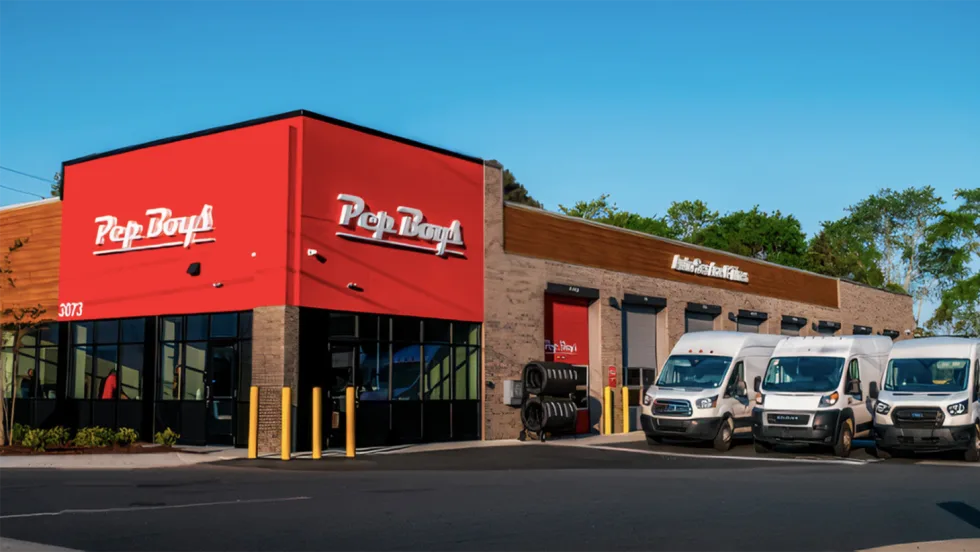
Merchants Fleet Expands Maintenance Network with Pep Boys
Merchants Fleet has expanded its relationship with Pep Boys, increasing the service provider's role within its national maintenance network. The move is intended to enhance maintenance coordination and support commercial fleets through Pep Boys' nationwide footprint.
Read More →
The Two Biggest Summer Downtime Threats for Fleets
A conversation with a maintenance expert reveals the two most common summer maintenance pains and how to prevent them.
Read More →
From Marine Corps Motor Pool to Managing 460 Fleet Vehicles
Cesar Ayala of O’Connell Landscape Maintenance shares how he transitioned from the Marine Corps to managing a 460-vehicle fleet—and the real-world challenges of maintenance, compliance, and driver management in California.
Read More →