




Progress Energy Adding Electric Vehicles to Fleet
RALEIGH, NC - Progress Energy is adopting plug-in electric vehicles (PEVs) into its corporate fleet as part of a national pledge to help accelerate the transition of plug-in electric vehicles.
RALEIGH, NC- Progress Energy recently joined with its peer investor-owned electric utilities in a national pledge to help accelerate the transition of plug-in electric vehicles, according to jdnews.com. The company was awarded grant money from the Department of Energy several months ago.
As part of the pledge, Progress Energy is adopting PEVs into its corporate fleet, which now includes seven Toyota Prius plug-in hybrid electric vehicles, two Ford Escape PHEV prototypes, and a plug-in electric bucket truck. One Prius is parked at the Jacksonville Progress Energy location part-time.
A typical PEV overnight charge is estimated to cost less than a dollar and the vehicles also produce less carbon dioxide and pollutants than conventional vehicles, according to Progress Energy.
The PHEV in Jacksonville gets between 30 and 35 miles per battery charge, company spokesman Dan Oliver told JDnews.com. By adding the increased battery capacity to the existing Prius hybrid technology, PHEVs have the capability to achieve more than 100 miles to the gallon.
"The majority of us in the U.S. drive less than 30 or 35 miles per day," he said. "Our daily circuit is typically 35 miles or less, so that charge meets our daily need."
To transform a Prius hybrid into a plug-in vehicle, Oliver said the company purchases the vehicles right off the showroom floor and takes them to an after-market company that installs the battery pack, which costs about $10,000. With the battery pack, the vehicle typically gets upwards of 45 miles per gallon of gasoline.
"I think our primary focus now is to get enough of these out there to get good test data," Oliver said. One of the hurdles facing the future widespread use of PEVs is where to charge the vehicles. Oliver said Progress Energy is working with other organizations to help develop ways to address this issue.
"Across our full system we're testing a number of ideas to look at energy efficiency and a better use of our resources from an environmental standpoint, "Oliver said.
Oliver takes the Prius to various events in eastern North Carolina and said he has gotten positive feedback about it. "Most are interested in what they can do to lower their operating costs but also what they can do from an environmental standpoint in helping the country gain independence from foreign oil," he said.
More Fuel
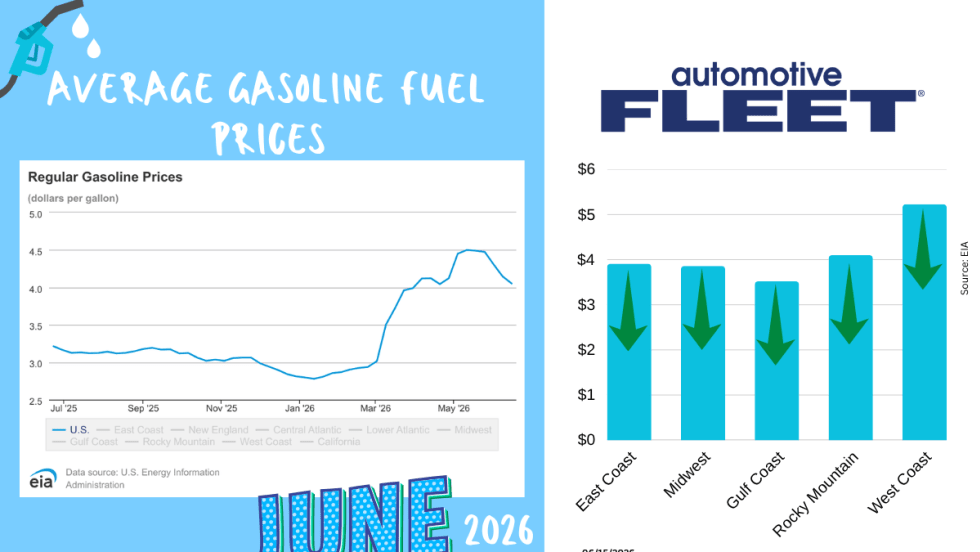
June Fuel Update: Prices Fall Below $4
Drivers are finally getting some relief at the pump. The national average gas price has dropped below $4 a gallon for the first time in months, with prices falling in 47 states as oil markets react to developments in U.S.-Iran negotiations.
Read More →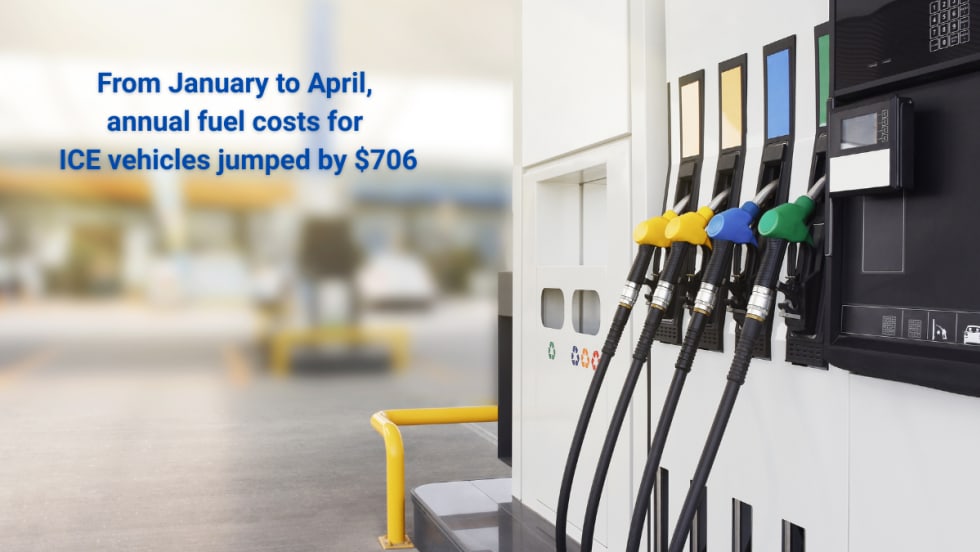
Study: How 2026's Gas Price Hikes Affect Different Vehicle Types
New data from iSeeCars reveals how rising fuel costs have affected different vehicle segments as gasoline prices climbed nearly 46% over the past four months.
Read More →
Are You Tracking Your Fleet's True Total Cost of Ownership?
Bobit Business Media surveyed 190 fleet professionals and found that while most fleets are tracking costs, fragmented systems and data gaps are keeping true TCO visibility out of reach. With rising pressure to control spend in an increasingly volatile environment, the gap between what fleets think they know and what the data actually shows is wider than you might expect. See how your peers are managing costs today and where the industry still has room to improve.
Read More →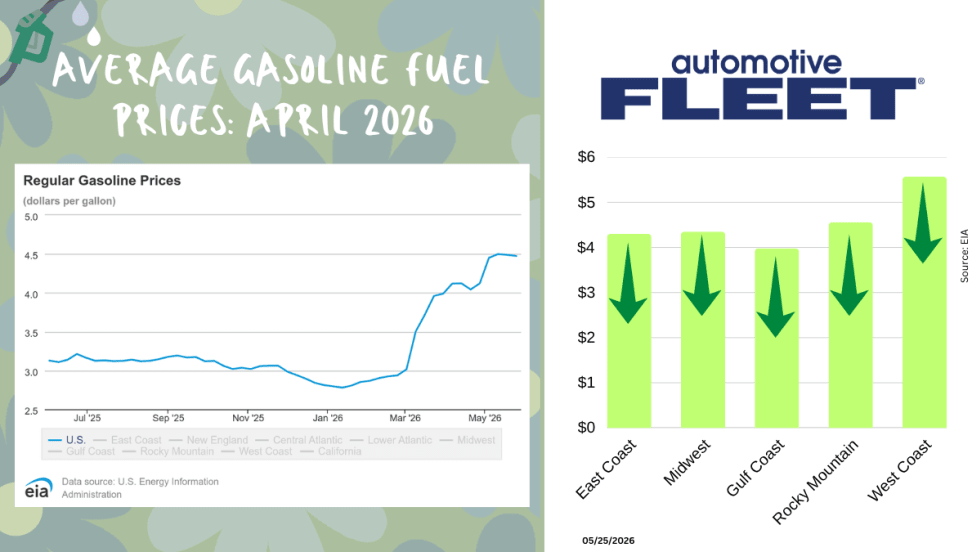
May Fuel Update: All Regions Experience Declines
Gas prices are finally easing in much of the country, but experts warn global tensions could quickly reverse the trend as the national average remains well above last month’s levels.
Read More →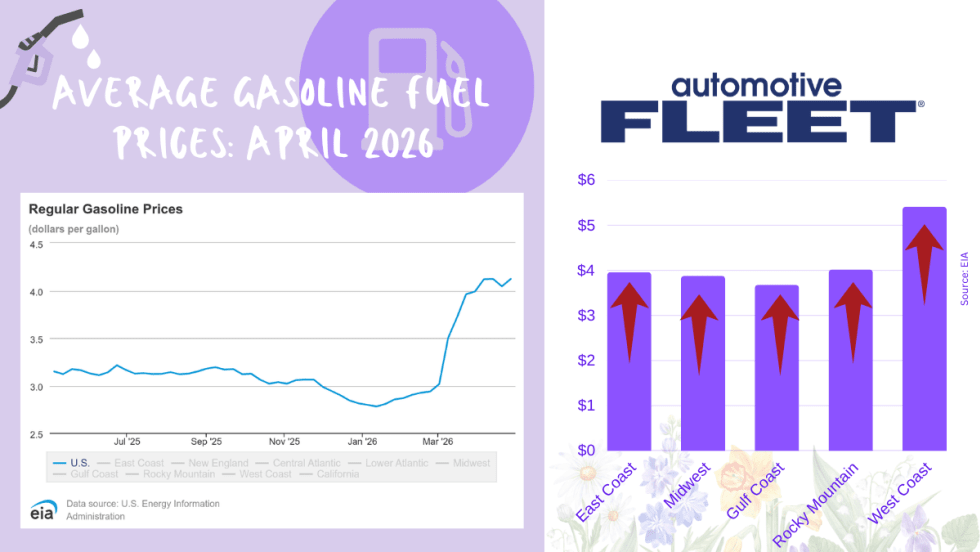
April Fuel Update: Prices Climb Above $4 as Spring Surge Accelerates
National average jumps to $4.04 per gallon, up sharply from last year, with West Coast prices topping $5 and further increases expected amid rising oil tensions.
Read More →
Tips from Fleet Managers on Saving Fuel Costs
Fleet leaders share practical strategies to reduce fuel spend through smarter policy, routing, and driver guidance.
Read More →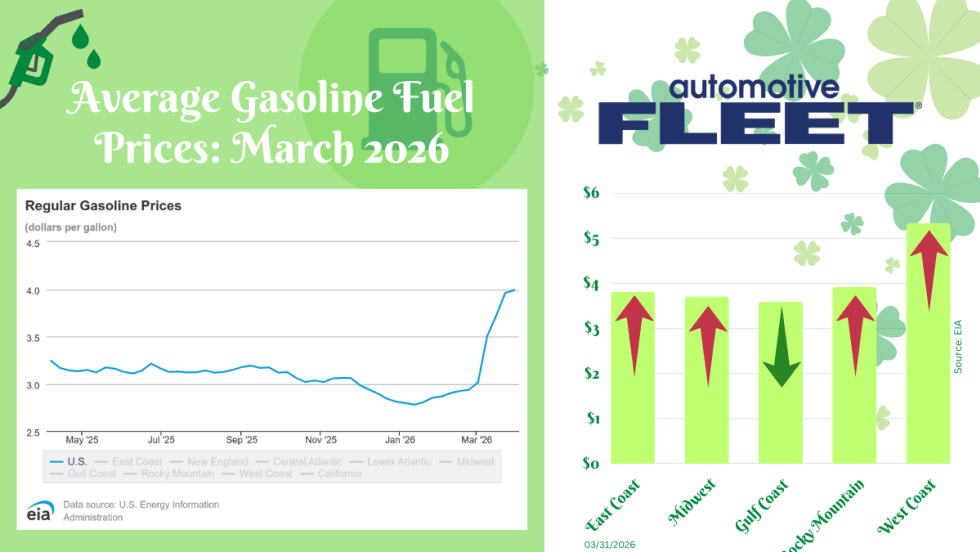
March Fuel Update: Prices Settle With a $4 Average
Fuel prices significantly slowed this week, but a $4 national average is still expected.
Read More →
Bob Adamsky on Fuel Volatility: “Don’t Panic — Have a Plan”
With oil prices rising again, AWP Safety’s fleet manager shares how to respond to rising fuel costs and how the right strategy can turn fuel spikes into cost-saving opportunities.
Read More →
Oil Market Turbulence Is Complicating Fleet Cost Planning
Rapid swings in crude oil prices driven by the conflict in the Middle East could create longer-term cost pressures for fleets, affecting fuel prices, supply chains, and vehicle strategy, says NTEA’s Andrew Wrobel.
Read More →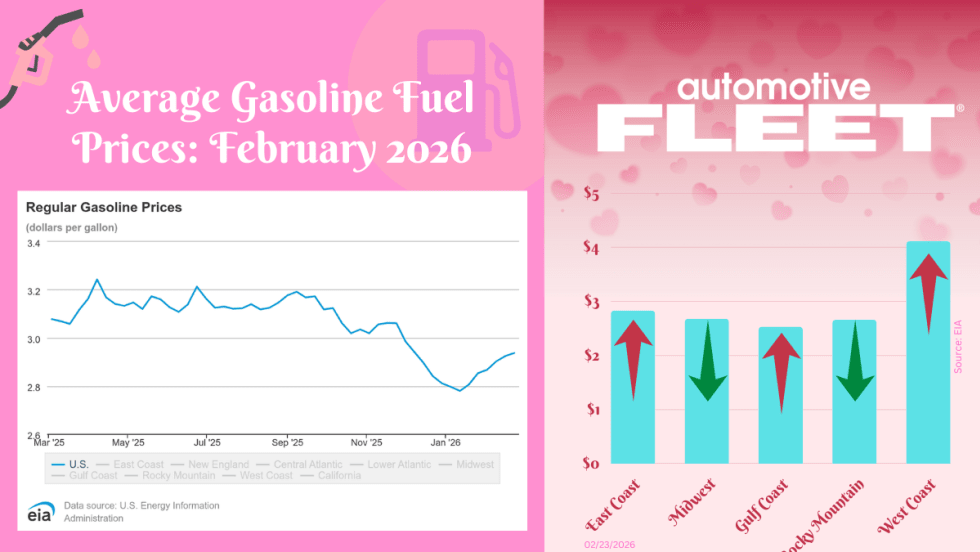
February Fuel Update: Prices Inch Higher for Third Week in a Row
The final February fuel update reveals prices continuing to inch higher for the third week in a row.
Read More →