




Pricelock Names Lodestro VP, Worldwide Sales and Business Development
REDWOOD CITY, CA - Pricelock, Inc. has appointed Jim Lodestro to the position of vice president, Worldwide Sales and Business Development.
REDWOOD CITY, CA-Pricelock, Inc., the company that combines patented technology and commodities expertise to bring price predictability to the volatile $700 billion retail fuel market, has appointed Jim Lodestro to the position of vice president, Worldwide Sales and Business Development.
Lodestro, a 23-year veteran of the technology industry, was formerly president and CEO of Interlace Systems, an enterprise software company that marketed planning solutions for large manufacturing organizations and was recently acquired by Oracle. Prior to Interlace Systems, he served as Executive Vice President of Worldwide Field Operations for Iteration Software. Lodestro has a strong track record in building sales teams and was an early employee at Arbor Software where he was instrumental in building the sales organization and worldwide channel strategy through the IPO and subsequent merger with Hyperion Software, which was subsequently acquired by Oracle in 2007 for $3.3 billion.
"Jim Lodestro brings the seasoned leadership skills and strategies that Pricelock needs as it expands its sales across key verticals and builds up on the success of our recently launched fuel incentive program for Hyundai," said Naveen Agarwal, Chief Operating Officer of Pricelock, Inc. "We look forward to building on his strong sales management and channel partnership background as we bring fuel-price predictability to fleets, employee recruiting and retention programs and automotive promotion programs."
Said Lodestro, "There is tremendous growth potential in bringing fuel price predictability to fleets no matter their size, especially in a time of volatility and growing international pressure on oil production and refining. Pricelock has developed the patented systems to make it easy for businesses to manage their fleet fuel costs."
Pricelock, founded in 2006, is the company behind the current Hyundai program offering $1.49/gallon gas for new car buyers. It was also behind Chrysler's "Let's Refuel America" campaign last year that generated more than 17,000 new customers for Chrysler. Pricelock combines technology, strong expertise in commodities and an online management platform to serve companies in many industries. Pricelock provides solution for fuel price predictability and helps businesses to control volatile fuel costs.
Pricelock has been responsible for more than 100 million gallons of fuel-price protection since 2008. Pricelock's consultative sales and service offerings also include a carbon-neutrality program through its Carbonlock(tm) product for fleet owners, automotive companies, and employers. A full description of Pricelock's suite of service offerings can be found at pricelock.com.
For more information about Pricelock's fuel-price management consulting and services, visit pricelock.com.
About Pricelock
Pricelock, based in Redwood City, California, is the world's first company to combine patented technology and commodities expertise to bring businesses price predictability to increasingly volatile fuel prices. The company also offers Carbonlock(tm), a unique, patented "green fleet" program that allows fleets and businesses to efficiently acquire certified carbon offsets and become carbon neutral. Pricelock can be found on the Web at pricelock.com.
More Fuel
Fuel Prices Surge in September | September Fuel Update
September brought major fuel price swings, including diesel crossing $6 a gallon. Here’s how gas and diesel prices changed throughout the month, and where they stood heading into October.
Read More →
Turning Fleet Payment Data into Executive Insights
Ramel Lindsay of U.S. Bank Voyager discusses how fleets can transform payment and transaction data into actionable intelligence to reduce costs, improve oversight, and support executive decision-making.
Read More →
Why the IRS Raised Its Mileage Rate in the Middle of 2026
Fuel-price volatility drove the rare increase to 76 cents per mile, the fifth midyear adjustment since 2000.
Read More →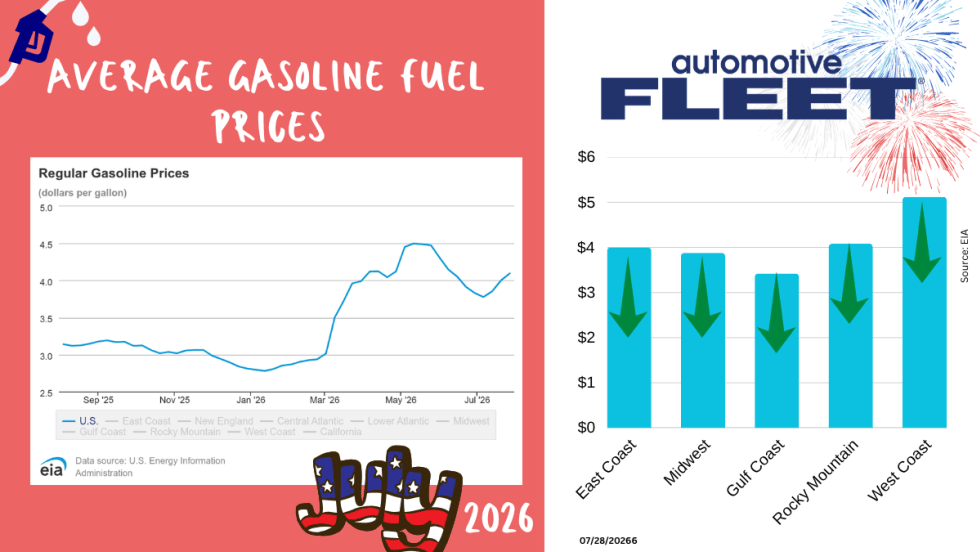
July Fuel Update: Prices Keep Rising in Light of More Conflict
Gas prices continue to rise as more and more conflicts do, too.
Read More →
Bob Adamsky on Fuel Volatility: "Don't Panic, Have a Plan."
When it comes to up and down fuel prices, Adamsky has a message for fleets: “Don’t panic.”
Read More →
How Fleets Can Gain Control of Non-Fuel Spend
Fuel often gets the spotlight, but non-fuel expenses can have a major impact on fleet costs. Ramel Lindsay of U.S. Bank Voyager discusses how fleets can gain better visibility and control over these often-overlooked expenditures.
Read More →
Fuel is Just the Start: How Middle East Tensions are Driving Up Fleet Maintenance Costs
The Middle East conflict is doing more than pushing up fuel prices. It’s also raising the cost of key maintenance products your fleet depends on, from motor oil to tires to windshield wipers. Here’s what you need to know about this budget-busting situation.
Read More →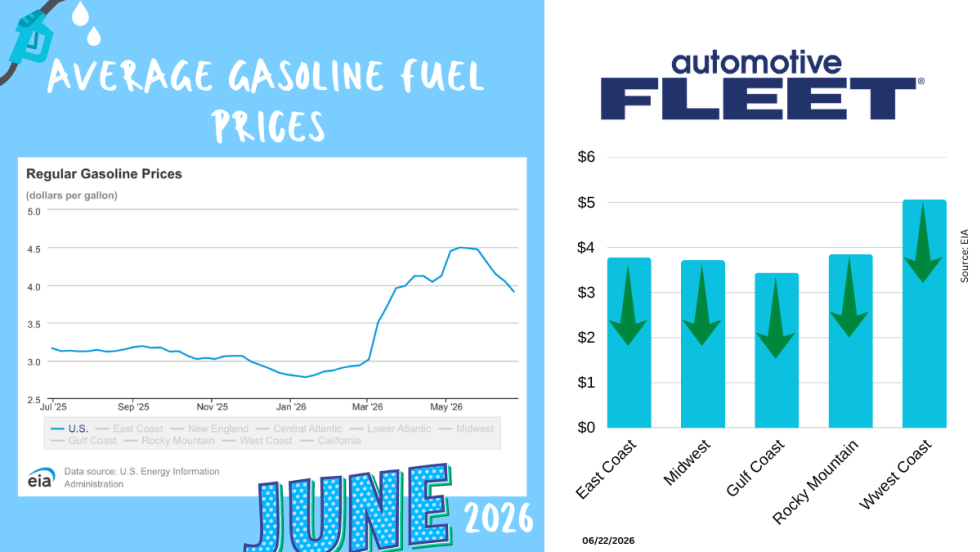
June Fuel Update: Prices Fall Below $4
Drivers are finally getting some relief at the pump. The national average gas price has dropped below $4 a gallon for the first time in months, with prices falling in 47 states as oil markets react to developments in U.S.-Iran negotiations.
Read More →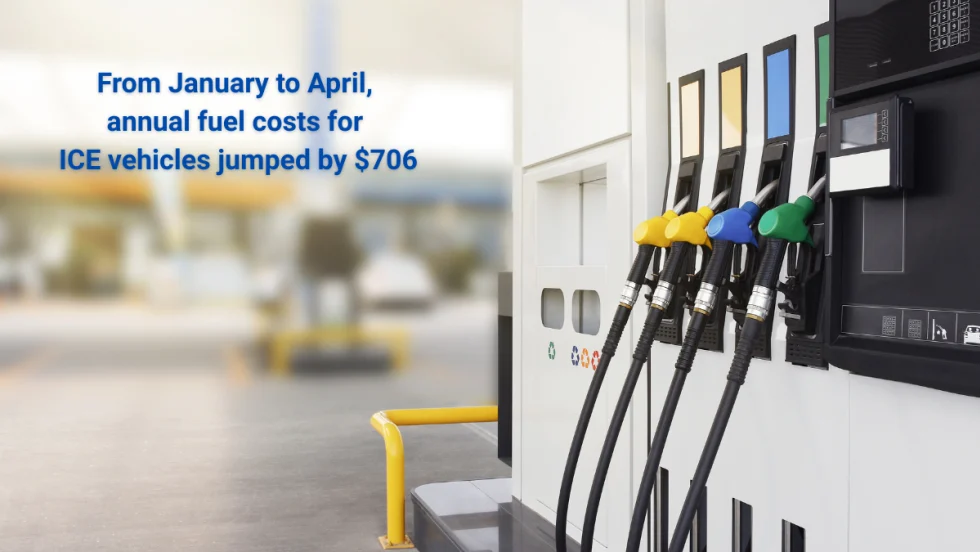
Study: How 2026's Gas Price Hikes Affect Different Vehicle Types
New data from iSeeCars reveals how rising fuel costs have affected different vehicle segments as gasoline prices climbed nearly 46% over the past four months.
Read More →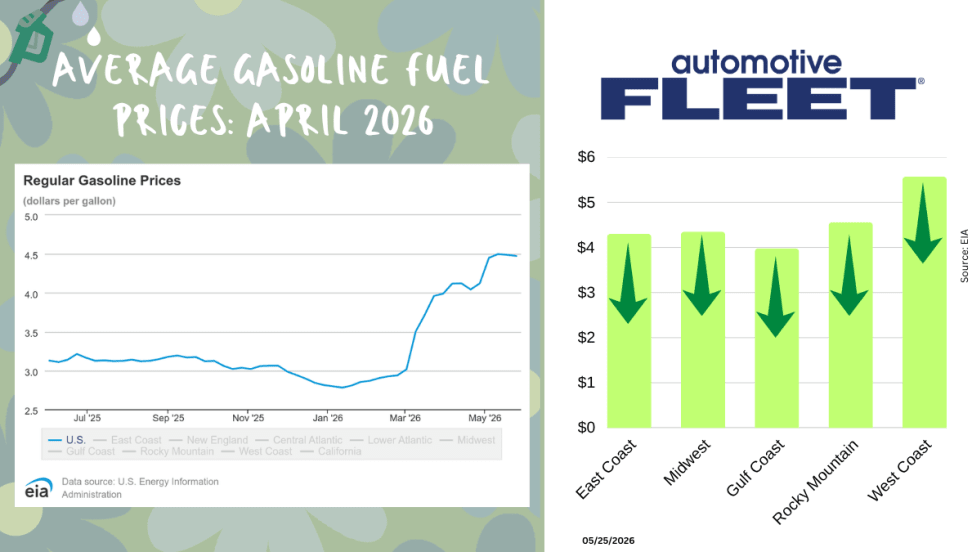
May Fuel Update: All Regions Experience Declines
Gas prices are finally easing in much of the country, but experts warn global tensions could quickly reverse the trend as the national average remains well above last month’s levels.
Read More →