





See Also: Outlook 2024: Is Fleet Back to Normal?
Port of Baltimore Disaster: Automotive & Supply Chain Perspective
The port is the busiest in the U.S. automotive sector. Rerouting ships “could affect a good bit of the eastern half of the United States.”
April 2, 2024
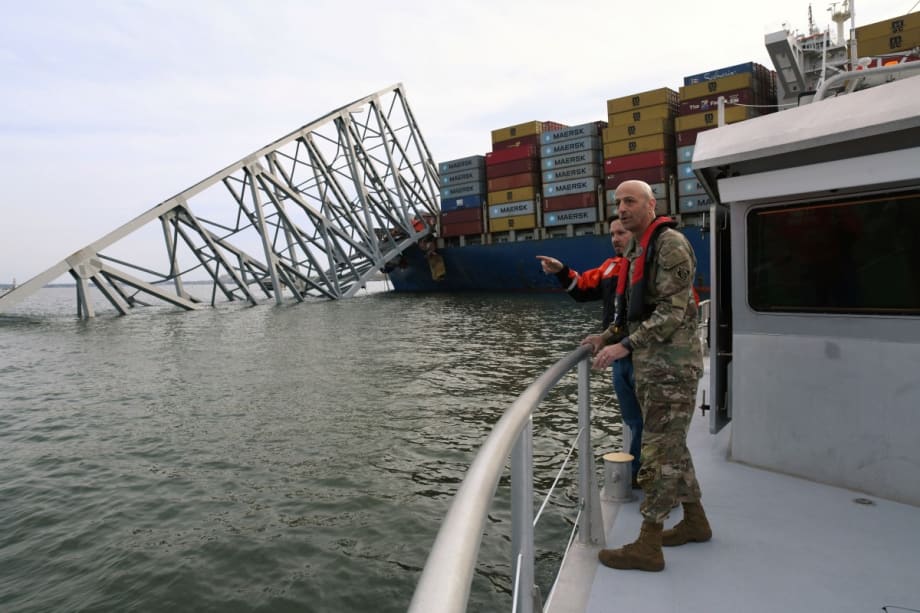
U.S. Army Corps of Engineers Chief of Engineers Lt. Gen. Scott Spellmon views damage of the collapsed Francis Scott Key Bridge in Baltimore, March 26, 2024.
Photo: USACE
3 min to read
On March 26, the Francis Scott Key Bridge in Baltimore collapsed after being struck by a containership. The collapse has blocked the main access to the port of Baltimore and trapped six bulk carriers and two navy vessels.
The collapse sent vehicles and people into the Patapsco River. Six workers who were repairing potholes on the bridge were reported missing. Two of the bodies have been recovered.
As of late Monday, April 1 a temporary shipping route around the bridge wreckage had been opened, with a second temporary route for deeper vessels expected to open in the coming days.
Insured losses could total between $2 billion and $4 billion, surpassing the record insured losses of the Costa Concordia catastrophe, one of Europe’s worst maritime disasters, according to a statement by Morningstar DBRS.
Port’s Importance to Automotive
The Port of Baltimore is one of the largest in the U.S. by annual tonnage and weight of cargo and is a key hub for shipments of cars and light trucks.
The port handled around 3% of all U.S. East and Gulf Coast imports and 10% of U.S. Northeast imports of containerized freight in the 12 months to Jan. 31, 2024.
In 2023, the port achieved a new cargo volume record in handling 11.6M tons of general cargo, an increase of 600,000 tons from the former record set in 2019.
Last year, the port handled a record-breaking 847,158 vehicles — making it the busiest port in the U.S. for the sector. Stellantis, Hyundai, Mercedes-Benz, and Jaguar-Land Rover were the top auto importers for the Port of Baltimore. Other major retailers also use the port for logistics for consumer retail, including Home Depot and Ikea.
“The flow of shipments of automobiles into the U.S. will undoubtedly be disrupted by this disaster,” Skyler Chi, head of innovation for Exiger, a supply chain software company, told Automotive Fleet.
“In the short term, this will result in extended delays, particularly for the companies that are heavily reliant on the Port of Baltimore,” Chi said. “These companies are likely pursuing alternative routes and ports of entry and it is yet to be seen how well other major ports in the region — such as New York and New Jersey — will be able to handle the diverted traffic."
“Most ports on the East Coast are at 70% to 80% capacity, which is where you want to be. You don’t want to have much more than that, but they’re going to have to,” said Rick Franza, PhD, professor in the Hull College of Business at Augusta University, in a statement sent to Automotive Fleet. “It could affect a good bit of the eastern half of the United States.”
Both General Motors and Ford made statements that they are looking to reroute car parts to other East Coast ports.
Ports in New York, Savannah, and Charleston, among others, will have to become the destination for those currently sitting outside Baltimore and those en route from around the world, according to Franza, an expert on operations and supply chain management.
A Fleet Perspective
“We are deeply saddened by the tragic collapse of the Francis Scott Key Bridge in Baltimore last week. We want to extend our sincere condolences to everyone affected by this tragedy, especially those who lost family members and loved ones,” said Brice Adamson, president, Enterprise Fleet Management.
“The Port of Baltimore is a crucial part of the automotive industry, particularly when it comes to the import, export, and delivery of vehicles and parts. While the broader impacts are still being understood, we expect the automotive and fleet industry to be affected to some extent,” Adamson said.
“We are working collaboratively with our partners to assess the potential impacts of the incident. We will continue to monitor the situation and keep our clients and partners informed about how this incident may impact their fleets.”
Once again, our deepest sympathies go out to those impacted by this incident.”
More State of the Fleet Industry
Is the Future of U.S. Fleets Already Unfolding Overseas?
Fleet Forward Conference keynote speaker John Rossant examines how AI, autonomy, and electrification are converging, and why developments in China, Europe, and the Middle East could preview what’s coming for U.S. fleets.
Read More →
Fleet Meets: Amy McAdams
In this edition of Fleet Meets, Amy McAdams shares how an unexpected career move led to more than 15 years in fleet.
Read More →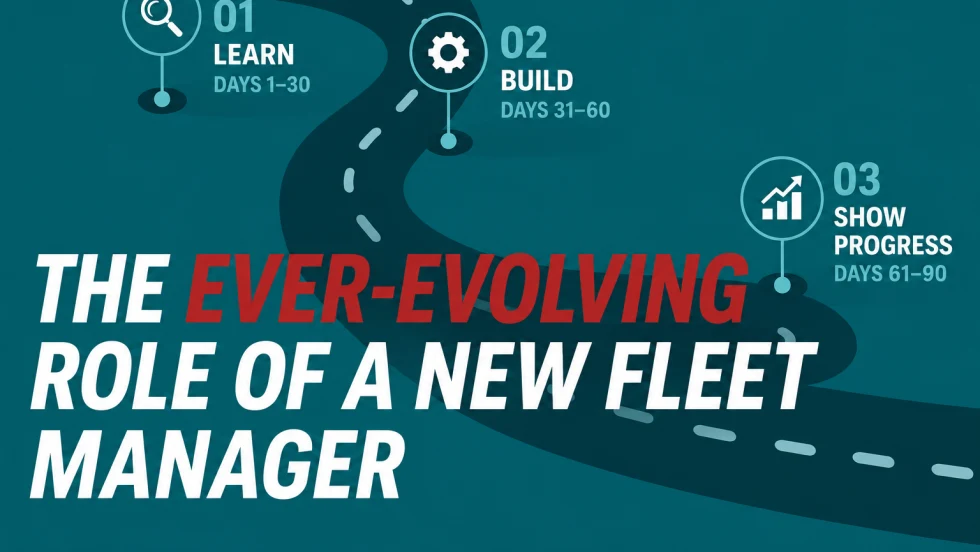
From Tactical to Strategic: A Fleet Manager's First 90 Days
The first 90 days as a fleet manager can be daunting, and the role has changed a lot over the years. What's important now?
Read More →
Fleet Industry Mourns the Passing of Donna Bibbo
Fleet leader Donna Bibbo passed away after a long battle with uterine cancer and a failing heart.
Read More →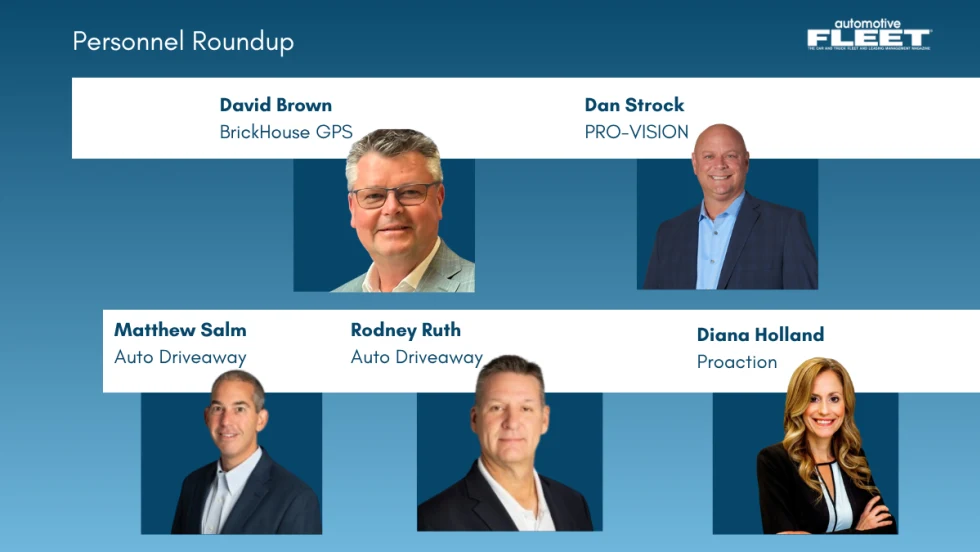
Personnel Update: BrickHouse GPS, PRO-VISION, Auto Driveaway, and Proaction
Check out the latest must-know fleet personnel updates from the last couple of months.
Read More →
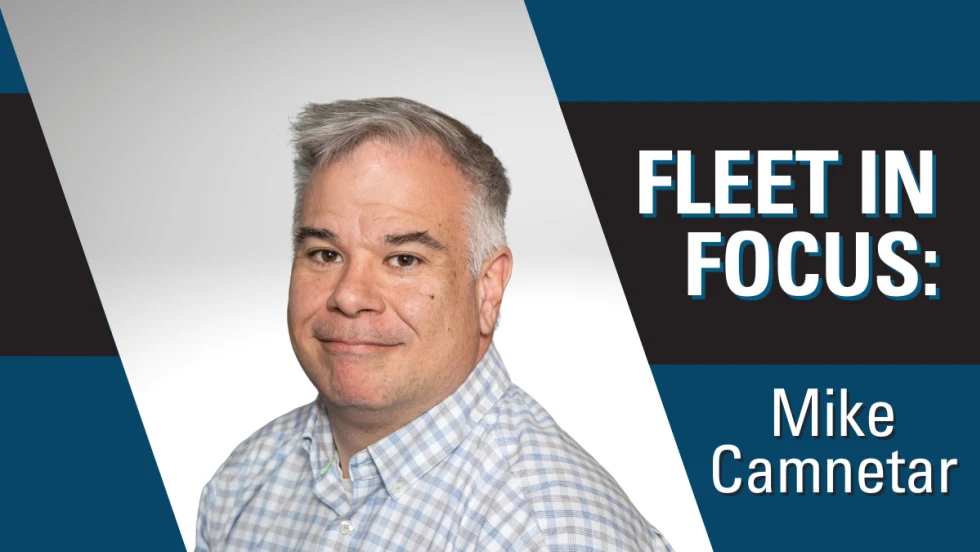
‘Mike Just Gives Cars to People’ — And Other Misconceptions Fleet Managers Need to Fix
Most organizations misunderstand fleet. The best managers make sure that doesn’t happen.
Read More →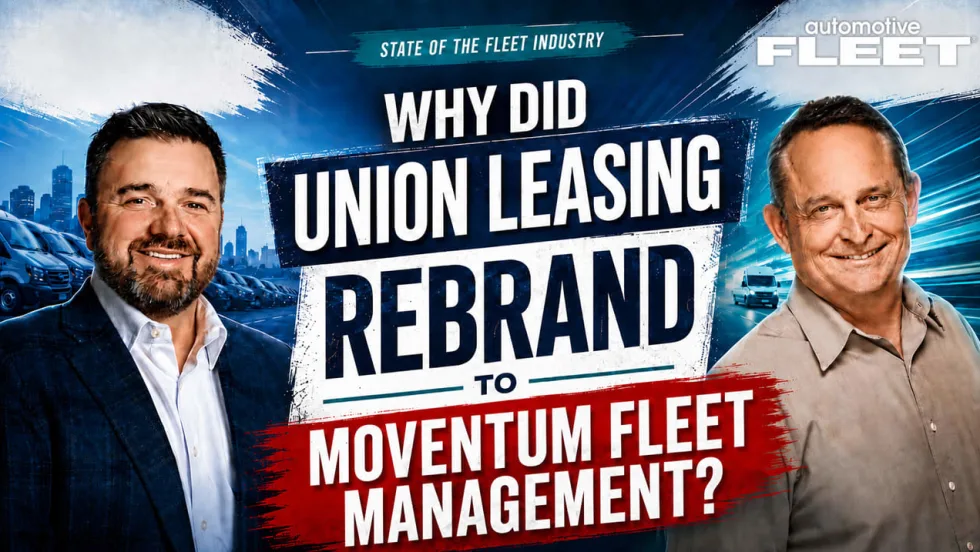
Why Union Leasing Rebranded to Moventum Fleet Management
Mark Hogland discusses Union Leasing’s transition to Moventum Fleet Management and how the rebrand reflects the company’s growing focus on strategic fleet management and lifecycle support.
Read More →
From Storm Response to Data Strategy: Fleet Trends to Watch | AF News Recap
In this AF news recap, host Faith Howell covers this week's most pressing industry updates.
Read More →
Report: 36% of Fleet Managers Are Delaying Replacements
Element’s 2026 Market Pulse Report finds fleets are slowing replacement cycles amid tariffs, economic uncertainty, and rising costs.
Read More →