




Poland Spring Fleet Cuts Idling by 70%
WILKES BARRE, PA - Cutting idling time has reduced the fleet's fuel consumption by 8,000 gallons and greenhouse gas emissions by about 77 tons per year.
WILKES BARRE, PA - Poland Spring has reduced its truck fleet emissions by cutting idling time by 70 percent from 2007 to 2009, reducing top speeds by two miles per hour, and using non-food-based biofuels, according to Environmental Defense Fund.
Cutting idling time has reduced the fleet's fuel consumption by 8,000 gallons and greenhouse gas emissions by about 77 tons per year, as well as saving the company thousands of dollars a year.
Chris McKenna, fleet manager for Poland Spring which is now owned by Nestle, said the high cost of fuel was the initial driving factor for greening the fleet. "What got us started was $5 a gallon fuel," he said. However, even as gasoline and diesel prices have fallen, Poland Spring has intensified its efforts to improve the fuel economy and reduce the carbon dioxide emissions of its fleet.
Early in 2008, the company turned its focus on idling time. Poland Spring had previously installed onboard computers made by Cadec Global in its trucks but they were used only as electronic log books, so the company could track driver performance. However, McKenna later became aware of the program's ability to track idling time. In doing so, he discovered trucks were idling for as much as 1,400 hours per month during the winter months.
To see which of the company's 65 drivers were racking up the most idling time, McKenna put together a ranking. "All we did was talk to them about it, and put a list up in the break room," he said. "Human nature-no one wants to be at the bottom of the list." Drivers were motivated to improve idling even more with a fuel card incentive that could be used for personal cars.
As a result of these incentives, idling dropped dramatically from 1,400 hours in February 2007 to 1,000 hours in February 2008, to just 380 hours in February 2009.
"We didn't have to come up with elaborate rules," McKenna said. "We just made suggestions and asked them to use their own best judgment.
Poland Spring has also lowered its top speed for trucks from 66 to 64 miles per hour and is mapping out optimum routes and mileage to ensure drives are as efficient as possible.
With three bottling facilities in Maine and a filling center in Massachusetts, Poland Spring operates 36 tractor-trailers and 75 tanker trailers, which hold 8,400 gallons each.
More Fuel
Fuel Prices Surge in September | September Fuel Update
September brought major fuel price swings, including diesel crossing $6 a gallon. Here’s how gas and diesel prices changed throughout the month, and where they stood heading into October.
Read More →
Turning Fleet Payment Data into Executive Insights
Ramel Lindsay of U.S. Bank Voyager discusses how fleets can transform payment and transaction data into actionable intelligence to reduce costs, improve oversight, and support executive decision-making.
Read More →
Why the IRS Raised Its Mileage Rate in the Middle of 2026
Fuel-price volatility drove the rare increase to 76 cents per mile, the fifth midyear adjustment since 2000.
Read More →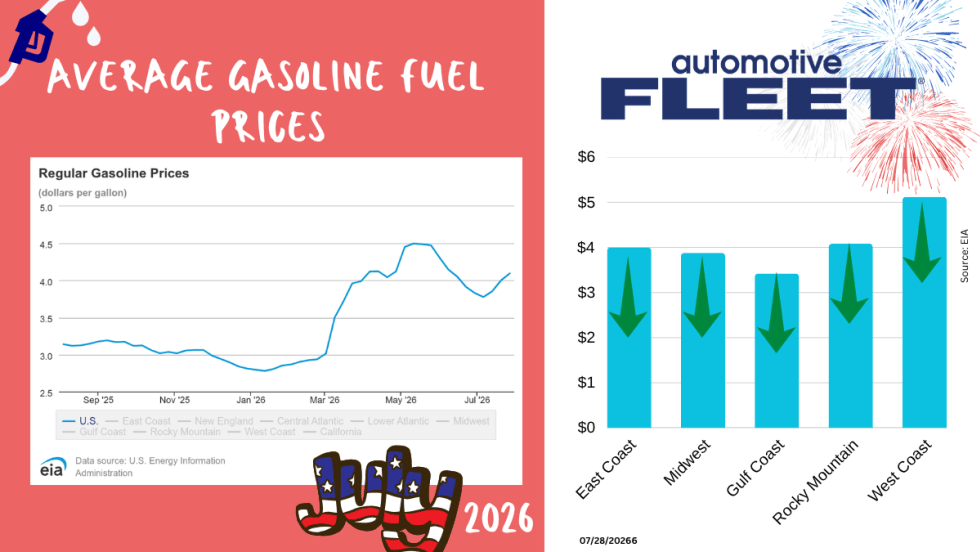
July Fuel Update: Prices Keep Rising in Light of More Conflict
Gas prices continue to rise as more and more conflicts do, too.
Read More →
Bob Adamsky on Fuel Volatility: "Don't Panic, Have a Plan."
When it comes to up and down fuel prices, Adamsky has a message for fleets: “Don’t panic.”
Read More →
How Fleets Can Gain Control of Non-Fuel Spend
Fuel often gets the spotlight, but non-fuel expenses can have a major impact on fleet costs. Ramel Lindsay of U.S. Bank Voyager discusses how fleets can gain better visibility and control over these often-overlooked expenditures.
Read More →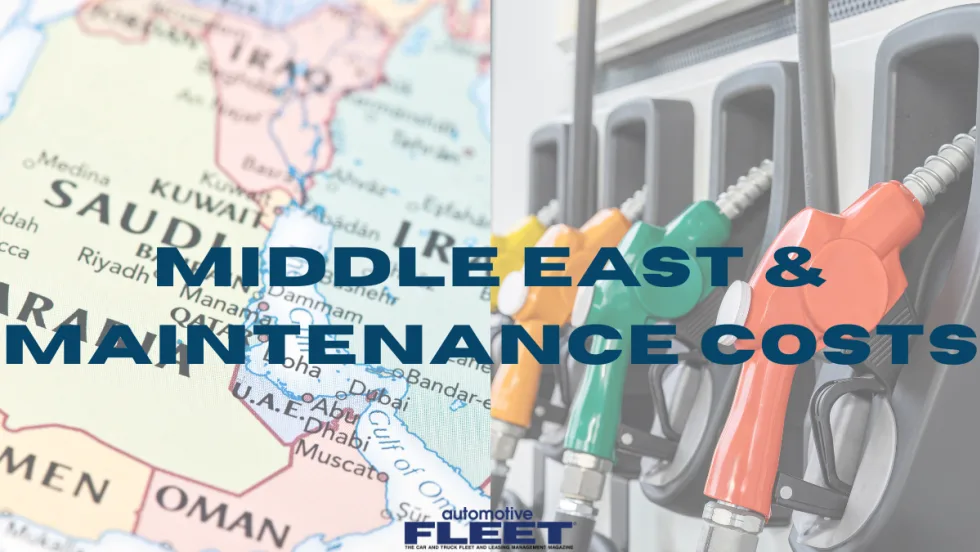
Fuel is Just the Start: How Middle East Tensions are Driving Up Fleet Maintenance Costs
The Middle East conflict is doing more than pushing up fuel prices. It’s also raising the cost of key maintenance products your fleet depends on, from motor oil to tires to windshield wipers. Here’s what you need to know about this budget-busting situation.
Read More →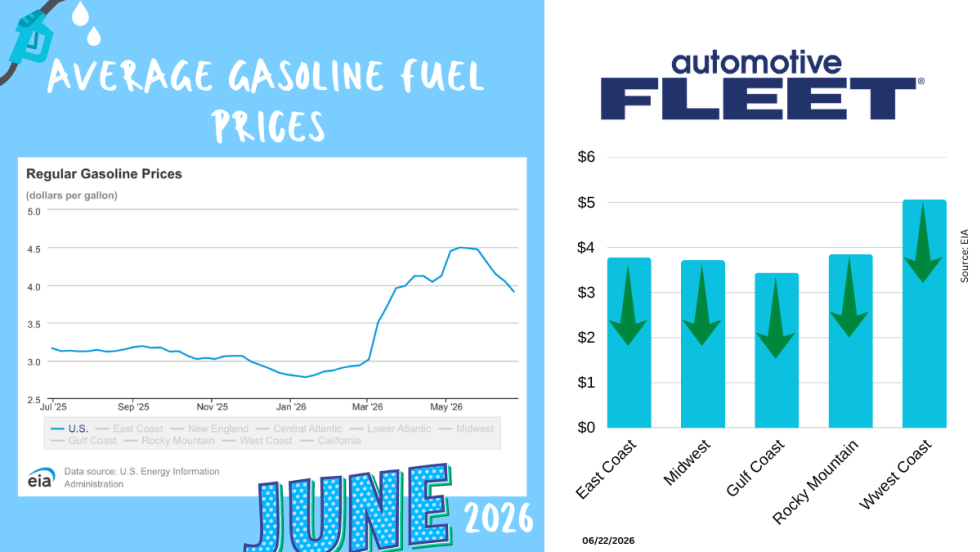
June Fuel Update: Prices Fall Below $4
Drivers are finally getting some relief at the pump. The national average gas price has dropped below $4 a gallon for the first time in months, with prices falling in 47 states as oil markets react to developments in U.S.-Iran negotiations.
Read More →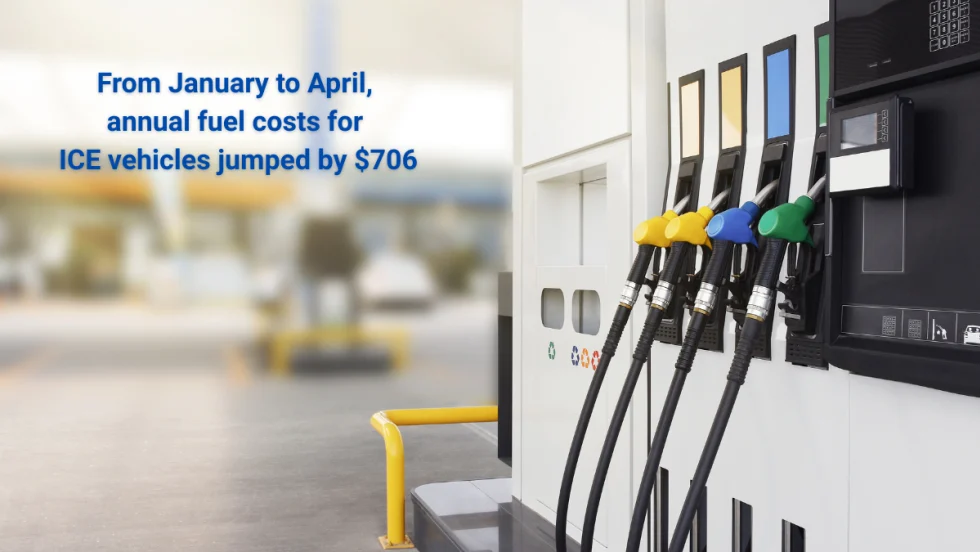
Study: How 2026's Gas Price Hikes Affect Different Vehicle Types
New data from iSeeCars reveals how rising fuel costs have affected different vehicle segments as gasoline prices climbed nearly 46% over the past four months.
Read More →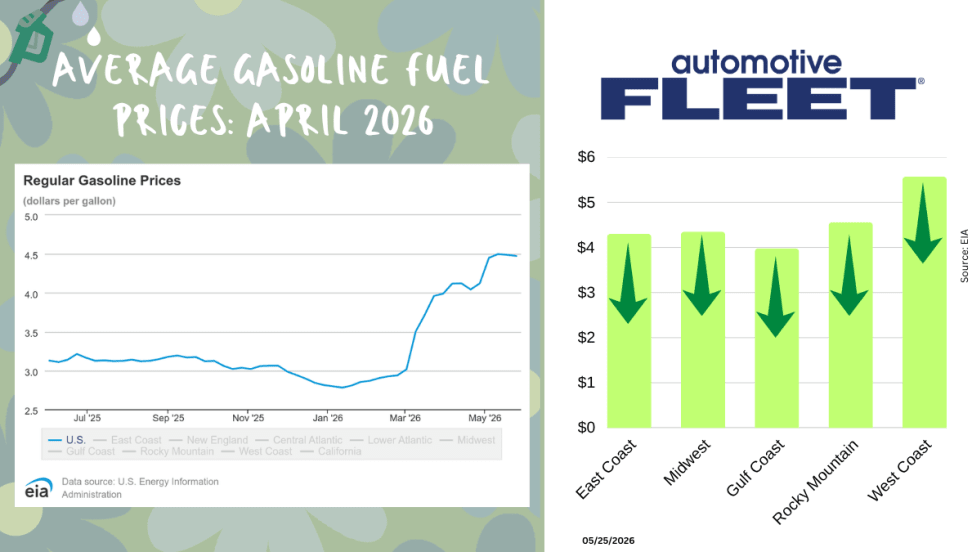
May Fuel Update: All Regions Experience Declines
Gas prices are finally easing in much of the country, but experts warn global tensions could quickly reverse the trend as the national average remains well above last month’s levels.
Read More →