




Oil Companies Defend Profits in Senate Hearing
WASHINGTON D.C. -- In a senate committee hearing Wednesday, top executives from five major oil companies -- Exxon Mobile Corp., Chevron, ConocoPhillips, BPAmerica and Shell Oil USA -- vigorously denied any price gouging at a time of record profits. Instead, they attributed their third-quarter profits to market conditions.
WASHINGTON D.C. -- In a senate committee hearing Wednesday, top executives from five major oil companies -- Exxon Mobil Corp., Chevron, ConocoPhillips, BPAmerica and Shell Oil USA -- vigorously denied any price gouging at a time of record profits. Instead, they attributed their third-quarter profits to market conditions. Exxon Mobil, for example, earned nearly $10 billion in the third quarter. Together, U.S. oil companies earned more than $25 billion in profits in the quarter, despite production disruptions caused by hurricanes Katrina and Rita. In response to consumer complaints, Senate Majority Leader Bill Frist (R-Tenn.) ordered the hearing. When asked to explain the record profits at a time of higher prices at the pump, John Hofmeister, president of Shell Oil Co., cited the price of crude, higher tax payments, and the reinvestment of profits into the business. Shell earned $9 billion in the third quarter. Lee Raymond, chairman of Exxon Mobil Corp., said that industry earnings fluctuate from year to year, and that the industry's earnings per dollar this year are in line with those of other industries. James Mulva, CEO of ConocoPhillips, denied that recent profits represented a windfall because they've come "in the highest price environment our industry has experienced in 22 years, after adjusting for inflation." ConcoPhillips earned $3.8 billion in the third quarter -- an 89 percent increase over the previous year. Democrats had argued for requiring the executives to testify under oath. However, Republicans rejected that idea. A number of Democrats and a handful of Republicans have called for a windfall profits tax on oil companies, in light of the record profits. Critics of this proposal have argued that this tactic would discourage further investment in oil exploration and production.
More Fuel
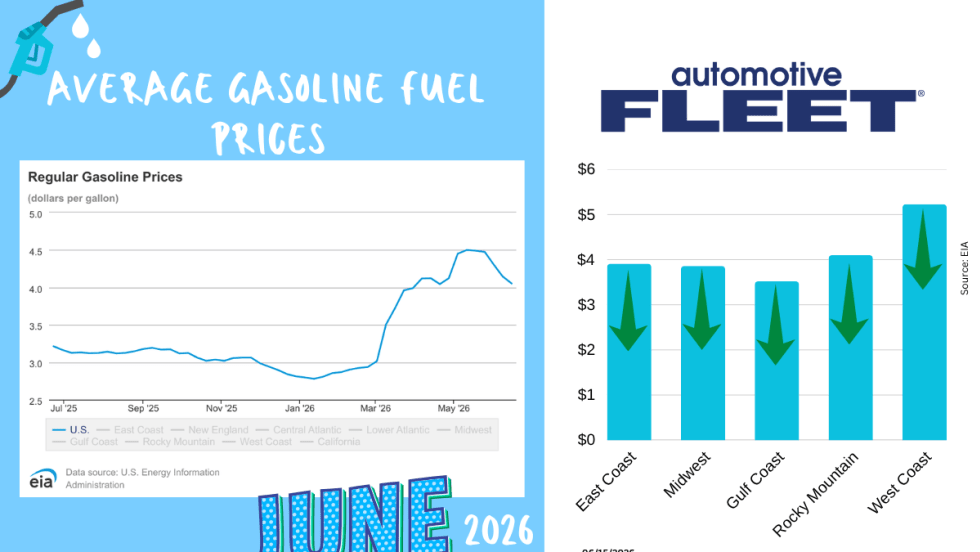
June Fuel Update: Prices Fall Below $4
Drivers are finally getting some relief at the pump. The national average gas price has dropped below $4 a gallon for the first time in months, with prices falling in 47 states as oil markets react to developments in U.S.-Iran negotiations.
Read More →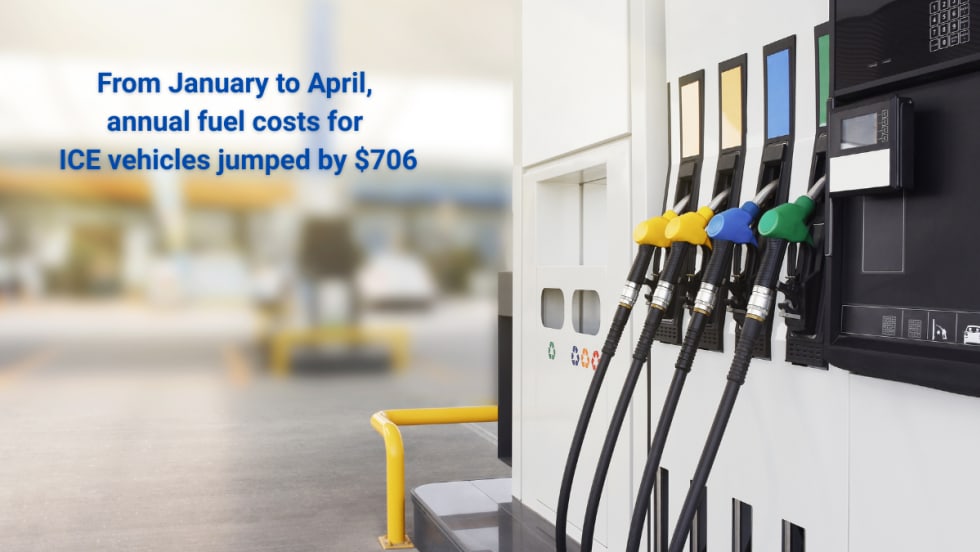
Study: How 2026's Gas Price Hikes Affect Different Vehicle Types
New data from iSeeCars reveals how rising fuel costs have affected different vehicle segments as gasoline prices climbed nearly 46% over the past four months.
Read More →
Are You Tracking Your Fleet's True Total Cost of Ownership?
Bobit Business Media surveyed 190 fleet professionals and found that while most fleets are tracking costs, fragmented systems and data gaps are keeping true TCO visibility out of reach. With rising pressure to control spend in an increasingly volatile environment, the gap between what fleets think they know and what the data actually shows is wider than you might expect. See how your peers are managing costs today and where the industry still has room to improve.
Read More →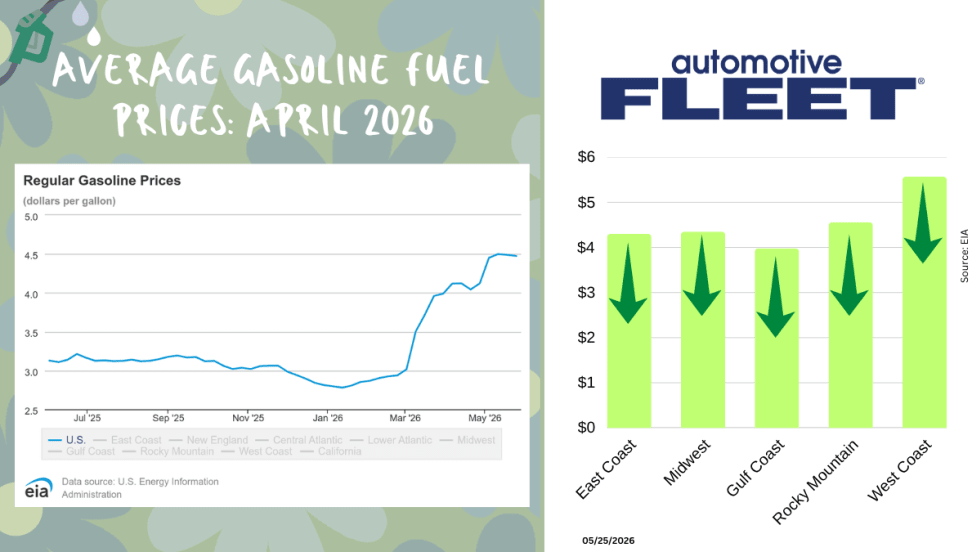
May Fuel Update: All Regions Experience Declines
Gas prices are finally easing in much of the country, but experts warn global tensions could quickly reverse the trend as the national average remains well above last month’s levels.
Read More →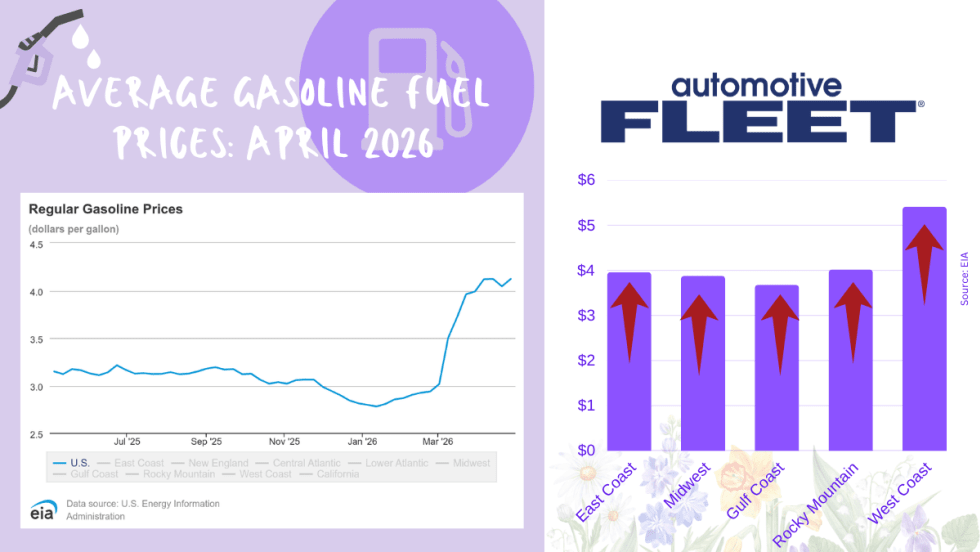
April Fuel Update: Prices Climb Above $4 as Spring Surge Accelerates
National average jumps to $4.04 per gallon, up sharply from last year, with West Coast prices topping $5 and further increases expected amid rising oil tensions.
Read More →
Tips from Fleet Managers on Saving Fuel Costs
Fleet leaders share practical strategies to reduce fuel spend through smarter policy, routing, and driver guidance.
Read More →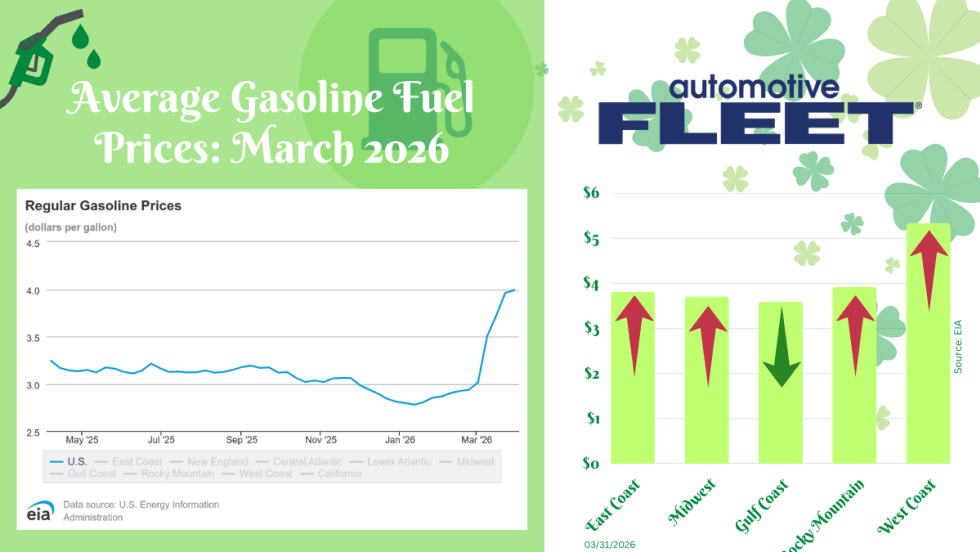
March Fuel Update: Prices Settle With a $4 Average
Fuel prices significantly slowed this week, but a $4 national average is still expected.
Read More →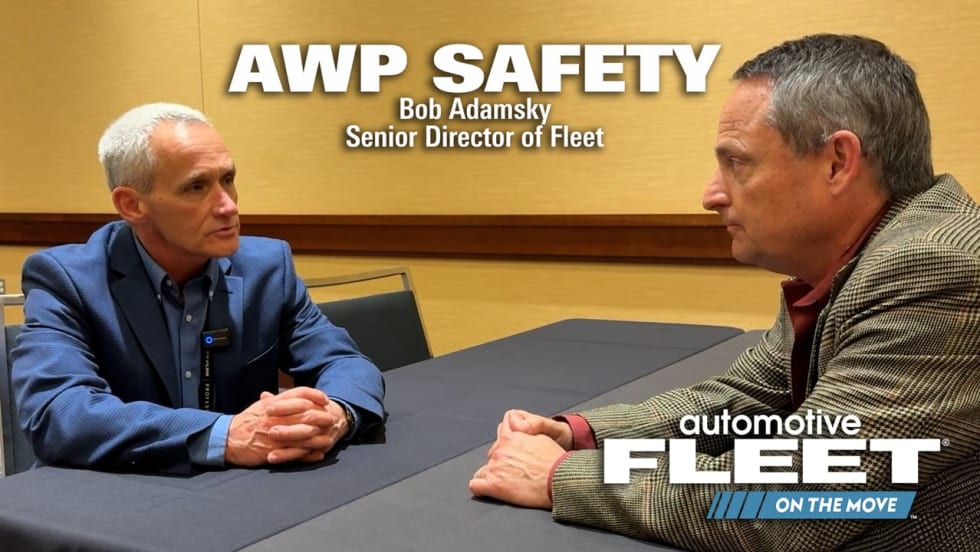
Bob Adamsky on Fuel Volatility: “Don’t Panic — Have a Plan”
With oil prices rising again, AWP Safety’s fleet manager shares how to respond to rising fuel costs and how the right strategy can turn fuel spikes into cost-saving opportunities.
Read More →
Oil Market Turbulence Is Complicating Fleet Cost Planning
Rapid swings in crude oil prices driven by the conflict in the Middle East could create longer-term cost pressures for fleets, affecting fuel prices, supply chains, and vehicle strategy, says NTEA’s Andrew Wrobel.
Read More →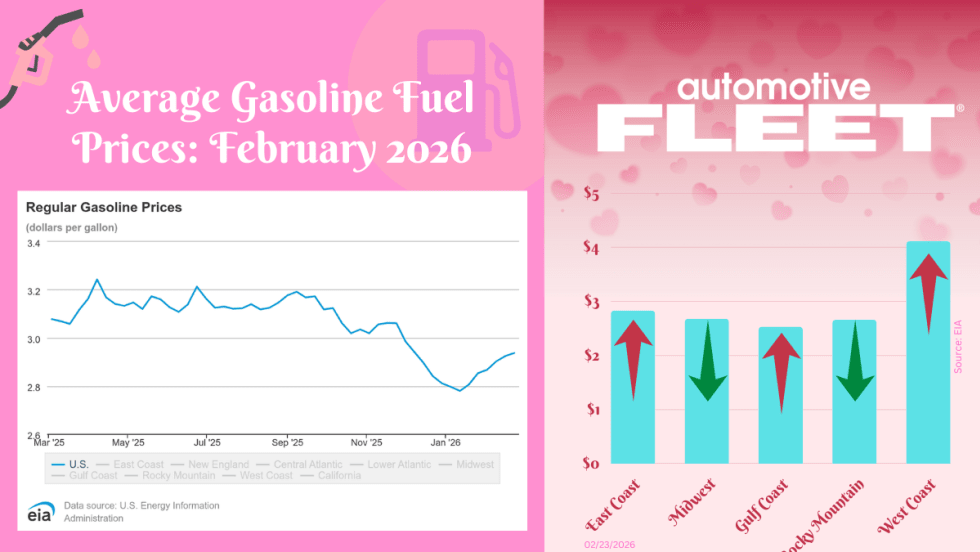
February Fuel Update: Prices Inch Higher for Third Week in a Row
The final February fuel update reveals prices continuing to inch higher for the third week in a row.
Read More →