




NewWave Communications Improves Efficiency Using GPS
SIKESTON, MO - In addition cutting down on fuel use, GPS has helped NewWave Communications guarantee customers a two-hour appointment block instead of the typical four hours cable companies are notorious for.
SIKESTON, MO- NewWave Communications has managed to reduce fuel consumption by 4,200 gallons using GPS fleet management and automated dispatch technology, increasing efficiency and improving service, according to Integrated Solutions.
NewWave previously relied on paper-based processes to dispatch its large technician workforce across all six states.
"The technicians would come to the office, get their paperwork in the morning, and then go do their work and call in to dispatch after reaching the job site," said Larry Eby, vice president of operations. "They might bring their paperwork back that night, or they would come in the next morning to reconcile it."
With an estimated 25-minute commute to the home office, Eby said technicians were wasting time and fuel. Having had some experience working with a satellite-based dispatch solution at another cable company, he set out to find an automated system that would allow the technicians to communicate with the dispatch office remotely, thus eliminating the extra trips to drop off paperwork.
NewWave deployed the DispatchView and TechView workforce management applications from Monument, Colo.-based PeakView Solutions, which not only gave technicians real-time access to work orders but also provided the ability to activate customer hardware using their wireless BlackBerry devices from Research in Motion (RIM).
Both systems interface with NewWave's ICOMS billing software, providing even more functionality. "Our billing system really functions as a subscriber management system," Eby said. "By interfacing with the system through the BlackBerry, the technicians have all the tools they need, just as if they had the billing system at their fingertips."
NewWave's billing system can automatically route work assignments to technicians based on their assigned zone and skill level. PeakView takes that information and sends the day's assignments to each technician's BlackBerry each morning. As the employee completes his work, he enters information into the TechView system on the mobile device, updating his status in real time. PeakView also allows NewWave to automatically call, text or email customers to remind them of their appointment.
In March 2009, NewWave deployed the FleetOutlook fleet management solution from Herndon, Va.-based Wireless Matrix, based on PeakView's recommendation and the fact that the vendor had already deployed its solution with other cable providers. Using GPS devices on the service trucks, the FleetOutlook system collects location and other data too. NewWave not only can easily see where each vehicle is located, but also monitor idle time and vehicle performance. "Initially, we found our vehicles were sitting idle 36-percent of the time, when they could have been turned off," Eby said. "We gave our managers reports on how individual techs were doing, and in July our idle time was down to around 18 percent."
After deploying the FleetOutlook solution in parallel to DispatchView, the company reduced fuel usage by 4,200 gallons per month across 175 technicians, leading to an estimated savings of $30,000 in the first quarter both systems were deployed.
In addition, the system has helped produce new efficiencies by reducing the time technicians spend driving to new appointments, reducing technician overtime. Safety has also been improved, as dispatchers can see where the vehicles are at all times with the system's 24-hour access.
The data has also helped the company secure a two-hour appointment window guarantee, rather than the usual four-hour scheduling blocks used by most cable companies. "We're making 90-percent of our appointments right now," said Eby. "We think we can do better, but we wouldn't have been able to do that or even measure it before we put these systems in place."
The next step in NewWave's real-time tracking evolution will be to integrate the PeakView and Wireless Matrix systems so that dispatchers can have real-time location data to help assign jobs to technicians.
Once the systems are completely integrated, the company will have a map view showing the locations of each technician along with each customer location. The map will allow the company to further improve scheduling, routing and estimated time of arrival (ETA) information, and adjust workloads to meet service window agreements, according to Integrated Solutions.
More Fuel

Turning Fleet Payment Data into Executive Insights
Ramel Lindsay of U.S. Bank Voyager discusses how fleets can transform payment and transaction data into actionable intelligence to reduce costs, improve oversight, and support executive decision-making.
Read More →
Why the IRS Raised Its Mileage Rate in the Middle of 2026
Fuel-price volatility drove the rare increase to 76 cents per mile, the fifth midyear adjustment since 2000.
Read More →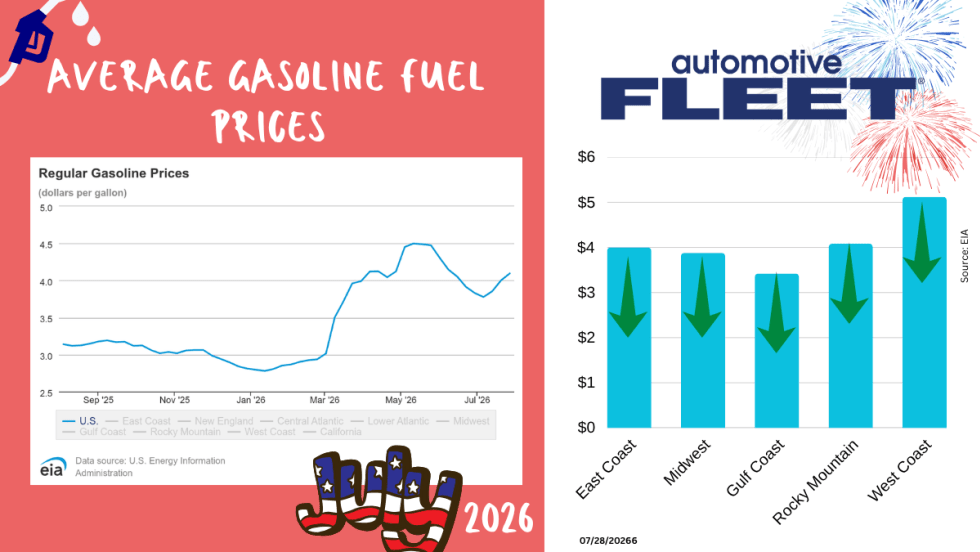
July Fuel Update: Prices Keep Rising in Light of More Conflict
Gas prices continue to rise as more and more conflicts do, too.
Read More →
Bob Adamsky on Fuel Volatility: "Don't Panic, Have a Plan."
When it comes to up and down fuel prices, Adamsky has a message for fleets: “Don’t panic.”
Read More →
How Fleets Can Gain Control of Non-Fuel Spend
Fuel often gets the spotlight, but non-fuel expenses can have a major impact on fleet costs. Ramel Lindsay of U.S. Bank Voyager discusses how fleets can gain better visibility and control over these often-overlooked expenditures.
Read More →
Fuel is Just the Start: How Middle East Tensions are Driving Up Fleet Maintenance Costs
The Middle East conflict is doing more than pushing up fuel prices. It’s also raising the cost of key maintenance products your fleet depends on, from motor oil to tires to windshield wipers. Here’s what you need to know about this budget-busting situation.
Read More →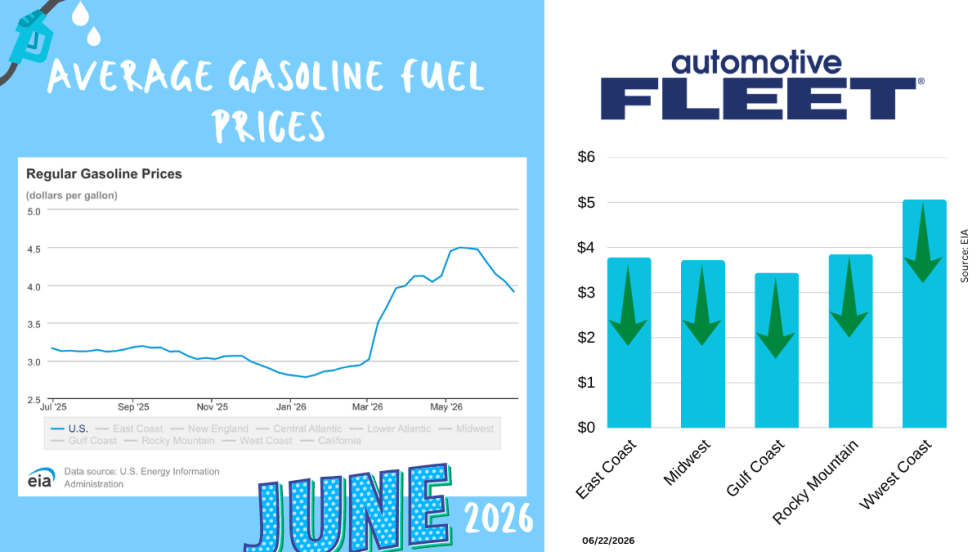
June Fuel Update: Prices Fall Below $4
Drivers are finally getting some relief at the pump. The national average gas price has dropped below $4 a gallon for the first time in months, with prices falling in 47 states as oil markets react to developments in U.S.-Iran negotiations.
Read More →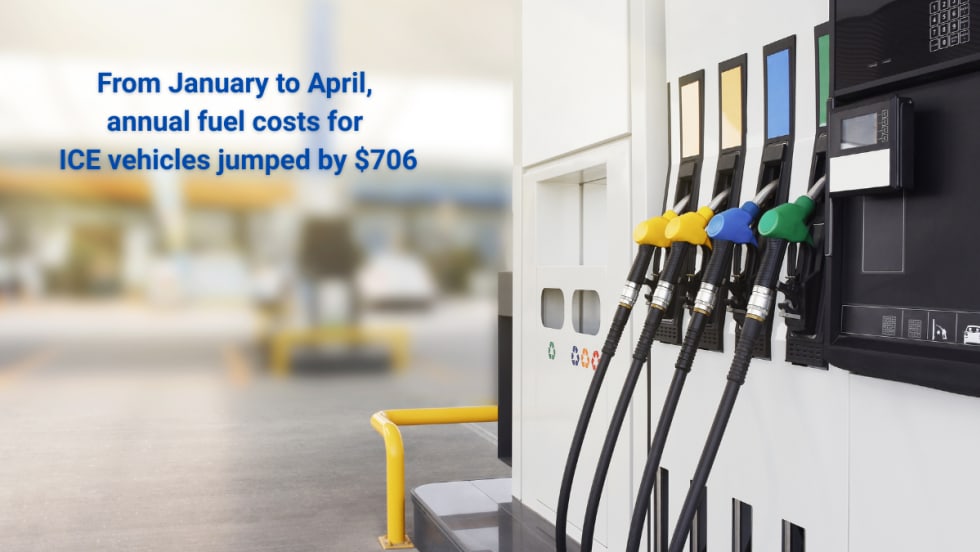
Study: How 2026's Gas Price Hikes Affect Different Vehicle Types
New data from iSeeCars reveals how rising fuel costs have affected different vehicle segments as gasoline prices climbed nearly 46% over the past four months.
Read More →
Are You Tracking Your Fleet's True Total Cost of Ownership?
Bobit Business Media surveyed 190 fleet professionals and found that while most fleets are tracking costs, fragmented systems and data gaps are keeping true TCO visibility out of reach. With rising pressure to control spend in an increasingly volatile environment, the gap between what fleets think they know and what the data actually shows is wider than you might expect. See how your peers are managing costs today and where the industry still has room to improve.
Read More →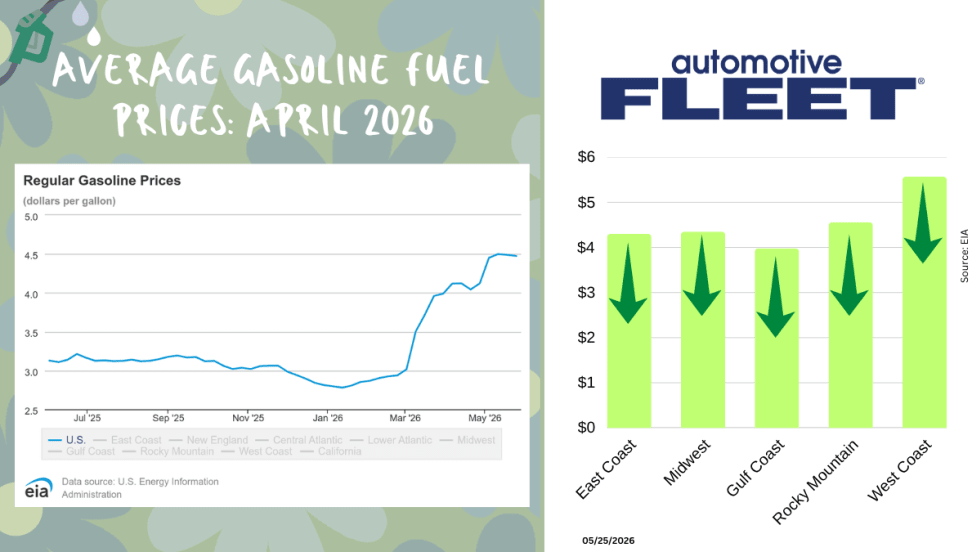
May Fuel Update: All Regions Experience Declines
Gas prices are finally easing in much of the country, but experts warn global tensions could quickly reverse the trend as the national average remains well above last month’s levels.
Read More →