




New Pentastar V-6 Engine to Improve Fuel Efficiency
AUBURN HILLS, MI - The Pentastar engine will ultimately replace seven current Chrysler Group V-6 engines and utilize advanced technologies from the Fiat alliance such as Multiair, direct-injection, and turbocharging.
AUBURN HILLS, MI - Chrysler Group's new Pentastar V-6 engine lineup will contribute to an overall fuel-efficiency improvement across the Chrysler, Ram Truck, Jeep, and Dodge product lineup, according to the automaker. More refined and fuel-efficient, the Pentastar engine will ultimately replace seven current Chrysler Group V-6 engines and utilize advanced technologies from the Fiat alliance such as Multiair, direct-injection, and turbocharging.
The engine will first be offered in the all-new 2011 Jeep Grand Cherokee, launching this year.
In the all-new 2011 Jeep Grand Cherokee, the all-new 3.6L Pentastar V-6 engine will deliver 290 horsepower (216 kW) at 6,350 rpm and 260 lb.-ft. (353 N•m) of torque at 4,300 rpm - an increase of 38 percent in horsepower and 11 percent in torque over its predecessor - while providing an 11-percent fuel economy improvement.
The advanced oil-filter system eliminates oil spills and contains an incinerable filter element for more efficient disposal than typical oil filters. The use of long-life spark plugs and a high-energy coil-on-plug ignition system also helps to reduce maintenance costs.
The Pentastar V-6 is designed to run on regular gasoline, offering a 10-percent reduction in fuel cost compared with premium fueled engines. The engine also is flex-fuel capable, offering users the choice of gasoline or E-85 fuel.
All-new Chrysler 3.6L, DOHC, 24-valve Pentastar V-6 Technical Specifications
Displacement: 3.6 liters
Bore x stroke: 96 x 83 mm
Valve train system: Double-overhead cam with roller finger followers and hydraulic lash adjusters. Dual independent cam-torque actuated phasers
Fuel injection: Multi-point port fuel injection
Construction: High-pressure die-cast aluminum cylinder block and semi-permanent mold aluminum cylinder head
Maximum engine speed: 7200 rpm
Fuel requirement: E-85 (Ethanol) or unleaded regular, 87 octane (R+M)/2
Emission capability: PZEV
More Fuel
Fuel Prices Surge in September | September Fuel Update
September brought major fuel price swings, including diesel crossing $6 a gallon. Here’s how gas and diesel prices changed throughout the month, and where they stood heading into October.
Read More →
Turning Fleet Payment Data into Executive Insights
Ramel Lindsay of U.S. Bank Voyager discusses how fleets can transform payment and transaction data into actionable intelligence to reduce costs, improve oversight, and support executive decision-making.
Read More →
Why the IRS Raised Its Mileage Rate in the Middle of 2026
Fuel-price volatility drove the rare increase to 76 cents per mile, the fifth midyear adjustment since 2000.
Read More →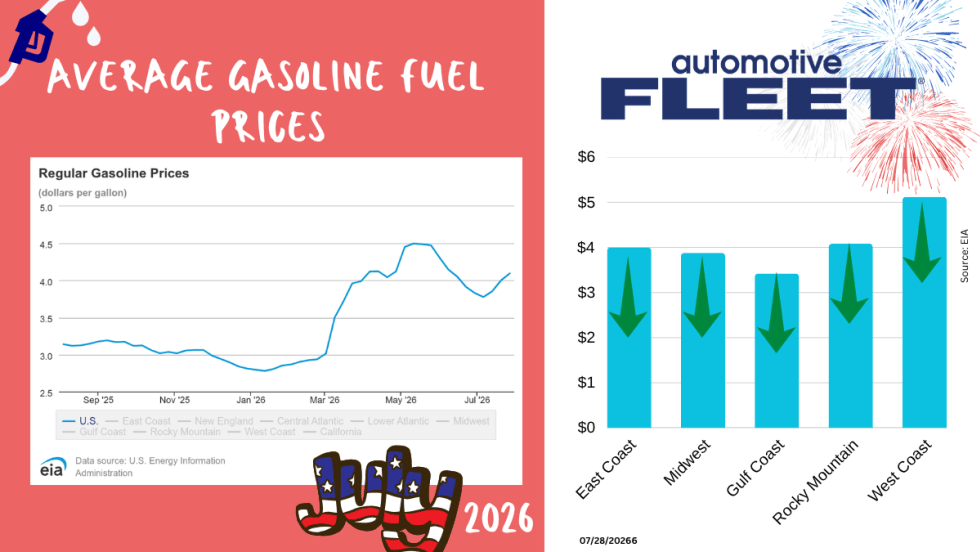
July Fuel Update: Prices Keep Rising in Light of More Conflict
Gas prices continue to rise as more and more conflicts do, too.
Read More →
Bob Adamsky on Fuel Volatility: "Don't Panic, Have a Plan."
When it comes to up and down fuel prices, Adamsky has a message for fleets: “Don’t panic.”
Read More →
How Fleets Can Gain Control of Non-Fuel Spend
Fuel often gets the spotlight, but non-fuel expenses can have a major impact on fleet costs. Ramel Lindsay of U.S. Bank Voyager discusses how fleets can gain better visibility and control over these often-overlooked expenditures.
Read More →
Fuel is Just the Start: How Middle East Tensions are Driving Up Fleet Maintenance Costs
The Middle East conflict is doing more than pushing up fuel prices. It’s also raising the cost of key maintenance products your fleet depends on, from motor oil to tires to windshield wipers. Here’s what you need to know about this budget-busting situation.
Read More →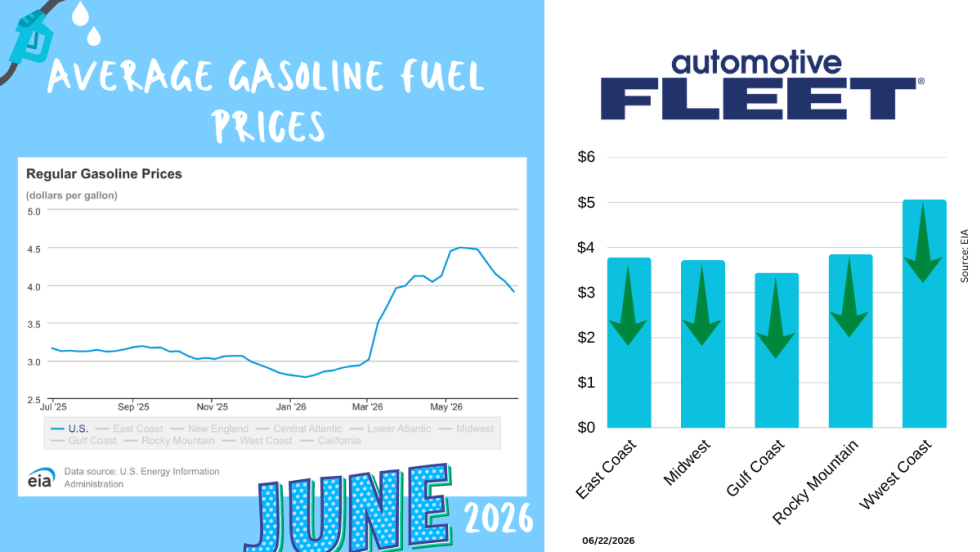
June Fuel Update: Prices Fall Below $4
Drivers are finally getting some relief at the pump. The national average gas price has dropped below $4 a gallon for the first time in months, with prices falling in 47 states as oil markets react to developments in U.S.-Iran negotiations.
Read More →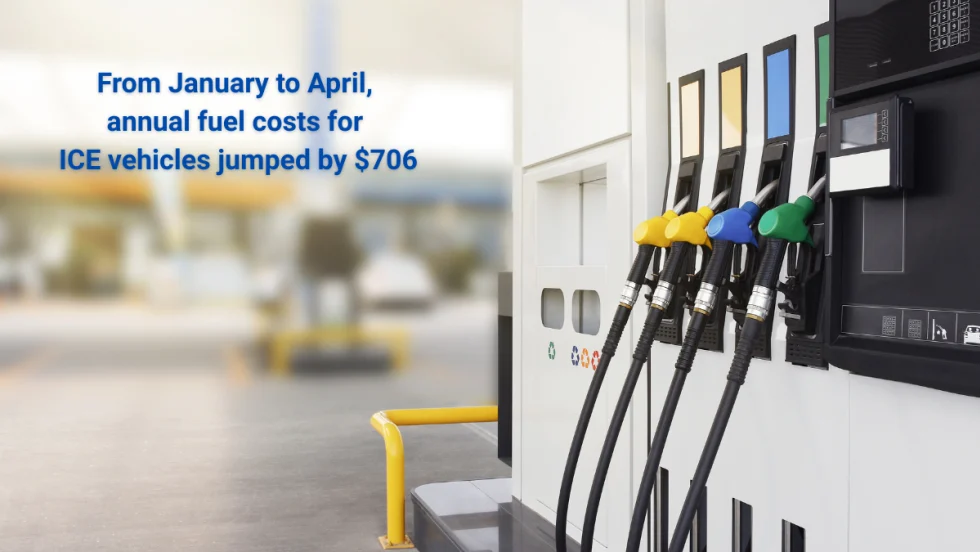
Study: How 2026's Gas Price Hikes Affect Different Vehicle Types
New data from iSeeCars reveals how rising fuel costs have affected different vehicle segments as gasoline prices climbed nearly 46% over the past four months.
Read More →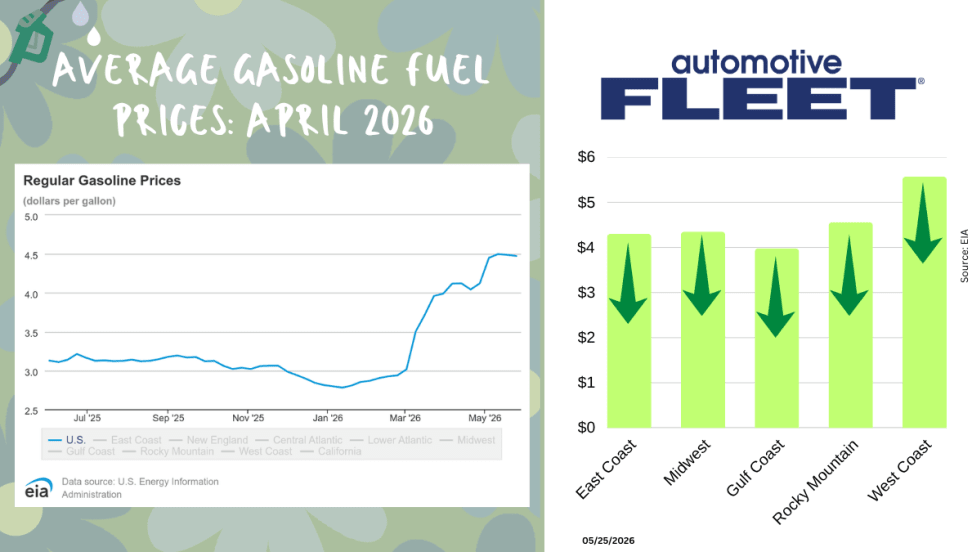
May Fuel Update: All Regions Experience Declines
Gas prices are finally easing in much of the country, but experts warn global tensions could quickly reverse the trend as the national average remains well above last month’s levels.
Read More →