




Networkfleet Announces New Fuel Card Reporting Capabilities
SAN DIEGO – Networkfleet, Inc. announced new Fuel Card Reporting capabilities are now available through its wireless fleet management system.
SAN DIEGO – Networkfleet, Inc. announced new Fuel Card Reporting capabilities are now available through its wireless fleet management system. In addition to extensive fuel usage and miles per gallon reporting, Networkfleet, in partnership with Wright Express, the leading provider of fleet cards, offers Fuel Card Reporting that gives fleet managers the ability to track fuel transactions and identify unauthorized fuel purchases.
According to the US Department of Energy, retail gasoline prices are expected to average 77 cents per gallon higher in 2011 than in 2010, with even higher prices in 2012. For commercial fleets, fuel costs represent a major component of their overall operating budget. Networkfleet’s Fuel Card Reporting, combined with its system’s ability to monitor MPG, speed, idle time, emissions, diagnostic trouble codes, and more, gives fleet managers a new way to further control and reduce rising operating costs.
“Fuel is a major line item for fleets. To combat the recent and predicted increases in fuel costs, we continue to offer new ways for our customers to control expenses,” said Keith Schneider, president and CEO of Networkfleet. “We are happy to partner with Wright Express as their fuel cards are the most widely used and accepted at fuel locations throughout the US and Canada.”
The new Fuel Card Reporting consists of two reports: the Fuel Guard Report and the Fuel Card Transactions Report. The Fuel Guard Report lets users compare the location/time the fuel was purchased with the vehicle location/time to determine if the proper vehicle was being fueled or if there was a potential fraud event. The Fuel Card Transactions Report allows the user to see all fuel transactions during a specific period of time as well as details regarding those transactions, including location, gallons, and total cost.
Networkfleet’s online fleet management system also offers a full range of reports and alerts to help fleets reduce fuel costs. These include the ability to monitor the fuel economy of specific fleet vehicles, idle time reports, speed violation alerts, geofences to identify unauthorized vehicle use, routing optimization, and maintenance alerts.
More Fuel
Fuel Prices Surge in September | September Fuel Update
September brought major fuel price swings, including diesel crossing $6 a gallon. Here’s how gas and diesel prices changed throughout the month, and where they stood heading into October.
Read More →
Turning Fleet Payment Data into Executive Insights
Ramel Lindsay of U.S. Bank Voyager discusses how fleets can transform payment and transaction data into actionable intelligence to reduce costs, improve oversight, and support executive decision-making.
Read More →
Why the IRS Raised Its Mileage Rate in the Middle of 2026
Fuel-price volatility drove the rare increase to 76 cents per mile, the fifth midyear adjustment since 2000.
Read More →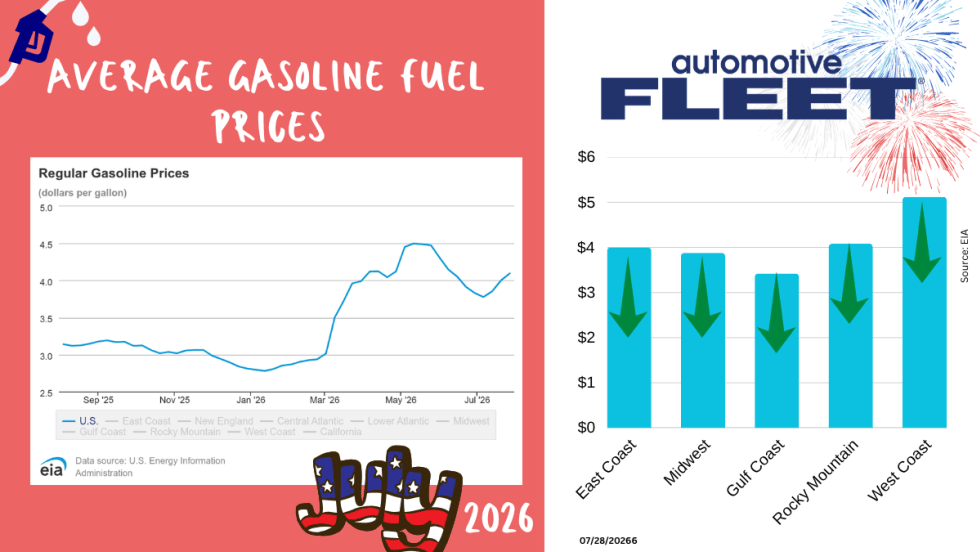
July Fuel Update: Prices Keep Rising in Light of More Conflict
Gas prices continue to rise as more and more conflicts do, too.
Read More →
Bob Adamsky on Fuel Volatility: "Don't Panic, Have a Plan."
When it comes to up and down fuel prices, Adamsky has a message for fleets: “Don’t panic.”
Read More →
How Fleets Can Gain Control of Non-Fuel Spend
Fuel often gets the spotlight, but non-fuel expenses can have a major impact on fleet costs. Ramel Lindsay of U.S. Bank Voyager discusses how fleets can gain better visibility and control over these often-overlooked expenditures.
Read More →
Fuel is Just the Start: How Middle East Tensions are Driving Up Fleet Maintenance Costs
The Middle East conflict is doing more than pushing up fuel prices. It’s also raising the cost of key maintenance products your fleet depends on, from motor oil to tires to windshield wipers. Here’s what you need to know about this budget-busting situation.
Read More →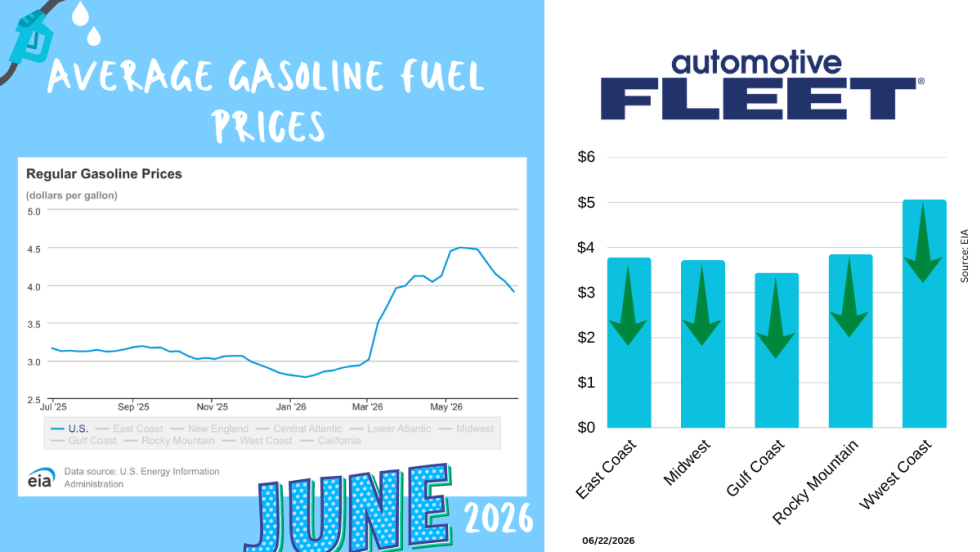
June Fuel Update: Prices Fall Below $4
Drivers are finally getting some relief at the pump. The national average gas price has dropped below $4 a gallon for the first time in months, with prices falling in 47 states as oil markets react to developments in U.S.-Iran negotiations.
Read More →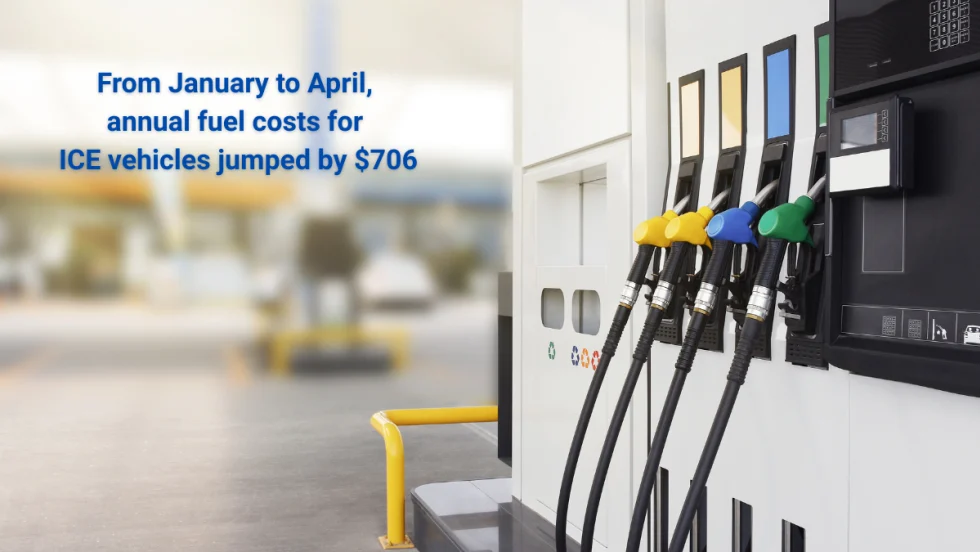
Study: How 2026's Gas Price Hikes Affect Different Vehicle Types
New data from iSeeCars reveals how rising fuel costs have affected different vehicle segments as gasoline prices climbed nearly 46% over the past four months.
Read More →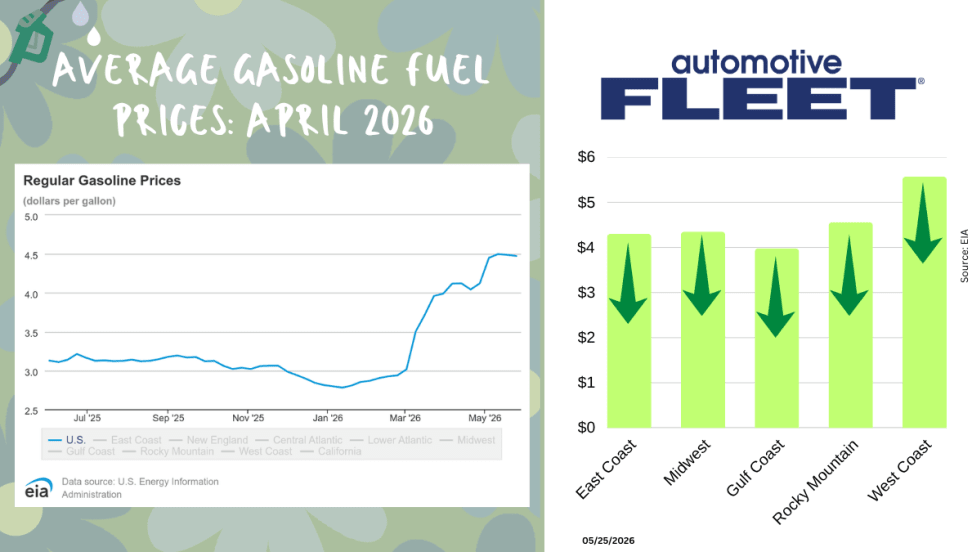
May Fuel Update: All Regions Experience Declines
Gas prices are finally easing in much of the country, but experts warn global tensions could quickly reverse the trend as the national average remains well above last month’s levels.
Read More →