




NAVTEQ Study Shows Integrated Navigation Reduces Fuel Costs by 15%
PARIS – NAVTEQ, a global provider of digital maps for vehicle navigation and location-based solutions, has launched an Integrated Navigation initiative intended to facilitate the development of solutions based on enterprise user needs.
PARIS – NAVTEQ, a global provider of digital maps for vehicle navigation and location-based solutions, has launched an Integrated Navigation initiative intended to facilitate the development of solutions based on enterprise user needs. To support the initiative, NAVTEQ’s Enterprise Europe Business Unit commissioned a research study that highlighted significant benefits for integrated navigation solutions, such as a 40-percent reduction in communications costs, a 15-percent reduction in fuel costs, and an 18-percent reduction in driver hours. The concept of Integrated Navigation entails “connecting” an in-vehicle navigation solution with enterprise IT systems with navigation functionality to improve communication and operational efficiency. Examples include fleet dispatching systems, field force optimization solutions, and CRM (Customer Relationship Management). Two-way information flow from the enterprise to the mobile environment improves information sharing, reduces job allocation errors, lowers communication costs between fleet and dispatcher, and improves man-machine interface safety. To determine the benefits and the market potential of integrated navigation solutions for the distribution and service industries, NAVTEQ conducted an analysis with Frost & Sullivan. The research included face-to-face interviews with leading companies in both the distribution and service industries, which have been able to leverage return on investment (ROI) through integrated navigation. In addition to direct cost savings and operational efficiency improvements, returns from increased revenue generation had previously been underestimated. The study showed repeat business in the service industry could increase by as much as 10 percent as a result of more punctual arrivals and the subsequent increase in customer satisfaction. Fleet operators in the distribution industry could, for example, increase their customer base by up to 30 percent. In time, staff turnover could also be reduced and driver training may, in some cases, be cut by as much as a month. For more information on this study and its methodology, contact Benoit Vaille at benoit.vaille@navteq.com.
More Fuel
Fuel Prices Surge in September | September Fuel Update
September brought major fuel price swings, including diesel crossing $6 a gallon. Here’s how gas and diesel prices changed throughout the month, and where they stood heading into October.
Read More →
Turning Fleet Payment Data into Executive Insights
Ramel Lindsay of U.S. Bank Voyager discusses how fleets can transform payment and transaction data into actionable intelligence to reduce costs, improve oversight, and support executive decision-making.
Read More →
Why the IRS Raised Its Mileage Rate in the Middle of 2026
Fuel-price volatility drove the rare increase to 76 cents per mile, the fifth midyear adjustment since 2000.
Read More →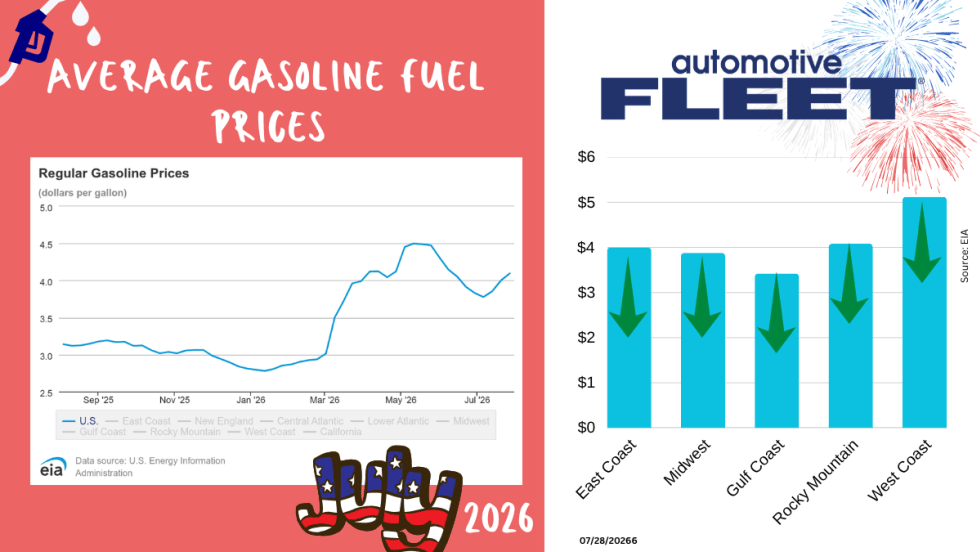
July Fuel Update: Prices Keep Rising in Light of More Conflict
Gas prices continue to rise as more and more conflicts do, too.
Read More →
Bob Adamsky on Fuel Volatility: "Don't Panic, Have a Plan."
When it comes to up and down fuel prices, Adamsky has a message for fleets: “Don’t panic.”
Read More →
How Fleets Can Gain Control of Non-Fuel Spend
Fuel often gets the spotlight, but non-fuel expenses can have a major impact on fleet costs. Ramel Lindsay of U.S. Bank Voyager discusses how fleets can gain better visibility and control over these often-overlooked expenditures.
Read More →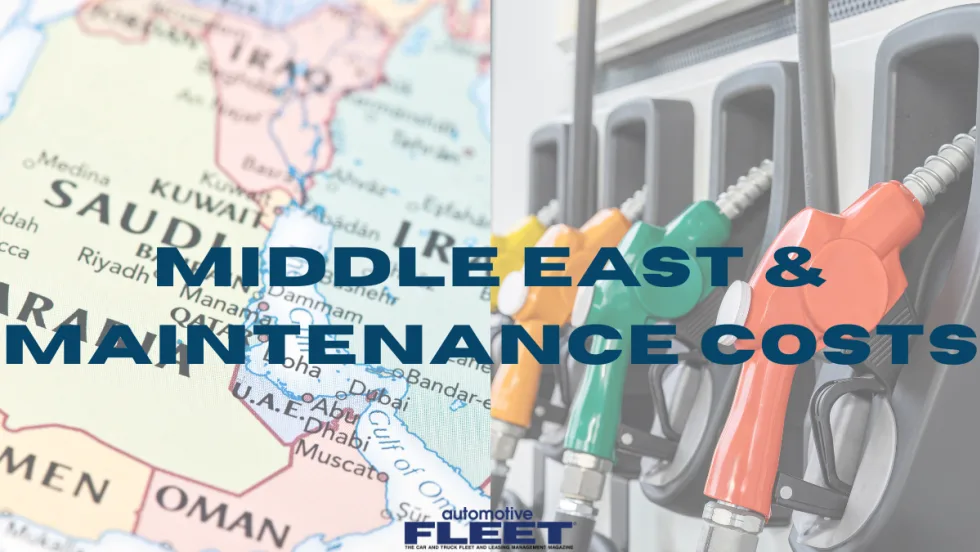
Fuel is Just the Start: How Middle East Tensions are Driving Up Fleet Maintenance Costs
The Middle East conflict is doing more than pushing up fuel prices. It’s also raising the cost of key maintenance products your fleet depends on, from motor oil to tires to windshield wipers. Here’s what you need to know about this budget-busting situation.
Read More →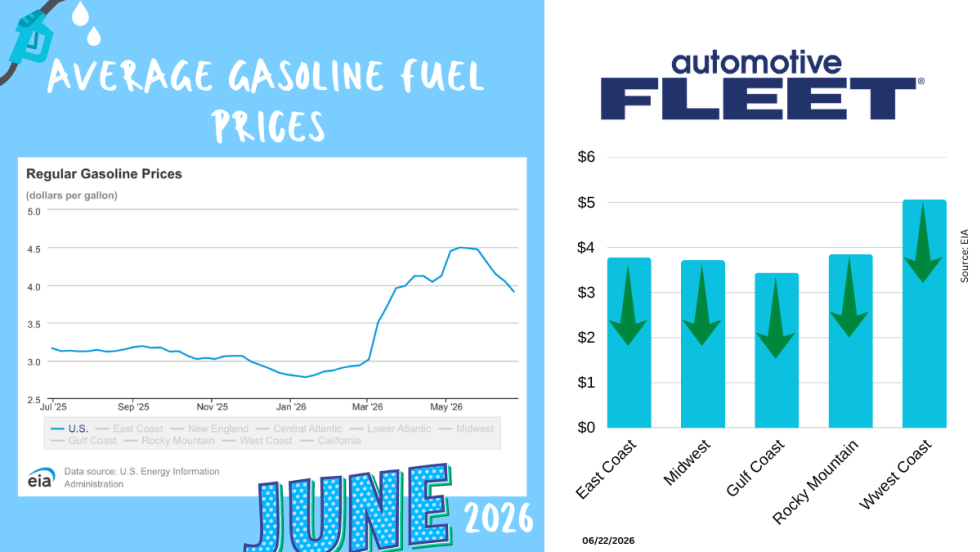
June Fuel Update: Prices Fall Below $4
Drivers are finally getting some relief at the pump. The national average gas price has dropped below $4 a gallon for the first time in months, with prices falling in 47 states as oil markets react to developments in U.S.-Iran negotiations.
Read More →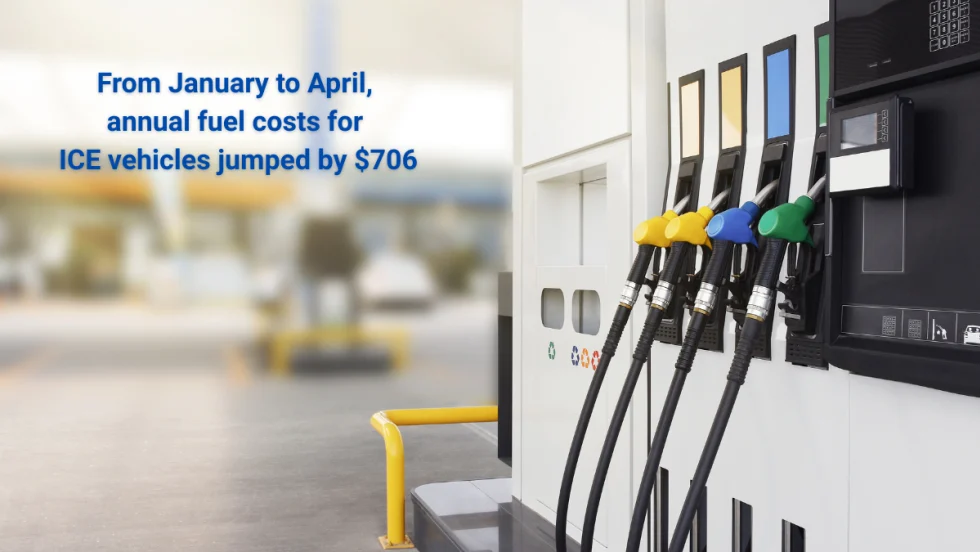
Study: How 2026's Gas Price Hikes Affect Different Vehicle Types
New data from iSeeCars reveals how rising fuel costs have affected different vehicle segments as gasoline prices climbed nearly 46% over the past four months.
Read More →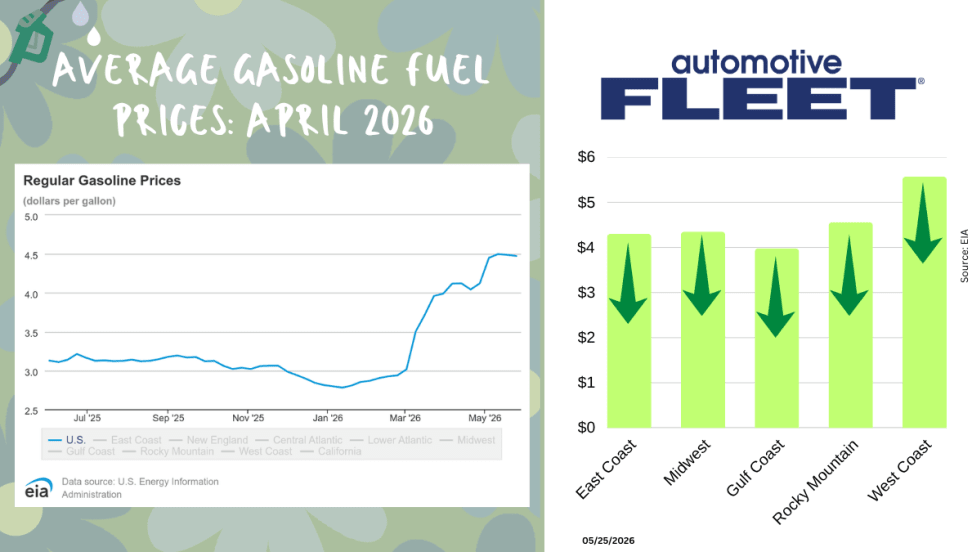
May Fuel Update: All Regions Experience Declines
Gas prices are finally easing in much of the country, but experts warn global tensions could quickly reverse the trend as the national average remains well above last month’s levels.
Read More →