




Related: Maintenance Inefficiencies Costing USPS $21.8M a Year
NAFA Urges USPS Against Mass Vehicle Purchase
The NAFA Fleet Management Association urged the U.S. Postal Service not to replace 180,000 new vehicles at the same time and implement better fleet management practices at a congressional hearing on May 21.
by Staff
May 21, 2015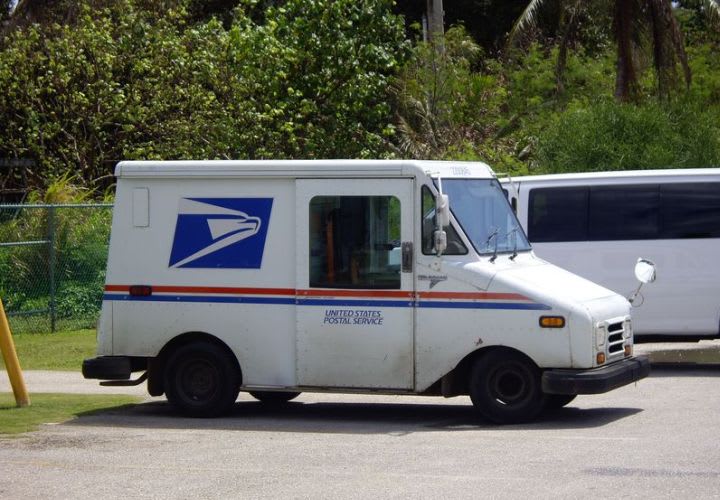
Photo of USPS vehicle via Wikimedia.
3 min to read
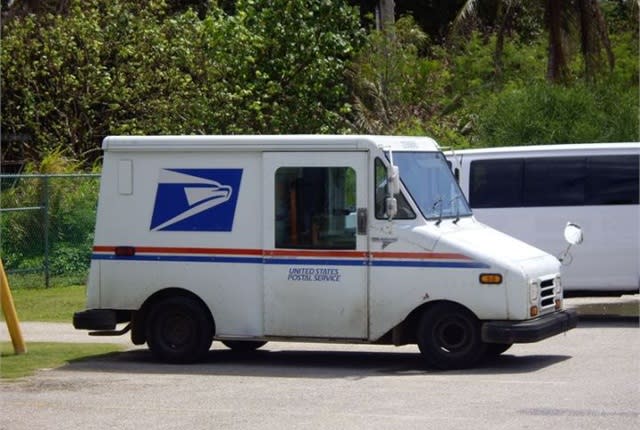
Photo of USPS vehicle via Wikimedia.
The NAFA Fleet Management Association urged the U.S. Postal Service not to replace 180,000 new vehicles at the same time and implement better fleet management practices at a congressional hearing on May 21.
Katherine Vigneau, CAFM, NAFA's director of professional development, gave testimony to the U.S. House Committee on Oversight & Governmental Reform. The committee had scheduled a hearing regarding the agency's plan to spend up to $6.3 billion on next-generation delivery vehicles. The USPS has narrowed the list to 15 suppliers.
Other testimony came from William Toth, director of the GSA's Office of Vehicle Management, and Lori Rectanus, the GAO's director of physical infrastructure.
Vigneau offered the most stinging rebuke of USPS fleet management practices, and said the "idea of replacing all 180,000 at the same time, from a single source, is not in keeping with best practices," according to a NAFA release.
"In accordance with NAFA best practice, the USPS has a definite requirement to replace a significant portion of their fleet," Vigneau said. "Lifecycle cost analysis has been used to demonstrate that operating costs are rising significantly. Extended replacement also has the disadvantages of not introducing important safety and technological improvements in the fleet. The lifecycle methodology should be used further to analyze custom versus commercial purchase options and alternative fuel options."
A report from the U.S. Office of Inspector General released earlier this month said the USPS could reduce its maintenance costs by $21.8 million per year by improving oversight of its mechanics and right-sizing staffing at vehicle garages. A 2011 GAO report concluded the USPS was spending $750 million per year on maintenance for its fleet.
Vigneau said the USPS fleet should be centralized and individuals responsible for maintaining the fleet should be trained in the best practices of fleet management. She recommended five specific practices:
Use lifecycle spreadsheets to define and observe optimal vehicle lifecycles and avoid the pitfalls of extended replacement.
Develop a long-term capital procurement plan that's regularly reviewed and updated.
Centralize management of fleet assets for better efficiency, liability and control.
Create a vehicle selector list that considers lifecycle costs, safety and environmental impact.
Set goals for fuel and emissions reductions.
During his testimony, Toth said the GSA supports the USPS "in a limited capacity." The USPS is exempt from federal mandates that require other federal agencies to purchase vehicles through the GSA. The GSA now leases 389 vehicles to the USPS for administrative purposes. The USPS takes advantage of the GSA's short-term rental fleet for surge requirements.
Rectanus discussed fleet management practices and challenges faced by USPS in replacing its aging fleet. The GAO analyzed fleet costs logged into the USPS accounting system, conducted visits to USPS sites, and reviewed prior studies on USPS financial challenges in a recent audit.
More Operations

Here's When You Should Make an Exception to Fleet Policy
Fleet policies are designed to create consistency, but not every driver or situation fits neatly within standard rules.
Read More →
AI-Native or AI-Acquired: What Should Fleet Managers Look for in an AI Platform?
Six questions can help fleet managers look beyond AI marketing claims to evaluate integration, data access, and real-world operational performance.
Read More →
Sponsored•October 14, 2026
A buyer's guide to fleet management software in 2027
Buying fleet management software in 2027 means looking beyond features and price. As fleet operations, technology and expectations evolve, this guide explores what today’s fleet professionals should consider when choosing a system that can deliver value now and adapt to what comes next.
Read More →

What Will Shape the Next Era of Fleet Management?
EVs, AI, and autonomous vehicles are reshaping fleet management. Discover what’s ahead—and how fleet leaders can prepare for the next era.
Read More →
How Fleets Can Recruit and Train Veterans for Technician Roles
Here's how the technician shortage has affected uptime for fleets, and what to do about it.
Read More →
Avis Budget Group Deploys Neology Toll Management Technology Across Major Brands
Neology’s neoFleet platform will manage toll transactions and toll-authority operations for vehicles across Avis, Budget, Payless, Budget Truck and Zipcar.
Read More →
Fleet Personal-Use Charges Edge Higher in 2026
Nearly eight in 10 surveyed fleets allow personal use of company vehicles, while just over half of respondents report charging employees for the privilege.
Read More →
The Future of Fleet + What’s Changing Right Now | AF News Recap
Could developments overseas offer a preview of what’s coming for U.S. fleets? This week, we’re looking at the future of AI, autonomy, and electrification, plus Ford Pro’s new certified pre-owned program, smarter vehicle offboarding, and a new way for fleets to manage toll expenses.
Read More →
How to Handle Vehicle Offboarding
What do fleet managers need to do when a driver leaves?
Read More →
Sponsored•October 1, 2026
Fleet Manager’s Ultimate Playbook: Navigating the New Standard in OEM Connectivity
Rising operating costs, driver safety concerns, and unplanned downtime are putting unprecedented pressure on modern fleets. Discover how fleet managers use embedded OEM connectivity and real-time vehicle data to cut TCO, prevent downtime, and protect drivers without aftermarket telematics hardware.
Read More →