




MY-2013 Ram 1500 to Deliver More Power and Fuel Savings Together
NEW YORK - Power and fuel savings in one package are among the highlights of newly redesigned MY-2013 Ram 1500. The new vehicle was unveiled at this week’s New York International Auto Show.
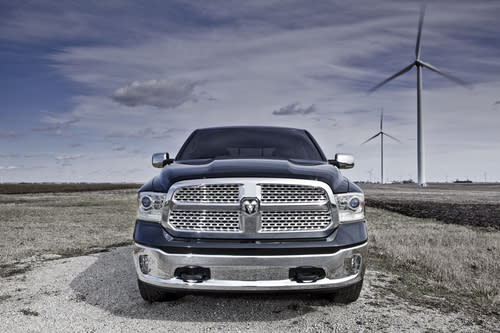
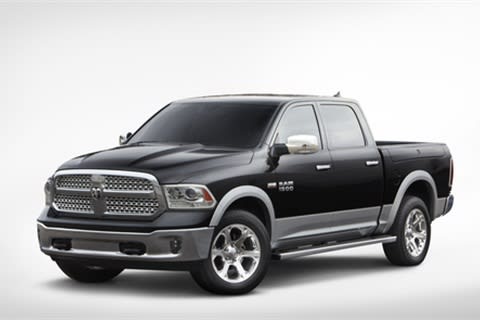
NEW YORK – Power and fuel savings in one package are among the highlights of newly redesigned MY-2013 Ram 1500. The new vehicle was unveiled at this week’s New York International Auto Show.
To view a photo gallery of MY-2013 Ram 1500 images click here.
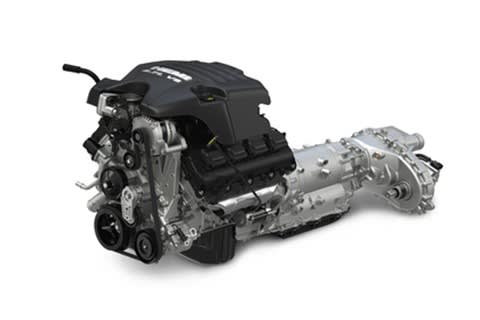
Among the MY-2013 Ram 1500’s features are a new 3.6L Pentastar V-6 engine featuring 42 percent more horsepower, 13 percent more torque, and at least 20 percent better fuel economy compared to the previous 3.7L V-6 powertrain, according to the company. The 5.7L HEMI V-8 with fuel saver technology and variable-valve timing option provides 395 hp, 407 lb.-ft. of torque, and, according the automaker, best-in-class fuel economy for V-8 trucks.
The MY-2013 Ram 1500 features the TorqueFlite 8 eight-speed automatic transmission, which is standard with the 3.6L V-6 Pentastar. An eight-speed is also available with the 5.7L V-8 HEMI. The TorqueFlite 8 is operated using a dash-mounted, rotary e-shift design.
In addition to its eight-speed automatic transmission, the Ram 1500 features stop-start technology — which improves fuel economy by up to 3.3 percent by shutting off the engine when the truck comes to a complete stop and restarts when the driver releases the brake — a thermal management system, pulse-width modulation with active aerodynamics, including grille shutters and air suspension.
The truck’s air suspension system also helps with fuel economy by improving ride control and off-road capability along with improved ingress/egress and loading, and features automatic load leveling. The feature operates automatically or may be controlled manually via console or key fob controls and includes: normal ride height, aero mode, two off-road modes, and park mode—which aids ingress/egress and cargo loading. Load leveling automatically detects the load on the suspension and increases the air pressure until the vehicle reaches normal ride height, leveling the truck and improving the loaded ride.
Fuel economy will also be increased, according to the company, due to the Ram 1500’s lighter weight. The frame is 30 lbs. lighter and the aluminum hood is 26 lbs. lighter. The Pentastar V-6 and TorqueFlite 8 transmission is 76 lbs. lighter. The V-8 with TorqueFlite 8 is 30 lbs. lighter.
The Ram 1500 features more than 45 active and passive safety and security features, including standard front airbags, front and rear side-curtain air bags and seat-mounted side pelvic-thorax air bags with Enhanced Accident Response System, knee bolsters, seat-belt pretensioners, BeltAlert System; and available adjustable pedals, ParkSense rear park assist and ParkView rear back-up camera. The 2013 Ram 1500 also includes standard electronic stability control (ESC), hosting a number of technologies including all-speed traction control, trailer-sway control, Hill-start Assist and anti-lock brake system (ABS).
The 2013 Ram 1500 is backed with a 5-year / 100,000-Mile Powertrain Limited Warranty. The Powertrain Limited Warranty covers the cost of all parts and labor needed to repair a covered powertrain component – engine, transmission and drive system. Coverage also includes free towing to the nearest Ram dealer, if necessary. The warranty also is transferable allowing customers who sell their truck during the warranty period, to pass the coverage onto the new owner.
The standard 3-year / 36,000-Mile Basic Limited Warranty provides bumper-to-bumper coverage for the Ram 1500, from the body to the electrical system.
The 2013 Ram 1500 is being built at the Warren Truck Assembly Plant in Warren, Mich. Regular Cab models of the 2013 Ram 1500 are built at the Saltillo Truck Assembly Plant in Saltillo, Mexico.
More Fuel
Fuel Prices Surge in September | September Fuel Update
September brought major fuel price swings, including diesel crossing $6 a gallon. Here’s how gas and diesel prices changed throughout the month, and where they stood heading into October.
Read More →
Turning Fleet Payment Data into Executive Insights
Ramel Lindsay of U.S. Bank Voyager discusses how fleets can transform payment and transaction data into actionable intelligence to reduce costs, improve oversight, and support executive decision-making.
Read More →
Why the IRS Raised Its Mileage Rate in the Middle of 2026
Fuel-price volatility drove the rare increase to 76 cents per mile, the fifth midyear adjustment since 2000.
Read More →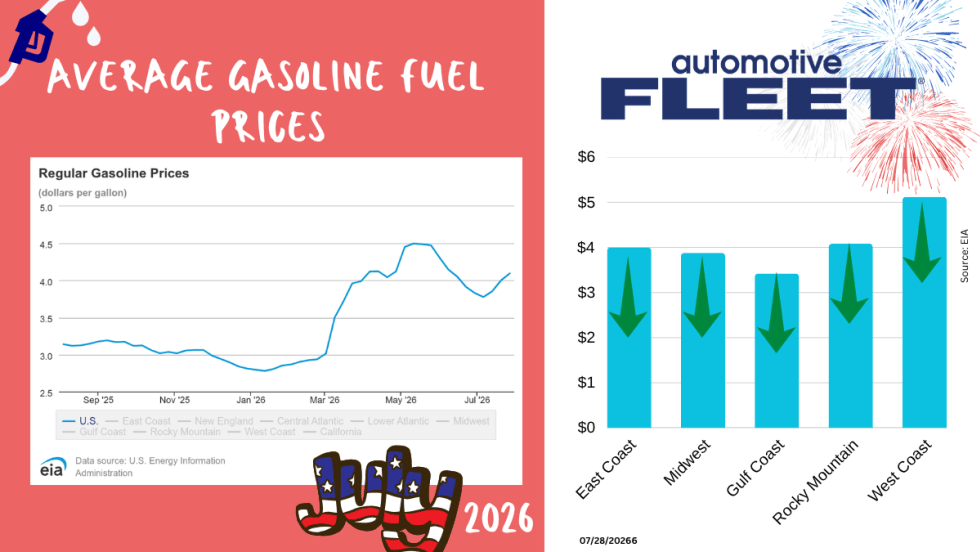
July Fuel Update: Prices Keep Rising in Light of More Conflict
Gas prices continue to rise as more and more conflicts do, too.
Read More →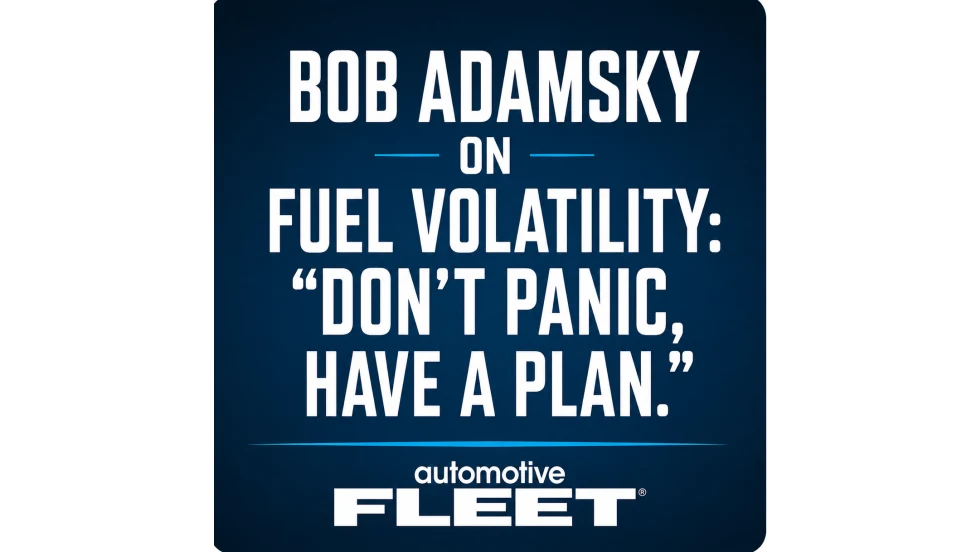
Bob Adamsky on Fuel Volatility: "Don't Panic, Have a Plan."
When it comes to up and down fuel prices, Adamsky has a message for fleets: “Don’t panic.”
Read More →
How Fleets Can Gain Control of Non-Fuel Spend
Fuel often gets the spotlight, but non-fuel expenses can have a major impact on fleet costs. Ramel Lindsay of U.S. Bank Voyager discusses how fleets can gain better visibility and control over these often-overlooked expenditures.
Read More →
Fuel is Just the Start: How Middle East Tensions are Driving Up Fleet Maintenance Costs
The Middle East conflict is doing more than pushing up fuel prices. It’s also raising the cost of key maintenance products your fleet depends on, from motor oil to tires to windshield wipers. Here’s what you need to know about this budget-busting situation.
Read More →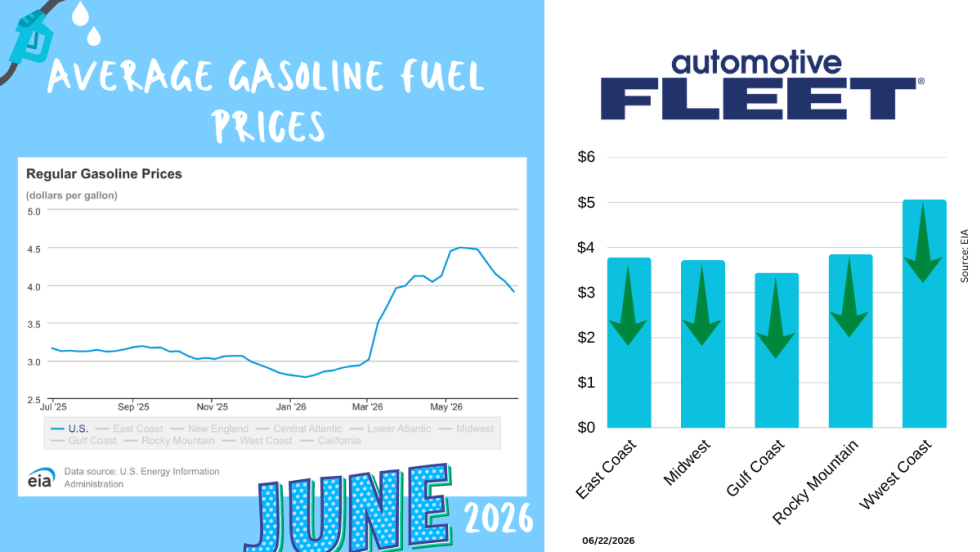
June Fuel Update: Prices Fall Below $4
Drivers are finally getting some relief at the pump. The national average gas price has dropped below $4 a gallon for the first time in months, with prices falling in 47 states as oil markets react to developments in U.S.-Iran negotiations.
Read More →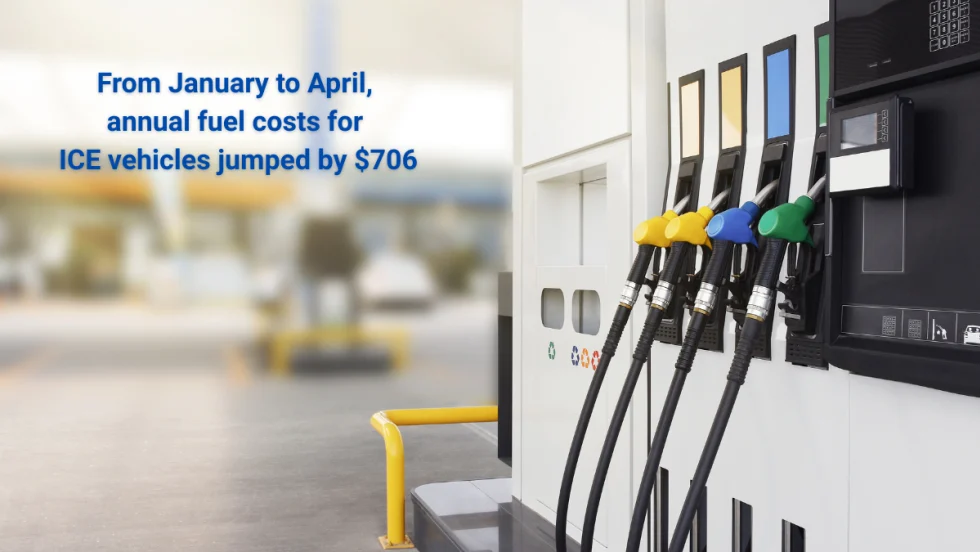
Study: How 2026's Gas Price Hikes Affect Different Vehicle Types
New data from iSeeCars reveals how rising fuel costs have affected different vehicle segments as gasoline prices climbed nearly 46% over the past four months.
Read More →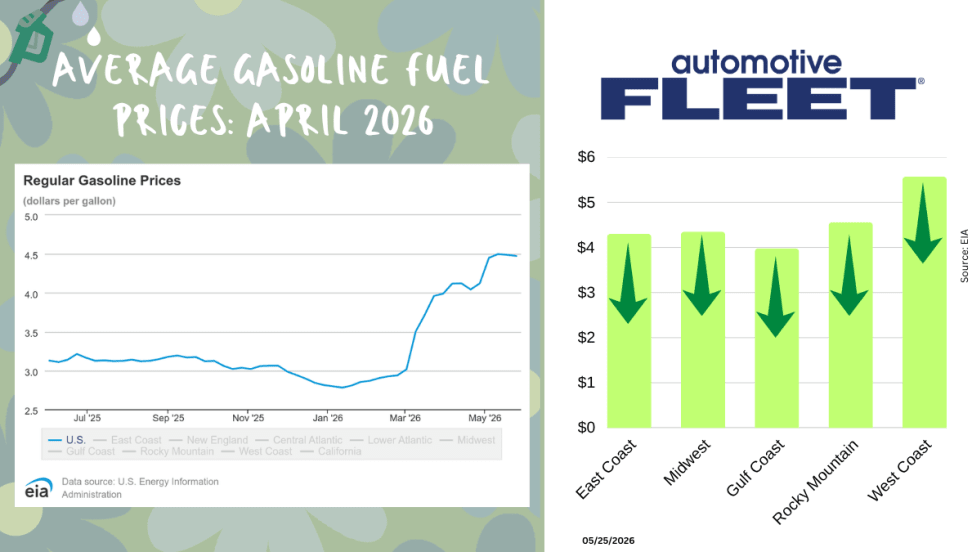
May Fuel Update: All Regions Experience Declines
Gas prices are finally easing in much of the country, but experts warn global tensions could quickly reverse the trend as the national average remains well above last month’s levels.
Read More →