





Check Out: Valuing Electric Vehicles for Successful Buying and Selling
Mullen Automotive Accelerates EV Expansion with New Orders & Battery Investments
Mullen expands EV sales, secures fleet orders, boosts U.S. battery production, and seeks $55M in DOE grant funding. Check out the roundup now!
January 31, 2025
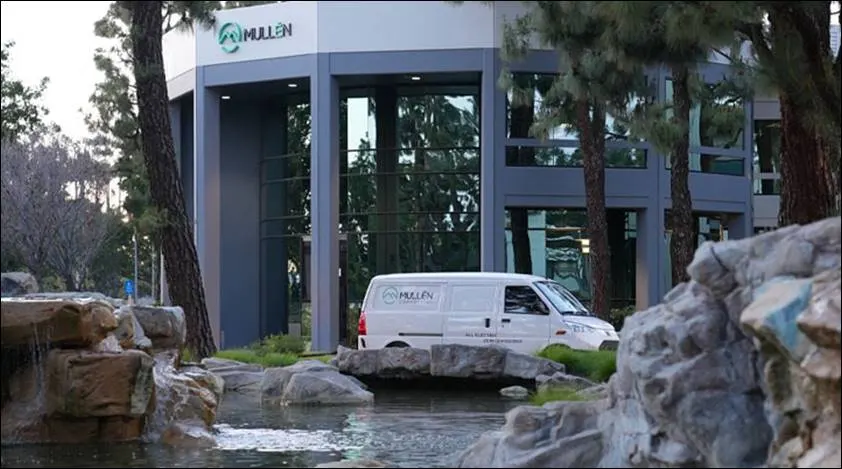
Mullen has furthered its U.S. battery production capabilities by purchasing battery line equipment from Nikola Corporation for its Fullerton, California, battery operations.
Photo: Mullen Automotive
6 min to read
Mullen Automotive recently announced electric vehicle (EV) orders, plans to secure grant funding, and production start-ups within the commercial fleet world. Automotive Fleet has a roundup of these changes, including:
Mullen Completes Purchase of Additional Nikola Battery Assets
Mullen Submits Updated Plan to DOE for Grant Funding in U.S. Battery Materials Processing
Westland Floral Purchases Mullen Class 3 EV Trucks for Southern California Landscaping Fleet
Mullen Announced the Sale of Mullen One to Mr. Appliance Franchisee, Expanding Into the Home Service Vertical
Mullen Completes Purchase of Additional Nikola Battery Assets
Mullen has furthered its U.S. battery production capabilities by purchasing battery line equipment from Nikola Corporation for its Fullerton, California, battery operations.
The Fullerton facility is dedicated to producing next-generation, American-made battery packs, modules, and advanced solid-state polymers. The components are critical to the company’s commitment to zero emissions and reducing reliance on battery components imported from foreign countries.
Recently purchased Nikola assets include:
A high-volume standard battery chemistry production line.
Electro-dynamic shaker system (vibration table) to be utilized for in-house laboratory testing of battery and overall system components.
“We continue to execute our plan of transitioning to American-made battery components, and we are doing it right here in Southern California,” David Michery, CEO and chairman of Mullen, said.
Upon installation of the newly purchased equipment, Mullen will have the following battery production lines and testing capabilities in Fullerton:
Two high-volume standard battery chemistry lines.
High-precision, low-volume standard battery chemistry R&D line.
High-precision, low-volume solid-state polymer R&D line.
Full battery testing laboratory for current and future battery projects.
Mullen is focused on increasing U.S. manufacturing capabilities in response to demand for American-made battery components and systems. The company plans to produce its own commercial vehicle battery packs while opening other industry applications and commercial sales opportunities.
Mullen Submits Updated Plan to DOE for Grant Funding in U.S. Battery Materials Processing
In December 2024, Mullen submitted a modified plan to the Department of Energy (DOE) that incorporates its facilities in Mishawaka, Indiana, and Fullerton, California, for U.S.-based battery and pack production.
Mullen aims to transition to manufacturing and assembly of high-voltage and low-voltage battery systems.
The updated plan was submitted in response to the U.S. DOE’s Funding Opportunity for Battery Materials (DE-FOA-0003099). Mullen is seeking $55 million in matching DOE funds to support U.S. manufacturing capabilities and to expand production in response to global demand.
Established on Nov. 13, 2023, via the Biden-Harris administration, the program announces up to $3.5 billion from the Bipartisan Infrastructure Law to boost domestic production of advanced batteries and battery materials nationwide. The program is designed to provide grants for battery materials processing to ensure the United States has a viable battery materials processing industry.
Mullen has invested $12 million to further battery pack development and manufacturing and will invest an additional $43 million in support of U.S. production.
The company’s first production units are planned for delivery in late mid-2025, with two additional production lines scheduled to launch in the next two years.
Expanding and Relocating U.S. Battery Production Facilities
An update in Mullen’s battery business strategy involves relocating high-volume production to Mishawaka, where the company will build the primary battery manufacturing lines.
The Mishawaka facility is being dedicated as the base for multiple battery production lines. This location, which is the former General Motors Hummer and AM General manufacturing facility, will be revitalized to accommodate a capacity of 108,000 battery systems or 1 gigawatt-hour (GWh) per year.
The Fullerton facility will be dedicated to research, development, and low-volume, solid-state prototype production. Additionally, Mullen is considering adding a low-voltage line capable of producing 24-Volt and 48-Volt battery modules.
“We are laser-focused on bringing battery and pack production right here to the USA,” Michery said.
Mullen’s investments include strategic acquisitions, including assets from Romeo Power and Nikola for battery pack production and infrastructure investments designed to increase speed to market.
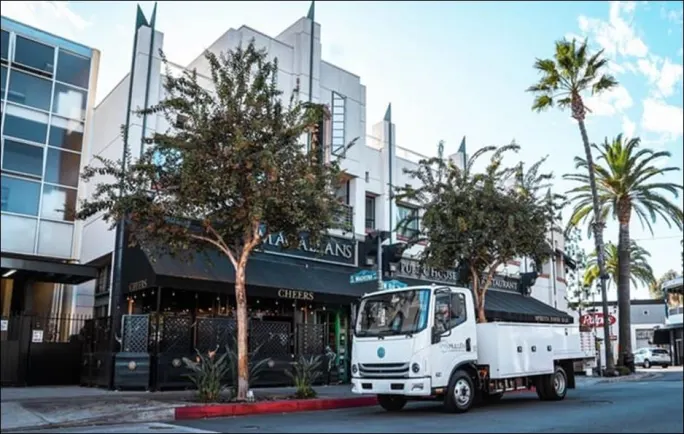
Pritchard fulfilled the vehicle order for Westland Floral and included California HVIP incentives approval for the Class 3 EVs Westland purchased.
Photo: Mullen Automotive
Westland Floral Purchases Mullen Class 3 EV Trucks for Southern California Landscaping Fleet
Mullen recently announced a Class 3 EV truck purchase order from Westland Floral, which includes two Mullen Three trucks with vehicle upfits performed by Phenix Truck Bodies and Van Equipment in Pomona, California.
Pritchard fulfilled the vehicle order and included California HVIP incentives approval for the Class 3 EVs Westland purchased.
“Westland Floral’s decision to incorporate the Mullen Three into their fleet demonstrates the growing recognition of EVs as a cost-effective and sustainable solution,” Ben Hartford, EV sales manager for Pritchard Commercial, said. “By utilizing California’s HVIP incentives, they are not only reducing their operational costs but also making a meaningful commitment to environmental sustainability.”
“We are very confident our Class 3 trucks will deliver performance and savings, providing Westland a clean and efficient option for their fleet. It’s also great that Westland was able to take advantage of the California HVIP incentive, which is an incredible program and incentive offered to fleets in California,” Michery said.
The Mullen THREE recently qualified for a $15,000 incentive through the State of Massachusetts MOR-EV program and a $45,000 cash rebate voucher through the California Hybrid and Zero-Emission Truck and Bus Voucher Incentive Program (HVIP).
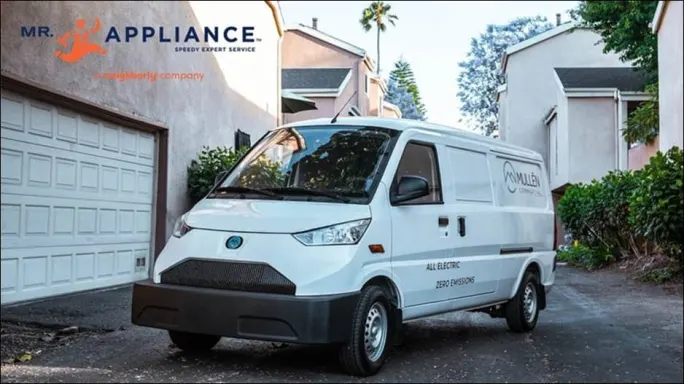
Mullen recently announced the sale of the Mullen One All-Electric Cargo Van to Mr. Appliance of Owings Mills, Maryland, marking the company’s first venture into the home service vertical.
Photo: Mullen Automotive
Mullen Announced the Sale of Mullen One to Mr. Appliance Franchisee, Expanding Into the Home Service Vertical
Mullen recently announced a sale of the Mullen One All-Electric Cargo Van to Mr. Appliance of Owings Mills, Maryland, marking the company’s first venture into the home service vertical.
Mr. Appliance Owings Mills, Maryland, is a franchisee of Mr. Appliance and is a national home service brand of Neighborly, offering home repair services across the U.S.
Benefits of the Mullen One for home service businesses:
Fuel Cost Savings: The Mullen One’s all-electric powertrain can reduce transportation costs by cutting fuel expenses by up to 57% and eliminating the unpredictable fluctuations in fuel prices that burden traditional internal combustion engine (ICE) vehicles.
Lower Maintenance Costs: The Mullen One offers up to 50% reduction in maintenance costs with no need for frequent oil changes or brake replacements typically required for gas-powered vehicles.
Affordable Investment: With a competitive price tag and eligibility for a $7,500 federal tax credit, the Mullen One is an environmentally responsible choice and a financially attractive investment for home service operators.
“The home services sector is integral to the economy, and we’re excited to help businesses in this space reduce their transportation costs with the Mullen ONE,” Michery said. “With Mr. Appliance of Owings Mills leading the way, we look forward to working with more home service operators to optimize their operations and bring long-term savings to their business.”
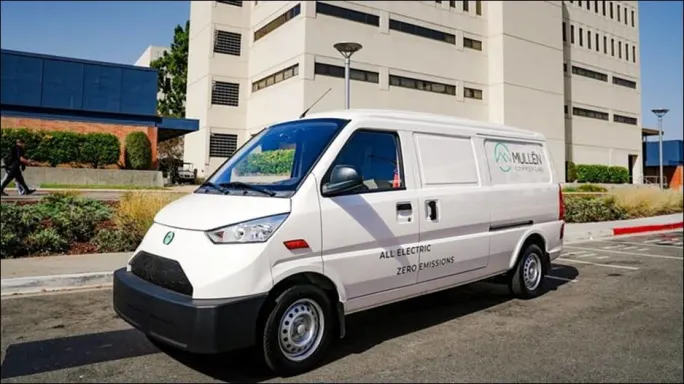
Mullen Commercial EVs can now be found on multiple college campuses across the United States.
Photo: Mullen Automotive
Mullen also recently announced the additional sale of five Mullen One, Class 1 EV cargo vans to two leading California Universities in Los Angeles and the San Francisco Bay Area.
Mullen’s nationally known EV dealer partners, the Papé Group and Randy Marion Automotive Group, will fulfill the vehicle order. Mullen Commercial EVs can now be found on multiple college campuses across the United States.
“The recent influx of orders from prestigious universities across the U.S. is a testament to the value Mullen Commercial EVs bring to fleets looking to electrify,” Michery said. “Moreover, to have repeat orders coming in so quickly after initial deliveries speaks to the value and performance of our product line.”
More Operations

Company Vehicle or Reimbursement? How Fleets Are Rethinking Assignments
As fleet costs and insurance pressures rise, fleet managers are taking a closer look at which employees need company-provided vehicles and when a reimbursement program may make more sense.

Fleetio, ASE Launch Scholarship Program for Automotive Technicians
The second annual program will award 15 scholarships totaling $35,000 to support ASE certification, testing fees, and equipment costs.

Reading the Global Signals: What AI and the Energy Transition Mean for Fleets Now
In this opening keynote of the 2026 Fleet Forward Conference, John Rossant, founder of CoMotion, How can fleet managers navigate a never-ending, changing industry landscape?

90% Use Telematics. Are Fleets Getting Safer? | AF News Recap
This week, we're breaking down which industries have the highest rates, how Jamie McKay manages 2,400 vehicles, what's happening with the 2027 fleet awards, and why software-defined vehicles could introduce new costs.

What's Best Handled by an FMC, and What's Better Done Directly?
Fleet managers continue to rely on FMCs for essential services but are taking a closer look at where working directly with suppliers can improve efficiency and responsiveness.

Fleet Meets: Erin Gilchrist
Meet Erin Gilchrist, the inaugural Mike Antich Spirit of Fleet Award winner, as she shares insights on leadership, mentorship, the power of industry connections, and why people remain at the heart of fleet's future.

How 2026 Fleet Visionary Jamie McKay Manages 2,400 Vehicles Across 37 States
How do you keep 2,400 vehicles running across 37 states? Fleet Visionary Award winner Jamie McKay shares how collaboration, flexibility, and a few simple strategies help her tackle fleet management challenges at Aptive Pest Control.

Managing Fleet Costs in an Era of Permanent Volatility
Fleet operating costs have risen more than 20% since 2020, raising a key question: When does extending a vehicle's service life stop making financial sense?

The Next Evolution of Fleet Management: Autonomous Operations
This opening keynote session at the Fleet Forward Conference highlights the future of autonomous driving for fleets.

How to Reduce the Total Cost of Risk From Catalytic Converter Theft
A stolen catalytic converter can cost fleets far more in downtime and lost productivity than in repairs. A total-cost-of-risk approach can help fleet managers quantify their exposure and prioritize theft prevention.