




Montana's Camelina Crop to Serve as Feedstock for Biodiesel Venture
HELENA, Mont. --- Targeted Growth Inc., a renewable energy bioscience company, has partnered with biodiesel company Green Earth Fuels to form a joint venture to produce and market up to 100 million gallons of Camelina-based biodiesel by 2010.
HELENA, Mont. --- Targeted Growth Inc., a renewable energy bioscience company, has partnered with biodiesel company Green Earth Fuels to form a joint venture to produce and market up to 100 million gallons of Camelina-based biodiesel by 2010. The joint venture is called Sustainable Oils Inc. Nearly all of the initial Camelina production is expected to be grown in Montana. "This is an exciting opportunity for Montana --- it represents a combining of two major thrusts of economic growth outside the boot," said Governor Brian Schweitzer. "It is energy related and it is value-added agriculture. Having this sort of major commitment is great news." Camelina, a distant relative to Canola, can grow on marginal land, requires minimal water or fertilizer, and can be harvested with traditional equipment. Targeted Growth, headquartered in Seattle, has spent years applying its suite of yield and trait technologies to Camelina. Green Earth Fuels opened one of the country's largest biodiesel production facilities this month in Houston. "We have created a better feedstock for biodiesel," said Tom Todaro, CEO of Targeted Growth. "Camelina can be rotated with current Montana crops, it grows in land with lower agricultural value, and it doesn't significantly increase the use of fertilizer or irrigation water. We think this will be a model for the development and use of other biofuel-specific crops." Headquartered in Houston, Texas, Green Earth Fuels is a leading producer and distributor of biodiesel. Green Earth Fuels operates production and distribution sites that are independently located within existing petrochemical infrastructures in key U.S. coastal locations. "This deal allows us access to a high-quality feedstock at an extraordinarily competitive price," said Green Earth Fuels CEO Greg Bafalis. "There's an advantage to being vertically integrated --– it closely aligns our interests with those of our feedstock suppliers. And because Camelina exists outside of the traditional commodity market, it should not be as volatile as other feedstocks."
More Fuel

Bob Adamsky on Fuel Volatility: "Don't Panic, Have a Plan."
When it comes to up and down fuel prices, Adamsky has a message for fleets: “Don’t panic.”
Read More →
How Fleets Can Gain Control of Non-Fuel Spend
Fuel often gets the spotlight, but non-fuel expenses can have a major impact on fleet costs. Ramel Lindsay of U.S. Bank Voyager discusses how fleets can gain better visibility and control over these often-overlooked expenditures.
Read More →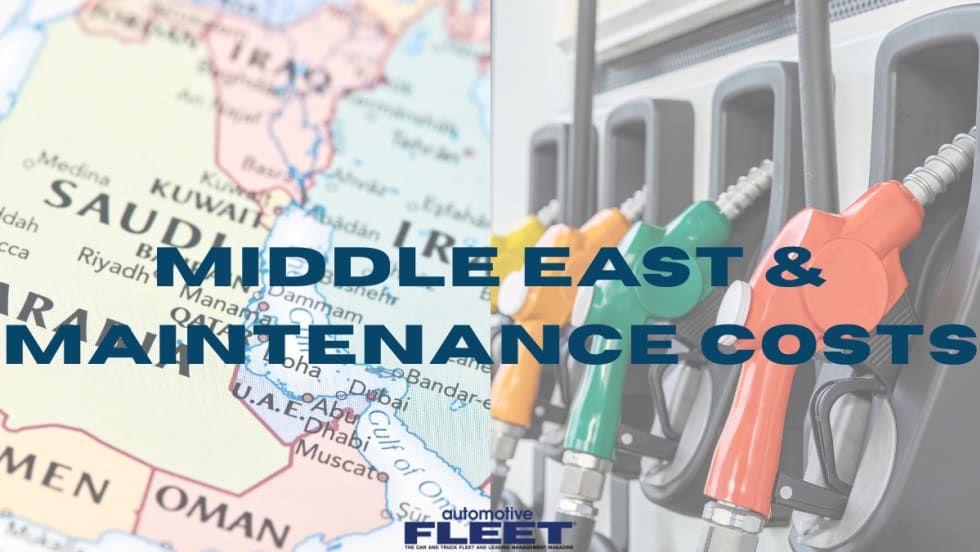
Fuel is Just the Start: How Middle East Tensions are Driving Up Fleet Maintenance Costs
The Middle East conflict is doing more than pushing up fuel prices. It’s also raising the cost of key maintenance products your fleet depends on, from motor oil to tires to windshield wipers. Here’s what you need to know about this budget-busting situation.
Read More →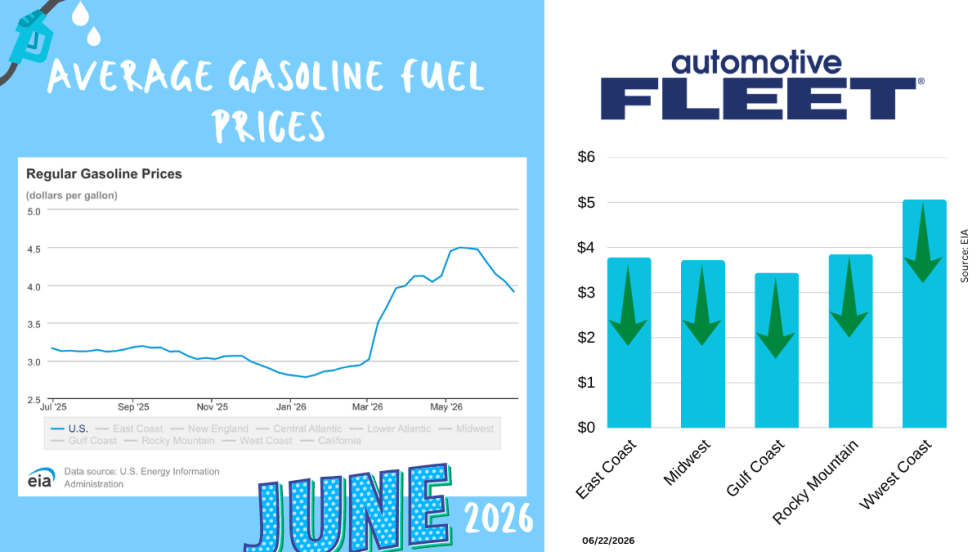
June Fuel Update: Prices Fall Below $4
Drivers are finally getting some relief at the pump. The national average gas price has dropped below $4 a gallon for the first time in months, with prices falling in 47 states as oil markets react to developments in U.S.-Iran negotiations.
Read More →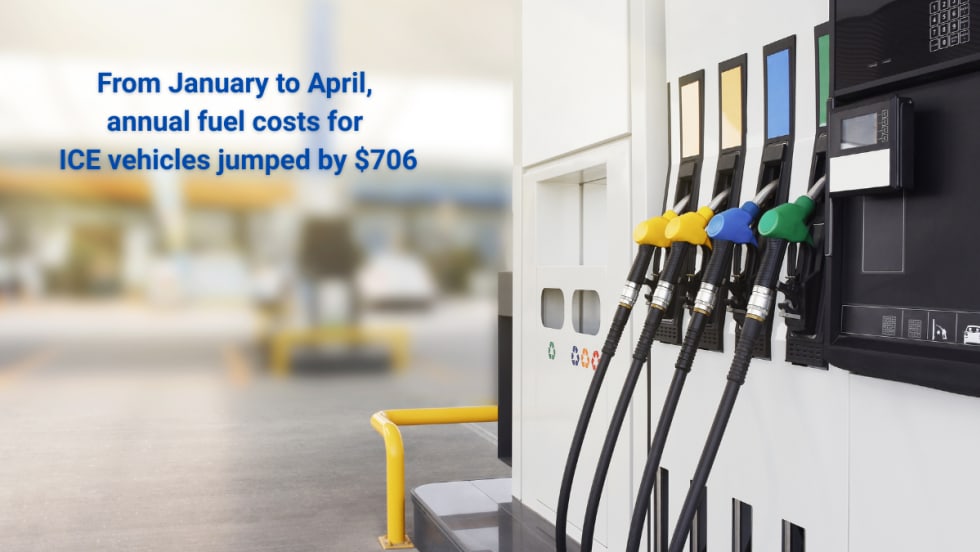
Study: How 2026's Gas Price Hikes Affect Different Vehicle Types
New data from iSeeCars reveals how rising fuel costs have affected different vehicle segments as gasoline prices climbed nearly 46% over the past four months.
Read More →
Are You Tracking Your Fleet's True Total Cost of Ownership?
Bobit Business Media surveyed 190 fleet professionals and found that while most fleets are tracking costs, fragmented systems and data gaps are keeping true TCO visibility out of reach. With rising pressure to control spend in an increasingly volatile environment, the gap between what fleets think they know and what the data actually shows is wider than you might expect. See how your peers are managing costs today and where the industry still has room to improve.
Read More →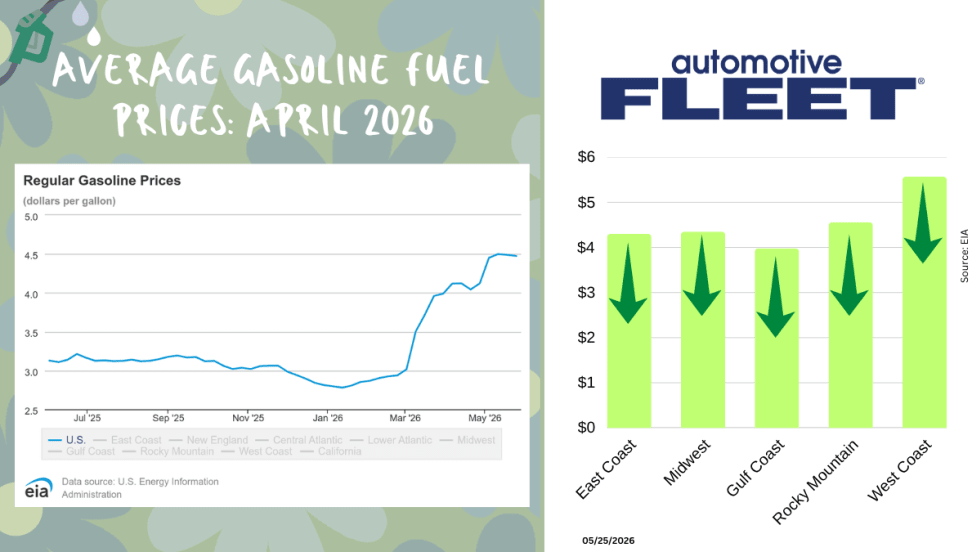
May Fuel Update: All Regions Experience Declines
Gas prices are finally easing in much of the country, but experts warn global tensions could quickly reverse the trend as the national average remains well above last month’s levels.
Read More →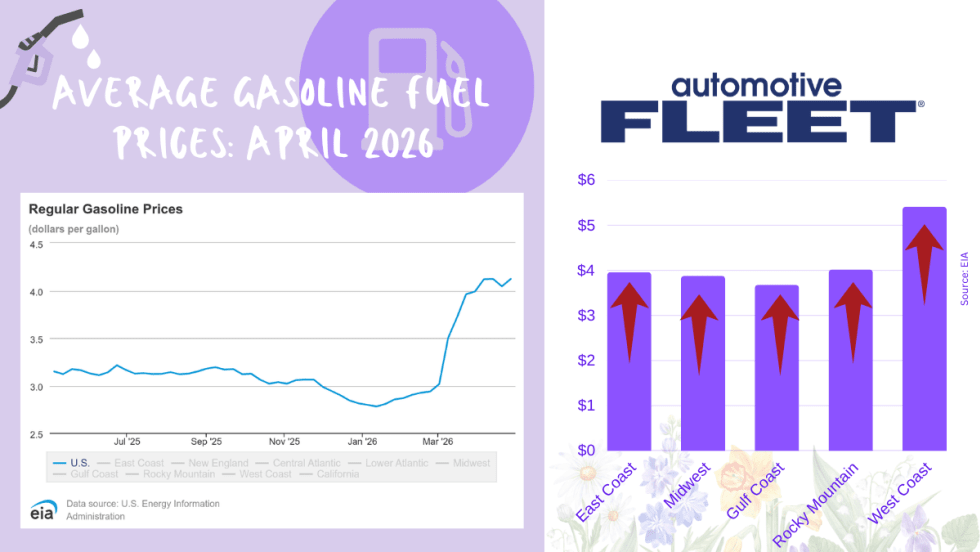
April Fuel Update: Prices Climb Above $4 as Spring Surge Accelerates
National average jumps to $4.04 per gallon, up sharply from last year, with West Coast prices topping $5 and further increases expected amid rising oil tensions.
Read More →
Tips from Fleet Managers on Saving Fuel Costs
Fleet leaders share practical strategies to reduce fuel spend through smarter policy, routing, and driver guidance.
Read More →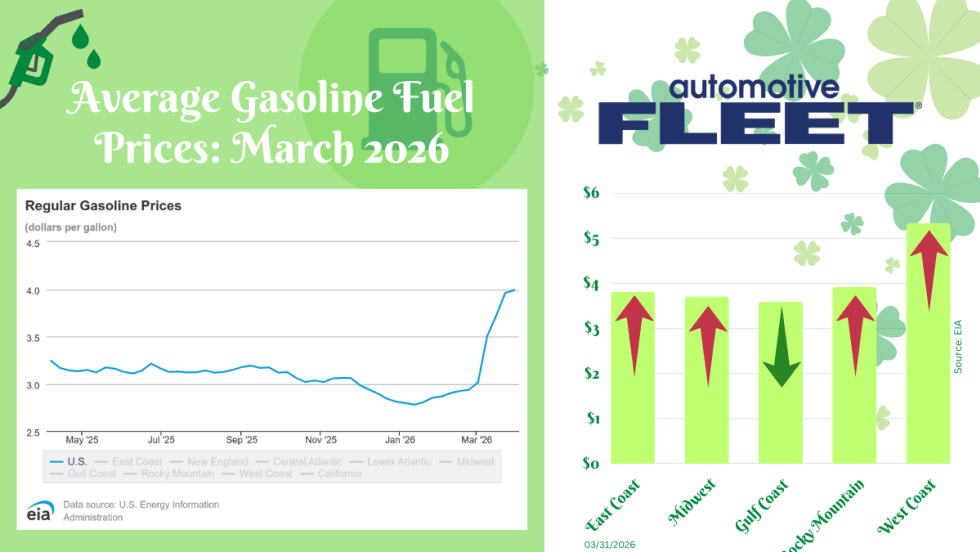
March Fuel Update: Prices Settle With a $4 Average
Fuel prices significantly slowed this week, but a $4 national average is still expected.
Read More →