




Michigan and Ohio Compete to Become Fuel Cell Capital
Michigan and Ohio have recently unveiled dueling state-sponsored programs intended to make each the worldwide leader in fuel cells.
Michigan and Ohio have recently unveiled dueling state-sponsored programs intended to make each the worldwide leader in fuel cells. In April, Gov. John Engler announced Michigan's NextEnergy Project, which is an economic development plan geared toward making Michigan a world leader in the research, development, commercialization, and manufacture of alternative-energy technologies like fuel cells. The plan, which experts say will cost close to $50 million over the next three to five years, will be a 700-acre, tax-free research zone in Washtenaw County's York Township, designed to attract alternative-energy companies from around the world. Around the same time, Ohio Gov. Robert Taft unveiled his state's Third Frontier Project -- a 10-year, $1.6-billion proposal to promote high-tech research. The fuel cell portion of that plan comes in the form of a three-year, $100-million plan to make Ohio a national leader in developing the new technology. Much of Ohio's investment money will come in the form of low-interest loans, tax-exempt bond financing and employee hiring and training credit. While both states see the importance of preparing for fuel cells, each is approaching the oncoming technology revolution in different ways. While both plans rely heavily on tax and employment incentives, the Michigan plan offers cash incentives in addition to financing options to court businesses into its NextEnergy research den. Some observers point to potential regional similarities that might help bring much of the Rust Belt together when it comes to fuel cells. Most all leaders of Midwest states recognize that commodity manufacturing is a declining economic base and that some collective thinking must happen for the region to take advantage of at least some of the opportunities that fuel cells present. That is why there has been some talk of joint efforts for the entire region.
More Fuel
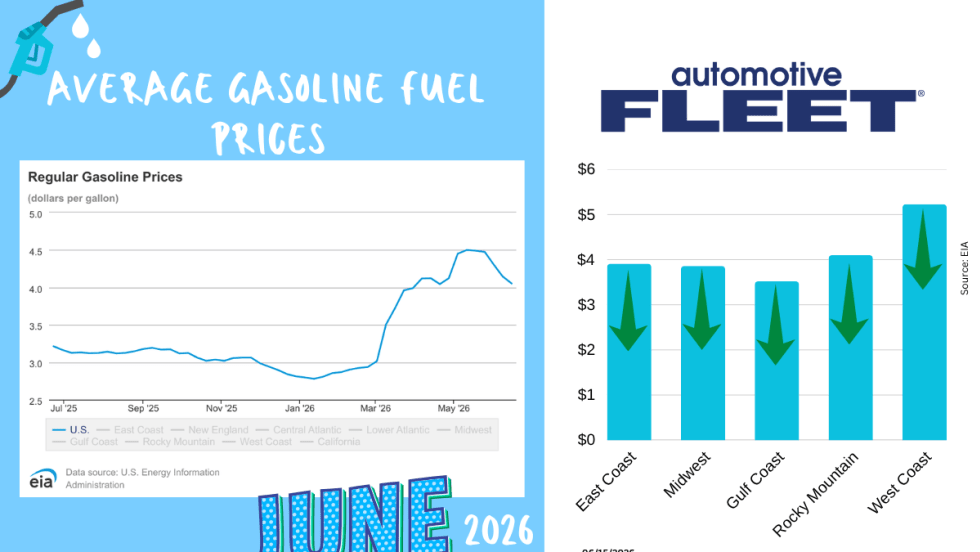
June Fuel Update: Prices Fall Below $4
Drivers are finally getting some relief at the pump. The national average gas price has dropped below $4 a gallon for the first time in months, with prices falling in 47 states as oil markets react to developments in U.S.-Iran negotiations.
Read More →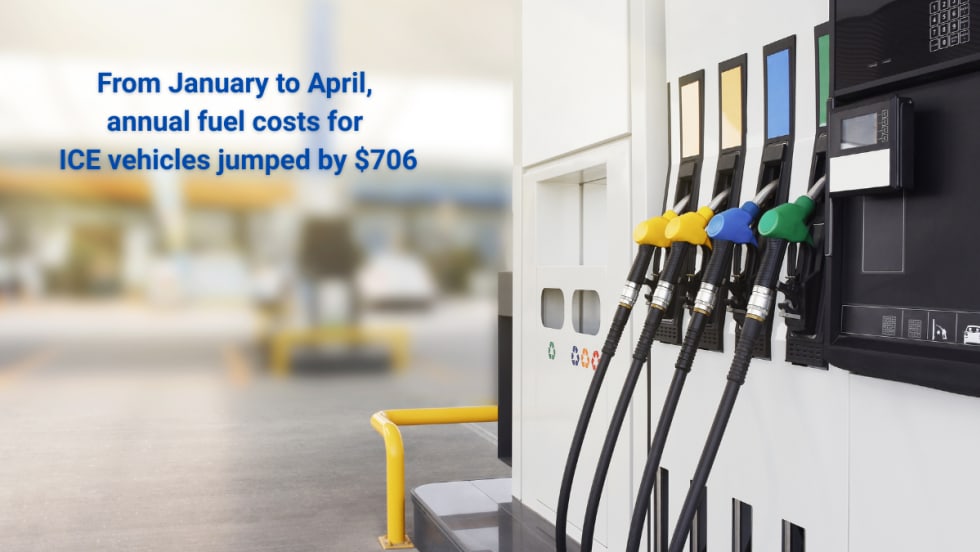
Study: How 2026's Gas Price Hikes Affect Different Vehicle Types
New data from iSeeCars reveals how rising fuel costs have affected different vehicle segments as gasoline prices climbed nearly 46% over the past four months.
Read More →
Are You Tracking Your Fleet's True Total Cost of Ownership?
Bobit Business Media surveyed 190 fleet professionals and found that while most fleets are tracking costs, fragmented systems and data gaps are keeping true TCO visibility out of reach. With rising pressure to control spend in an increasingly volatile environment, the gap between what fleets think they know and what the data actually shows is wider than you might expect. See how your peers are managing costs today and where the industry still has room to improve.
Read More →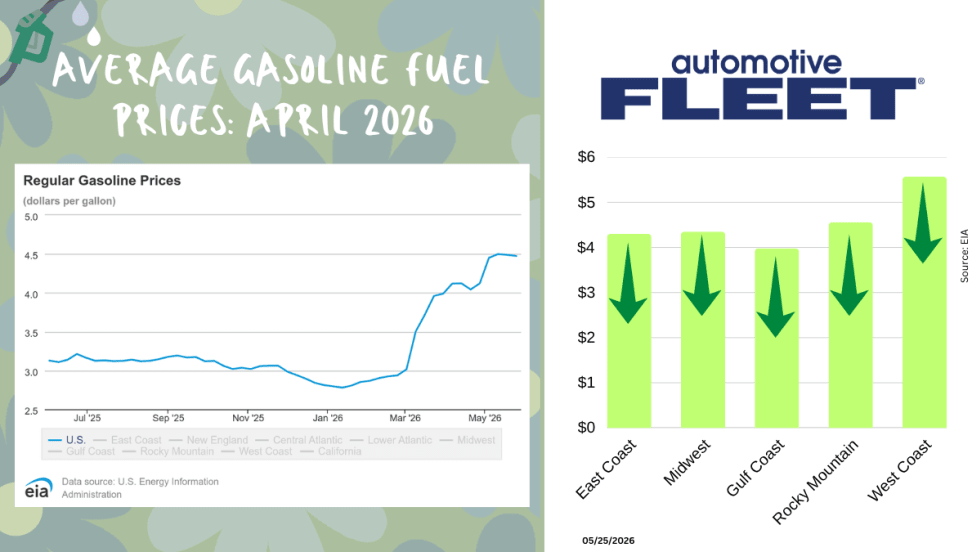
May Fuel Update: All Regions Experience Declines
Gas prices are finally easing in much of the country, but experts warn global tensions could quickly reverse the trend as the national average remains well above last month’s levels.
Read More →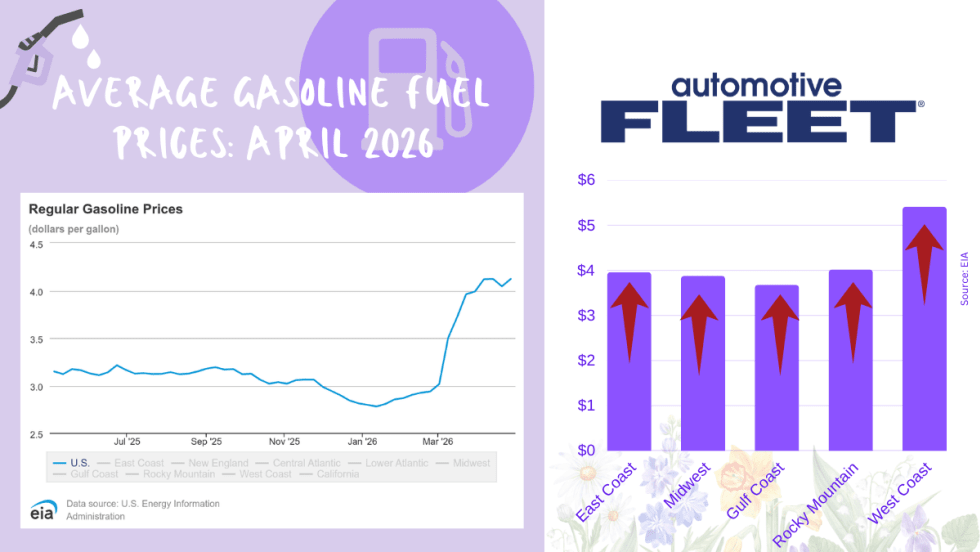
April Fuel Update: Prices Climb Above $4 as Spring Surge Accelerates
National average jumps to $4.04 per gallon, up sharply from last year, with West Coast prices topping $5 and further increases expected amid rising oil tensions.
Read More →
Tips from Fleet Managers on Saving Fuel Costs
Fleet leaders share practical strategies to reduce fuel spend through smarter policy, routing, and driver guidance.
Read More →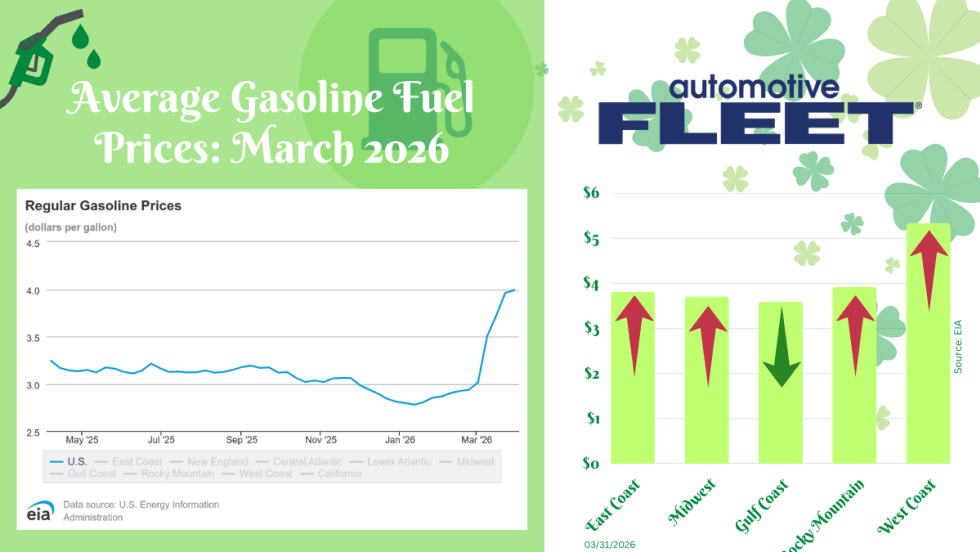
March Fuel Update: Prices Settle With a $4 Average
Fuel prices significantly slowed this week, but a $4 national average is still expected.
Read More →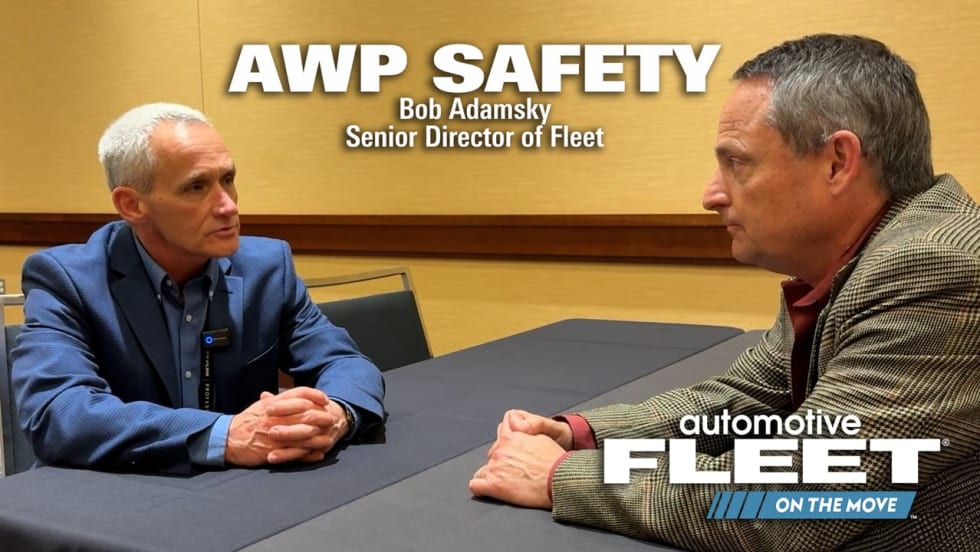
Bob Adamsky on Fuel Volatility: “Don’t Panic — Have a Plan”
With oil prices rising again, AWP Safety’s fleet manager shares how to respond to rising fuel costs and how the right strategy can turn fuel spikes into cost-saving opportunities.
Read More →
Oil Market Turbulence Is Complicating Fleet Cost Planning
Rapid swings in crude oil prices driven by the conflict in the Middle East could create longer-term cost pressures for fleets, affecting fuel prices, supply chains, and vehicle strategy, says NTEA’s Andrew Wrobel.
Read More →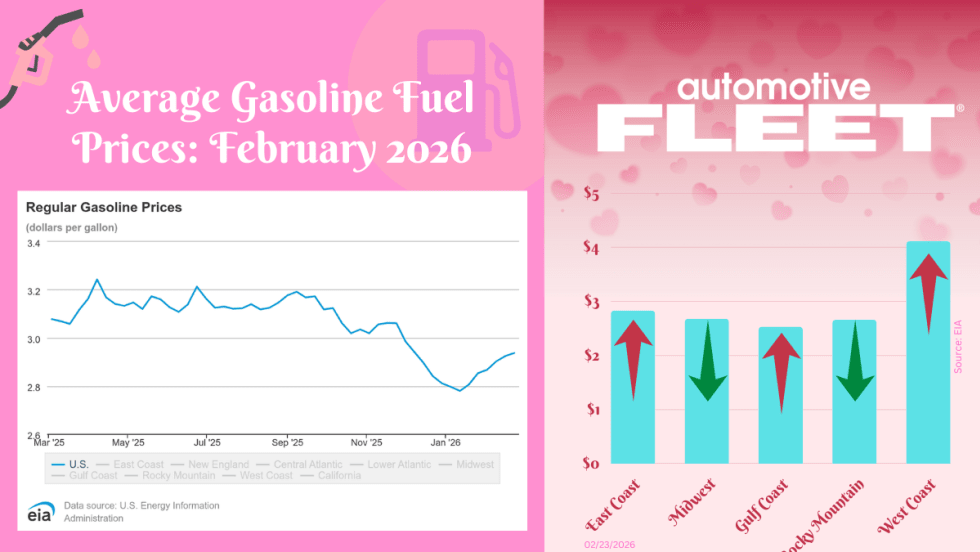
February Fuel Update: Prices Inch Higher for Third Week in a Row
The final February fuel update reveals prices continuing to inch higher for the third week in a row.
Read More →