




Mercedes-Benz Vans Celebrates 15 Years in Charleston
More than 200,000 Sprinter and Metris vans have been assembled in North Charleston and delivered to destinations in the U.S. since June 2006.


Today the Mercedes-Benz Vans facility in North Charleston employs more than 1,600 people.
Photo: Mercedes-Benz Vans
More than 200,000 Sprinter and Metris vans have been assembled in North Charleston and delivered to destinations in the U.S. since June 2006. At that time, the small Charleston plant was performing semi-knockdown (SKD) assembly and was better known as DaimlerChrysler Manufacturing International (DCMI) with a team of 100 employees.
Today the Mercedes-Benz Vans facility in North Charleston employs more than 1,600 people.
“At MBV Charleston our plant strategy: building solutions through collaboration and empowerment to enrich people’s lives, is founded in our company culture,” said Arnhelm Mittelbach, President and CEO of Mercedes-Benz Vans, LLC. “We look forward to a bright future ahead as we continue building solutions that enrich people’s lives”
With the success of the Sprinter van in the U.S. market, Daimler announced in 2015 the decision to expand the existing re-assembly operation into a full-scale production plant with a new Body Shop, Paint Shop, and extended Assembly building in time for the launch of the new Sprinter model.
The new facility in North Charleston, South Carolina has been up and running since 2018, following a two year construction period and an investment of more than $500 million. In March 2021, it was announced that the next generation eSprinter is coming to Charleston in 2023 to fulfil future customer demand and to build the eSprinter vans close to market.
“Since we set up the plant in Charleston 15 years ago, we have gained priceless experience and extensive know how, making Charleston a key pillar in our global production network. In the future, we will also be able to quickly meet the ever-increasing demand for battery electric vans and, thanks to our intelligent and flexible production system, are able to respond very precisely to the requirements of the different markets while making optimum use of our capacities,” said Ingo Ettischer, Head of Mercedes-Benz Vans Global Operations. “We are proud of our team in Charleston and happy that they will be the first to produce the next generation of the eSprinter, starting in the second half of 2023. We will invest around 50 million euros into the plant and its infrastructure to make the plant fit for the electrified future.”
Production systems within the plant have continuously evolved in the past 15 years to become more automated and smart. Within the production network of Mercedes-Benz Vans many solutions have been developed that contribute to the digitization of operations in the plant.

The new facility in North Charleston, South Carolina has been up and running since 2018, following a two year construction period and an investment of more than $500 million.
Photo: Mercedes-Benz Vans
In Charleston, Shop Floor Digital (SFMdigital), an online platform that tracks key performance indicators, was put into place first within Mercedes-Benz Vans. With SFMdigital safety, delivery, and quality metrics are tracked within each production shop while also collecting the data needed to analyze performance trends, follow up on necessary actions, perform stability audits and identify continuous improvement opportunities as they arise.
In addition to working smarter, MBV Charleston has been committed to working sustainably as well. From the very beginning of operations in Charleston sustainable treatment of the environment was made a priority. The new eSprinter will help further enhance MBV’s environmental footprint by being produced CO2 neutral, and as of 2022, all Mercedes-Benz Vans production plants will be 100% powered by green energy, creating a positive contribution for the community and future generations.
Originally posted on Work Truck Online
More Vehicle Research
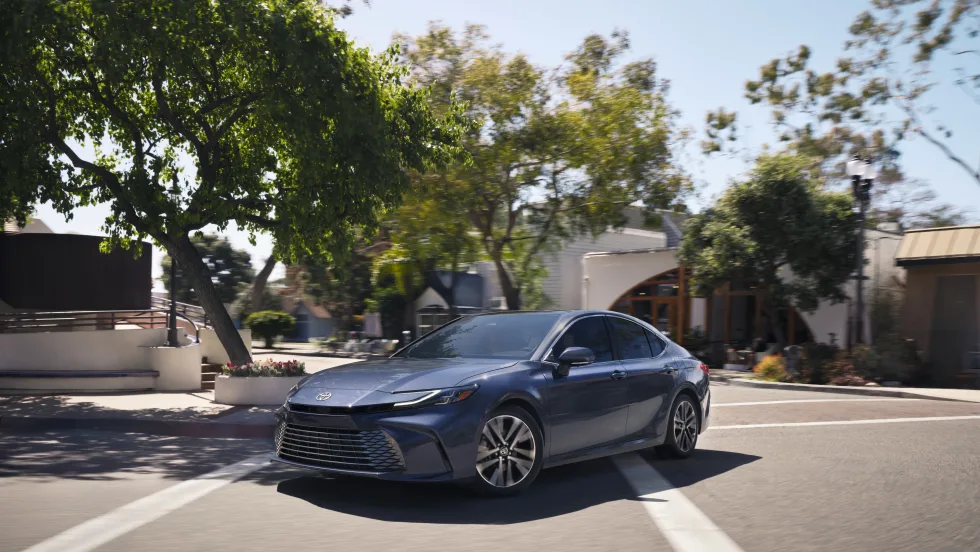
2027 Toyota Camry Offers Hybrid Powertrain Across Five Grades
The 2027 Toyota Camry is a carryover with new pricing.
Read More →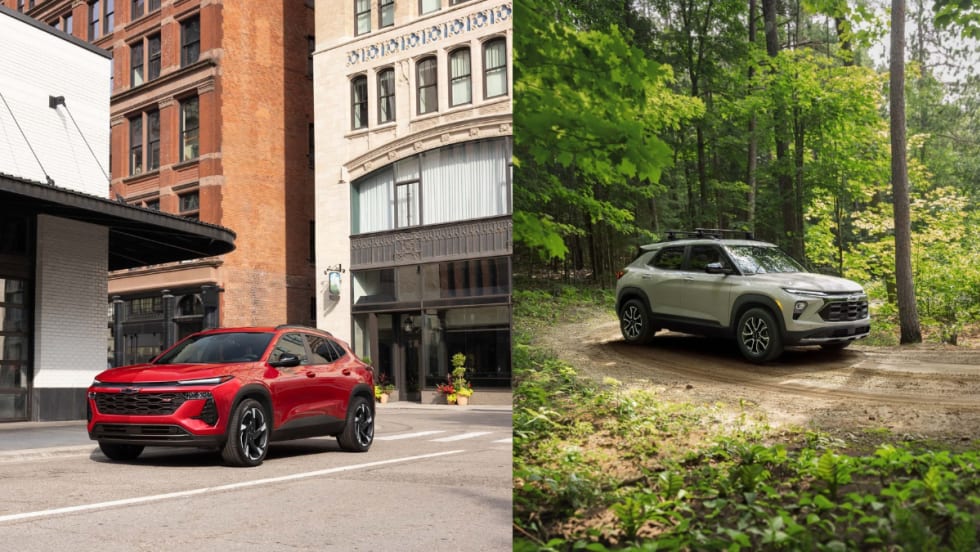
Chevrolet Updates 2027 Trax and Trailblazer with More Standard Safety Features
Chevrolet is updating two of its smallest SUVs with added driver-assistance technology, redesigned interiors, and revised trim options. The changes could add more safety equipment as standard for commercial fleets, while a new Trailblazer configuration adds another all-wheel-drive option.
Read More →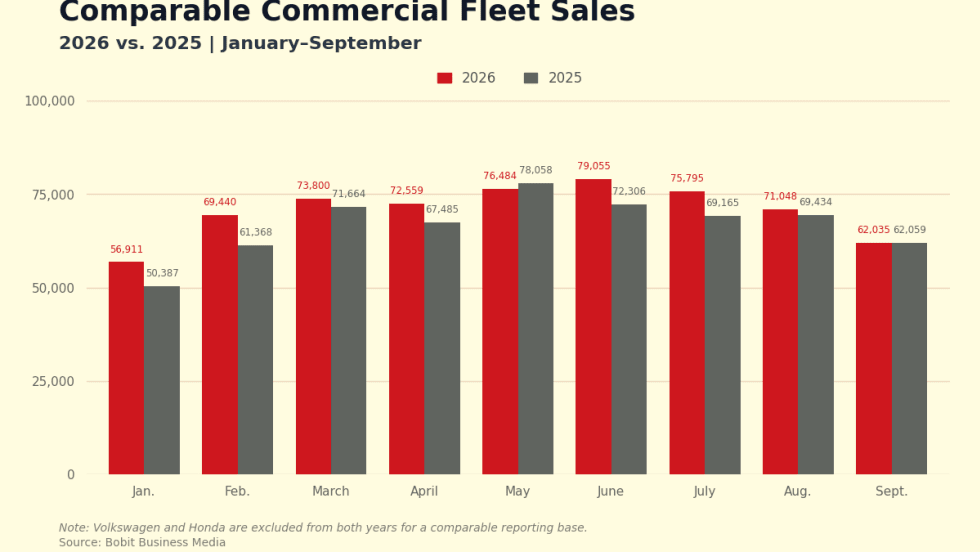
Commercial Fleet Sales Rise 5.8% Through September 2026
September commercial fleet sales were essentially unchanged from a year earlier, slowing year-to-date growth while keeping volume ahead of 2025.
Read More →
Hall of Fame Inductee: John Dmochowsky
The longtime Mondelēz International fleet executive joins the Automotive Fleet Hall of Fame.
Read More →
Hall of Fame Inductee: Lee Miller
After more than four decades at Boehringer Ingelheim, Lee Miller leaves a legacy built on fleet expertise.
Read More →
Hall of Fame Inductee: Mark F. Petersen
From managing fleets of thousands of vehicles to advancing safety and mentoring fellow professionals, Mark F. Petersen made his mark across both the corporate and supplier sides of fleet.
Read More →
When Charger Downtime Becomes a Fleet Availability Problem
As EV deployments move beyond pilot programs, charger reliability can directly affect vehicle readiness, driver productivity and route scheduling.
Read More →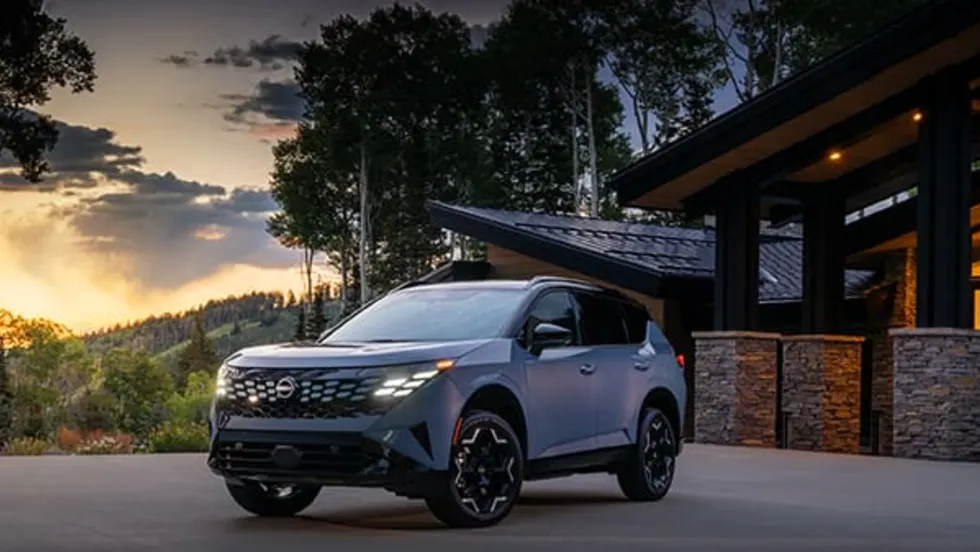
2027 Nissan Rogue Hybrid Adds e-POWER, Standard AWD
The new Rogue Hybrid uses Nissan’s e-POWER system with dual electric motors, offers an estimated 40 mpg and starts at $35,490.
Read More →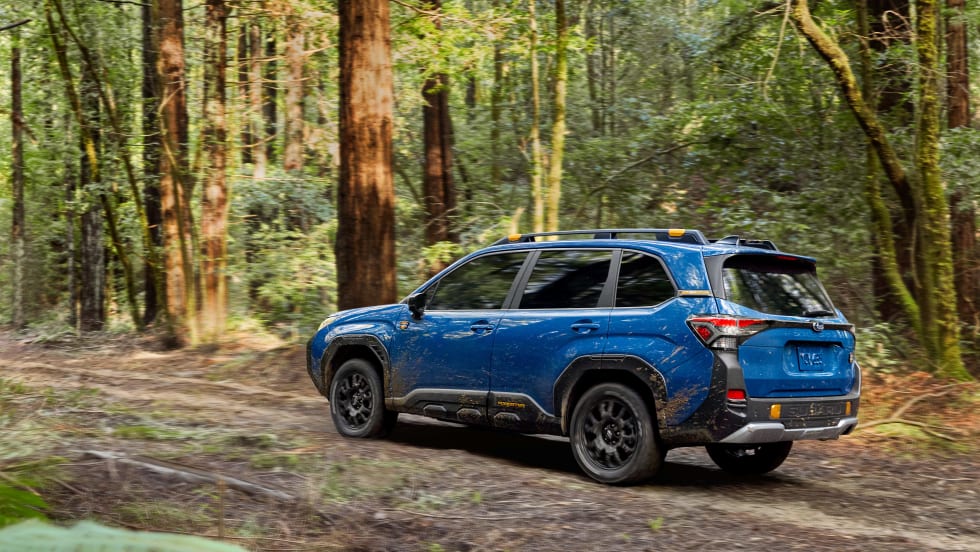
2027 Subaru Forester Adds First Wilderness Hybrid
The 2027 Forester lineup starts at $29,995 and adds a Wilderness Hybrid with 194 combined horsepower and 9.3 inches of ground clearance.
Read More →
EV Realty Names Henrik Holland President as Charging Platform Expands
The former Prologis Mobility and Shell executive will help expand EV Realty’s truck charging business and move its power-first infrastructure model into autonomous vehicle depots and other fleet sectors.
Read More →