




Mazda Outlines 2030 Roadmap
The automaker’s multi-solution strategy involves internal combustion engines, hybrids, and battery EVs. Plans include a new combustion engine and an EV model set for 2027.

Key strategy components and innovations will enable Mazda to address the electrification era through its 2030 management policies.
Photo: Markus Winkler via Pexels / Automotive Fleet
Mazda Motor Corporation recently unveiled its electrified future strategy. At a Mazda Multi-Solution Briefing Session held in Tokyo, President and CEO Masahiro Moro and members of his leadership team announced the Lean Asset Strategy, Mazda Multi-Solution Strategy, and Mazda Monozukuri Innovation 2.0.
These key strategy components will enable the company to address the electrification era through its 2030 management policies.
Through the Mazda Multi-Solution Strategy, the automaker will continue to provide customers and commercial fleets with the right powertrain sources, ensuring that Mazda’s vehicles are equipped with the most suitable powertrain options, whether internal combustion engines, hybrids, or battery EVs.
Mazda Monozukuri Innovation 2.0 is driven by the rapid progression of intelligence technologies and increasingly complex products. By combining internal combustion engines and electrification technologies, including battery EVs, Mazda aims to achieve significant operational efficiencies by 2030. This approach could potentially expand model-based development across the supply chain, ensuring more efficient development and production.
“As the automotive industry is going through a once-in-a-century seismic shift, Mazda keeps on evolving by updating our ‘joy of driving’ for the next generation of vehicles. All of us at Mazda are committed to striking the right balance of efficient business management and development of sustainable technology to deliver unique value regardless of business scale,” Moro said.
Hybrids, EVs, Technology, and More
New technology innovations will support the outlined strategies. The first is the new In-House Hybrid and SKYACTIV-Z engine, which will form the core of Mazda's lineup for small products in the electrification era, meeting emissions regulations such as Euro 7 in Europe and LEV4 and Tier 4 in North America while achieving high fuel economy and driving performance.
Combined with Mazda’s in-house hybrid system, it will debut in the next-generation Mazda CX-5 in 2027. SKYACTIV-Z will also reduce the number of engine units and control software, enhancing development and production efficiency.
Next, Mazda’s in-house developed platform for battery EVs will be highly flexible on both hardware and software, allowing for various battery types and vehicle models.
The company’s own battery EV, set for 2027, will be launched during the second phase (2025-2027) of Mazda’s commercialization roadmap towards 2030. This new model will be produced in Japan for global introduction, with battery cells developed in collaboration with Panasonic Energy Corporation.
Lastly, Mazda’s existing mixed-flow production line, enhanced by Monozukuri Innovation 2.0, will also be used for battery EVs, reducing initial capital investment by 85% and preparation time by 80% compared to new plant construction.
According to a company statement, introducing production facilities using AGVs (Automatic Guided Vehicles) will improve flexibility in response to changes in vehicle type and production volume. Additionally, Mazda’s innovative approach to software procurement and Factory OTA (Over The Air) technology could significantly reduce inventory in the supply chain.
More Green Fleet
New Propane Autogas Program Offers Fleet Compensation
Qualified commercial fleets can receive $7,500 per eligible propane autogas vehicle and up to $10,000 for new refueling site prep. Learn how the program works and see whether your fleet qualifies.
Read More →
EV Charging Use Is Outpacing Infrastructure Growth
ChargePoint’s 2026 Charging Forward Report points to rising charger use, higher-powered charging, commercial vehicle electrification, and energy-management technology. Here’s what fleets should know.
Read More →
Merchants Fleet Reports 290M EV Miles as Fleets Navigate Changing Electrification Market
From millions in operating savings to hundreds of millions of EV miles, Merchants Fleet’s latest report reveals what’s working and what’s changing in fleet electrification.
Read More →

The EV Breakdown Nobody's Talking About: Why Most Electric Vehicle Roadside Calls Aren't Mechanical Failures
Here's why EV breakdowns are widely misunderstood.
Read More →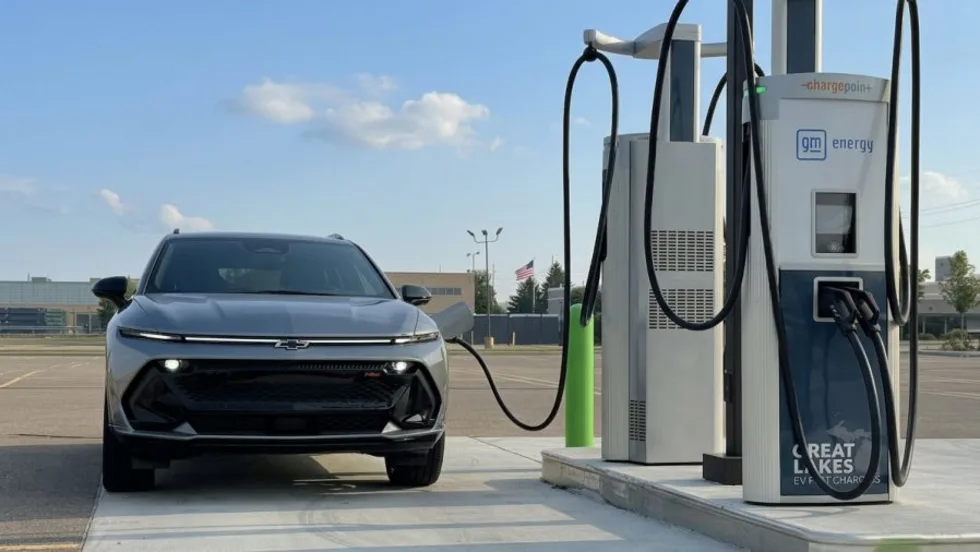
ChargePoint Now Available in Energy Pass
ChargePoint and additional planned charging network integrations were added to GM's Energy Pass.
Read More →

First Look: Slate Auto's Electric Fleet Pickup
Could an affordable, modular EV pickup make electrification more practical for fleets?
Read More →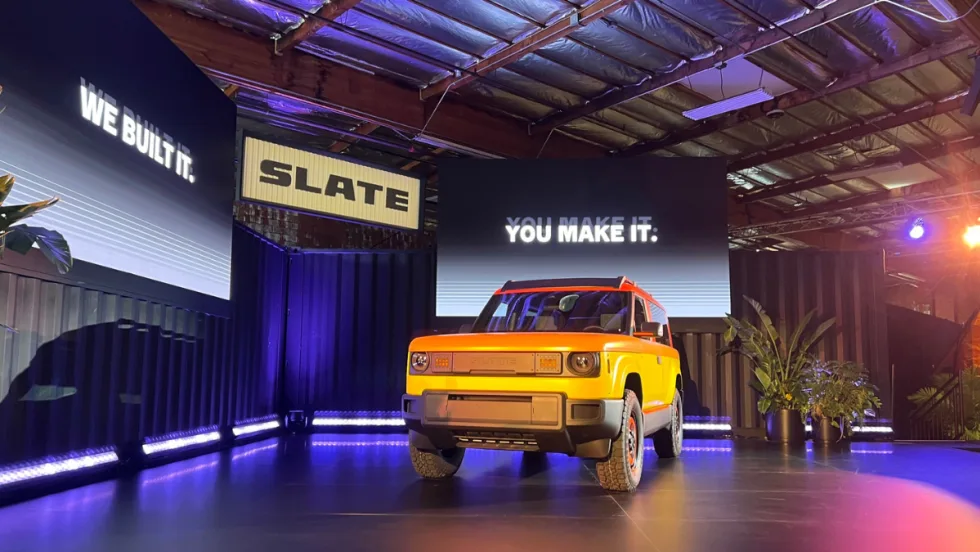
Slate Debuts Colorful, Unique EV Models
A recent media and client event, studded with electric vehicles dressed up on platforms, planted a new position for the manufacturer in the wider EV market. Fleets will find cost-saving advantages.
Read More →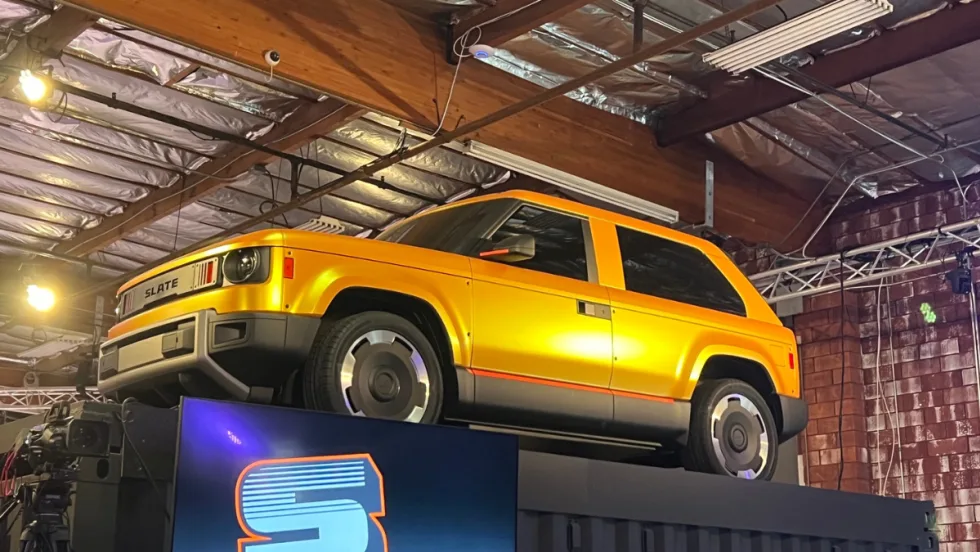
Slate Electric SUV, Pickup Switchable Model Aims For Light-Duty Fleets
Everything about this EV is counterintuitive and understated, making it stand out from the crowd.
Read More →
Inspiration Mobility Acquires Key Electrada Assets
Inspiration Mobility Group has acquired select assets of Electrada, adding the fleet electrification provider's team, technology, and charging infrastructure development capabilities to its energy management business.
Read More →