




L.A. Port to Redirect Budget for Alt-Fuel Trucks, Equipment
SAN PEDRO, Calif -- Port of Los Angeles harbor commissioners this month were briefed on a new plan to repurpose two of the Port's major air quality improvement initiatives in order to buy road haul trucks and in-port cargo handling equipment that run on alternative fuels.
SAN PEDRO, Calif -- Port of Los Angeles harbor commissioners this month were briefed on a new plan to repurpose two of the Port's major air quality improvement initiatives in order to buy road haul trucks and in-port cargo handling equipment that run on alternative fuels. These fuels include liquefied natural gas (LNG), compressed natural gas (CNG), electric power and such sources as hydrogen fuel cells and bio fuels. Bruce E. Seaton, interim executive director at the Port of Los Angeles, announced the Port's plans to pay the full price of new CNG or LNG trucks, as well as comparable electric vehicles if they become available. These purchases depend on a specified annual budget approved by the Harbor Commission. The Port has approximately $20 million in its current fiscal-year budget to initiate the change in its clean air strategy. "This groundbreaking shift away from diesel-powered trucks and yard equipment in and around the Port of Los Angeles is what I mean by clean growth," said Harbor Commission President S. David Freeman. "We have some funds to move forward in this new direction, but we are also looking forward to partnering with the Air Resources Board and the South Coast Air Quality Management District for both technical and financial support." Seaton added: "We're clearly responding to a commission that wants to set a higher benchmark for achieving cleaner air as soon as possible here at the Port of Los Angeles. There are a lot of details to be worked out, but this is an effort that we are committed to making succeed, and the technology is out there to tap and develop." The primarily LNG-focused truck modernization program would target truck owner-operators that have the oldest, dirtiest diesel rigs and make the highest frequency of calls to Los Angeles container terminals. Those owner-operators would turn in their old rigs for disposal, in exchange for new trucks with alternative fueled engines. The Port will do the same for CNG, LNG and electric cargo handling equipment used by its tenants as part of a redirection of its 2005-2006 Near-Term Air Quality Measures, which include modernizing yard tractor and cargo handling equipment used in terminals throughout the Port. The Port will explore the development of one or more LNG and CNG fueling stations within the Port, as well as a delivery system for a sustaining supply of such fuels. Seaton also confirmed that the Port would explore other alternative fuels for powering road haul trucks and yard equipment, such as hydrogen fuel cells and the use of biofuels.
More Fuel
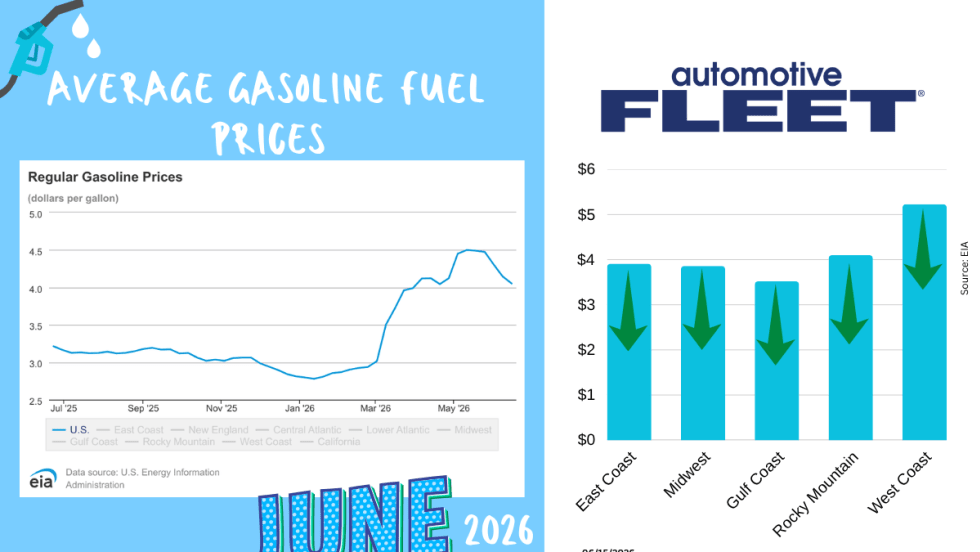
June Fuel Update: Prices Fall Below $4
Drivers are finally getting some relief at the pump. The national average gas price has dropped below $4 a gallon for the first time in months, with prices falling in 47 states as oil markets react to developments in U.S.-Iran negotiations.
Read More →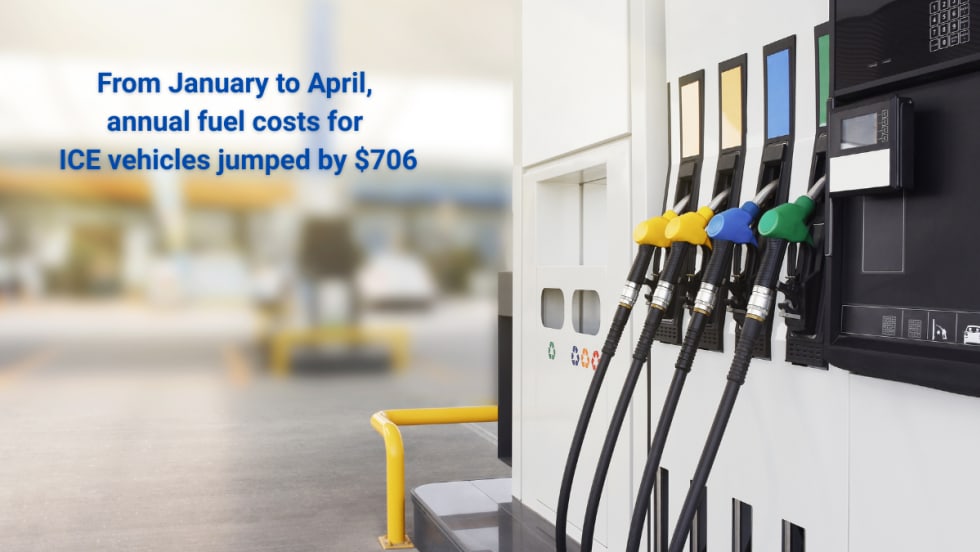
Study: How 2026's Gas Price Hikes Affect Different Vehicle Types
New data from iSeeCars reveals how rising fuel costs have affected different vehicle segments as gasoline prices climbed nearly 46% over the past four months.
Read More →
Are You Tracking Your Fleet's True Total Cost of Ownership?
Bobit Business Media surveyed 190 fleet professionals and found that while most fleets are tracking costs, fragmented systems and data gaps are keeping true TCO visibility out of reach. With rising pressure to control spend in an increasingly volatile environment, the gap between what fleets think they know and what the data actually shows is wider than you might expect. See how your peers are managing costs today and where the industry still has room to improve.
Read More →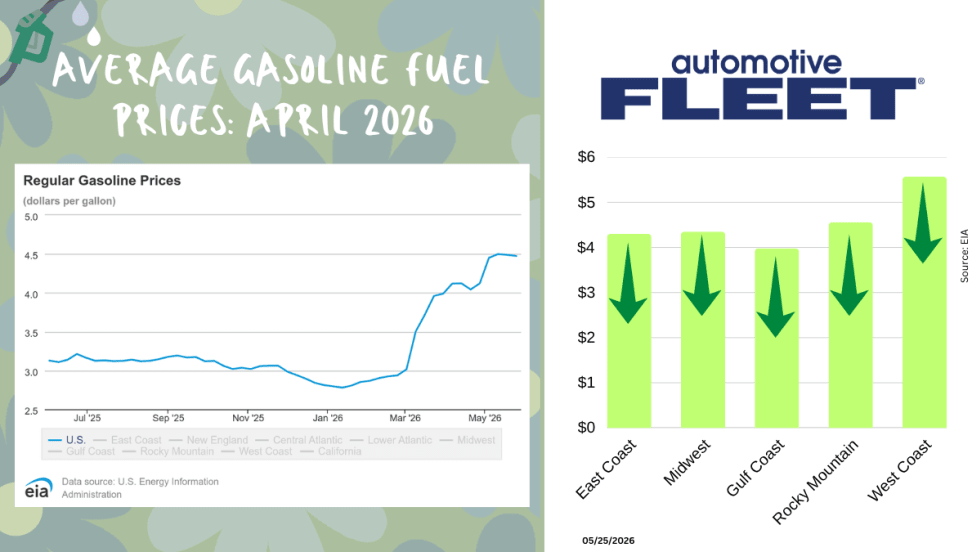
May Fuel Update: All Regions Experience Declines
Gas prices are finally easing in much of the country, but experts warn global tensions could quickly reverse the trend as the national average remains well above last month’s levels.
Read More →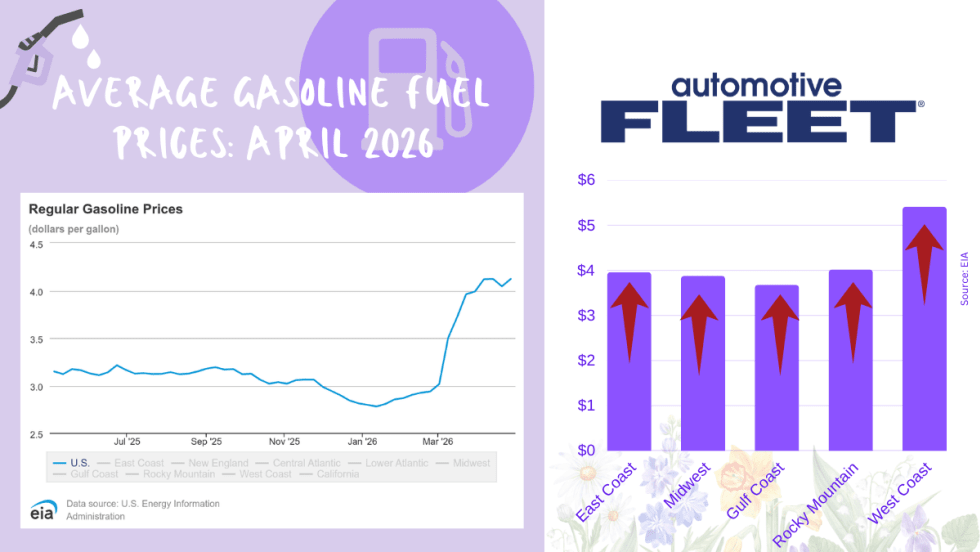
April Fuel Update: Prices Climb Above $4 as Spring Surge Accelerates
National average jumps to $4.04 per gallon, up sharply from last year, with West Coast prices topping $5 and further increases expected amid rising oil tensions.
Read More →
Tips from Fleet Managers on Saving Fuel Costs
Fleet leaders share practical strategies to reduce fuel spend through smarter policy, routing, and driver guidance.
Read More →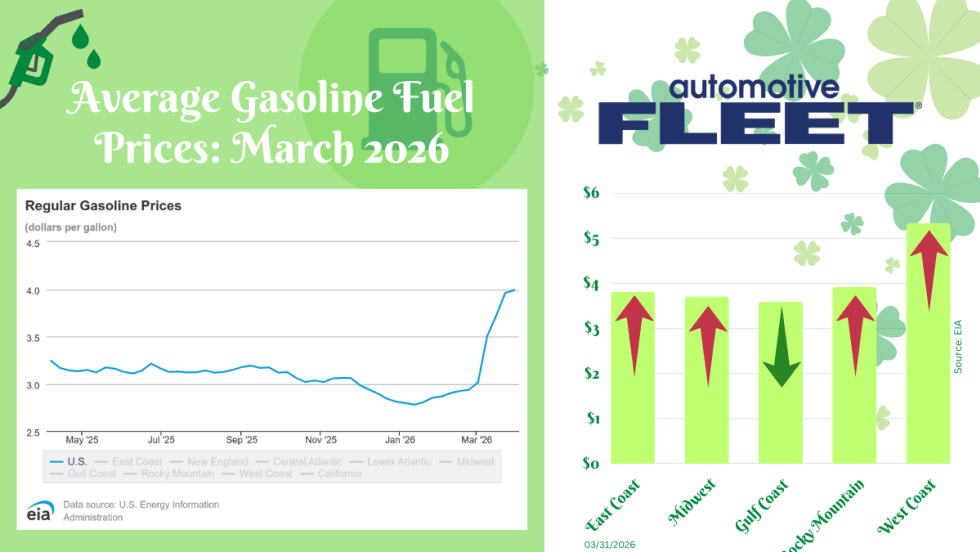
March Fuel Update: Prices Settle With a $4 Average
Fuel prices significantly slowed this week, but a $4 national average is still expected.
Read More →
Bob Adamsky on Fuel Volatility: “Don’t Panic — Have a Plan”
With oil prices rising again, AWP Safety’s fleet manager shares how to respond to rising fuel costs and how the right strategy can turn fuel spikes into cost-saving opportunities.
Read More →
Oil Market Turbulence Is Complicating Fleet Cost Planning
Rapid swings in crude oil prices driven by the conflict in the Middle East could create longer-term cost pressures for fleets, affecting fuel prices, supply chains, and vehicle strategy, says NTEA’s Andrew Wrobel.
Read More →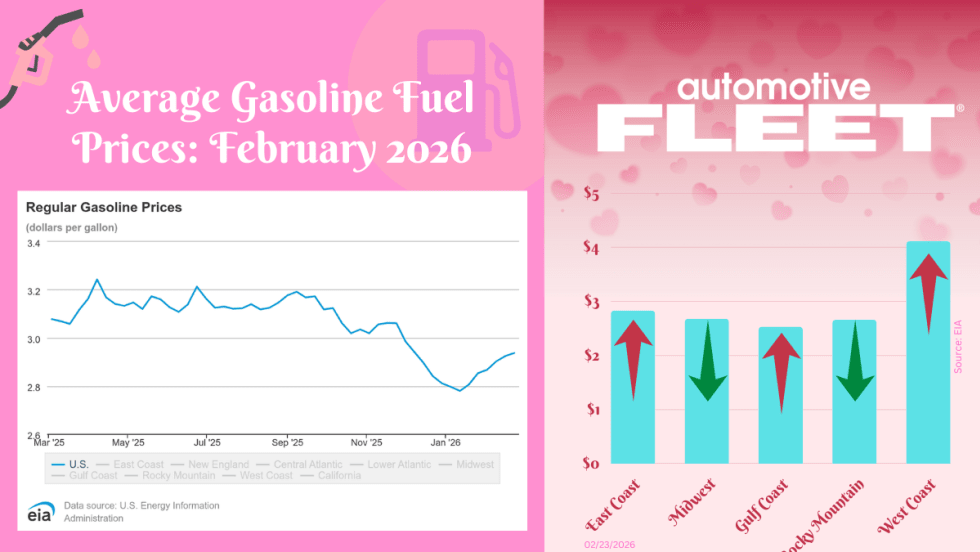
February Fuel Update: Prices Inch Higher for Third Week in a Row
The final February fuel update reveals prices continuing to inch higher for the third week in a row.
Read More →