




Knapheide Adds to ‘Green Catalog’ with Roush Propane Fuel Systems
LIVONIA, MI - ROUSH Performance announced the Knapheide Manufacturing Company has become their newest partner to sell and install their line of ROUSH liquid propane fuel systems for Ford Commercial trucks, vans, and cutaways.
LIVONIA, MI- ROUSH Performance announced the Knapheide Manufacturing Company has become their newest partner to sell and install their line of ROUSH liquid propane fuel systems for Ford Commercial trucks, vans, and cutaways.
As a service truck bodies and platforms provider, Knapheide is forming the partnership with ROUSH to provide its customers with the best possible combination of technology using propane-powered alternative fuel vehicles. Many fleets are looking to lower their operating costs and address environmental concerns, both of which are achieved by switching to propane as a motor fuel.
"It's exciting to have Knapheide on board selling the ROUSH propane fuel systems. Knapheide has been a leader for many decades in providing solutions to commercial vehicle users and we look forward to working with their team to help fleets achieve their fuel reduction and emissions goals. Propane can begin saving fleets money today, not some time in the distant future, and it burns remarkably clean which helps the environment," said Todd Mouw, vice-president of sales and marketing for ROUSH Performance.
As an alternative fuel, propane offers a variety of advantages. It is available "right here, right now" with a national fueling infrastructure already in place. Propane burns cleaner, with up to 20 percent less nitrogen oxide, up to 60 percent less carbon monoxide and fewer particulate emissions. It is already the third most widely used fuel worldwide, following gasoline and diesel. Propane is 90 percent domestically produced, and as an alternative fuel, the purchase of propane-powered vehicles are eligible for a variety of federal, state, and municipal tax credits or rebates.
Numerous studies have been conducted on the operational savings fleets can achieve by converting to propane as a motor fuel, and a savings calculator is available online at www.SwitchToPropane.com that allows the user to input variables specific to their usage. It is not uncommon for fleet managers to see savings of more than $17,500 per vehicle or more over a total vehicle life of 150,000 miles.
"Evidence clearly shows that propane as a motor fuel can save fleets considerable amounts of money. Now fleets are taking a hard look at their environmental impact as well. Propane is available right here, right now and can help fleets on both of these fronts. I'm pleased that ROUSH is taking steps to make a variety of propane-fueled vehicles available," said Brian Feehan, vice-president of the Propane Education & Research Council.
ROUSH currently offers a variety of vehicles that run on propane; this includes conversions of the Ford F-250 and F-350 pickups as well as the Ford E-Series van lineup.
"We are excited to partner with ROUSH on this propane initiative," said Chris Weiss, Knapheide vice president, engineering. "We have been a leading seller of commercial vehicle solutions for many years and now we get to offer our customers an alternative fuel option that will reduce their fuel costs significantly and help them do their part for improving our environment."
Knapheide is located in Quincy, Ill., with multiple installations centers nationwide. Those interested in learning more about the ROUSH propane fuel systems can contact Richard Rose, vice-president, marketing at (217) 222-7131.
Based in Livonia, Mich., "The Art of Performance Engineering" takes place at ROUSH Performance. To get a "behind the scenes" look at what goes on at ROUSH and how the vehicles are designed, manufactured and produced, log on to www.ROUSHtv.com. For more information see your local ROUSH dealer, visit www.ROUSHperformance.com or telephone toll-free (800) 59-ROUSH.
More Fuel

Turning Fleet Payment Data into Executive Insights
Ramel Lindsay of U.S. Bank Voyager discusses how fleets can transform payment and transaction data into actionable intelligence to reduce costs, improve oversight, and support executive decision-making.
Read More →
Why the IRS Raised Its Mileage Rate in the Middle of 2026
Fuel-price volatility drove the rare increase to 76 cents per mile, the fifth midyear adjustment since 2000.
Read More →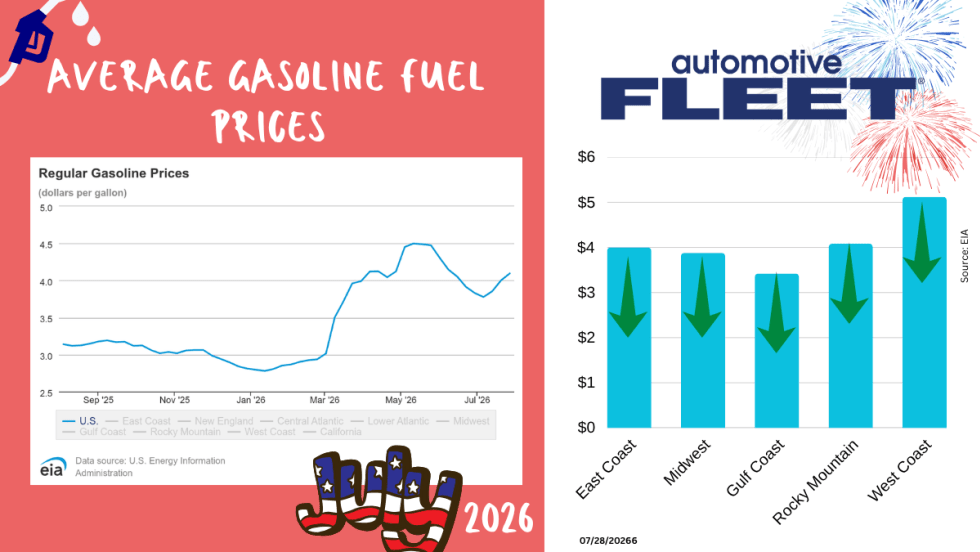
July Fuel Update: Prices Keep Rising in Light of More Conflict
Gas prices continue to rise as more and more conflicts do, too.
Read More →
Bob Adamsky on Fuel Volatility: "Don't Panic, Have a Plan."
When it comes to up and down fuel prices, Adamsky has a message for fleets: “Don’t panic.”
Read More →
How Fleets Can Gain Control of Non-Fuel Spend
Fuel often gets the spotlight, but non-fuel expenses can have a major impact on fleet costs. Ramel Lindsay of U.S. Bank Voyager discusses how fleets can gain better visibility and control over these often-overlooked expenditures.
Read More →
Fuel is Just the Start: How Middle East Tensions are Driving Up Fleet Maintenance Costs
The Middle East conflict is doing more than pushing up fuel prices. It’s also raising the cost of key maintenance products your fleet depends on, from motor oil to tires to windshield wipers. Here’s what you need to know about this budget-busting situation.
Read More →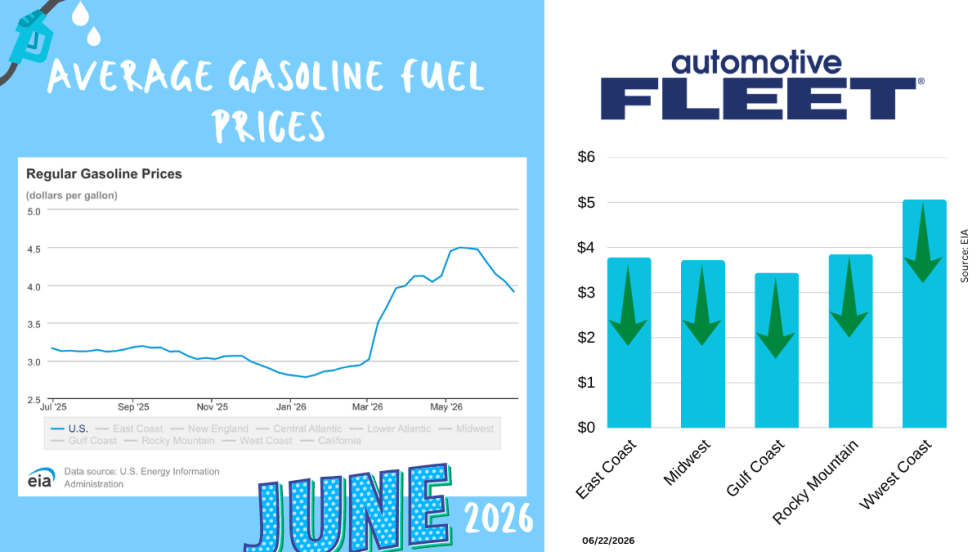
June Fuel Update: Prices Fall Below $4
Drivers are finally getting some relief at the pump. The national average gas price has dropped below $4 a gallon for the first time in months, with prices falling in 47 states as oil markets react to developments in U.S.-Iran negotiations.
Read More →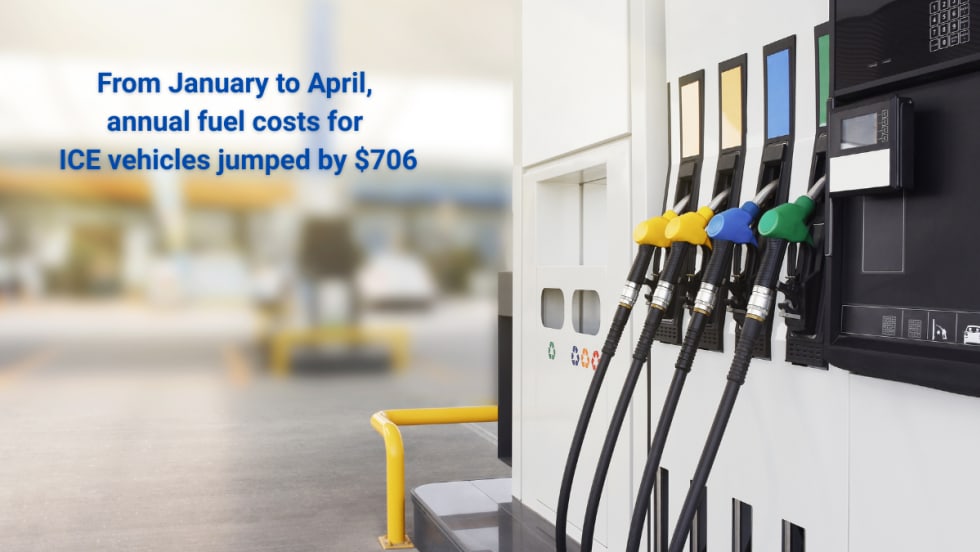
Study: How 2026's Gas Price Hikes Affect Different Vehicle Types
New data from iSeeCars reveals how rising fuel costs have affected different vehicle segments as gasoline prices climbed nearly 46% over the past four months.
Read More →
Are You Tracking Your Fleet's True Total Cost of Ownership?
Bobit Business Media surveyed 190 fleet professionals and found that while most fleets are tracking costs, fragmented systems and data gaps are keeping true TCO visibility out of reach. With rising pressure to control spend in an increasingly volatile environment, the gap between what fleets think they know and what the data actually shows is wider than you might expect. See how your peers are managing costs today and where the industry still has room to improve.
Read More →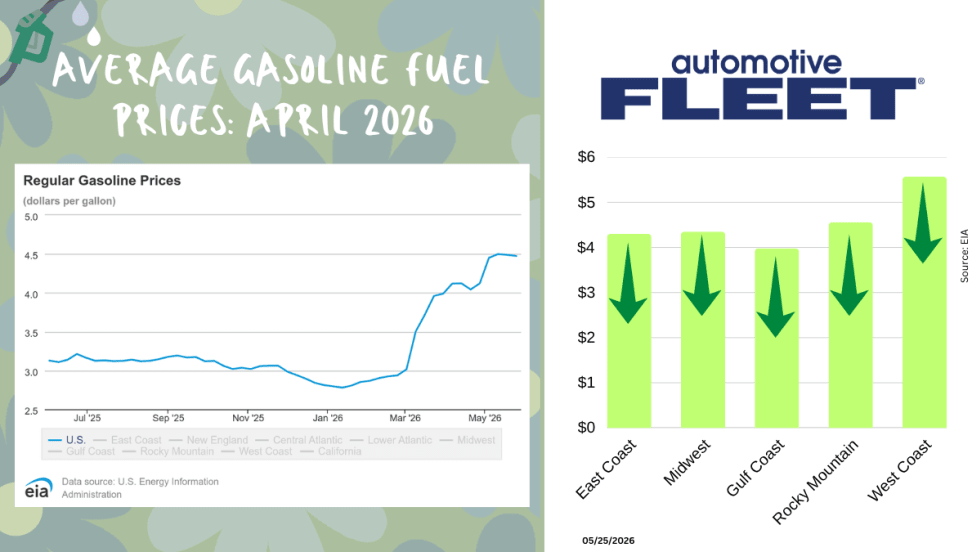
May Fuel Update: All Regions Experience Declines
Gas prices are finally easing in much of the country, but experts warn global tensions could quickly reverse the trend as the national average remains well above last month’s levels.
Read More →