




Kelley Blue Book Study Examines Fuel Efficiency
IRVINE, Calif. --- Drivers are often encouraged to improve their vehicle's fuel economy by reducing air conditioning use, changing filters regularly, checking tire pressure, having fuel injectors cleaned and using a fuel additive to increase engine performance.
IRVINE, Calif. --- Drivers are often encouraged to improve their vehicle's fuel economy by reducing air conditioning use, changing filters regularly, checking tire pressure, having fuel injectors cleaned and using a fuel additive to increase engine performance. But how likely are consumers to actually use any of these gas-saving tips to help save money? According to a recent Kelley Blue Book marketing research study on fuel economy, nearly six out of 10 consumers said they were likely to change their filters at scheduled intervals and/or check their tire pressure regularly to achieve greater fuel economy or save money. In addition, nearly seven out of 10 consumers (68 percent) believed that by performing some or all of the recommended gas-saving maintenance to their car, they would save up to $200 annually. "Gas prices have reached levels that are causing consumers to take steps they may not have when pump prices were more moderate to improve fuel economy and save a few dollars," said Jack Nerad, executive editorial director and executive market analyst for Kelley Blue Book's kbb.com. "If these consumers actually perform all of these gas-saving tips, it's likely they could save up to 15 or 20 percent of their entire fuel costs annually." However, only 23 percent said they would be willing to reduce air conditioning use. Even less popular options included having fuel injectors cleaned (17 percent), and using a fuel additive in each fill-up to increase engine performance (5 percent). More than a quarter of consumers (26 percent) said they would employ all of these recommended fuel-saving tips to achieve greater fuel economy or save money, and a contrasting 5 percent said they would do none. When thinking about their next new-vehicle purchase, 69 percent of consumers were likely to change the vehicle they drive in order to improve their fuel economy or money situation; 22 percent would buy a hybrid version of a vehicle they already have; 21 percent would take a step down in vehicle size; 14 percent said they would buy a vehicle with a smaller engine or an engine with less power; and 12 percent said they would buy a diesel vehicle. Thirty-one percent of consumers said they would not change their next vehicle to improve fuel economy. The Toyota Prius is in its second generation and approaching its fifth model year, and it continues to dominate the hybrid market. However, because the Prius doesn't necessarily fit every lifestyle, the editorial staff at Kelley Blue Book's kbb.com put together a list of fuel-efficient favorites. "We certainly think there is an important place in the market for hybrid vehicles today and in the future," said Jack Nerad, executive editorial director and executive market analyst for Kelley Blue Book's kbb.com. "But today's market offers a wide variety of vehicles that both fill individuals' needs and provide better-than-average fuel efficiency, and this list includes our top choices." Here are Kelley Blue Book's top picks for fuel-efficiency, along with the Kbb.com editors' comments: ** In the small sedan category, the Honda Civic Hybrid. "The Honda Civic Hybrid is the Prius alternative with more mainstream styling, if not all the fuel economy." MPG is 40 in the city, 45 on highway. ** In the mid-size sedan category, the Nissan Altima Hybrid. "Beneath its sporty-sedan sheet metal, Nissan's Altima Hybrid uses licensed Toyota hybrid technology." MPG is 35 in the city, 33 on highway. ** In the luxury sedan category, the Mercedes-Benz E320 Bluetec. "Powered by a state-of-the-art clean diesel engine, the Mercedes-Benz E320 Bluetec is as powerful and smooth as you'd expect anything wearing a three-pointed star to be." MPG is 23 in the city, 32 on highway. ** In the compact pickup category, the Toyota Tacoma. "The Toyota Tacoma's bulletproof reputation for reliability is backed up by some of the category's best fuel economy." MPG is 20 in the city, 26 on highway. ** In the full-size pickup category, the Chevrolet Silverado/GMC Sierra. "GM's excellent new Chevrolet Silverado and GMC Sierra are just about the most fuel-efficient full-size pickups out there." MPG is 15 in the city, 20 on highway. ** In the coupe category, the Audi TT. "The 2008 Audi TT deftly maximizes turbo power and efficiency in one fun and fuel-frugal coupe." MPG is 23 in the city, 31 on highway. ** In the small SUV category, the Ford Escape Hybrid. "Revamped for 2008, the Ford Escape Hybrid combines excellent mileage with SUV versatility." MPG is 31 in the city, 30 on highway. ** In the mid-size SUV category, the Toyota Highlander Hybrid. "The Highlander Hybrid is Toyota's only hybrid SUV, and the only one to boast a lineage that includes the revolutionary Prius." MPG is 28 in the city, 25 on highway. ** In the large SUV category, the GMC Acadia. "With more total cargo volume than the brand's own Yukon, the three-row GMC Acadia delivers everything most families require from a traditional full-size SUV but with significantly better mileage." MPG is 16 in the city, 24 on highway. ** In the convertible category, the Convertible Mazda MX-5. "Some of the same characteristics that make the small and lightweight Mazda MX-5 one of the purest driver's cars of all time help make it a joy at the gas pump, too." MPG is 22 in the city, 27 on highway. ** In the minivan category, the Honda Odyssey. "What some consider the best minivan available, the Honda Odyssey also delivers the best mileage. Under light loads, the Odyssey can cruise on just three of its six cylinders." MPG is 17 in the city, 24 on highway. ** In the hatchback category, the MINI Cooper. "A secret weapon in the fight against fuel prices, the extremely fun MINI Cooper delivers highway mileage of up to 36 MPG." MPG is 27 in the city, 36 on highway. ** In the wagon category, the Toyota Matrix/Pontiac Vibe. "The Toyota Matrix and Pontiac Vibe cousins are small but tall wagons that have been delivering outstanding fuel economy since the 2003 model year." MPG is 26 in the city, 33 on highway. All fuel economy figures reflect the new-for-2008 model year guidelines, per fueleconomy.gov.
More Fuel

Turning Fleet Payment Data into Executive Insights
Ramel Lindsay of U.S. Bank Voyager discusses how fleets can transform payment and transaction data into actionable intelligence to reduce costs, improve oversight, and support executive decision-making.
Read More →
Why the IRS Raised Its Mileage Rate in the Middle of 2026
Fuel-price volatility drove the rare increase to 76 cents per mile, the fifth midyear adjustment since 2000.
Read More →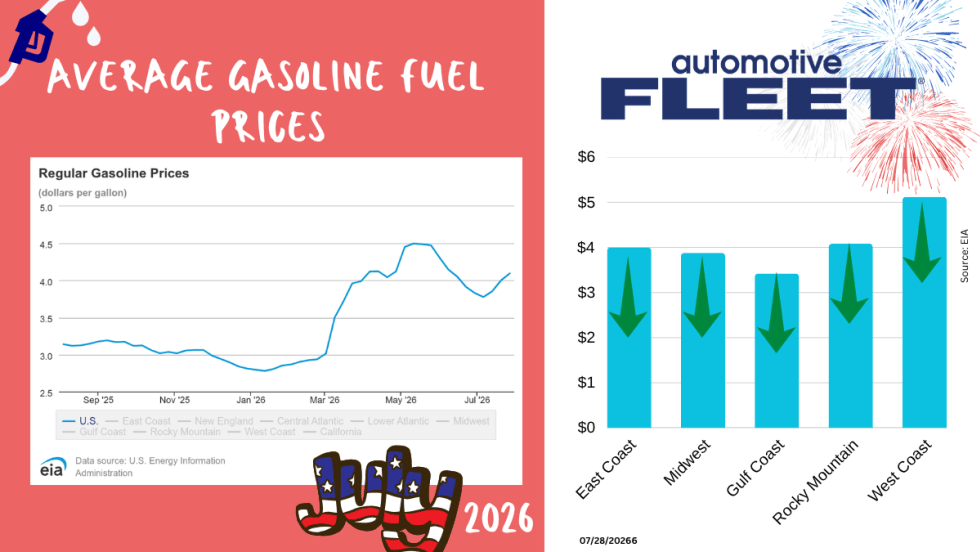
July Fuel Update: Prices Keep Rising in Light of More Conflict
Gas prices continue to rise as more and more conflicts do, too.
Read More →
Bob Adamsky on Fuel Volatility: "Don't Panic, Have a Plan."
When it comes to up and down fuel prices, Adamsky has a message for fleets: “Don’t panic.”
Read More →
How Fleets Can Gain Control of Non-Fuel Spend
Fuel often gets the spotlight, but non-fuel expenses can have a major impact on fleet costs. Ramel Lindsay of U.S. Bank Voyager discusses how fleets can gain better visibility and control over these often-overlooked expenditures.
Read More →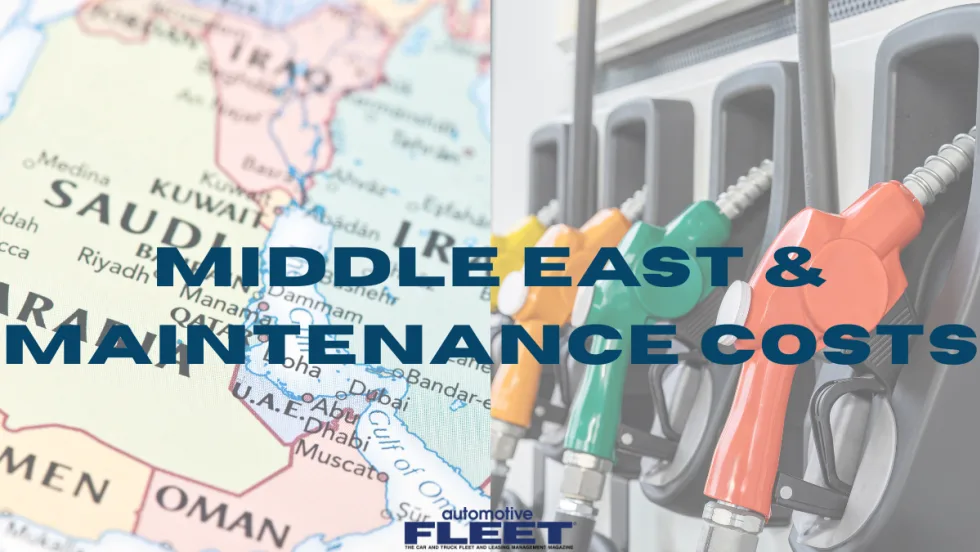
Fuel is Just the Start: How Middle East Tensions are Driving Up Fleet Maintenance Costs
The Middle East conflict is doing more than pushing up fuel prices. It’s also raising the cost of key maintenance products your fleet depends on, from motor oil to tires to windshield wipers. Here’s what you need to know about this budget-busting situation.
Read More →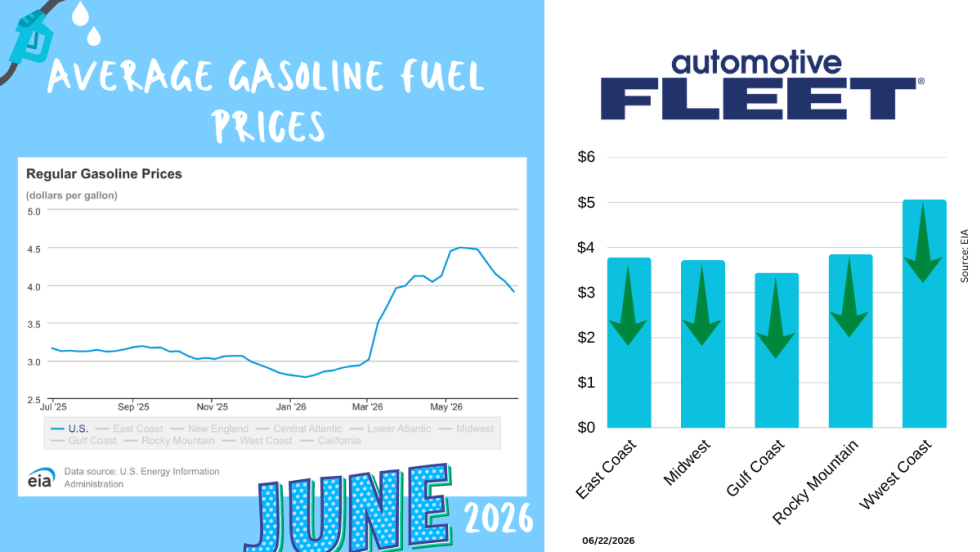
June Fuel Update: Prices Fall Below $4
Drivers are finally getting some relief at the pump. The national average gas price has dropped below $4 a gallon for the first time in months, with prices falling in 47 states as oil markets react to developments in U.S.-Iran negotiations.
Read More →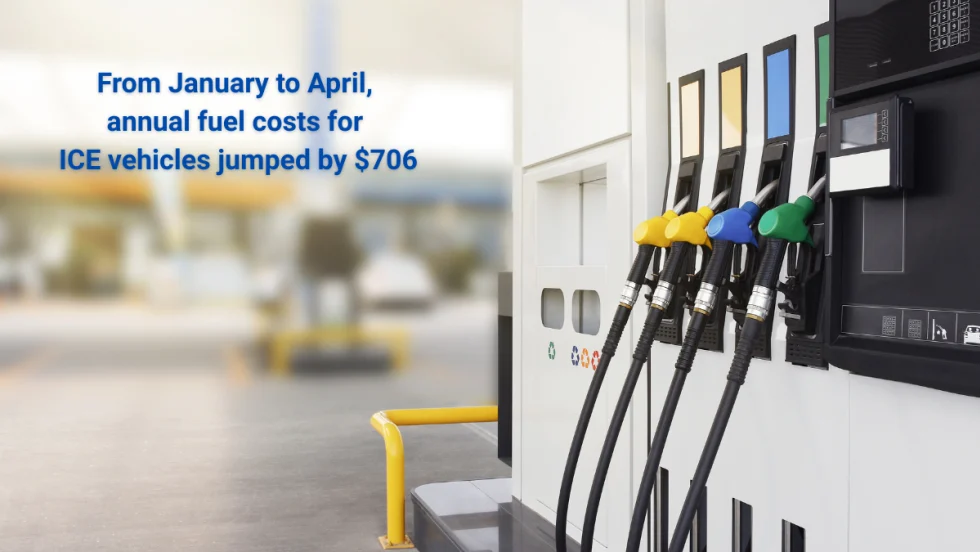
Study: How 2026's Gas Price Hikes Affect Different Vehicle Types
New data from iSeeCars reveals how rising fuel costs have affected different vehicle segments as gasoline prices climbed nearly 46% over the past four months.
Read More →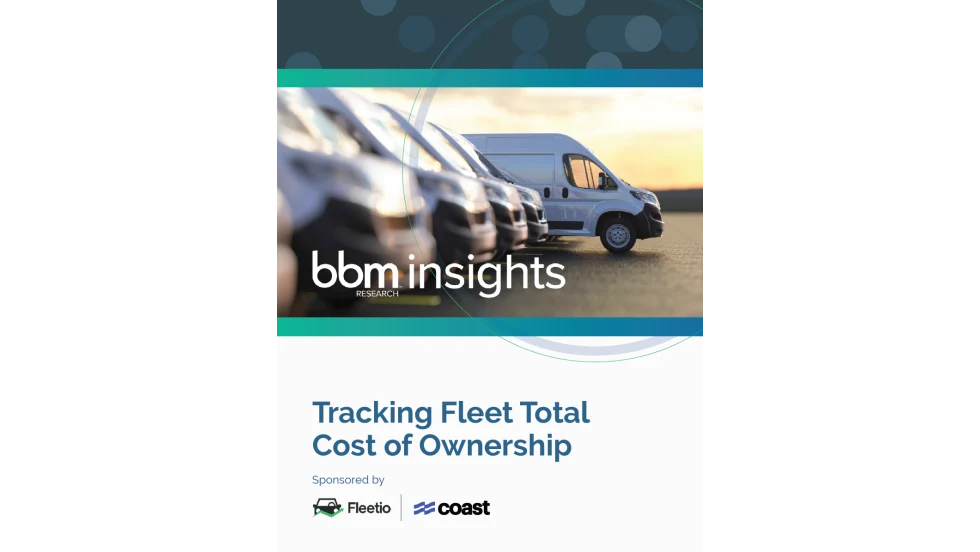
Are You Tracking Your Fleet's True Total Cost of Ownership?
Bobit Business Media surveyed 190 fleet professionals and found that while most fleets are tracking costs, fragmented systems and data gaps are keeping true TCO visibility out of reach. With rising pressure to control spend in an increasingly volatile environment, the gap between what fleets think they know and what the data actually shows is wider than you might expect. See how your peers are managing costs today and where the industry still has room to improve.
Read More →
May Fuel Update: All Regions Experience Declines
Gas prices are finally easing in much of the country, but experts warn global tensions could quickly reverse the trend as the national average remains well above last month’s levels.
Read More →