





Future of Fleet: Autonomy for the Middle Mile
Isuzu Engine Sales Celebrates Golden Anniversary
Isuzu marks 50 years of powering fleets with engines built for durability, value, and off-road performance.
May 9, 2025
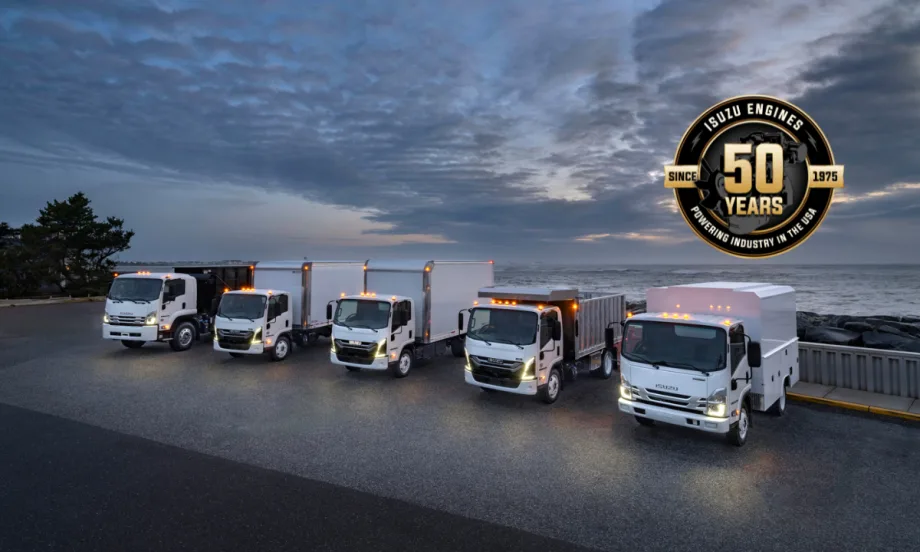
“We owe this milestone to the many equipment manufacturers, end users, distributors, and dealers who have placed their trust in our engines, year after year,” Masaaki Sugino, executive vice president of Isuzu Motors America, LLC, said.
Photo: Isuzu / Automotive Fleet
2 min to read
For 50 years, Isuzu industrial engines have powered productivity and commercial fleets across the United States with diesel engines known throughout the off-road equipment market for their reputation of reliability, durability, and long-term value.
Since 1975, Isuzu Diesel has remained a trusted name in powering various industrial applications — serving construction, agriculture, utility, and rental fleets with engine solutions. In a market that has evolved dramatically over five decades, Isuzu engines have stood the test of time.
“Fifty years of continuous presence in the U.S. industrial market is a proud milestone – one that reflects the long-standing support of our customers and distributors,” said Masaaki Sugino, executive vice president of Isuzu Motors America, LLC.
“We owe this milestone to the many equipment manufacturers, end users, distributors, and dealers who have placed their trust in our engines, year after year,” Sugino said.
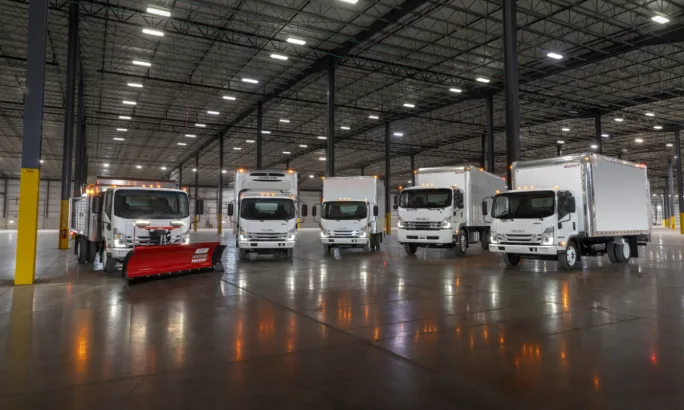
Since 1975, Isuzu Diesel has remained a trusted name in powering various industrial applications — serving construction, agriculture, utility, and rental fleets with engine solutions.
Photo: Isuzu
Isuzu Drives Durable Engine Support and Industrial Application
Today, Isuzu Motors America, LLC, PowerTrain Division, headquartered in Michigan, is the exclusive Isuzu engine distributor in the U.S., Canada, and Latin America.
The Isuzu PowerTrain Division has built a vast network of dealers and distributors numbering more than 400 to sell and service the brand’s customers, including engines, accessories, service tools, and Isuzu genuine parts.
Marketed in the U.S. as Isuzu Diesel, the brand’s products are sought after by manufacturers and consumers who need durable engines and power units for the machinery that drives their livelihoods. Isuzu Diesel products include more than 30 engine models with power outputs ranging from 11.8 hp to 512 hp, for use in off-road industrial applications.
“As we move forward, our focus remains on delivering dependable engine solutions that support the evolving needs of our customers. We’re proud to carry forward our legacy of dependable performance. And we’re committed to supporting our customers in every phase of their equipment lifecycle – today, and for decades to come,” Sugino said.
More Operations

How Fleets Can Recruit and Train Veterans for Technician Roles
Here's how the technician shortage has affected uptime for fleets, and what to do about it.
Read More →
Avis Budget Group Deploys Neology Toll Management Technology Across Major Brands
Neology’s neoFleet platform will manage toll transactions and toll-authority operations for vehicles across Avis, Budget, Payless, Budget Truck and Zipcar.
Read More →
Fleet Personal-Use Charges Edge Higher in 2026
Nearly eight in 10 surveyed fleets allow personal use of company vehicles, while just over half of respondents report charging employees for the privilege.
Read More →
The Future of Fleet + What’s Changing Right Now | AF News Recap
Could developments overseas offer a preview of what’s coming for U.S. fleets? This week, we’re looking at the future of AI, autonomy, and electrification, plus Ford Pro’s new certified pre-owned program, smarter vehicle offboarding, and a new way for fleets to manage toll expenses.
Read More →
How to Handle Vehicle Offboarding
What do fleet managers need to do when a driver leaves?
Read More →
Sponsored•October 1, 2026
Fleet Manager’s Ultimate Playbook: Navigating the New Standard in OEM Connectivity
Rising operating costs, driver safety concerns, and unplanned downtime are putting unprecedented pressure on modern fleets. Discover how fleet managers use embedded OEM connectivity and real-time vehicle data to cut TCO, prevent downtime, and protect drivers without aftermarket telematics hardware.
Read More →
U.S. Bank Adds Verra Mobility Toll Management to Voyager Fleet Platform
The integration allows U.S. Bank Voyager fleet customers to manage toll payments and violations alongside fuel, EV charging and maintenance expenses.
Read More →
ADAS Prevents Crashes. But Repairs Cost More | AF News Recap
ADAS-equipped vehicles may crash less often, but they can cost more when they do. This week, we’re breaking down what that tradeoff means for fleets, plus Subaru’s first Forester Wilderness Hybrid, Nissan’s new e-POWER Rogue, and why Calstart has become Catalyst Mobility.
Read More →
Moventum Fleet Management Names Mark Iorillo Head of Sales
Iorillo brings nearly 20 years of fleet management and sales experience to the role, including previous positions at Element Fleet Management, CEI, Donlen and Ryder.
Read More →
Fleet Has a Talent Pipeline Problem. What Comes Next? | AF News Recap
Where will fleet’s next generation of leaders come from? This week, we’re looking at the industry’s talent pipeline, what certification can add to a fleet career, how to build an award-worthy track record, and the return of Automotive Fleet’s Personal Use Survey.
Read More →