




Iran Nuclear Controversy Raises Oil Pricing Questions
WASHINGTON, D.C. --- Energy analysts are identifying the ongoing controversy over Iran's nuclear program as the wild card in this year's oil market, according to Bloomberg.
WASHINGTON, D.C. --- Energy analysts are identifying the ongoing controversy over Iran’s nuclear program as the wild card in this year’s oil market, according to Bloomberg. Iran is OPEC’s No. 2 producer. Any major supply disruption, brought about by economic sanctions, could send global oil prices climbing. In 1979, after the revolution in Iran slashed the country’s oil exports, crude oil prices more than doubled. The European Union and the U.S. have called for an emergency meeting of the International Atomic Energy Agency (IAEA) to consider whether to refer the issue to the United Nations Security Council. The IAEA, the U.N.’s nuclear watchdog agency, has planned the meeting for Feb. 2. If the issue is referred to the U.N. Security Council, it could decide to impose sanctions against Iran. Iran recently broke IAEA seals placed on its Natanz nuclear facility. Iran President Mahmoud Ahmadinejad has said the facility is for developing nuclear energy only. But U.S. officials fear the program could be used to develop nuclear weapons. European Union foreign policy chief Javier Solana said in a Washington press conference yesterday that Russia favors holding off on a formal referral to the U.N. Security Council. Russian officials hope to reach a compromise with Iran during a planned meeting next month, Solana said, according to a news report in the Los Angeles Times. Russia is a veto-holding member of the Security Council. Russia has argued that no final decision on the referral should be made until March, during a regularly scheduled IAEA meeting. Solana indicated he wasn’t happy with the Russian proposal, the L.A. Times reported.
More Fuel

Turning Fleet Payment Data into Executive Insights
Ramel Lindsay of U.S. Bank Voyager discusses how fleets can transform payment and transaction data into actionable intelligence to reduce costs, improve oversight, and support executive decision-making.
Read More →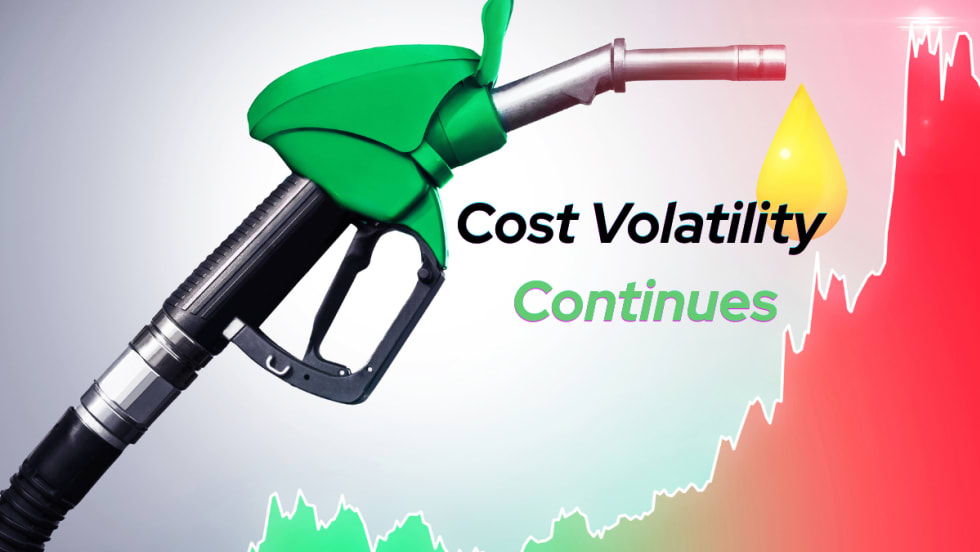
Why the IRS Raised Its Mileage Rate in the Middle of 2026
Fuel-price volatility drove the rare increase to 76 cents per mile, the fifth midyear adjustment since 2000.
Read More →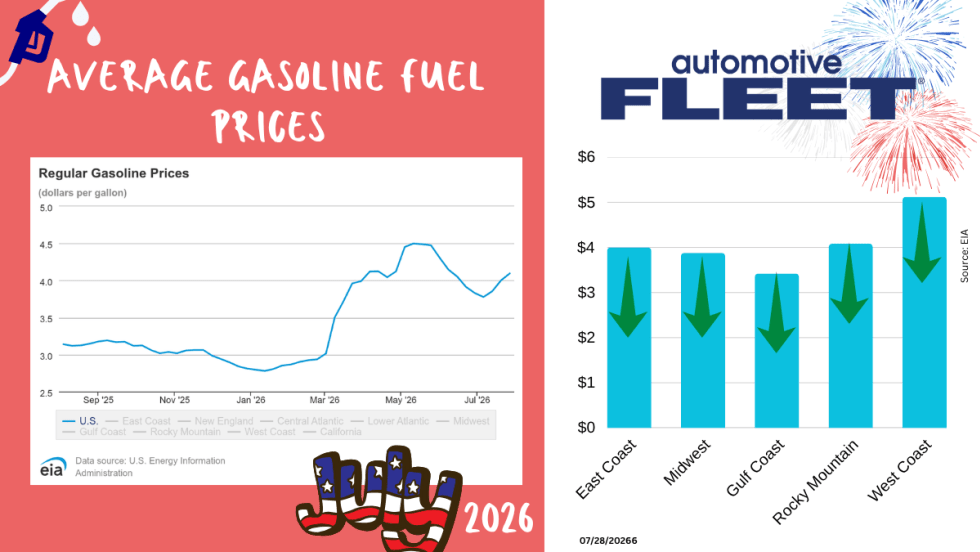
July Fuel Update: Prices Keep Rising in Light of More Conflict
Gas prices continue to rise as more and more conflicts do, too.
Read More →
Bob Adamsky on Fuel Volatility: "Don't Panic, Have a Plan."
When it comes to up and down fuel prices, Adamsky has a message for fleets: “Don’t panic.”
Read More →
How Fleets Can Gain Control of Non-Fuel Spend
Fuel often gets the spotlight, but non-fuel expenses can have a major impact on fleet costs. Ramel Lindsay of U.S. Bank Voyager discusses how fleets can gain better visibility and control over these often-overlooked expenditures.
Read More →
Fuel is Just the Start: How Middle East Tensions are Driving Up Fleet Maintenance Costs
The Middle East conflict is doing more than pushing up fuel prices. It’s also raising the cost of key maintenance products your fleet depends on, from motor oil to tires to windshield wipers. Here’s what you need to know about this budget-busting situation.
Read More →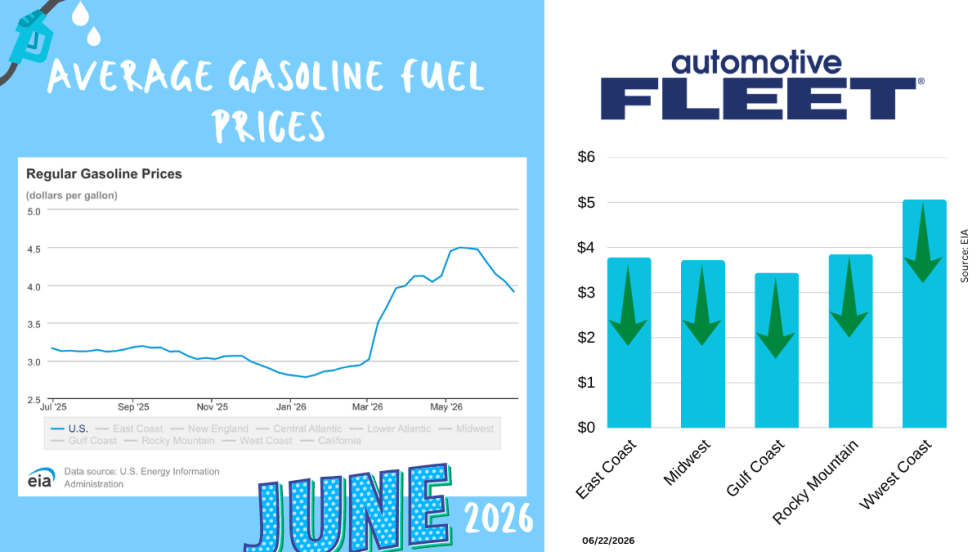
June Fuel Update: Prices Fall Below $4
Drivers are finally getting some relief at the pump. The national average gas price has dropped below $4 a gallon for the first time in months, with prices falling in 47 states as oil markets react to developments in U.S.-Iran negotiations.
Read More →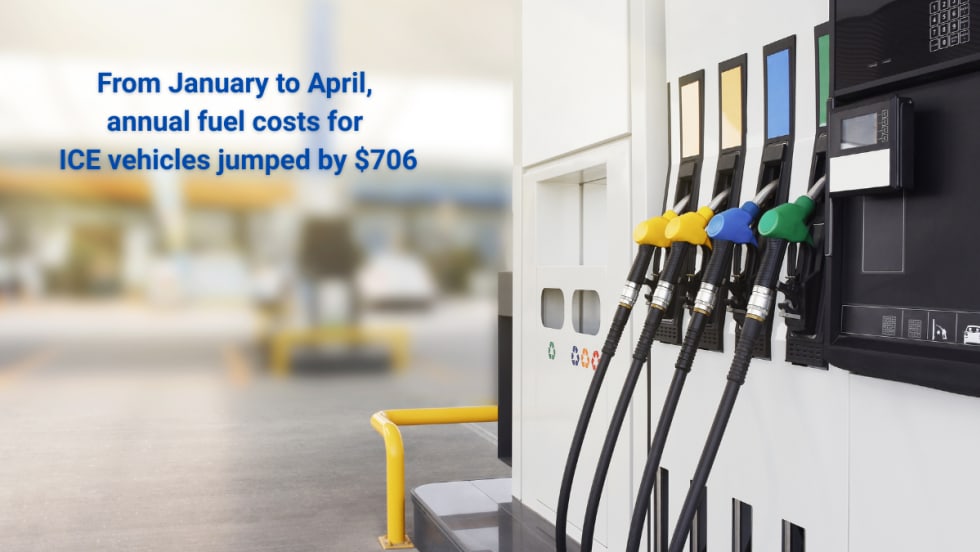
Study: How 2026's Gas Price Hikes Affect Different Vehicle Types
New data from iSeeCars reveals how rising fuel costs have affected different vehicle segments as gasoline prices climbed nearly 46% over the past four months.
Read More →
Are You Tracking Your Fleet's True Total Cost of Ownership?
Bobit Business Media surveyed 190 fleet professionals and found that while most fleets are tracking costs, fragmented systems and data gaps are keeping true TCO visibility out of reach. With rising pressure to control spend in an increasingly volatile environment, the gap between what fleets think they know and what the data actually shows is wider than you might expect. See how your peers are managing costs today and where the industry still has room to improve.
Read More →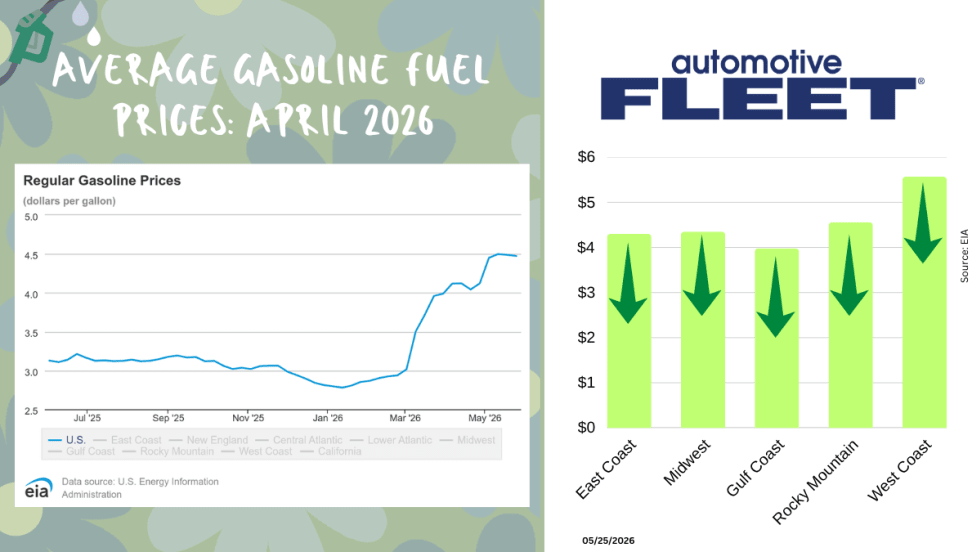
May Fuel Update: All Regions Experience Declines
Gas prices are finally easing in much of the country, but experts warn global tensions could quickly reverse the trend as the national average remains well above last month’s levels.
Read More →