




Hyundai Offers Fuel Cell Tucson in Canada
Hyundai Auto Canada Corp. has announced that it will make hydrogen fuel cell electric vehicles available in Canada. The Hyundai Tucson Fuel Cell Electric Vehicle (FCEV) will be available to Canadians on a 3-year lease beginning in early 2015 in the Vancouver area.
Hyundai Auto Canada Corp. has announced that it will make hydrogen fuel cell electric vehicles available in Canada. The Hyundai Tucson Fuel Cell Electric Vehicle (FCEV) will be available to Canadians on a 3-year lease beginning in early 2015 in the Vancouver area.
“We firmly believe that Hyundai has already surpassed the tipping point in fuel cell technology development and that it’s ready to be driven by customers interested in pioneering a zero-emissions automotive future,” said Don Romano, president and CEO of Hyundai Auto Canada Corp. “The challenge facing this technology has always been characterized by a chicken-and-egg scenario, where car companies won’t bring fuel cell vehicles to market without an infrastructure and there is no need for a refueling industry without customers. It’s time to move beyond simply talking about the opportunity. Hyundai was the first to mass-produce fuel cell electric vehicles and will be the first to bring them to Canadian customers. We’re planting the seed for a new segment of the industry.”
The Hyundai Tucson Fuel Cell stores hydrogen gas and draws an inflow of air to the fuel cell stack. There is no combustion of hydrogen and the stack has no moving parts. The electrochemical process of combining oxygen and hydrogen in the fuel cell stack creates electricity to power the vehicle’s electric motor and charge an onboard battery. The only by-product of the process is pure water vapor, resulting in zero greenhouse-gas emissions, according to the automaker.
In 2013, Hyundai Motor began mass producing fuel cell vehicles. The Tucson Fuel Cell is based on its traditional, gasoline-powered Tucson crossover vehicle. This approach brings manufacturing costs of the vehicle down significantly and allows the company to scale production to meet demand.
The Hyundai Tucson Fuel Cell takes less than five minutes to refuel and has an estimated range of 426 kilometers; both are comparable to the company’s existing gasoline-powered Tucson and eliminate the range anxiety or recharge-time compromises of battery electric vehicles. The Tucson Fuel Cell has also undergone extensive crash, fire, and leak testing. Further, cold weather has proven to have minimal effects to the Tucson Fuel Cell driving range when compared to battery electric vehicles, according to the automaker.
More Global Fleet

Holman Takes Full Ownership of ARIZA in Mexico
Holman is bringing its Mexican fleet management operation fully under its own brand after more than 30 years as a joint venture. The change gives multinational fleet customers a single Holman operation across the U.S., Canada, and Mexico.
Read More →
Proven Ways to Reduce Work Truck Downtime
The age-old problem of downtime will always be a reality, but with new strategies at hand, fleets have more ways to keep trucks on the road longer.
Read More →
The Top 300 Commercial Fleets
The Top 300 Commercial Fleets: See the List
Read More →

Cameras, Safety and Insurance: From Reactive Claims to Real-Time Prevention (Part 2 of 2)
Part Two: Commercial auto remains one of the most challenging and costly lines of coverage for fleet operators and insurers alike. Continue learning more about how to effectively address these issues from Onur Aksan, Enterprise Business Development Executive, Geotab
Read More →
Cameras, Safety and Insurance: From Reactive Claims to Real-time Prevention
Commercial auto remains one of the most challenging and costly lines of coverage for fleet operators and insurers alike. Learn more about how to effectively address these issues from Onur Aksan, Enterprise Business Development Executive, Geotab.
Read More →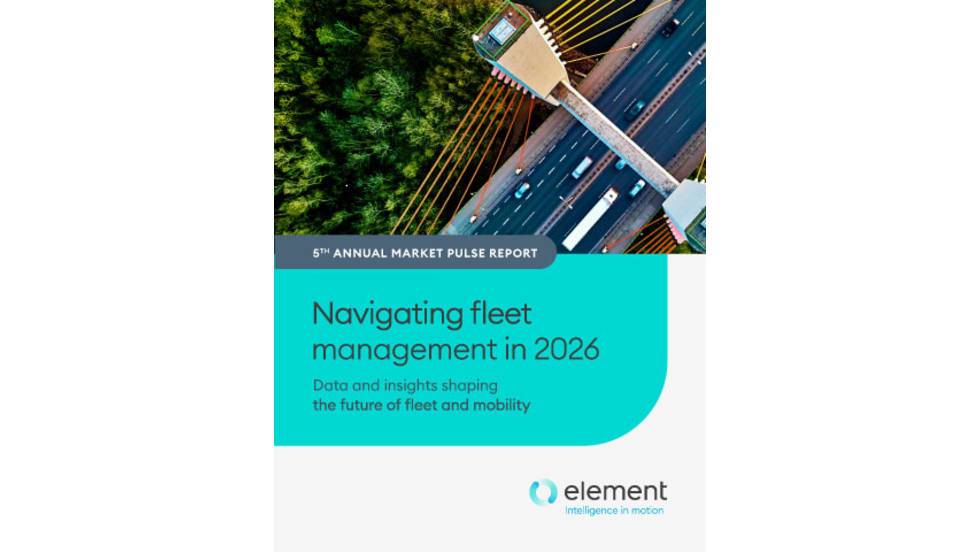
Fleet Costs Are Rising: Here’s How Leaders Are Responding
Fleet leaders are under pressure to reduce costs, adapt to economic uncertainty, and make smarter decisions. See how peers across North America are responding with real data, proven strategies, and forward-looking insights. Download the 2026 Market Pulse Report to benchmark your strategy and uncover where you can gain an edge.
Read More →
Enterprise Fleet Management Surpasses 900,000 Vehicles in U.S. & Canada
Enterprise Mobility connects with mobility solutions around the globe
Read More →
Automotive Fleet's Guide to Fleet Electrification
Unlock the secrets to a successful transition to electric fleets with Automotive Fleet's comprehensive Fleet Electrification Guide!
Read More →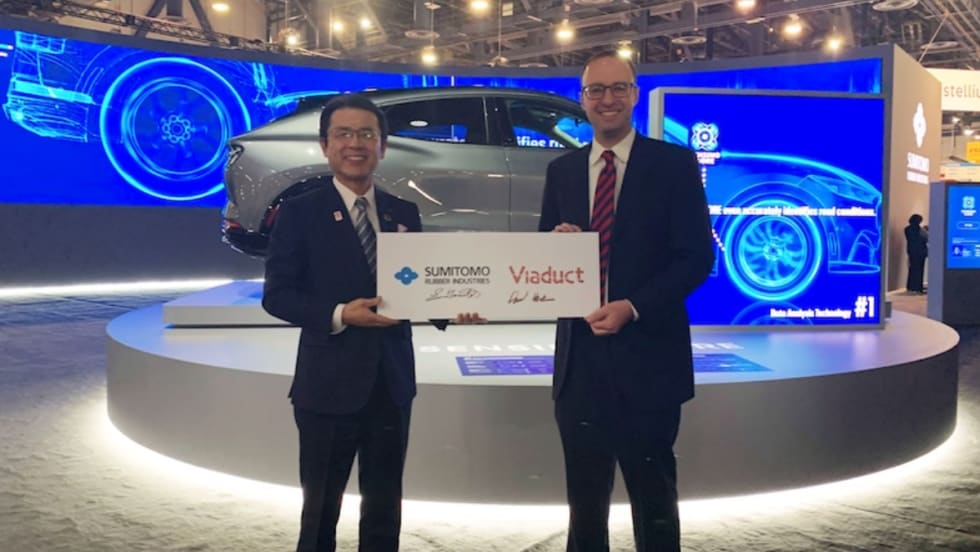
Sumitomo Rubber Industries to Acquire Viaduct
Viaduct will join Sumitomo as an independent subsidiary. Partnership strengthens global reach and accelerates AI-driven innovation for fleets and manufacturing.
Read More →