




5 Tire Maintenance Tips to Help Prevent Work Truck Downtime
Regular tire checks can do more than extend tread life. These five maintenance practices can help work truck fleets catch problems early, reduce costs, and prevent downtime.
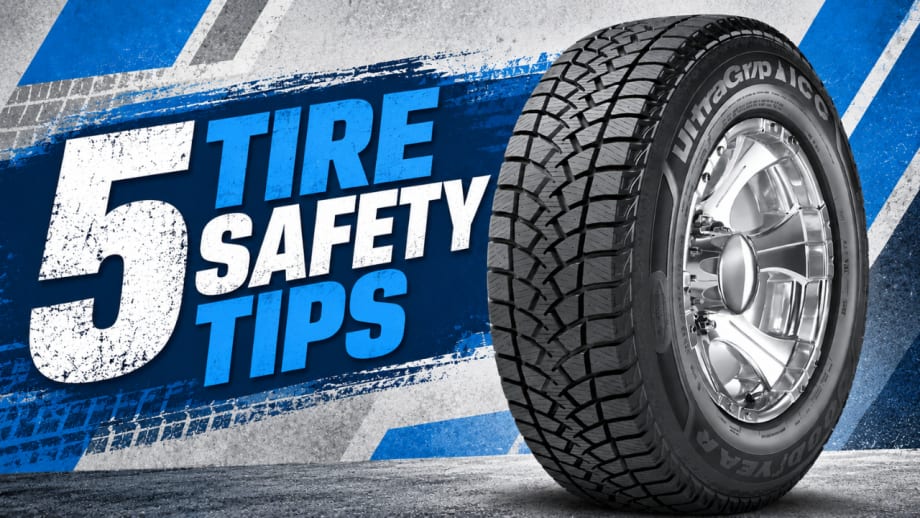
Regular tire pressure checks, inspections, cleaning, and proper alignment can help extend tire life, reduce operating costs, and prevent roadside breakdowns.
Goodyear | Work Truck
- Proper tire maintenance can lower operating costs for light-duty trucks.
- Enhancing tire maintenance contributes to improved vehicle effectiveness.
- Regular tire care reduces the likelihood of roadside breakdowns.
*Summarized by AI
The tires on your fleet vehicles form, quite literally, the foundation for keeping your trucks working. Yet tire maintenance can be easy to overlook until uneven wear, persistent pressure loss, or a roadside failure gets everyone's attention.
For work truck fleets, tire maintenance isn't only about getting the most miles out of a set of tires. Proper inflation, regular inspections, and paying attention to wear patterns can help improve fuel efficiency, extend tire life, identify developing vehicle problems, and reduce the risk of unplanned downtime.
Here are five tire maintenance practices to build into your fleet's preventive maintenance program.
1. Check Tire Pressure Regularly
Proper tire inflation plays an important role in tire life, vehicle handling, fuel efficiency, and safety.
Underinflation can cause excessive heat buildup and irregular wear, while overinflation can affect ride quality and how the tire responds to road hazards. The right pressure isn't necessarily the number printed on the tire's sidewall.
For light-duty trucks, use the vehicle manufacturer's recommended tire pressure found on the driver's-side door placard or in the owner's manual. Tire pressure should be checked when the tires are cold, ideally before the vehicle has been driven or after it has been parked for several hours.
For commercial trucks and specialized applications, proper inflation can also depend on factors such as tire size, axle position, vehicle configuration, and actual load. Fleets should follow the vehicle and tire manufacturer's recommendations for their specific application.
And don't let tire pressure monitoring systems create a false sense of security. Most modern light-duty fleet vehicles have TPMS, but the system isn't a replacement for regular pressure checks with an accurate gauge. A warning light tells you there's a problem. A preventive maintenance program should help you catch it before the light comes on.
Temperature matters, too. Tire pressure changes as outside temperatures rise and fall, making pressure checks particularly important when the seasons change.
2. Build Tire Inspections Into Preventive Maintenance
A quick walkaround can catch some tire problems, but fleets should also make tire inspections part of scheduled preventive maintenance.
At least monthly, inspect tires for:
- Cuts, cracks, bulges, punctures, and other visible damage
- Uneven or abnormal tread wear
- Embedded nails, screws, stones, or other objects
- Damaged valve stems or missing valve caps
- Low tread depth
- Recurring pressure loss
- Damage to wheels or rims
- Condition and inflation of the spare tire, when equipped
Tread depth deserves particular attention. For light-duty vehicles, tires should be replaced once tread reaches 2/32 of an inch, but fleet operating conditions may justify replacement sooner.
Don't just record that a tire passed inspection, either. Tracking wear and pressure over time can help identify patterns across individual vehicles or groups of similarly spec'd trucks.
A tire that repeatedly loses pressure or develops irregular wear may be telling you something about the truck, its application, or how it's being operated.
3. Don't Ignore Valves and Recurring Air Loss
Valve stems and caps may be small components, but they still deserve attention during tire inspections.
Check valve stems for cracks, damage, corrosion, or other signs of deterioration, and make sure caps are securely installed. Depending on the fleet's equipment and operating environment, flow-through valve caps may also make routine pressure checks easier.
More importantly, don't make repeatedly adding air the solution to a tire that keeps losing pressure.
Recurring air loss should trigger an inspection. The problem could be related to tire damage, the valve or valve-to-rim connection, or the bead and wheel assembly. Finding the cause can prevent a small problem from becoming an on-road failure.
For fleets, that's an important distinction. The goal isn't simply to keep putting air into the tire. It's to understand why the air is leaving.
4. Keep Tires and Wheels Clean
Tire maintenance isn't limited to pressure and tread.
Work trucks can operate in environments filled with road salt, mud, snow, ice, chemicals, and other debris. Allowing that material to accumulate can make inspections more difficult and contribute to deterioration or corrosion of wheels and related components.
Regular cleaning also gives drivers and technicians another opportunity to spot problems that may otherwise remain hidden beneath dirt and grime.
Use appropriate cleaning products and follow tire and wheel manufacturer recommendations. Avoid petroleum-based cleaners that can damage rubber, and use caution with high-pressure washing around tire and wheel components.
This becomes especially important for fleets operating in regions where road salt and deicing chemicals are common during the winter.
5. Watch Tire Wear Before It Costs You
Uneven tire wear shouldn't simply mean it's time for another set of tires. Treat it as information. Irregular wear can point to alignment problems, improper inflation, suspension issues, imbalance, vehicle loading, or operating conditions. Drivers may also notice changes in handling, vibration, pulling, or other symptoms before the problem becomes obvious during an inspection.
Alignment, balancing, and tire rotation should be performed according to vehicle and tire manufacturer recommendations and the demands of the application.
Rather than automatically aligning every truck on the same schedule, fleets should also use tire condition and driver feedback to identify vehicles that need attention sooner.
Catching the cause of abnormal wear early can help protect the replacement tire instead of putting a new tire onto a truck with the same unresolved problem.
Don't Treat Every Work Truck the Same
A pickup spending most of its time on the highway doesn't place the same demands on its tires as an upfitted service truck carrying tools, a construction truck regularly traveling on unimproved surfaces, or a delivery vehicle making dozens of stops every day.
Vehicle weight, payload, operating environment, mileage, idle time, road conditions, and driving behavior can all influence how quickly tires wear and what maintenance they require.
That's why tire maintenance works best as part of the fleet's larger preventive maintenance strategy rather than as a standalone checklist.
Look for patterns. If trucks performing the same job repeatedly experience similar wear, pressure loss, or damage, the problem may extend beyond the tire itself. Vehicle specs, loading practices, routes, driver behavior, or maintenance intervals may deserve another look.
Taking care of work truck tires doesn't have to be complicated. Consistent pressure checks, inspections, cleaning, and attention to wear patterns can help fleets get more useful life from their tires while reducing the likelihood that a relatively small maintenance issue leaves a truck sitting on the side of the road.
Editor's Note: This article was originally written by Ryan Holtzer and has been reviewed, updated, and expanded by the Work Truck editorial team to reflect current tire maintenance guidance and provide additional information for today's work truck fleet operations.
About the Author:Ryan Holtzer served as Chief Executive Officer of Tires By Web when this article was originally published. Before joining Tires By Web in 2004, he completed General Electric's Financial Management Program and served as a Black Belt in GE's Six Sigma Initiative.
Quick Answers
Tire maintenance is crucial for light-duty trucks because it helps lower operating costs, enhances the vehicle's effectiveness, and reduces the risk of roadside breakdowns.
*Summarized by AI
Originally posted on Work Truck Online
More Global Fleet

GeoFencing Adds to Your Truck Security Arsenal
Geofencing is a familiar fleet tool today, but its early adoption marked a major shift in vehicle tracking, route monitoring, and the debate over employee privacy.
Read More →
Holman Takes Full Ownership of ARIZA in Mexico
Holman is bringing its Mexican fleet management operation fully under its own brand after more than 30 years as a joint venture. The change gives multinational fleet customers a single Holman operation across the U.S., Canada, and Mexico.
Read More →
Proven Ways to Reduce Work Truck Downtime
The age-old problem of downtime will always be a reality, but with new strategies at hand, fleets have more ways to keep trucks on the road longer.
Read More →



Cameras, Safety and Insurance: From Reactive Claims to Real-Time Prevention (Part 2 of 2)
Part Two: Commercial auto remains one of the most challenging and costly lines of coverage for fleet operators and insurers alike. Continue learning more about how to effectively address these issues from Onur Aksan, Enterprise Business Development Executive, Geotab
Read More →
Cameras, Safety and Insurance: From Reactive Claims to Real-time Prevention
Commercial auto remains one of the most challenging and costly lines of coverage for fleet operators and insurers alike. Learn more about how to effectively address these issues from Onur Aksan, Enterprise Business Development Executive, Geotab.
Read More →
Fleet Costs Are Rising: Here’s How Leaders Are Responding
Fleet leaders are under pressure to reduce costs, adapt to economic uncertainty, and make smarter decisions. See how peers across North America are responding with real data, proven strategies, and forward-looking insights. Download the 2026 Market Pulse Report to benchmark your strategy and uncover where you can gain an edge.
Read More →
Enterprise Fleet Management Surpasses 900,000 Vehicles in U.S. & Canada
Enterprise Mobility connects with mobility solutions around the globe
Read More →
Automotive Fleet's Guide to Fleet Electrification
Unlock the secrets to a successful transition to electric fleets with Automotive Fleet's comprehensive Fleet Electrification Guide!
Read More →