




GM's Colorado/Canyon Diesel Specs Revealed
General Motors has released performance data for the Duramax diesel engines available with the Chevrolet Colorado and GMC Canyon mid-size pickup that arrive for the 2016 model year.
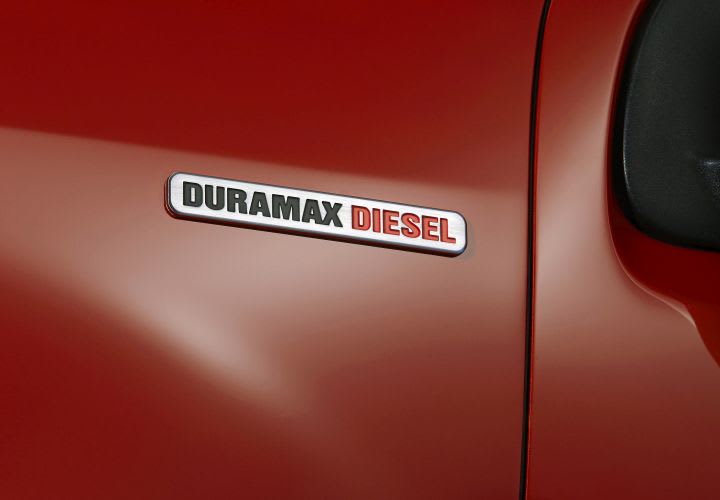
Photo courtesy of GM.
Photo courtesy of GM.
General Motors has released performance data for the Duramax diesel engines available with the Chevrolet Colorado and GMC Canyon mid-size pickup that arrive for the 2016 model year.
Colorado and Canyon models with Duramax engines, which will arrive this fall, will be powered by a new 2.9-liter Duramax turbo-diesel that produces 369 lb.-ft. of torque. The engine delivers an SAE-certified 181 hp at 3,400 rpm, according to GM.
The engine boosts the truck's trailering capacity to 7,700 pounds on the rear-wheel-drive model. The GVWR increases to 6,000 pounds for the rear-wheel model and 7,600 pounds for the all-wheel model.
The new diesel engine will be offered in LT and Z71 Crew Cab models, and will also be available with the all-wheel-drive model. It will be priced $3,730 more than a comparably equipped 3.6-liter V-6 model.
The diesel Colorado and Canyon models will also feature a smart diesel exhaust brake system that reduces brake wear on steep grades; standard Hydra-Matic 6L50 6-speed automatic transmission paired with a Centrifugal Pendulum Vibration Absorber (CPVA) in the torque converter to reduce powertrain noise and vibration; standard Z82 trailering package with hitch receiver and seven-pin connector; integrated trailer brake controller; G80 automatic locking rear differential; standard 3.42 rear axle ratio; and electronically controlled two-speed transfer case.
More Operations

Reading the Global Signals: What AI and the Energy Transition Mean for Fleets Now
How can fleet managers navigate a never-ending, changing industry landscape?
Read More →
90% Use Telematics. Are Fleets Getting Safer? | AF News Recap
This week, we're breaking down which industries have the highest rates, how Jamie McKay manages 2,400 vehicles, what's happening with the 2027 fleet awards, and why software-defined vehicles could introduce new costs.
Read More →
What's Best Handled by an FMC, and What's Better Done Directly?
Fleet managers continue to rely on FMCs for essential services but are taking a closer look at where working directly with suppliers can improve efficiency and responsiveness.
Read More →

Fleet Meets: Erin Gilchrist
Meet Erin Gilchrist, the inaugural Mike Antich Spirit of Fleet Award winner, as she shares insights on leadership, mentorship, the power of industry connections, and why people remain at the heart of fleet's future.
Read More →
How 2026 Fleet Visionary Jamie McKay Manages 2,400 Vehicles Across 37 States
How do you keep 2,400 vehicles running across 37 states? Fleet Visionary Award winner Jamie McKay shares how collaboration, flexibility, and a few simple strategies help her tackle fleet management challenges at Aptive Pest Control.
Read More →
Managing Fleet Costs in an Era of Permanent Volatility
Fleet operating costs have risen more than 20% since 2020, raising a key question: When does extending a vehicle's service life stop making financial sense?
Read More →
The Next Evolution of Fleet Management: Autonomous Operations
This opening keynote session at the Fleet Forward Conference highlights the future of autonomous driving for fleets.
Read More →
How to Reduce the Total Cost of Risk From Catalytic Converter Theft
A stolen catalytic converter can cost fleets far more in downtime and lost productivity than in repairs. A total-cost-of-risk approach can help fleet managers quantify their exposure and prioritize theft prevention.
Read More →
Personal-Use Charges Rise as Vehicle Values Fall | AF News Recap
Personal-use charges are climbing, wholesale used-vehicle values are declining, and commercial fleet sales growth is slowing. This week, we're breaking down the latest fleet data, plus how Element Fleet Management is helping Waymo prepare for its first Canadian robotaxi market.
Read More →
Here's When You Should Make an Exception to Fleet Policy
Fleet policies are designed to create consistency, but not every driver or situation fits neatly within standard rules.
Read More →